Nearly 15 years after Attack on Titan first premiered, the anime’s original WIT Studio team continues to view its success as something extraordinary. Director Tetsuro Araki, who helmed the first three seasons, and animation producer Tetsuya Nakatake recently reflected on the series’ production, its unexpected international popularity, and the difficult working conditions behind some of its most celebrated episodes.
In an interview with Anime News Network, the two creators discussed how their expectations changed as the anime became a worldwide phenomenon. They also acknowledged the production problems that forced WIT Studio to rethink its approach after Season 1.
For Araki, the enduring popularity of Attack on Titan remains deeply meaningful. “It’s one of the most important works of my career,” the director said, while Nakatake recalled watching the series again with his son and being reminded of its lasting entertainment value.
WIT Studio Did Not Expect Attack on Titan to Become a Hit
Araki revealed that he initially did not believe Attack on Titan would become a major commercial success. While he believed the team was producing something strong, he did not expect it to sell large numbers of DVDs or Blu-rays.
That changed dramatically after the anime premiered in 2013. Araki believes the animation helped introduce Hajime Isayama’s manga to a much larger audience, particularly outside Japan.
“Animation has greater power to reach a large number of people,”
Araki explained. He added that helping audiences discover the original manga was one of the most satisfying aspects of the adaptation’s success.
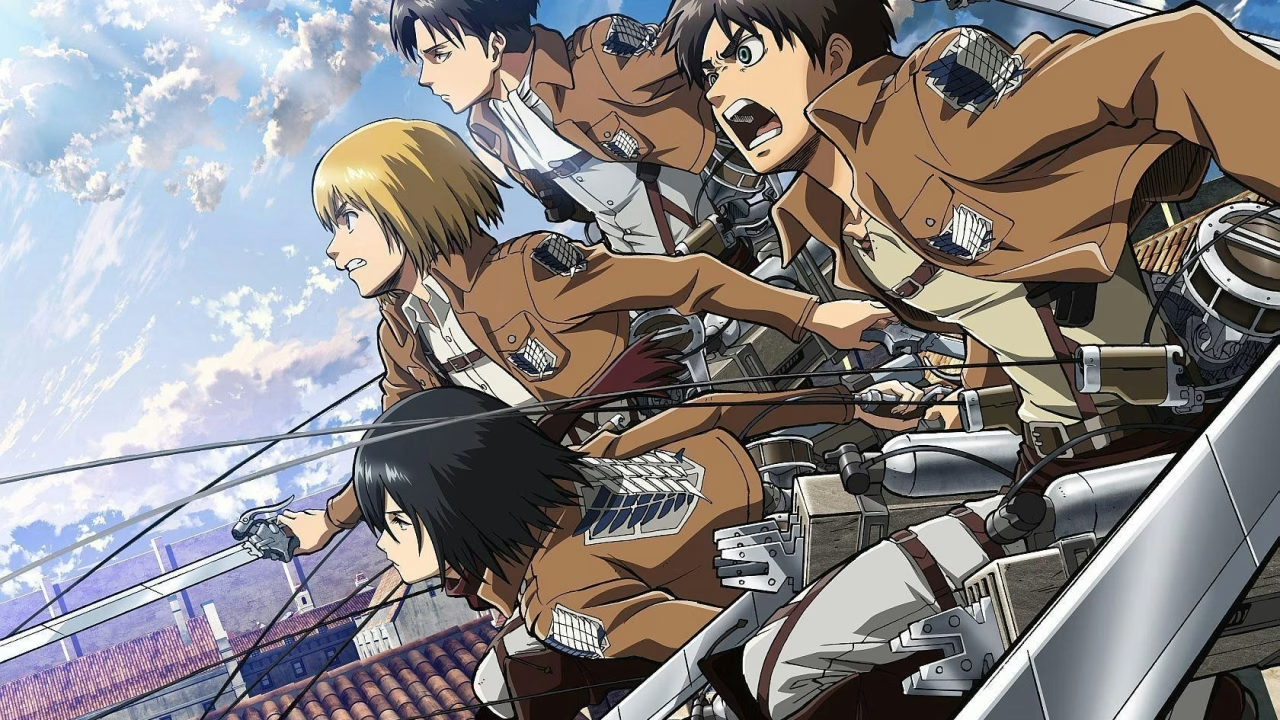
The production’s distinctive action also became one of its defining characteristics. Araki explained that intense action and dramatic storytelling were deliberately designed to strengthen one another, describing them as
“two wheels working together.”
The Anime’s Production Was Far From Easy
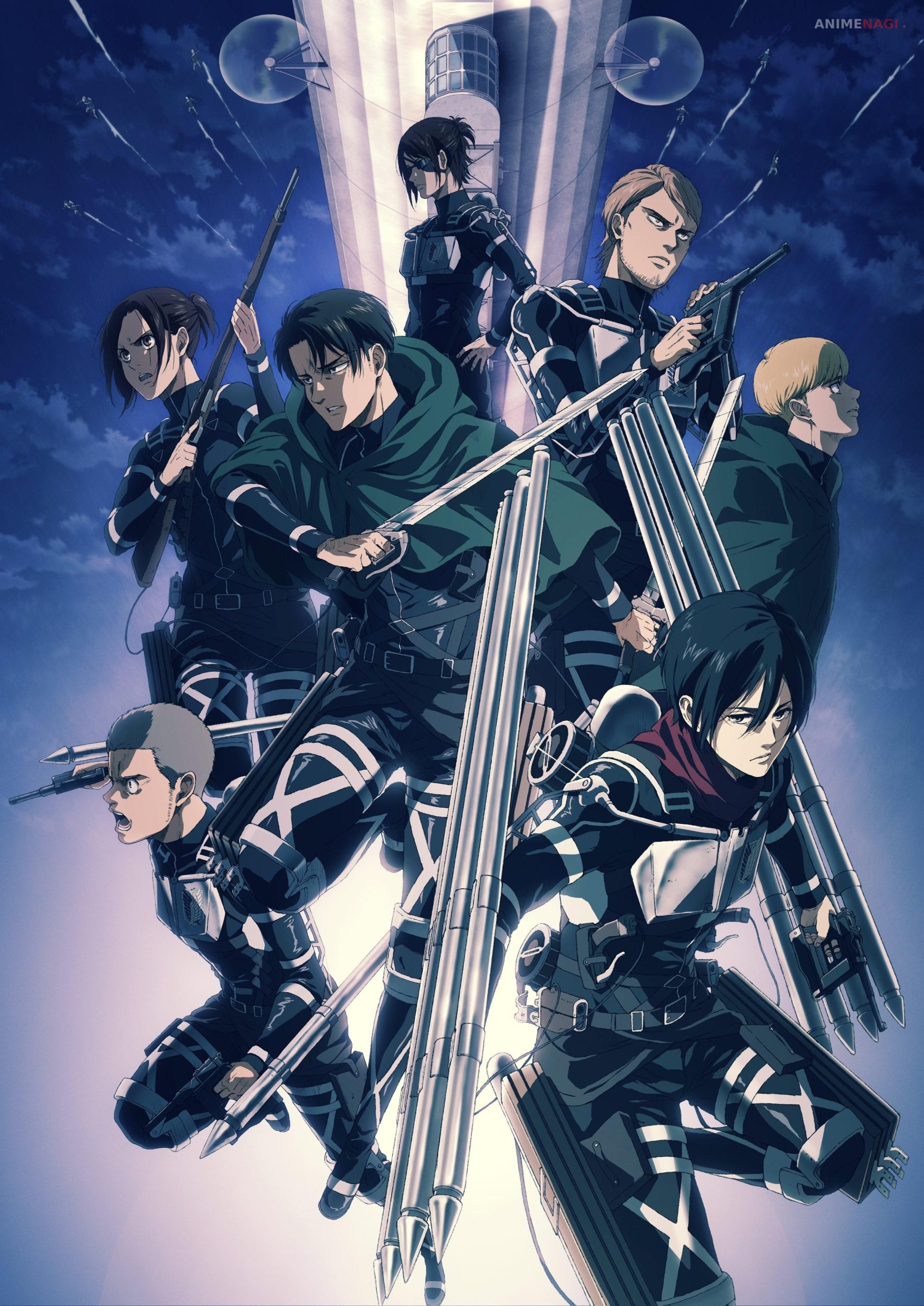
Behind the spectacular ODM gear sequences and Titan battles was a production process that frequently pushed the team to its limits. Araki admitted that his storyboards often took considerable time to complete, sometimes leaving Nakatake and the animation staff with little room before episodes had to air.
The staff nevertheless embraced experimentation. Araki specifically praised animators and 3D staff for bringing spontaneous ideas to the production, with some unexpected techniques eventually becoming major strengths of the anime’s visual identity.
Following Season 1, WIT Studio also changed its production structure. Nakatake explained that the team reorganized its staff and worked to establish a more stable schedule for Season 2.
Araki considers Season 2 particularly successful from a production standpoint, calling it the season where the team managed to maintain exceptionally high quality while achieving greater stability.
Araki Says Attack on Titan Is a “Miraculous Work”
The creators also reflected on how Attack on Titan eventually moved from WIT Studio to MAPPA. Araki praised MAPPA and director Yuichiro Hayashi for completing the story without sacrificing its quality.
Looking at the finished anime as a complete work, Araki believes the transition between studios ultimately became part of what made the series so unusual.
“I think Attack on Titan is a miraculous work,”
Araki said, adding that he does not expect something similar to appear again easily.
He emphasized that the achievement was not solely WIT Studio’s. According to Araki, the finished legacy also belongs to MAPPA and everyone who continued the adaptation through its conclusion.
For the creators who helped establish its visual identity, Attack on Titan remains a rare example of a production whose ambitions, challenges, and eventual worldwide impact came together in an unexpected way.