Jujutsu Kaisen has rapidly become one of the most influential anime of its generation, combining supernatural horror with emotionally grounded storytelling and high-stakes action. Created by Gege Akutami, the series has earned global recognition for its unique blend of traditional folklore, philosophical depth, and modern anime storytelling. While casual viewers may be drawn in by intense fight scenes and standout characters like Satoru Gojo and Yuji Itadori, the true strength of the series lies in its layered world-building and thematic complexity.
At its core, Jujutsu Kaisen explores the consequences of negative human emotions through the concept of cursed energy. This idea drives both the narrative and the conflicts between sorcerers and curses, creating a world that feels grounded despite its supernatural elements. The anime constantly pushes beyond typical shonen tropes by introducing morally gray characters, unpredictable outcomes, and psychological stakes that lift the story.
Understanding the deeper elements behind the series not only enhances the viewing experience but also reveals why it resonates with such a wide audience. From real-world inspirations to complex character arcs, these five facts break down what truly makes Jujutsu Kaisen stand out in modern anime.
Fact 1: Jujutsu Kaisen Is Deeply Inspired by Real Japanese Folklore

One of the defining strengths of Jujutsu Kaisen is its strong foundation in Japanese folklore and traditional supernatural beliefs. The concept of curses in the series is directly inspired by the idea that negative human emotions such as fear, hatred, and grief can manifest into physical entities. This belief has existed in Japanese culture for centuries and is closely tied to legends surrounding yokai and vengeful spirits known as onryo.
The character Ryomen Sukuna serves as one of the clearest examples of this inspiration. Sukuna is based on a figure mentioned in ancient Japanese texts, often described as a powerful and monstrous being. Akutami reimagines this figure as the King of Curses, blending historical myth with modern storytelling in a way that feels both authentic and innovative.
Beyond Sukuna, many curses in the series reflect fears rooted in everyday life, such as death, disease, and societal anxiety. This makes them more unsettling because they are not purely fictional creations but exaggerated representations of real human emotions. The horror elements in Jujutsu Kaisen feel grounded, which enhances the tension and stakes in every encounter.
This connection to folklore also allows the series to explore themes of spirituality and cultural identity. Sorcerers act as protectors who maintain balance between the human world and the unseen realm of curses. This dynamic mirrors traditional beliefs about spiritual guardians, adding depth to the narrative beyond simple action-driven storytelling.
Fact 2: Gojo’s Powers Are Based on Complex Scientific Concepts
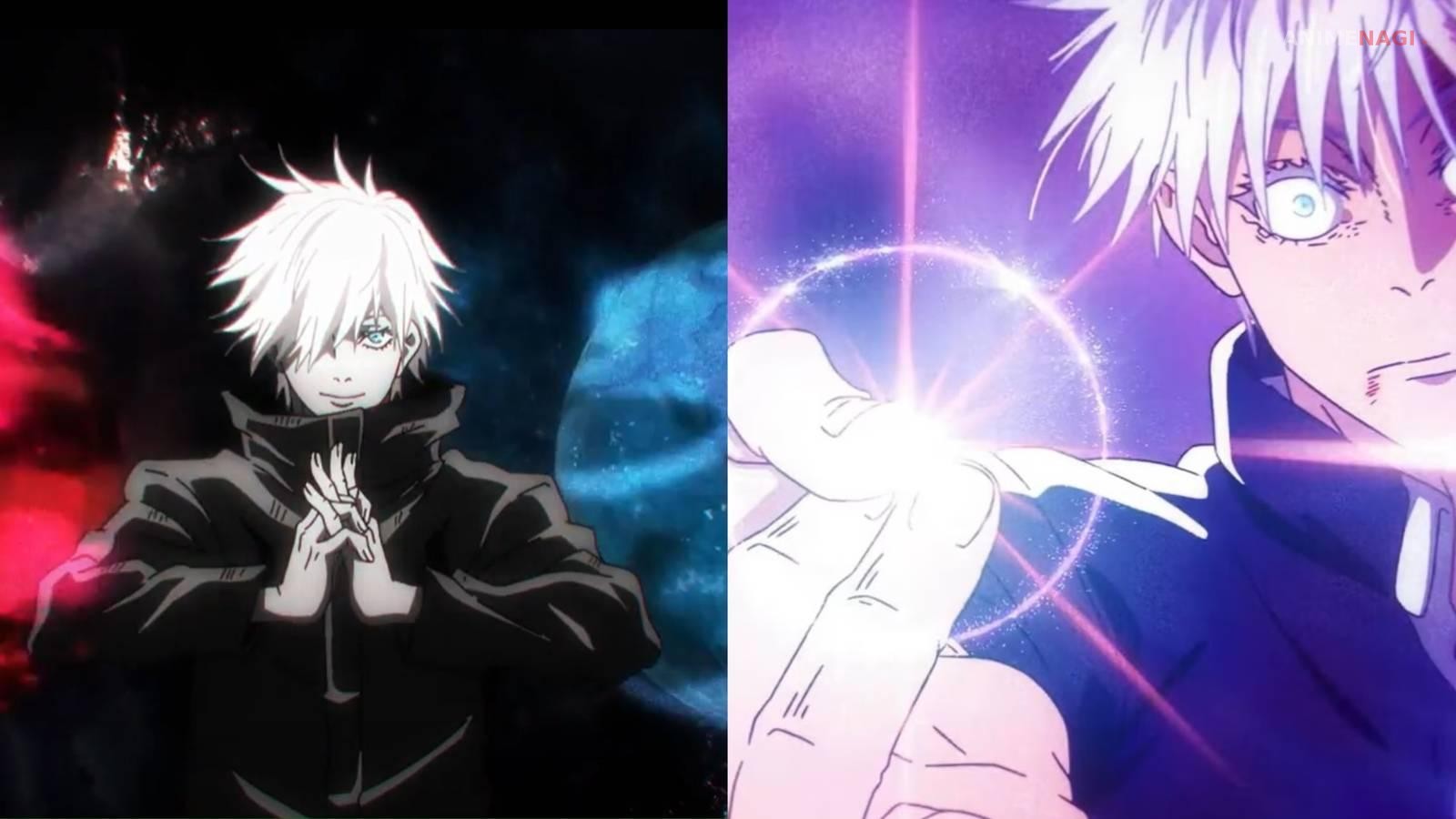
Satoru Gojo stands out not just because of his overwhelming strength, but because of how his abilities are conceptualized. Unlike traditional anime powers that rely purely on energy blasts or physical enhancement, Gojo’s techniques are rooted in advanced mathematical and scientific ideas.
His Infinity ability is based on the concept of infinite division, where space between two points is divided endlessly. This creates an effect where attacks slow down infinitely before reaching him, making it impossible to physically touch him. This idea is often compared to Zeno’s paradox, a philosophical concept that questions motion and distance.
Gojo’s Limitless technique expands on this by allowing him to manipulate space itself. Techniques like Blue and Red represent attraction and repulsion, while Hollow Purple combines both forces into a destructive attack. These abilities are not only visually striking but also intellectually engaging, adding a layer of depth rarely seen in action anime.
His Domain Expansion, Unlimited Void, takes this concept even further by overwhelming opponents with infinite information. Instead of simply trapping enemies, it attacks their perception and cognition, rendering them incapable of functioning. This approach turns battles into psychological confrontations rather than straightforward fights.
By incorporating scientific principles into its power system, Jujutsu Kaisen creates a unique combat dynamic. It encourages viewers to think about how abilities work rather than simply watching them unfold, making the action more immersive and memorable.
Fact 3: Yuji Itadori Is Not a Typical Shonen Protagonist

Yuji Itadori breaks away from many of the conventions that define traditional shonen protagonists. While he possesses incredible physical strength and determination, his journey is defined by emotional struggles and moral dilemmas rather than straightforward heroism.
From the very beginning, Yuji is confronted with the reality of death in a way that few protagonists are. His decision to consume Sukuna’s finger is not driven by ambition or a desire for power, but by a need to save others. This selfless act immediately places him in a morally complex situation where his existence becomes both a necessity and a danger.
Yuji’s character is shaped by loss and guilt. Each battle he fights carries emotional weight, especially when innocent lives are lost. Unlike many heroes who bounce back quickly from trauma, Yuji visibly struggles with the consequences of his actions, making him feel more human and relatable.
His relationship with Sukuna adds constant tension to the story. Sharing his body with the King of Curses forces Yuji to live with the knowledge that he could lose control at any moment. This internal conflict creates a unique dynamic where the protagonist is also a potential threat to those around him.
This approach redefines what it means to be a hero in a shonen series. Yuji is not just fighting enemies; he is battling his own limitations, fears, and responsibilities, making his journey far more complex and compelling.
Fact 4: The Series Was Originally Much Darker in Concept
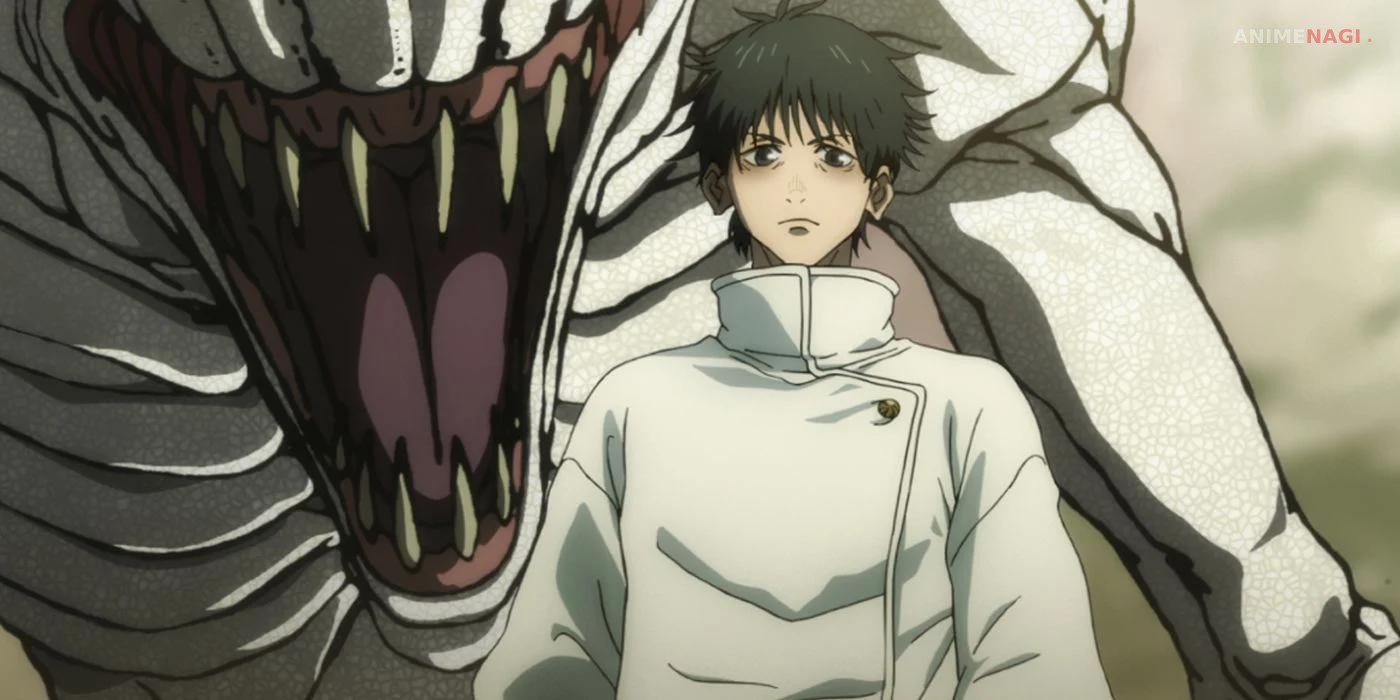
Before becoming the global hit it is today, Jujutsu Kaisen began as a darker and more intimate story. The prequel, later adapted into Jujutsu Kaisen 0, focuses on Yuta Okkotsu and presents a narrative heavily centered on grief and trauma.
Yuta’s story revolves around his connection to Rika, a cursed spirit born from deep emotional attachment. This relationship highlights the destructive nature of unresolved feelings, a theme that continues throughout the main series. The tone of this prequel is noticeably heavier, with a stronger emphasis on psychological horror.
The influence of horror remains present in the main series, even as it incorporates more action and humor. Curses are often designed to be unsettling, with appearances that evoke discomfort rather than admiration. This design choice reinforces the idea that curses are manifestations of human fear.
Akutami’s storytelling does not shy away from bleak outcomes. Characters face real consequences, and victories are rarely without cost. This willingness to embrace darker themes sets Jujutsu Kaisen apart from more traditional, optimistic shonen narratives.
Understanding the series’ darker origins provides insight into its tone and direction. It explains why the story often takes unexpected turns and why emotional stakes remain high throughout.
Fact 5: Jujutsu Kaisen Challenges the Idea of “Good vs Evil”
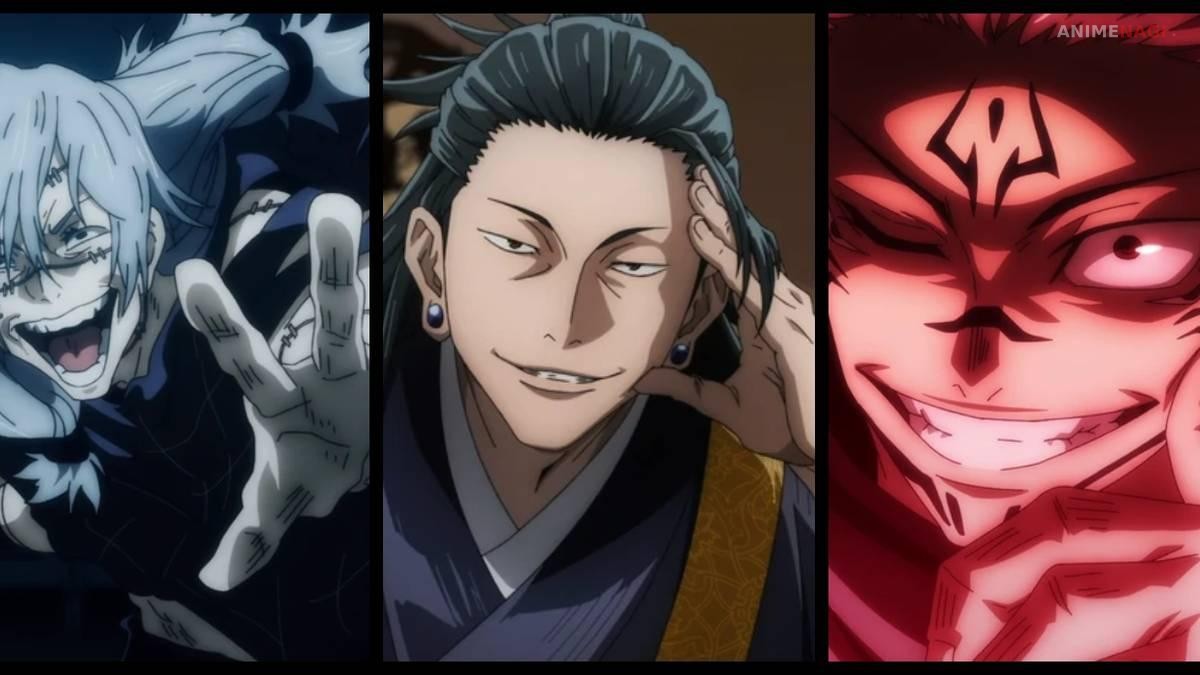
One of the most compelling aspects of Jujutsu Kaisen is its refusal to present a simple good-versus-evil narrative. Instead, the series explores morally gray characters whose motivations often blur the line between hero and villain.
Suguru Geto embodies this complexity. Once a respected sorcerer, Geto’s experiences lead him to develop a radical ideology that views non-sorcerers as the root of suffering. While his actions are extreme, his motivations stem from a desire to create a better world for those like him.
Similarly, curses like Mahito represent aspects of human nature rather than purely evil entities. Mahito’s fascination with the human soul and identity challenges characters to confront uncomfortable truths about themselves. These philosophical elements lift the story beyond simple battles.
Even the heroes are not portrayed as flawless. The jujutsu society itself is shown to be deeply flawed, with rigid traditions and questionable decisions. This adds another layer of complexity to the narrative, as characters must navigate both external threats and internal conflicts.
By presenting a world where morality is not absolute, Jujutsu Kaisen encourages viewers to think critically about its characters and themes. This nuanced approach is a major reason why the series resonates with a mature audience.
Why These Details Matter More Than You Think
Jujutsu Kaisen stands out as one of the most thoughtfully crafted anime of recent years. Its success is not just due to its action sequences, but its ability to combine cultural inspiration, scientific concepts, and emotional storytelling into a cohesive narrative.
Each of these facts highlights a different dimension of the series, from its folklore roots to its complex characters and themes. Together, they create a world that feels both immersive and meaningful.
For viewers looking to understand why Jujutsu Kaisen has achieved such widespread acclaim, these insights provide a deeper appreciation of what makes it truly special.
What truly elevates Jujutsu Kaisen is how all these elements come together to create a cohesive and immersive experience. The blend of folklore, science-inspired abilities, emotional character arcs, and morally complex storytelling ensures that the series never feels one-dimensional.
Each fact explored above is not just a piece of trivia, but a building block that strengthens the narrative and deepens audience engagement. As the story continues to evolve, these foundational aspects become even more important in shaping its long-term impact. Whether you are a new viewer or a long-time fan, understanding these details enhances every moment, making the series far more rewarding to watch and analyze.