In Black Clover, one of the most important turning points for Asta comes during the Devil-Binding Ritual, where he confronts Liebe. Unlike traditional battles in the series, this fight is not just about strength or survival. It is a test of dominance, control, and the ability to form a contract with a devil. Normally, this ritual requires the human to defeat and subjugate the devil completely, often through overwhelming force.
However, Asta’s fight with Liebe unfolds very differently. While he technically wins the battle, he refuses to kill or enslave Liebe, choosing instead to form an equal partnership. This decision not only sets Asta apart from other devil hosts but also redefines how devil contracts work within the Black Clover world. The outcome of this ritual becomes the foundation for Asta’s future power, including his Devil Union form, and reveals deeper truths about both characters’ pasts and motivations.
What Is the Devil-Binding Ritual in Black Clover
The Devil-Binding Ritual is a forbidden magical process used to form a contract between a human and a devil.
Traditionally, the ritual involves summoning the devil into the human world and engaging in a one-on-one battle. The human must defeat the devil to establish dominance, which then allows them to control the devil’s power. This system is built on hierarchy and submission.
Characters like Nacht use this method to control multiple devils, forcing them into servitude. The stronger the devil, the more difficult the ritual becomes. Failure can result in death or possession, making it an extremely dangerous process.
This context is important because it highlights how unusual Asta’s approach is. Instead of following the established rules, he challenges the very foundation of the ritual.
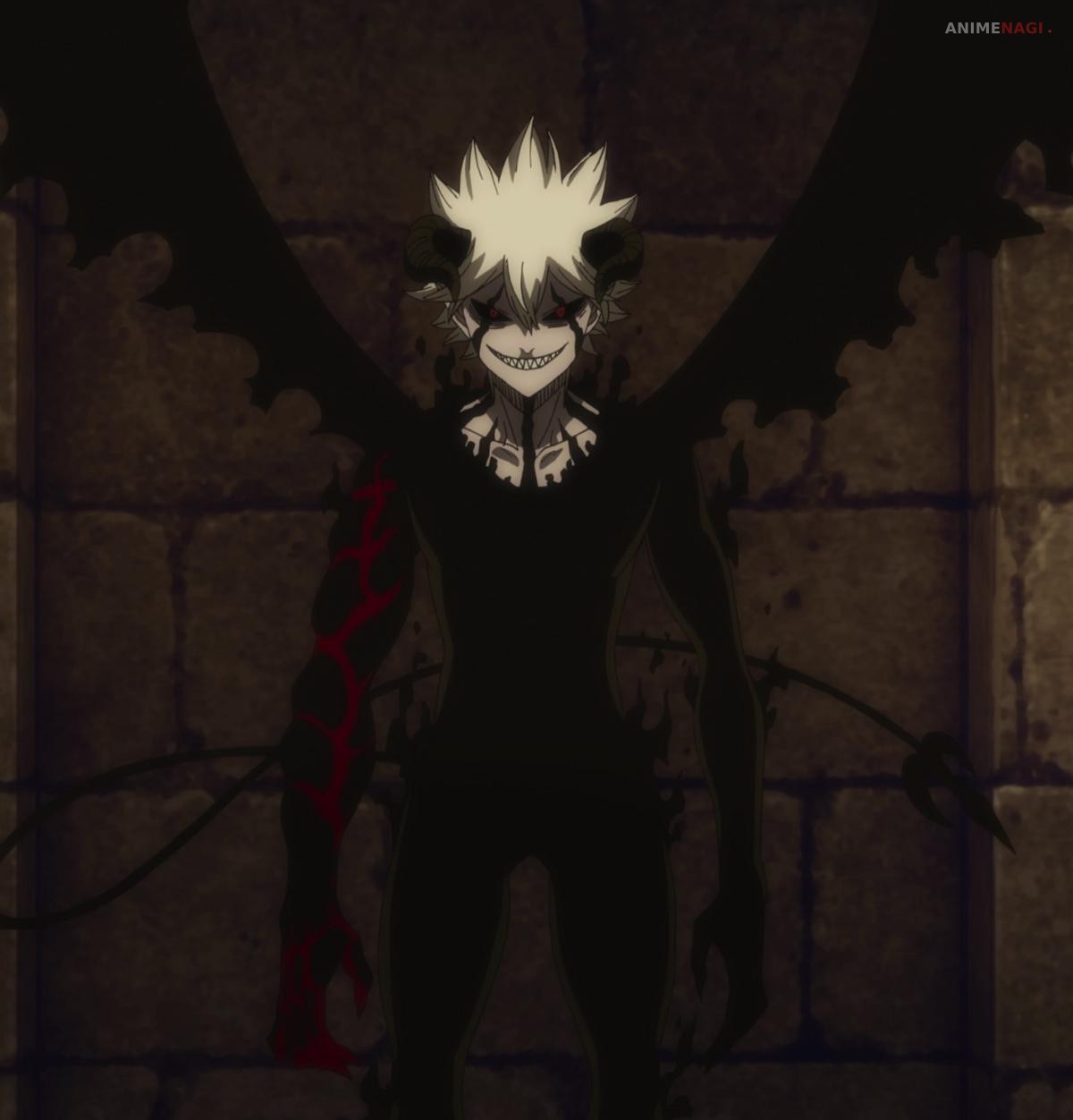
Why Asta Has to Fight Liebe
Asta’s participation in the ritual is necessary for him to gain full access to Liebe’s power.
Despite already using anti-magic through his swords, Asta does not initially have a formal contract with Liebe. This limits his ability to fully synchronize with the devil and control his abilities.
To overcome stronger enemies like the Dark Triad, Asta needs a deeper connection with Liebe. The ritual provides a way to achieve this, but it comes with the requirement of defeating him in combat.
At this point, neither Asta nor Liebe fully trust each other. While they share a connection through anti-magic, their relationship has not yet evolved into a true partnership.
Who Is Liebe and Why He Matters
Liebe is a unique devil within the Black Clover universe.
Unlike most devils, he does not possess mana. Instead, he uses anti-magic, a power that directly counters magical energy. This makes him an anomaly even among devils.
Liebe’s backstory reveals that he was abused and cast out in the underworld, similar to how Asta was treated in the human world. He eventually forms a bond with Licita, Asta’s mother, who protects him and treats him with kindness.
This shared history of rejection and suffering becomes the emotional core of Asta and Liebe’s relationship. It also explains why their fight during the ritual carries more weight than a typical battle.
Breaking Down Asta vs Liebe Fight
The fight between Asta and Liebe begins as a standard Devil-Binding Ritual.
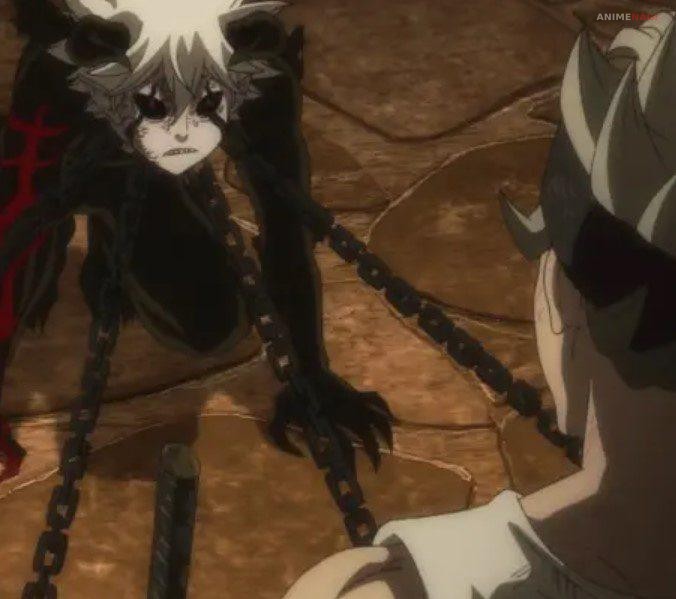
Liebe emerges with hostility, driven by his hatred for devils and humans alike. His past experiences have left him with deep resentment, and he initially sees Asta as someone trying to control him.
Asta, however, approaches the fight differently. While he engages in combat, his goal is not to dominate Liebe but to understand him. This creates a unique dynamic where the battle is both physical and emotional.
Despite Liebe’s anti-magic abilities, Asta manages to keep up by relying on his physical strength and experience. The fight is intense but lacks the usual sense of hatred seen in other battles.
How Asta Actually Defeats Liebe
Asta ultimately wins the fight through a combination of skill, endurance, and determination.
Unlike other characters who rely heavily on magic, Asta’s lack of mana allows him to fight on equal terms with Liebe. This levels the playing field and prevents the battle from being one-sided.
As the fight progresses, Asta gains the upper hand. He manages to subdue Liebe, fulfilling the ritual’s requirement of defeating the devil.
However, this is where things take an unexpected turn. Instead of asserting control, Asta chooses a different path.
Why Asta Refuses to Kill or Subjugate Liebe
Asta’s decision not to kill or enslave Liebe is the defining moment of the ritual.
After defeating him, Asta recognizes the similarities between their lives. Both were rejected by the worlds they were born into and forced to survive through sheer determination.
Rather than treating Liebe as a tool, Asta extends his hand in friendship. He offers to form an equal contract, where they work together instead of one controlling the other.
This choice reflects Asta’s core values. Throughout Black Clover, he consistently rejects systems built on oppression and hierarchy. His decision during the ritual is a natural extension of that philosophy.

How Their Equal Contract Changes Everything
The contract between Asta and Liebe is fundamentally different from traditional devil contracts.
Instead of dominance, it is based on mutual trust and cooperation. This allows both of them to access each other’s power more effectively.
For Asta, this means gaining full control over anti-magic and unlocking new abilities. For Liebe, it provides a partner who understands and respects him.
This partnership becomes the foundation for Asta’s Devil Union form. Unlike other devil hosts, Asta does not force power from his devil. He shares it.
The Emotional Meaning Behind the Fight
The fight between Asta and Liebe is as much about healing as it is about power.
Both characters carry deep emotional scars from their pasts. The ritual forces them to confront these feelings and acknowledge their similarities.
Asta’s willingness to empathize with Liebe breaks the cycle of hatred that defines the devil world. It shows that understanding can be more powerful than domination.
This emotional resolution is what makes the fight so impactful. It is not just about who wins but about what that victory represents.
How This Leads to Devil Union
The equal contract allows Asta to achieve Devil Union, one of his most powerful transformations.
In this form, Asta and Liebe synchronize their abilities, combining physical strength with anti-magic. This creates a level of power that surpasses what either could achieve alone.
Devil Union is only possible because of their mutual trust. A forced contract would not allow for this level of synchronization.
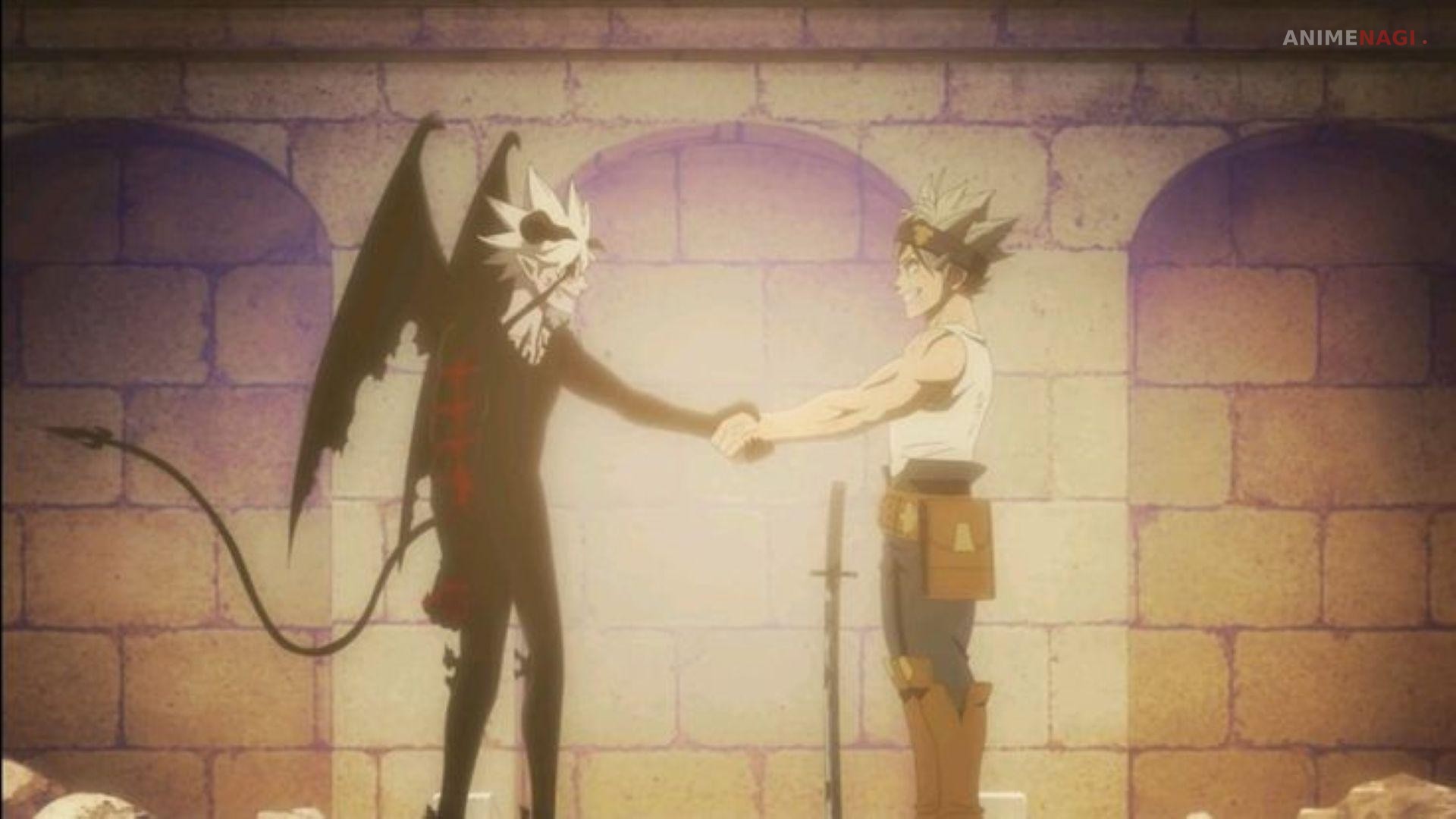
This transformation becomes crucial in later battles, particularly against powerful enemies like the Dark Triad.
Why Asta’s Approach Is Unique in Black Clover
Asta’s approach to the Devil-Binding Ritual sets him apart from every other character.
Most devil hosts rely on control and dominance. They see devils as tools to be used for their own gain. This creates a relationship based on fear and hierarchy.
Asta, on the other hand, treats Liebe as an equal. This not only changes their relationship but also challenges the established norms of the Black Clover world.
His approach suggests that power does not have to come from oppression. It can come from cooperation and understanding.
What This Means for the Future of Devil Contracts
The outcome of the ritual has broader implications for the series. Asta and Liebe’s partnership introduces a new way of forming contracts with devils. It shows that mutual respect can be just as effective as dominance.
This could influence how other characters approach devils in the future. It also raises questions about the nature of power and control within the series.
By breaking the traditional rules, Asta opens the door for a different kind of relationship between humans and devils.
Asta’s victory over Liebe in the Devil-Binding Ritual is one of the most important moments in Black Clover. While he technically defeats Liebe, the true significance of the fight lies in what he chooses to do afterward.
Instead of following the traditional path of domination, Asta forms an equal partnership. This decision not only strengthens his abilities but also reflects his core values as a character.
The ritual redefines what it means to be a devil host. It shifts the focus from control to cooperation, creating a bond that is both powerful and meaningful.
In the end, Asta does not just win the fight. He changes the rules of the game entirely, proving that strength is not just about power but about the choices you make.
Asta’s decision during the Devil-Binding Ritual also reinforces one of Black Clover’s most consistent themes: true strength comes from connection, not domination. By choosing partnership over control, he breaks a cycle that has defined the relationship between humans and devils for generations. This moment subtly parallels other bonds in the series, such as the trust within the Black Bulls, where teamwork consistently outperforms raw power.
It also positions Asta as a fundamentally different kind of protagonist, one who wins not just through force but through empathy and understanding. In doing so, his victory over Liebe becomes more than a power-up moment. It becomes a statement about redefining power itself.