The conflict between Baki Hanma and Yujiro Hanma is the emotional and thematic core of the entire Baki franchise. While the series is filled with violent martial arts battles, underground tournaments, and superhuman fighters, everything ultimately revolves around Baki’s desire to surpass his father. By the time Baki Part 4, also known as the Strongest Father and Child Quarrel Saga, arrives, the story transforms from a simple fighting anime into a deeply personal confrontation shaped by trauma, obsession, revenge, and twisted family bonds.
Yujiro is not just Baki’s father. He is presented as the strongest creature alive, a man feared by entire governments and respected like a walking natural disaster. For years, Baki trains relentlessly because of one goal: defeating Yujiro and overcoming the emotional scars left by his mother’s death. Unlike many anime rivalries, this conflict is intensely personal and psychologically destructive.
The buildup toward their fight spans multiple arcs across the Baki franchise. Every major battle, every training sequence, and every new opponent exists partly to prepare Baki for the moment he finally challenges Yujiro directly again. By Part 4, the story carefully shifts from tournament-style progression into a philosophical clash between two completely different views of strength and humanity.
Yujiro Hanma is the reason Baki became a fighter
To understand the buildup toward the father-son fight, it is important to understand how deeply Yujiro shaped Baki’s life from childhood.
Baki was raised under extreme pressure because his mother, Emi Akezawa, desperately wanted Yujiro’s approval. She encouraged Baki to train constantly so he could someday become strong enough to impress his father. This created a toxic childhood where love and violence became emotionally connected for Baki almost immediately.
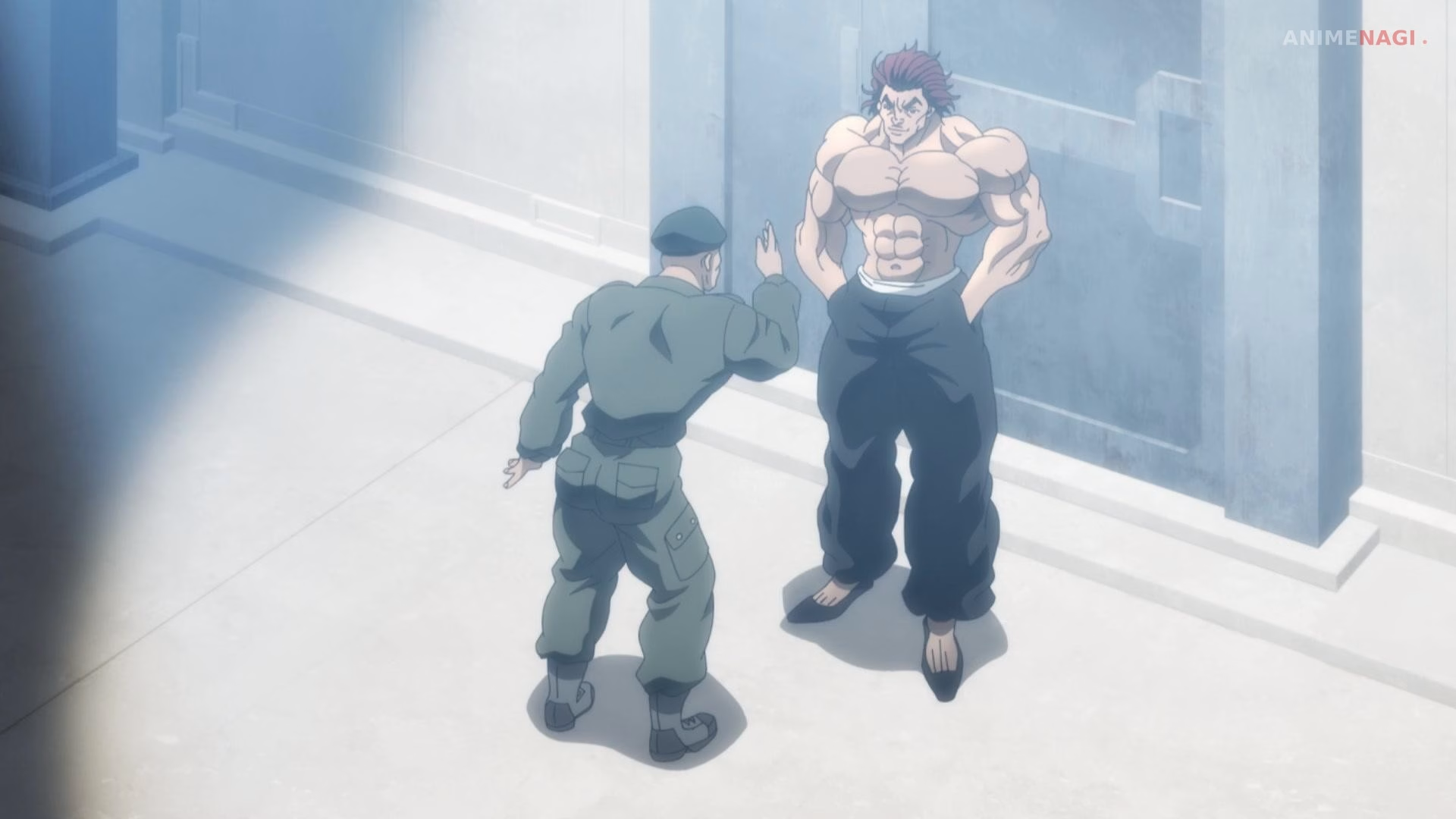
Yujiro himself treated Baki less like a son and more like an experiment. Rather than acting as a caring parent, he viewed Baki as prey or a future challenger worth cultivating. This mindset became horrifyingly clear during Baki’s early confrontation with Yujiro, where Emi tried protecting her son and Yujiro brutally killed her in front of him.
That moment defines Baki’s entire journey afterward. Although he genuinely wants to surpass Yujiro physically, his motivation also comes from grief, rage, and emotional confusion regarding his father. Unlike traditional revenge stories, however, Baki still seeks acknowledgment from Yujiro deep down, despite hating him. This complicated emotional relationship becomes central to Part 4’s buildup.
Every major arc prepares Baki for Yujiro
One reason the father-son fight feels so important is that nearly every arc in Baki functions as preparation for Yujiro indirectly.
In the earlier Grappler Baki storylines, Baki enters underground arena battles and the Maximum Tournament to strengthen himself against increasingly dangerous opponents. Fighters like Doppo Orochi, Kaoru Hanayama, Gaia, and Jack Hanma all contribute to Baki’s growth physically and mentally.
The Netflix Baki series continues this progression through the Death Row Convicts Saga and the Great Raitai Tournament. Although these arcs introduce new enemies, the larger narrative focus never changes. Baki constantly seeks experiences that push him closer toward Yujiro’s level.
The series repeatedly reinforces how impossible this goal seems. Yujiro defeats armies barehanded, survives lightning strikes, and humiliates world-class martial artists effortlessly. Governments even treat him like a military power independent of any nation.
Because Yujiro appears almost invincible, every small improvement Baki makes becomes meaningful. The audience gradually watches him evolve from a talented teenager into someone capable of standing before the strongest creature alive without fear. That gradual progression makes the eventual confrontation feel earned rather than rushed.
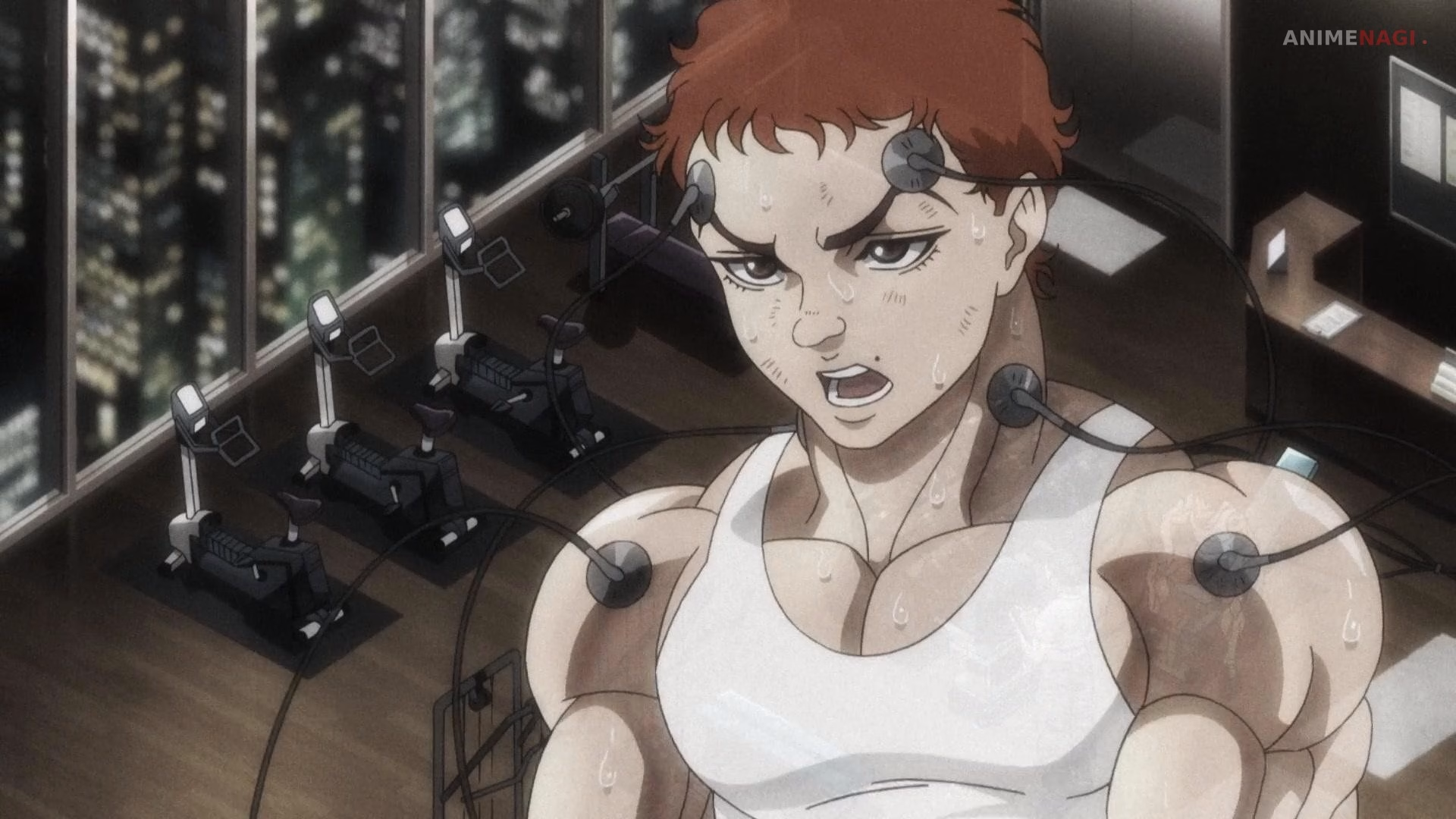
Baki’s fight with Pickle becomes a turning point
One of the biggest buildup moments before the father-son battle happens during the Pickle Wars Saga.
Pickle is a prehistoric human revived in modern times, possessing monstrous physical strength and primal instincts. Unlike many martial artists in the series, Pickle fights purely through raw survival ability rather than technique or discipline. This forces Baki into one of the most brutal fights of his life.
The battle matters because it changes Baki psychologically. Instead of relying only on technical skill, he begins to understand combat on a more instinctive level, closer to Yujiro’s terrifying fighting philosophy. Baki pushes himself beyond normal human limitations repeatedly during the fight despite suffering massive damage.
Although Pickle technically remains standing at the end, several characters imply that Baki achieved a moral victory because he forced the prehistoric monster to use martial arts techniques defensively.
This arc effectively prepares Baki for Yujiro by teaching him how to confront overwhelming physical superiority directly. He begins to realize that defeating his father requires more than technique alone. He must psychologically challenge Yujiro as an equal.
Yujiro slowly begins acknowledging Baki
Another major aspect of the buildup involves Yujiro gradually changing his attitude toward Baki.
For most of the series, Yujiro treats nearly everyone with contempt. He views humanity as weak and often humiliates elite fighters casually. However, as Baki grows stronger, Yujiro slowly begins acknowledging him differently.
This shift becomes especially visible after Baki survives increasingly impossible opponents and continues seeking confrontation despite years of trauma. Yujiro starts recognizing that Baki possesses not only strength but also an unusual fighting spirit, unlike ordinary martial artists.
The dinner scene before their final fight becomes one of the franchise’s most important moments emotionally. Instead of immediately attacking each other, Baki and Yujiro sit together in a high-class restaurant discussing food, life, and Emi’s death. The conversation feels deeply uncomfortable because genuine family interaction exists beneath years of hatred and violence.
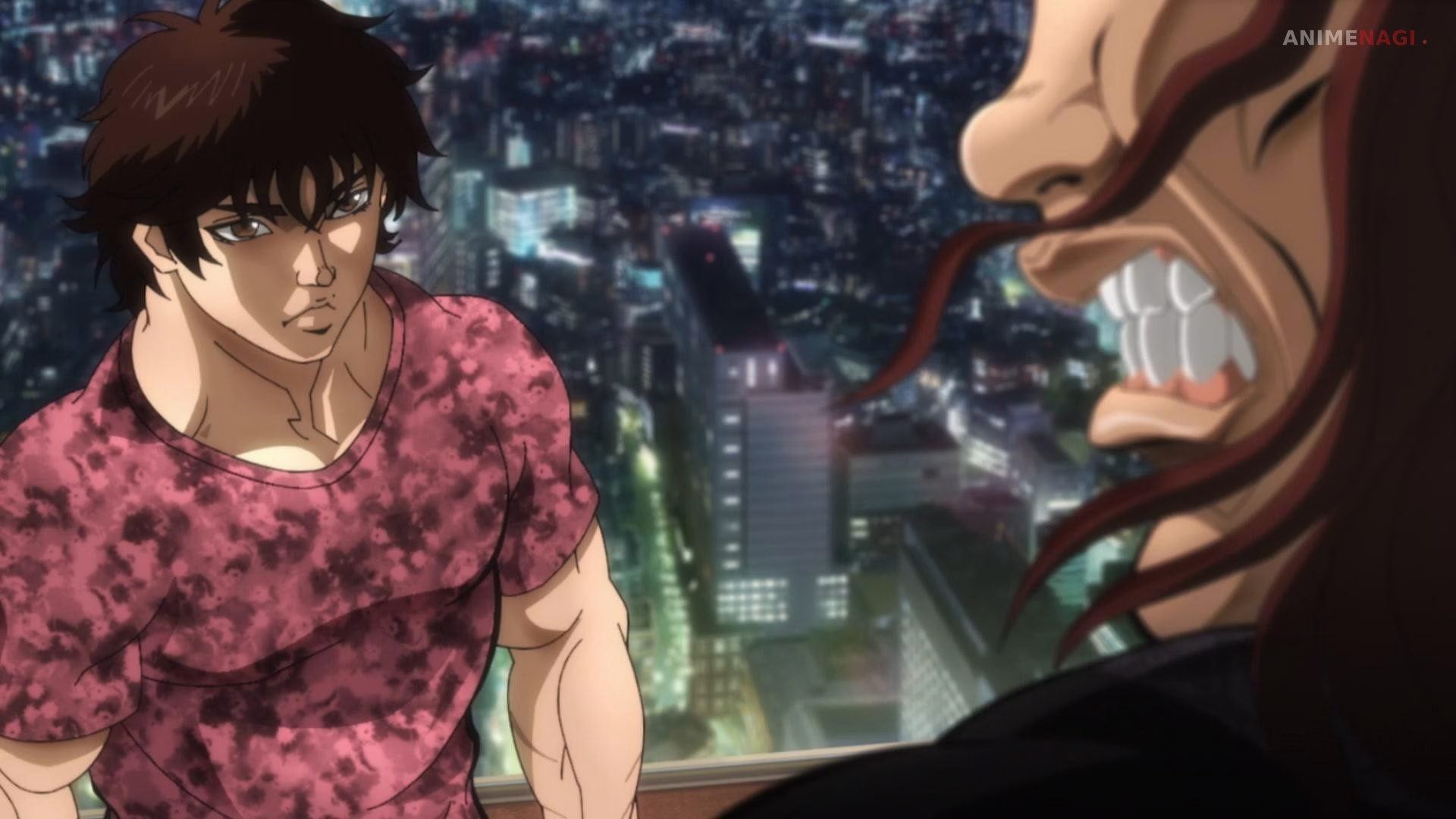
When Baki asks Yujiro why he killed his mother, the emotional tension finally explodes into physical conflict. That transition transforms the fight into something much bigger than martial arts alone.
The fight represents conflicting ideas of strength
The father-son battle is important not simply because it is the strongest fight in the series, but because it represents two completely different philosophies.
Yujiro believes strength exists purely for domination. He respects only power and views weakness as meaningless. Throughout the series, he crushes opponents emotionally and physically because he believes superiority justifies everything.
Baki, however, develops a different understanding of strength gradually. Although he loves fighting, he values relationships, compassion, and personal growth alongside martial arts. Characters like Kozue, Tokugawa, and many arena fighters influence Baki emotionally throughout the story.
This difference becomes crucial during their confrontation. Yujiro expects combat to revolve entirely around overwhelming force, but Baki continuously introduces emotion, imagination, and psychological unpredictability into the fight.
The famous imaginary cooking sequence near the end symbolizes this perfectly. Instead of simply exchanging punches endlessly, the battle evolves into a surreal emotional interaction between father and son. That unusual direction separates Baki from many traditional fighting manga climaxes.
Baki finally stops fearing Yujiro
One of the biggest changes during Part 4 is Baki’s emotional growth regarding fear.
For years, Yujiro represented an almost godlike figure in Baki’s mind. Even after countless victories, Baki still carried childhood trauma connected to his father’s overwhelming presence and brutality.
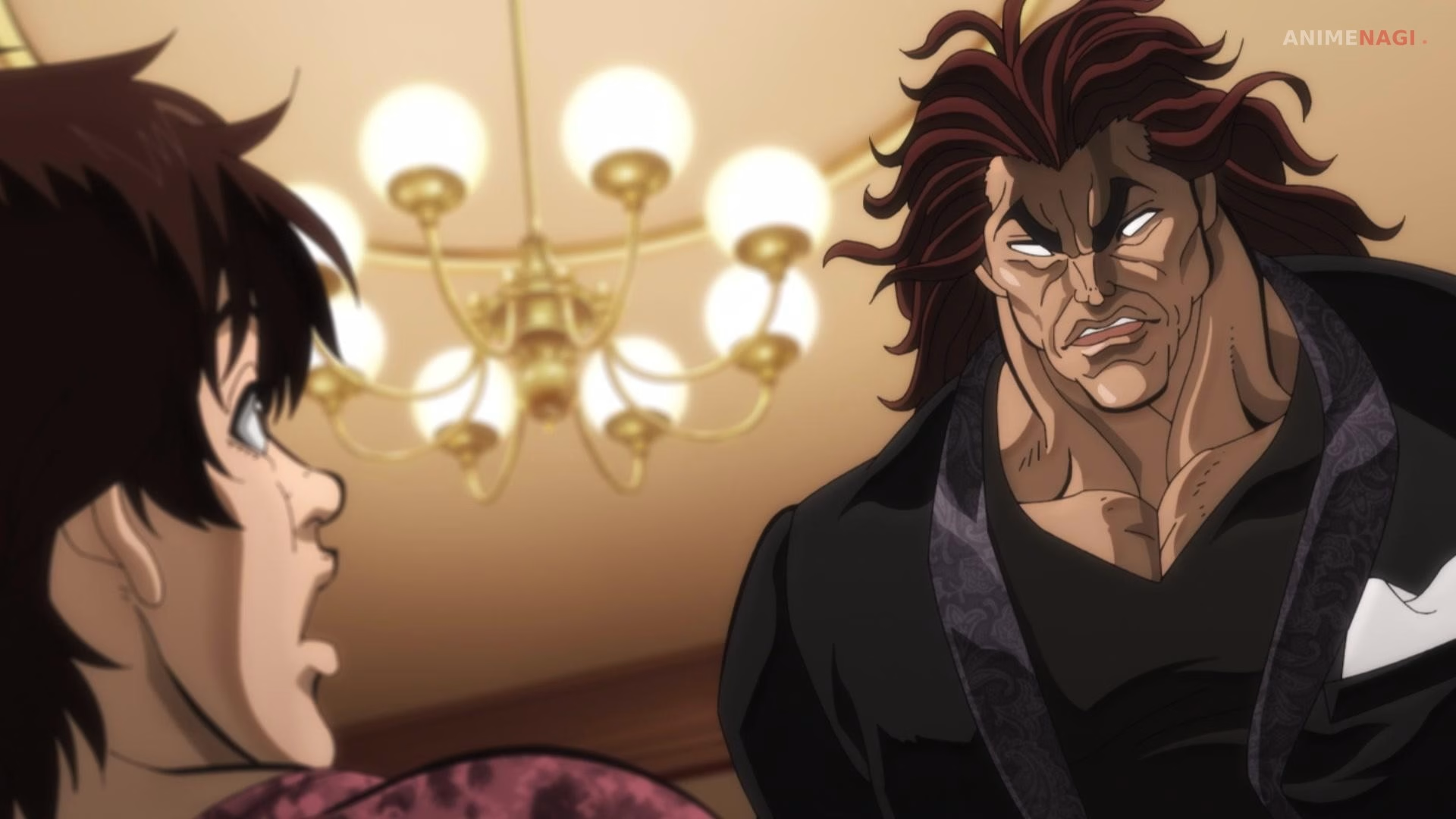
By the time their fight begins, however, Baki finally stands before Yujiro without psychological paralysis. This matters enormously because Yujiro dominates many opponents mentally before fights even start. Fighters often freeze or collapse emotionally under his pressure alone.
Baki resists this completely. Even while taking horrific damage during the battle, he continues to challenge Yujiro emotionally and philosophically. He no longer seeks only revenge or approval. Instead, he genuinely wants Yujiro to recognize him as an equal human being.
This emotional maturity changes the dynamic entirely. For perhaps the first time in his life, Yujiro encounters someone willing to confront him completely without submission or fear. That psychological victory becomes just as important as the physical fight itself.
The fight pushes Yujiro emotionally for the first time
Another reason the buildup works so effectively is that the battle changes Yujiro himself.
Throughout the series, Yujiro rarely experiences genuine emotional vulnerability. He behaves more like a force of nature than a normal person. However, Baki gradually forces him into unfamiliar emotional territory during their confrontation.
Yujiro begins remembering family moments, engaging with Baki’s imagination, and acknowledging emotional connections he normally rejects completely. The imaginary miso soup scene especially becomes symbolic because Yujiro briefly participates in Baki’s fantasy sincerely.
When Baki comments that the imaginary soup tastes too salty, Yujiro unexpectedly reacts emotionally instead of immediately dominating the moment. This subtle interaction matters because it reveals Baki succeeded in affecting Yujiro psychologically.
The fight, therefore, becomes less about determining a clear, strongest fighter and more about forcing Yujiro to recognize humanity beyond violence and domination.
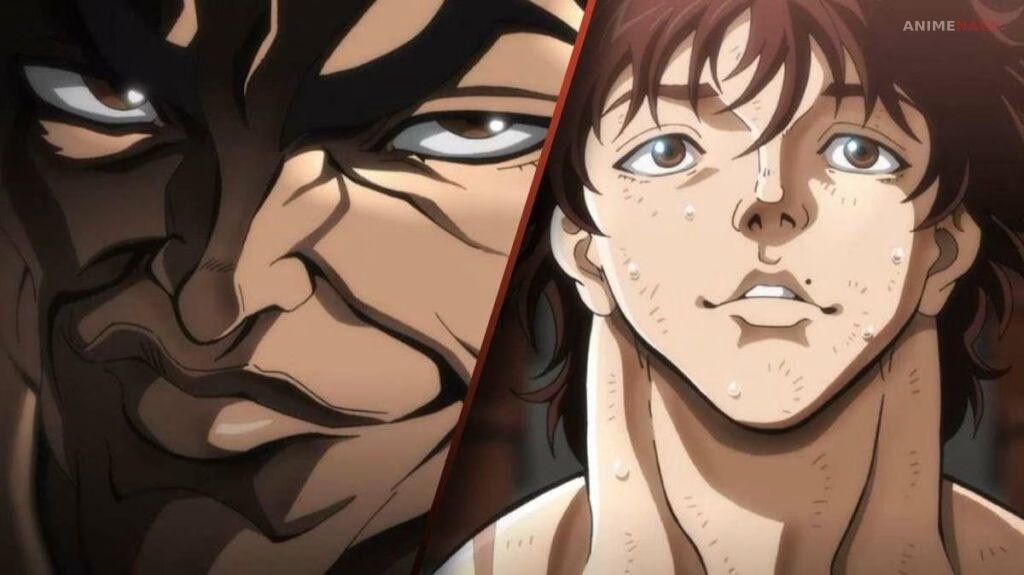
That emotional complexity is why many fans consider the confrontation the peak of the franchise narratively.
Why the ending feels different from typical battle manga
One surprising aspect of the father-son fight is that it does not end with a simple, decisive victory.
Physically, Yujiro still appears stronger by the end. Baki suffers catastrophic injuries and cannot overpower his father directly in conventional terms. However, Yujiro ultimately acknowledges Baki completely and admits he can no longer selfishly call himself the strongest alone. This creates a thematic tie rather than a straightforward win-loss result.
Keisuke Itagaki intentionally avoided a traditional power-scaling conclusion because the story was never purely about numerical strength. The real conflict involved emotional acknowledgment, psychological growth, and redefining what strength actually means.
Baki succeeds because he changes Yujiro emotionally in ways nobody else ever could. He survives, earns recognition, and forces the strongest creature alive to interact with him as family rather than prey. That outcome feels strangely intimate despite the absurd violence surrounding it.