Few anime have left a legacy as strong as Naruto and its sequel Naruto: Shippuden. So when Boruto: Naruto Next Generations arrived, expectations were sky-high. Fans hoped to see the next generation carry forward the emotional depth, intense battles, and character-driven storytelling that made Naruto a global phenomenon.
Instead, Boruto has sparked one of the most divided reactions in anime fandom. Some viewers appreciate its slower, slice-of-life approach and focus on a new generation, while others criticize its pacing, filler-heavy structure, and inconsistent tone. The biggest question remains simple. Should you continue watching after Naruto, or is it better to stop at Shippuden?
The answer is not straightforward. Boruto is a very different kind of story, and whether it works for you depends on what you expect from a sequel. Let’s break down everything that matters before you decide.
A New Generation, A Different Story Direction
Boruto shifts the focus to a peaceful era, something first established through the emotional bridge between Naruto Shippuden and Boruto. The Hidden Leaf Village has evolved, with advanced technology and a stable political environment. This alone changes the tone significantly.
Boruto Uzumaki, Naruto’s son, is not an underdog like his father. He grows up in comfort, which creates a different kind of conflict. His struggle is not about survival or recognition but about identity and living up to Naruto’s legacy.
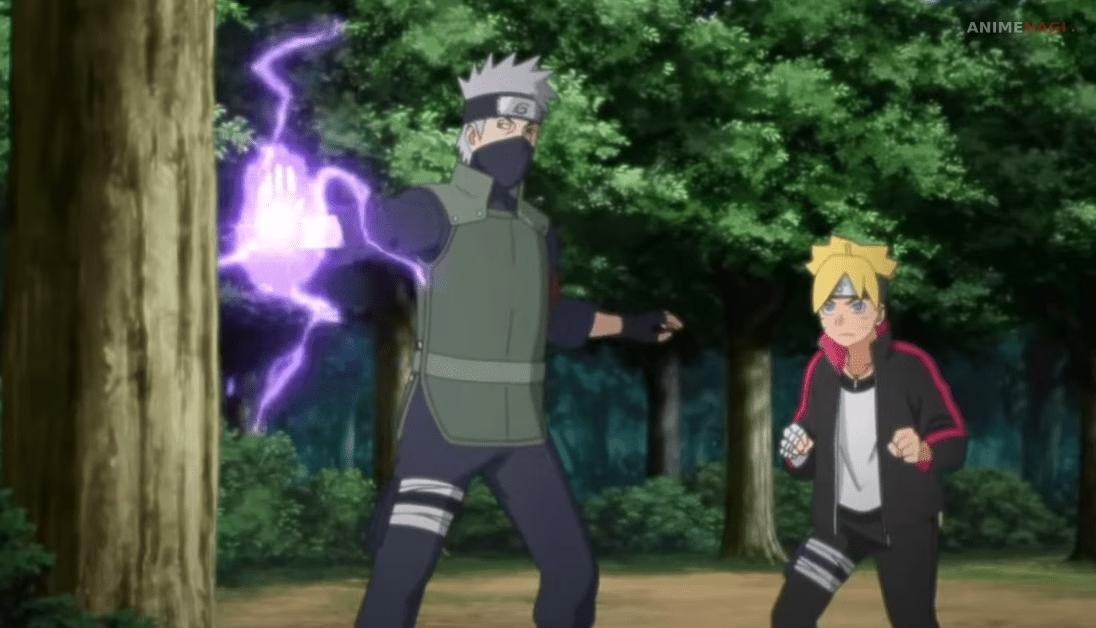
This shift is intentional, especially when you understand why Kishimoto designed Boruto differently from Naruto. Fans expecting another high-stakes, emotionally intense narrative may feel disconnected from Boruto’s early arcs. The story takes its time establishing the new generation, often focusing on character relationships and everyday life.
While this slower approach helps build the world, it can feel uneventful compared to Naruto’s fast-paced storytelling. Whether this works depends largely on your patience and expectations.
The Biggest Issue: Pacing and Filler Content
One of the most common criticisms of Boruto is its pacing. Unlike Naruto, which had clear arcs driving the story forward, Boruto spends a significant amount of time on anime-original content.
While some of these episodes add depth to side characters, many feel unnecessary. The lack of urgency in the early and middle portions of the series makes it difficult for some viewers to stay engaged.
This filler-heavy structure can create frustration, especially for fans who are used to the intense progression of Naruto Shippuden. Important plot developments are often separated by long stretches of slower content.
However, it is worth noting that Boruto improves significantly when it adapts manga arcs. These moments bring back the tension, stakes, and narrative focus that fans expect from the franchise.
If you plan to watch Boruto, following a curated episode guide can greatly improve the experience.
When Boruto Gets Good: Key Arcs That Deliver
Despite its pacing issues, Boruto has several standout arcs that remind fans why they loved the original series. The Momoshiki arc is one of the earliest highlights, featuring a visually stunning battle involving Naruto and Sasuke.
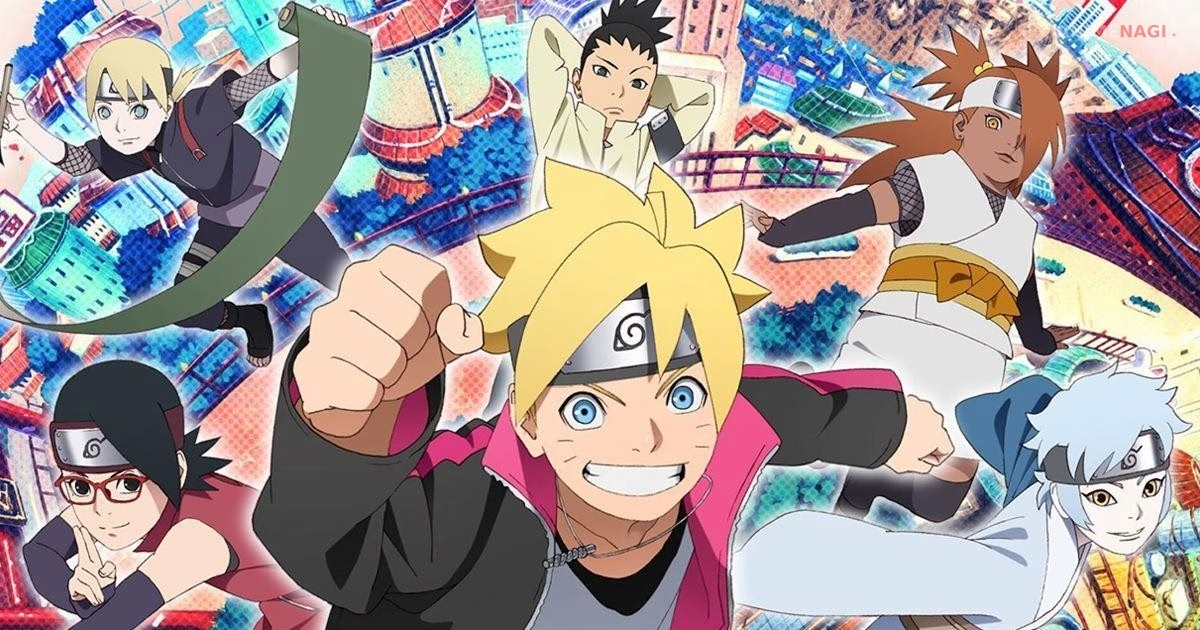
Later, the introduction of Kawaki marks a turning point for the series. His character brings emotional depth, darker themes, and a stronger connection to the main plot. The dynamic between Boruto and Kawaki becomes central to the story’s progression.
The Karma storyline also adds intrigue, introducing a new power system and tying the narrative to the Otsutsuki clan. These arcs shift Boruto from a light-hearted sequel to a more serious and engaging story.
When the anime focuses on these elements, it reaches a level of quality closer to Naruto. Unfortunately, these moments are not as consistent as many fans would like.
Character Development: Strengths and Missed Opportunities
Boruto’s character development is a mixed bag. Boruto himself starts as a somewhat unlikable protagonist, often resentful of Naruto’s role as Hokage. However, his growth over time is one of the series’ strengths.
Sarada Uchiha and Mitsuki are also compelling characters with their own arcs and motivations. Sarada’s ambition to become Hokage and Mitsuki’s search for identity add depth to the new generation.
Kawaki, however, stands out as the most impactful addition. His backstory, personality, and relationship with Naruto bring emotional weight that elevates the series.
At the same time, many side characters are underutilized. The large cast introduced in the early episodes does not always receive meaningful development, which can make parts of the story feel unfocused.
How It Compares to Naruto and Shippuden
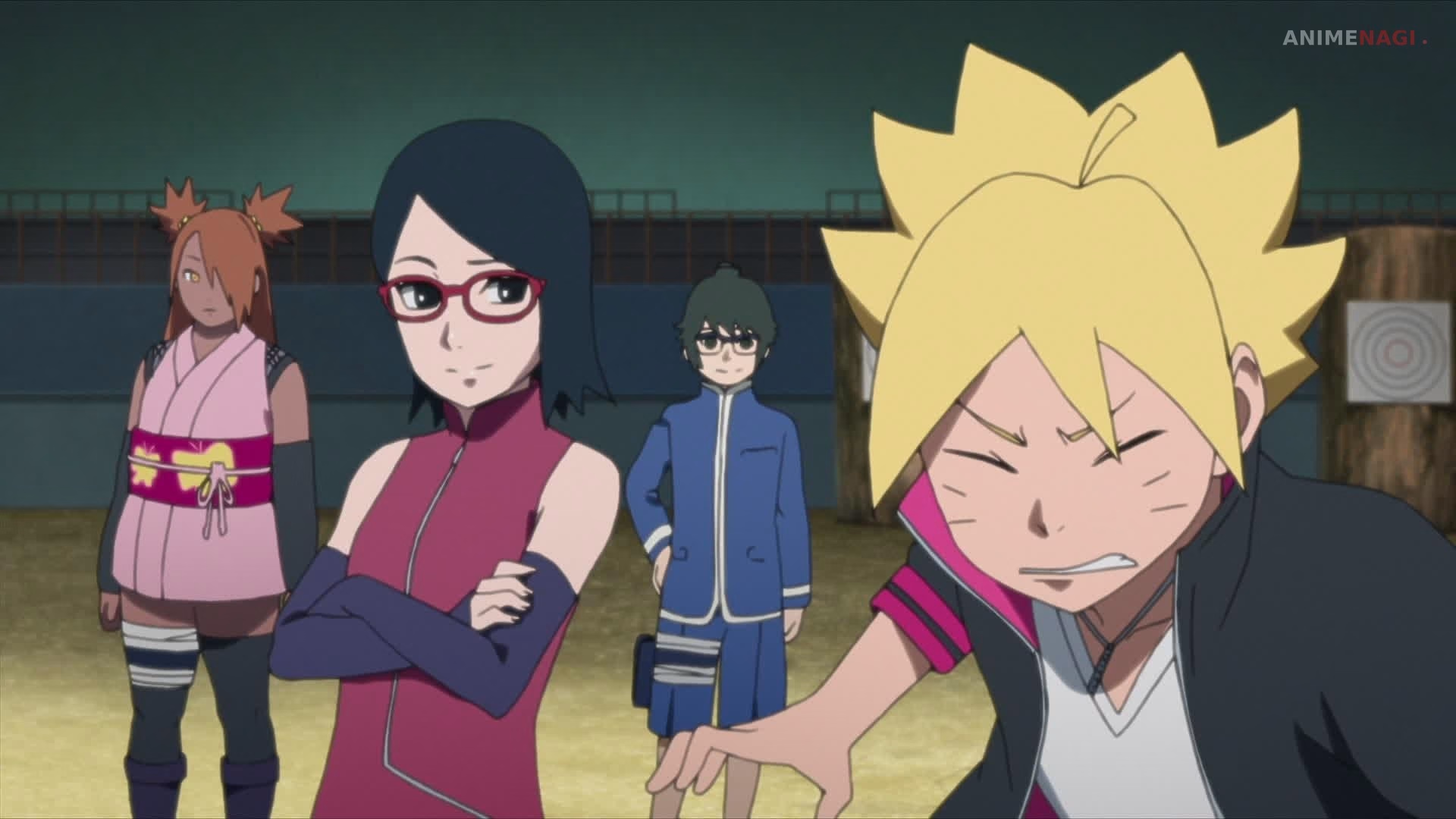
Comparing Boruto to Naruto is unavoidable, but it is also somewhat unfair. Naruto’s story was built on hardship, war, and personal struggle. Boruto, on the other hand, begins in a time of peace.
This fundamental difference affects everything from tone to pacing. Naruto’s journey was about rising from nothing, while Boruto’s is about finding purpose despite having everything.
In terms of emotional impact and consistency, Naruto and Shippuden still come out on top. Their storytelling is tighter, and their character arcs are more memorable.
However, Boruto has the advantage of expanding the world and exploring new ideas. It introduces technology, new power systems, and a broader perspective on the ninja world.
Should You Watch Boruto or Stop After Naruto?
Boruto: Naruto Next Generations is worth watching, but only if you adjust your expectations. It is not a direct continuation of Naruto’s intensity but a slower, more experimental sequel that takes time to find its footing.
If you are looking for consistent high-stakes storytelling, you may find Boruto frustrating. The pacing issues and filler content can make it difficult to stay invested.
However, if you are willing to be patient and focus on the key arcs, Boruto offers moments that genuinely live up to the franchise’s legacy. The introduction of Kawaki and the development of the main plot significantly improve the experience.
The best approach is selective viewing. Skip the unnecessary episodes and focus on the main storylines. This allows you to enjoy the best parts of Boruto without being weighed down by its flaws.
In the end, Boruto is not a must-watch masterpiece like Naruto, but it is far from a failure. It is a flawed yet evolving series that rewards viewers who stick with it long enough to see its potential.