For years, anime fans have debated whether Bleach copied Naruto, especially when it comes to character designs, visual presentation, and certain story elements. Because both series were part of Weekly Shōnen Jump’s legendary “Big Three” era alongside One Piece, comparisons between them became unavoidable. Characters with similar hairstyles, dark rival figures, squad-based organizations, and supernatural powers often led fans to accuse one series of borrowing heavily from the other.
However, the reality behind those similarities is much more complicated than simple copying. Both series were created during the same era, targeted the same demographic, and drew inspiration from many of the same older manga and anime influences. At the same time, creators Tite Kubo and Masashi Kishimoto openly respected each other’s work and developed very different artistic identities over time.
Let’s break down why Bleach and Naruto are constantly compared, where the design similarities actually come from, and whether Bleach truly copied Naruto in any meaningful way.
Why Fans Compare Bleach and Naruto So Often
The biggest reason fans compare Bleach and Naruto is timing. Both manga dominated Weekly Shōnen Jump during the 2000s and became part of the “Big Three” generation that defined modern shonen anime worldwide. Since readers consumed both series simultaneously, direct comparisons naturally became common.
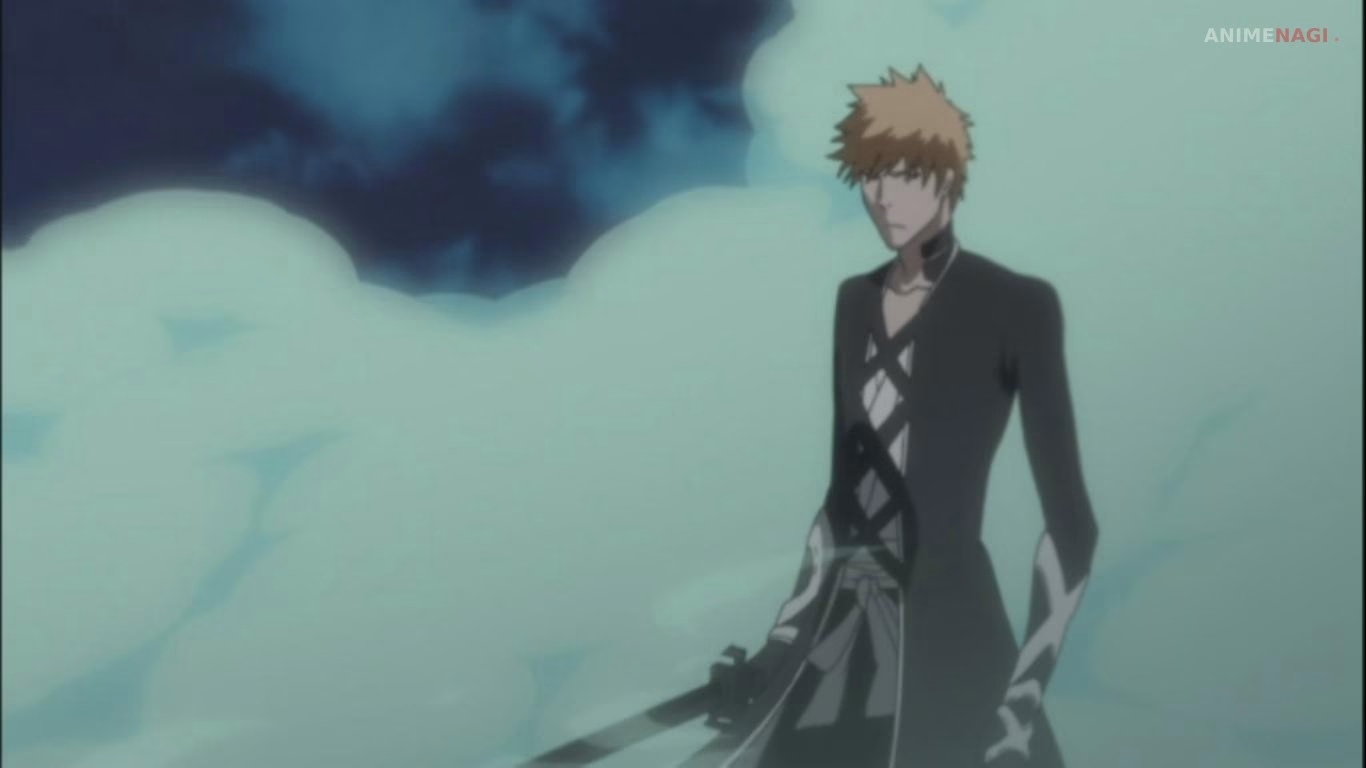
Another major factor is that both stories feature teenage protagonists with supernatural powers who become involved in hidden worlds filled with elite fighters and hierarchical organizations. Ichigo Kurosaki joins the world of Soul Reapers, while Naruto Uzumaki enters the ninja system of shinobi villages. On a surface level, these setups can appear structurally similar to casual viewers.
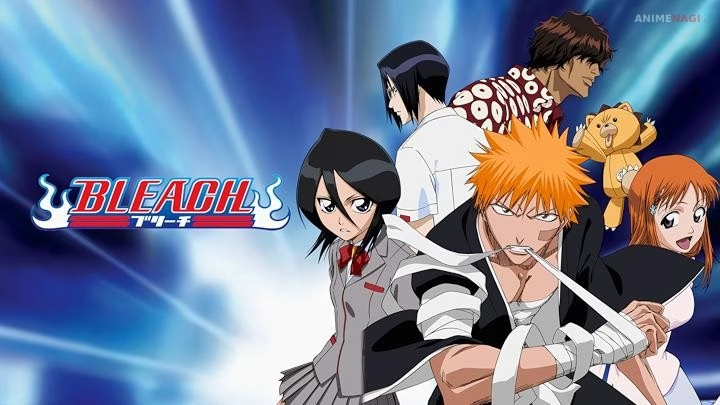
Fans also frequently compare rival characters like Sasuke Uchiha and Uryū Ishida, or organizations such as the Gotei 13 and ninja squads. Because both manga rely heavily on stylish combat, dramatic rivalries, and escalating power systems, similarities become easier to notice even when the execution differs greatly.
The anime adaptations amplified these comparisons further. Studio Pierrot animated both Naruto and Bleach, which occasionally created visual similarities in pacing, direction, and presentation style. This contributed to the perception that the series looked more alike than they actually were narratively. However, similarity alone does not automatically mean plagiarism or direct copying.
Did Tite Kubo Ever Copy Naruto’s Character Designs?
From a design perspective, Tite Kubo and Masashi Kishimoto actually have very distinct artistic styles.
Kubo’s art style is known for sharp facial structures, angular character designs, fashion-heavy aesthetics, and minimalist panel composition. His characters often appear taller, thinner, and more stylized compared to Naruto’s cast. According to discussions surrounding Kubo’s artistic style, Bleach emphasizes dramatic posing, clean layouts, and fashionable character presentation.
Kishimoto, meanwhile, focuses more heavily on dynamic action choreography, detailed movement, and cinematic panel flow. His art school background influenced his understanding of anatomy, perspective, and visual storytelling.
Even when certain characters share broad archetypes, their visual execution differs significantly. Ichigo’s sharp expressions, long silhouette, and urban fashion influence feel completely different from Naruto’s brighter and more cartoon-inspired design approach.
Some fans point to similarities between characters like Byakuya and Itachi or Grimmjow and Sasuke, but these comparisons mostly come from shared anime archetypes rather than direct copying. Stoic rivals, cool antiheroes, and stylish antagonists are common throughout shonen manga generally.
Importantly, neither Kubo nor Kishimoto has ever accused the other of plagiarism publicly. In fact, both creators have repeatedly shown mutual respect over the years.
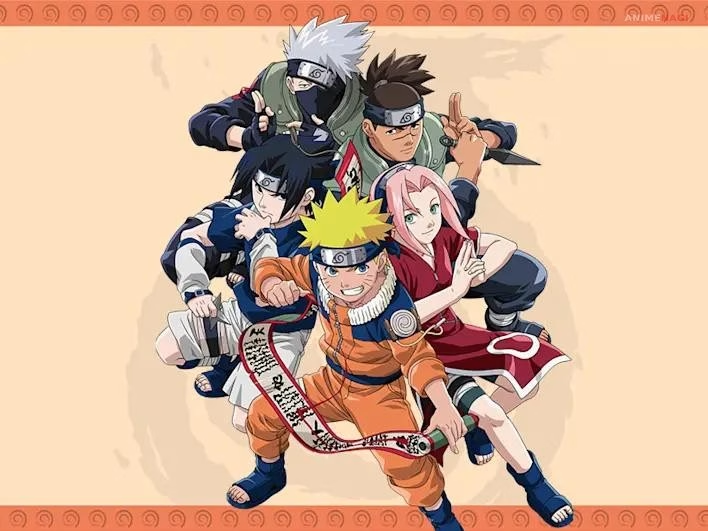
The Shared Influences Behind Both Series
One reason Bleach and Naruto occasionally feel similar is because both creators were influenced by many of the same earlier manga traditions.
Both Tite Kubo and Masashi Kishimoto cite Dragon Ball creator Akira Toriyama as a major inspiration. Kubo specifically stated that Dragon Ball influenced his approach to powerful and intimidating villains, while Kishimoto cited Goku as a major inspiration for Naruto’s energetic personality.
Additionally, both creators grew up during the same generation of manga publishing. Shonen manga during the late 1990s and early 2000s commonly focused on rivalries, tournament structures, power systems, and hierarchical organizations. Many elements fans associate specifically with Naruto or Bleach were actually broader genre conventions already established by earlier works.
Kubo also drew heavily from supernatural folklore, fashion culture, cinema, and series like Saint Seiya. Kishimoto, meanwhile, studied manga artists such as Hiroaki Samura and explored cinematic paneling techniques influenced by anime and film composition.
Because both creators absorbed overlapping industry influences, occasional similarities are inevitable. That does not necessarily mean one series directly copied the other.
This situation is common across creative industries. Works produced within the same era often reflect shared artistic trends, audience expectations, and publishing standards.
Why Some Fans Thought Bleach Copied Naruto
Most accusations that Bleach copied Naruto come from broad narrative parallels rather than exact design duplication.
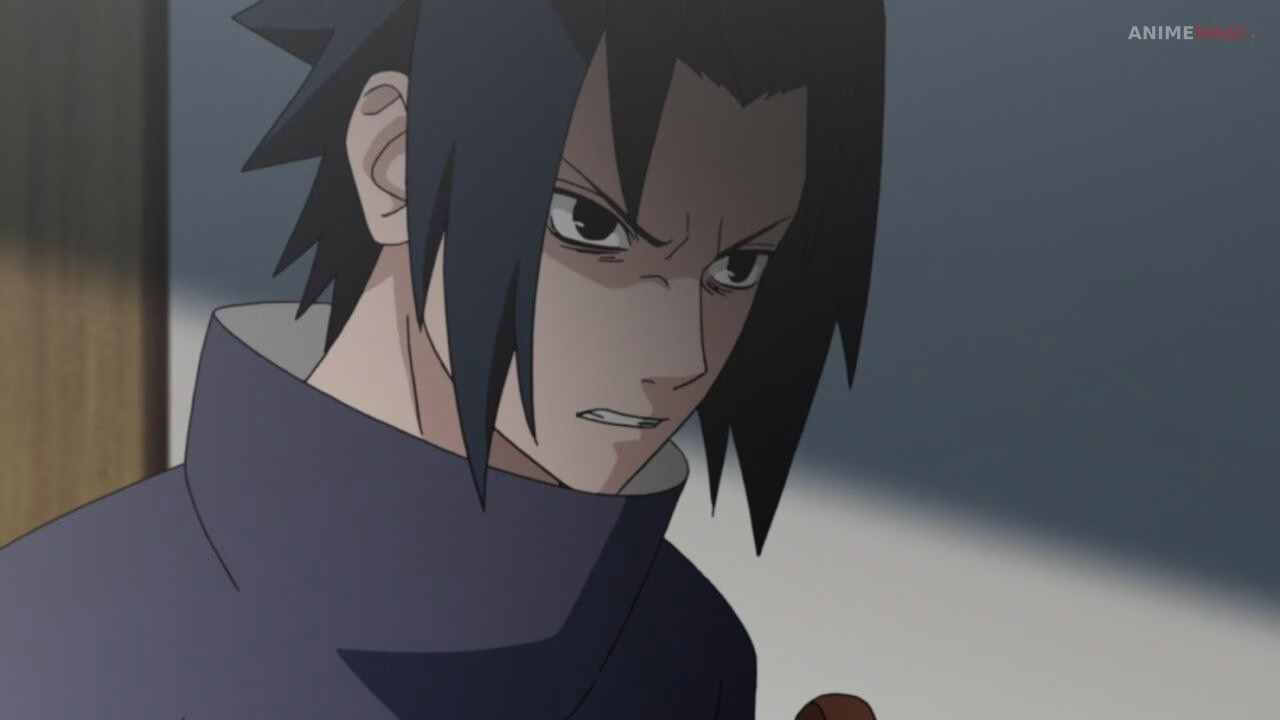
For example, both series feature structured organizations filled with elite fighters divided into squads or ranks. Naruto has ninja villages, Jonin, and specialized teams, while Bleach introduces the Gotei 13 captains and divisions. To some viewers, these systems felt comparable enough to suggest imitation.
Similarly, both stories include darker rival characters, emotionally distant mentors, and escalating battle arcs centered around increasingly powerful enemies. Fans often compared Soul Society to the Chunin Exams or later Bleach villains to Naruto antagonists.
However, these comparisons usually ignore major differences in tone and storytelling focus. Naruto is fundamentally centered around political conflict, inherited hatred, and ninja ideology. Bleach focuses more on identity, death, spiritual balance, and existential loneliness.
Thematically, the two series operate very differently despite occasional structural overlap. Bleach also places much heavier emphasis on visual style and atmosphere than Naruto, which prioritizes emotional progression and strategic combat storytelling.
Many modern online debates also exaggerate similarities because of meme culture and fandom rivalry. During the peak of the “Big Three” era, anime communities constantly compared sales numbers, character popularity, and fight quality between Naruto, Bleach, and One Piece. Those rivalries often intensified claims of copying or imitation.
Bleach Actually Influenced Modern Anime Differently Than Naruto
Another important point often ignored in these debates is that Bleach and Naruto ended up influencing modern anime in very different ways.
Naruto became hugely influential for emotional storytelling, tournament arcs, underdog protagonists, and long-form character development. Many later shonen series borrowed Naruto’s emphasis on emotional backstories, ideological conflicts, and mentor-student dynamics.
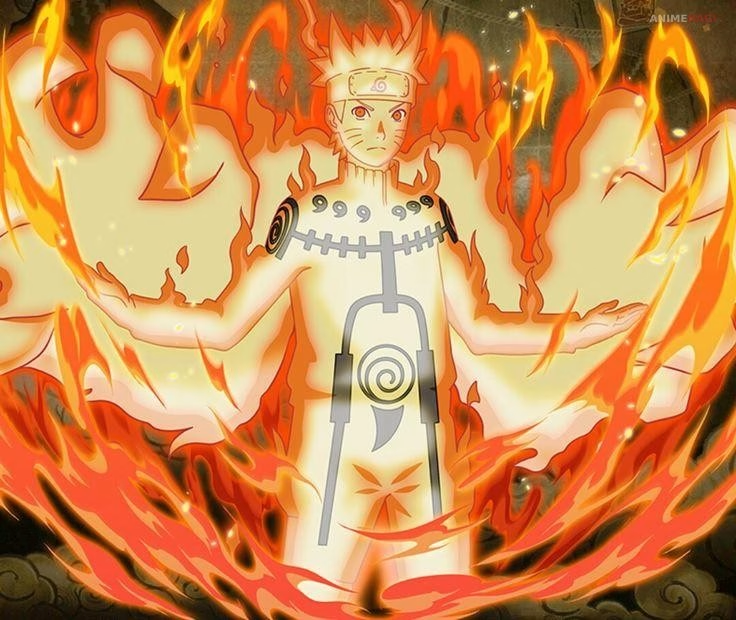
Bleach, meanwhile, had enormous influence on visual aesthetics and character design trends. Modern anime frequently borrow Bleach-inspired fashion elements, sleek combat presentation, sword-based transformations, and stylish character introductions. Many fans and creators specifically praise Kubo’s sense of “cool factor” and visual identity.
Even modern hits like Jujutsu Kaisen and Chainsaw Man are often discussed in relation to Bleach’s influence on modern dark fantasy aesthetics and stylish combat presentation.
Naruto and Bleach, therefore, succeeded in different creative areas rather than competing as direct copies of one another.
The “Big Three” Rivalry Created the Debate
The idea that Bleach copied Naruto is also heavily tied to the fandom culture surrounding the “Big Three.”
During the 2000s, anime fans constantly debated which series had better fights, villains, protagonists, or worldbuilding. Because Naruto and Bleach appealed to similar teenage audiences, comparisons became extremely aggressive online.
These arguments often simplified the series into stereotypes. Naruto was labeled the emotional underdog ninja story, while Bleach became known for stylish fights and cool character designs. Fans sometimes exaggerated similarities to criticize whichever series they liked less.
Ironically, the creators themselves appeared far less hostile than portions of the fandom. Various interviews, illustrations, and crossover art demonstrate that Kubo, Kishimoto, and Eiichiro Oda respected one another professionally.
The rivalry therefore became more of a fan-created competition than an actual conflict between creators.
Modern discussions about “copying” are often influenced more by nostalgia and internet debate culture than by actual evidence of plagiarism.
So, Did Bleach Actually Copy Naruto?
Realistically, there is little evidence that Bleach copied Naruto in any major way.
While both series share broad shonen conventions, their artistic styles, themes, storytelling priorities, and emotional tones differ substantially. Most similarities come from shared genre traditions and the fact that both manga were created during the same era for the same magazine demographic.
Kubo’s work focuses heavily on visual identity, fashion-inspired character design, spiritual symbolism, and atmospheric storytelling. Kishimoto’s work emphasizes emotional progression, political conflict, and cinematic battle choreography. Even when archetypes overlap, the execution remains clearly distinct.
The debate itself says more about the influence of the “Big Three” era than about plagiarism. Naruto and Bleach became defining anime franchises simultaneously, so fans naturally compared them constantly.
Ultimately, Bleach did not copy Naruto. Both series simply evolved from overlapping shonen traditions while developing their own identities, strengths, and lasting impact on anime culture.
Another important factor to consider is how both Bleach and Naruto evolved over time in completely different directions, further weakening the idea of copying. As their stories progressed, Naruto leaned deeper into large-scale war arcs, political alliances, and generational conflict, especially during the Fourth Great Ninja War.
In contrast, Bleach expanded its focus on spiritual hierarchies, soul-based powers, and identity-driven conflicts, particularly in later arcs like the Thousand-Year Blood War. These diverging narrative paths show that even if early similarities existed, both series ultimately built unique long-term identities that stand independently within shonen history.