Few comeback moments in Black Clover hit as hard as Fuegoleon Vermillion’s return during the Royal Knights arc. After suffering a devastating defeat at the hands of the Eye of the Midnight Sun, Fuegoleon disappeared from the battlefield, leaving fans wondering whether one of the Clover Kingdom’s strongest captains would ever return to his former glory. What followed was not just a recovery but a complete transformation of his power.
Fuegoleon’s comeback became legendary because it introduced one of the most powerful magical entities in the series: the Fire Spirit Salamander. Instead of simply regaining his previous strength, Fuegoleon returned with a massive power upgrade that elevated him into an entirely different tier of combat. The moment he reappeared alongside Salamander immediately shifted the balance of power during the Royal Knights selection exam.
More importantly, the comeback symbolized growth, resilience, and worthiness. Fuegoleon did not just receive power randomly. Salamander chose him, reinforcing one of Black Clover’s central ideas that true strength comes from character, not just magic.
Let’s break down how Salamander works, why it chose Fuegoleon, and how this transformation changed his role in Black Clover.
Who Is Fuegoleon Vermillion Before His Comeback?
Before gaining Salamander, Fuegoleon was already one of the most respected Magic Knight captains in the Clover Kingdom. As the leader of the Crimson Lion Kings, he was known for his powerful fire magic, calm leadership, and unwavering sense of justice. According to official character summaries from Black Clover, Fuegoleon consistently stood out as one of the few nobles who genuinely valued merit over status.
His early role in the story positioned him as a mentor-like figure, especially for characters like Asta and Noelle. He believed strongly in the idea that strength should be used to protect others, which made him different from many other nobles in the series.
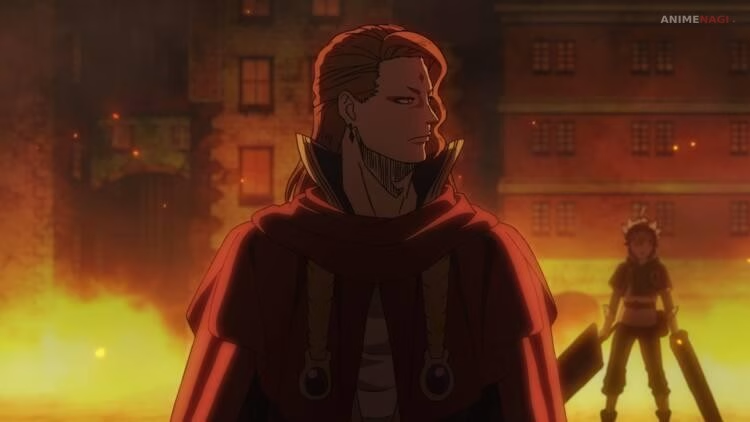
However, his defeat by Patolli changed everything. During that battle, Fuegoleon lost his right arm and was left unconscious for an extended period. According to the Eye of the Midnight Sun arc summaries, this moment temporarily removed one of the kingdom’s strongest fighters from the story.
This loss was critical because it exposed the vulnerability of even the strongest Magic Knights. For Fuegoleon, the defeat was not just physical. It represented a failure to protect his comrades and fulfill his role as a captain. That is what made his eventual comeback so powerful.
Salamander is one of the four Great Spirits in Black Clover, representing the element of fire. These spirits are considered some of the most powerful magical beings in the series, each embodying a fundamental element of nature.
According to lore details and character explanations in Black Clover, the four Great Spirits include Salamander for fire, Sylph for wind, Undine for water, and Gnome for earth. Each spirit chooses a host based on compatibility, magical ability, and personal qualities rather than lineage alone.
Salamander’s power is immense. It can generate large-scale fire attacks, enhance its user’s mana output, and provide overwhelming offensive capabilities. In battle, Salamander often takes the form of a massive fiery creature, capable of destroying entire areas with a single attack.
One of its most defining traits is amplification. When paired with a strong mage, Salamander does not just add power. It multiplies the user’s existing abilities, making already powerful characters even more dangerous.
The spirit also has a degree of independence. While it follows its host, it can act on its own instincts during combat. This creates a dynamic fighting style where both the mage and the spirit operate together. Salamander’s appearance in the Royal Knights arc instantly signaled a major shift in power scaling within the series.
Why Salamander Chose Fuegoleon
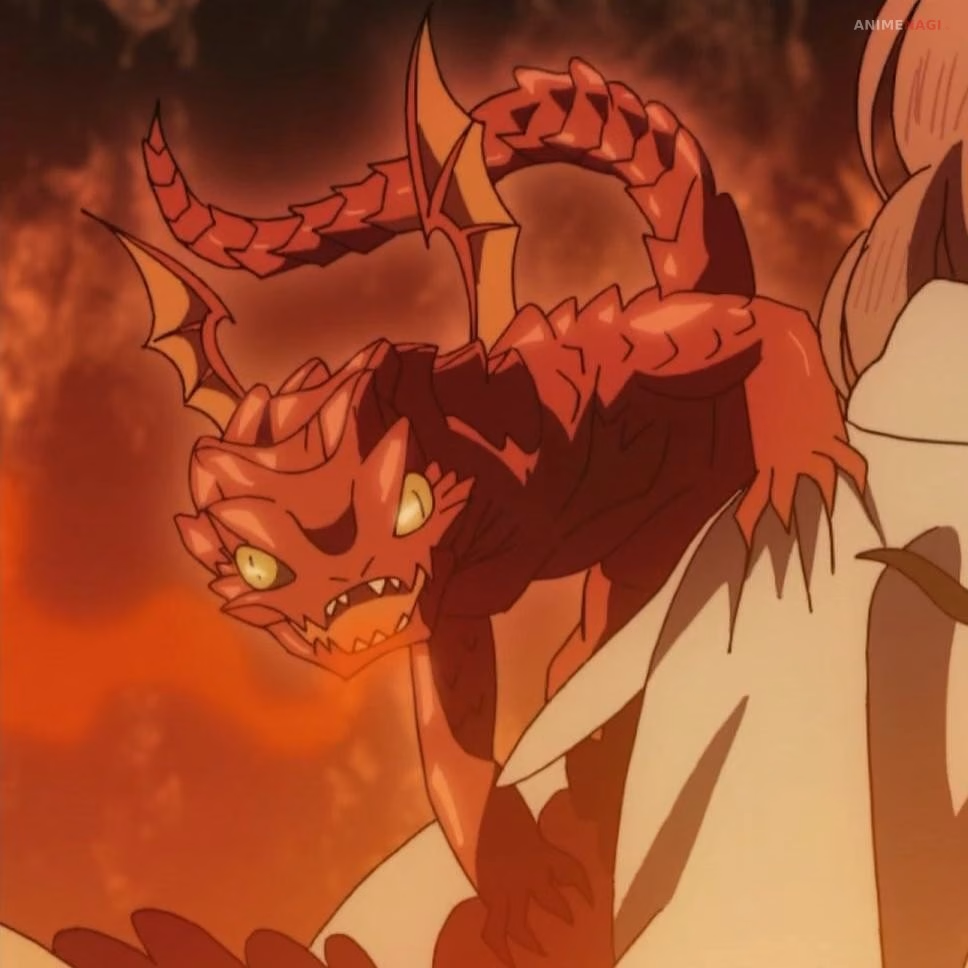
One of the most important aspects of Fuegoleon’s comeback is that Salamander chose him.
In Black Clover, spirits are selective about their hosts. They do not simply bond with the strongest mage available. Instead, they are drawn to individuals who embody qualities aligned with their nature.
Fuegoleon’s personality made him the perfect match for Salamander. His unwavering resolve, strong sense of justice, and natural leadership aligned with the destructive yet controlled nature of fire. Fire in Black Clover is not just about destruction. It also represents passion, determination, and rebirth.
After his defeat, Fuegoleon underwent a form of symbolic rebirth. Losing his arm and being removed from battle forced him into a vulnerable position. When he returned, he was no longer just a powerful captain. He had experienced loss and come back stronger.
According to fan discussions and character interpretations, Salamander likely recognized this transformation. Instead of choosing someone untouched by failure, it chose someone who had overcome it. This decision reinforced one of Black Clover’s core themes: true strength comes from growth through adversity.
How Fuegoleon’s Power Changed After His Comeback
Fuegoleon’s return dramatically increased his combat capabilities. Before Salamander, he was already a high-level fire magic user capable of large-scale attacks and precise control. After bonding with Salamander, his abilities expanded significantly in both scale and intensity.
His mana output increased to a level comparable to the strongest Magic Knights in the series. Salamander allowed him to unleash massive fire attacks that could dominate entire battlefields. The combination of his skill and Salamander’s raw power created a nearly unstoppable offensive force.
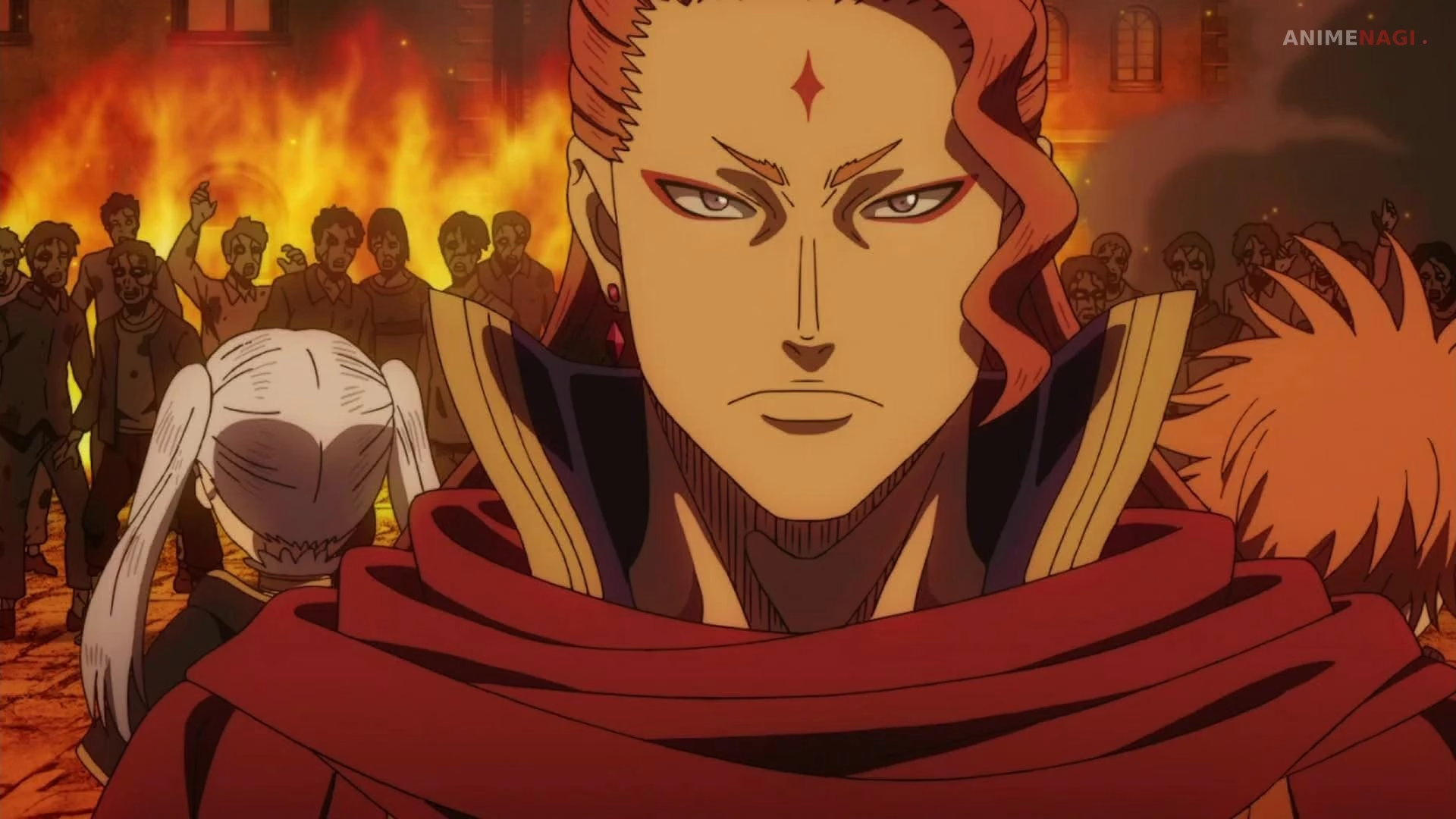
Another important change was versatility. Salamander added a new layer to Fuegoleon’s combat style by acting as both a support and attack unit. While Fuegoleon controlled his own magic, Salamander could independently attack enemies or defend allies.
The comeback also reestablished Fuegoleon as a top-tier captain within the Clover Kingdom. His presence during the Royal Knights exam immediately shifted the tone of the arc because it reminded everyone of his leadership and strength.
More importantly, his return inspired other characters. Seeing Fuegoleon come back stronger after such a severe injury reinforced the series’ theme of perseverance.
Why Fuegoleon’s Comeback Was So Important to Black Clover
Fuegoleon’s comeback mattered because it represented more than just a power upgrade. At a time when the Clover Kingdom was facing major threats from the Eye of the Midnight Sun, losing a captain like Fuegoleon created a noticeable gap in leadership and strength. His return helped stabilize the balance of power within the Magic Knights.
The comeback also reinforced the importance of leadership. Fuegoleon was not just a strong fighter. He was someone other Magic Knights respected and followed. His presence brought confidence back to the battlefield.
Narratively, the moment also served as a turning point for the Royal Knights arc. It raised the stakes by introducing spirit-level power into the conflict while reminding viewers that the strongest characters were still evolving.
Additionally, the contrast between Fuegoleon and his sibling Mereoleona Vermillion added depth to the story. While Mereoleona relied purely on overwhelming strength and instinct, Fuegoleon represented controlled power and strategic leadership. Together, they showcased different paths to strength within the same family.