AnimEigo’s June 9, 2026 Blu-ray release of Hotori: Simply Wishing for Hope (originally titled Hotori: Tada Saiwai wo Koinegau) brings a long-overlooked 2003 OVA to English-speaking audiences for the first time, offering a rare opportunity to experience one of the most emotionally nuanced science fiction anime of its era.
Directed by Takashi Anno and produced by Sunrise, this single-episode OVA runs approximately 30 minutes but packs profound philosophical weight into its compact runtime through its exploration of artificial intelligence, memory manipulation, and the fragile nature of human identity.
The story follows Suzu, an android being implanted with the memories of a deceased boy to replace him in his grieving family, and Hotori, the daughter of the scientist conducting the experiment who is simultaneously losing her own memories to a degenerative condition. This parallel construction creates thematic resonance that elevates what could have been a simple sci-fi premise into a meditation on consciousness, authenticity, and what truly defines personhood when memories can be fabricated or erased.
A Story Built on Emotional Contrasts
The narrative engine driving Hotori derives from the symmetrical crises facing its two protagonists. Suzu represents artificial life gaining consciousness through borrowed experiences, essentially becoming someone he never was through technological sleight of hand. The ethical implications hover over every scene as viewers watch this android develop personality and emotion based on another person’s lived experiences, raising uncomfortable questions about whether he possesses genuine selfhood or merely performs a convincing simulation.
Hotori’s parallel journey travels the opposite direction as her degenerative condition systematically erases the memories that formed her identity. The cruel irony becomes apparent as her father’s scientific project gives artificial memories to a machine while his own daughter loses her authentic experiences to disease. This juxtaposition forces consideration of memory’s role in defining identity beyond simple storage of past events.
Director Takashi Anno demonstrates remarkable restraint in presenting this material, avoiding the temptation to spell out thematic concerns through expository dialogue or heavy-handed symbolism. Instead, the OVA trusts audiences to recognize the philosophical territory through character interactions and emotional responses. Suzu’s confusion about experiences he remembers but never lived and Hotori’s fear as she loses connection to her past speak more powerfully than any theoretical discussion could achieve.
The friendship developing between these characters emerges organically from their shared vulnerability. Neither can offer the other solutions or false comfort, only companionship through uncertain transitions. Their conversations carry weight precisely because they avoid clichéd reassurances, acknowledging the fundamental strangeness and sadness of their respective situations without pretending easy answers exist.
Visual Storytelling and Directorial Choices
Sunrise’s animation from 2003 reflects the studio’s technical capabilities of that era without attempting visual ambition beyond its means. Character designs remain simple and expressive, prioritizing emotional communication over detailed rendering. Backgrounds provide atmosphere through thoughtful composition and lighting rather than elaborate detail, creating a visual environment that feels appropriately contemplative.
Anno’s direction emphasizes stillness and silence, allowing scenes to breathe rather than rushing toward conventional story beats. Extended shots of characters processing emotions or simply existing in space give weight to internal experiences that more kinetic pacing would diminish. This approach may test patience for viewers accustomed to constant narrative momentum, but it serves the material’s meditative nature by creating room for reflection.
The visual palette skews toward muted colors and soft lighting that reinforce the OVA’s gentle melancholy. Nothing about the production screams for attention or attempts to distract from the emotional core through unnecessary flourish. This minimalism functions as strength rather than limitation, demonstrating confidence that the story can sustain interest without visual pyrotechnics.
Facial animation receives particular attention, with subtle shifts in expression conveying emotional nuance crucial to understanding character psychology. Given how much of the narrative depends on internal experience rather than external action, this focus on expressive character work proves essential to the OVA’s success in communicating complex feelings without excessive dialogue.
Thematic Depth and Philosophical Questions
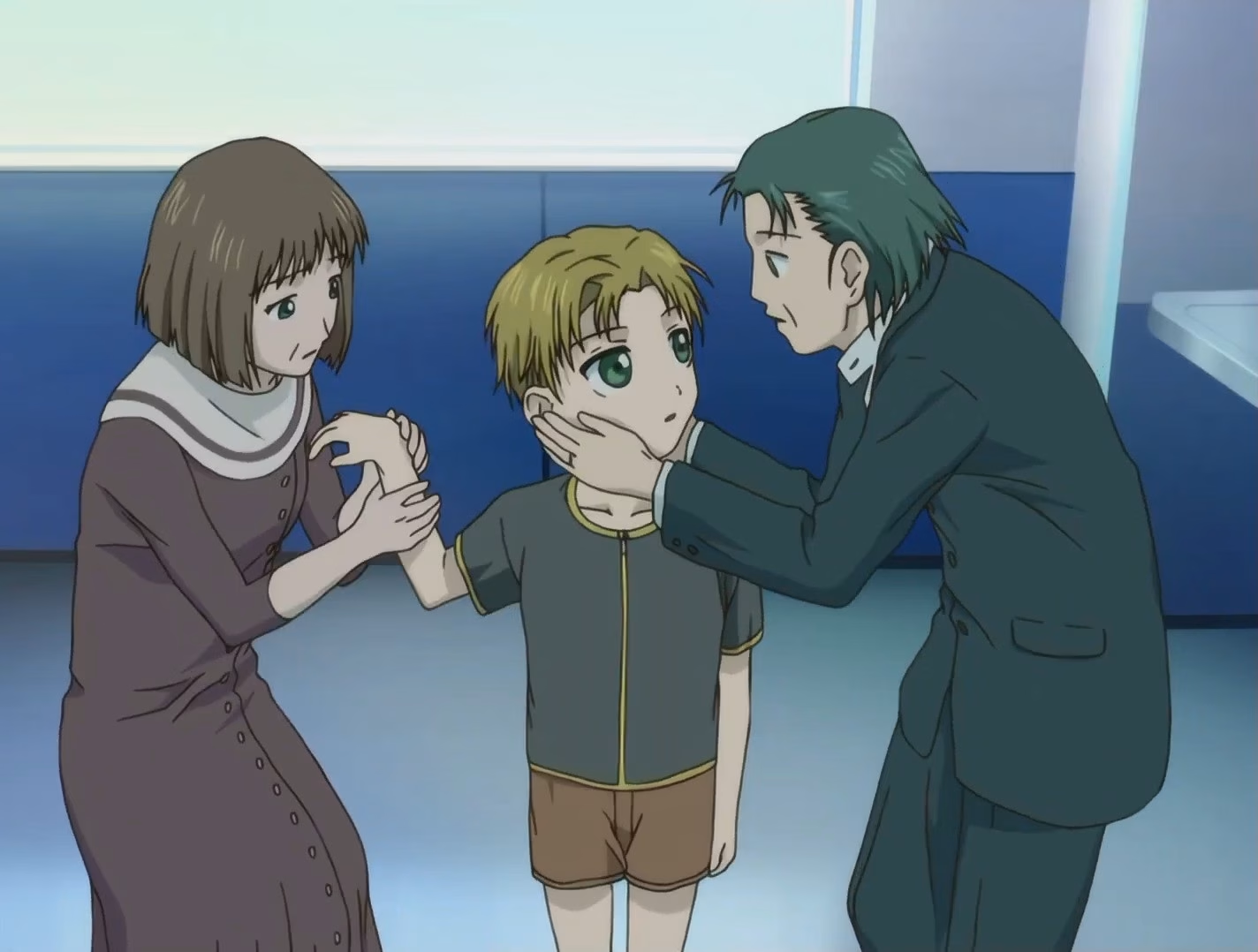
Hotori engages seriously with questions about consciousness and identity that remain philosophically unresolved despite technological advances since 2003. The scenario of an android receiving human memories to become a replacement person touches on debates about whether consciousness emerges from specific biological substrates or could theoretically exist in artificial systems given sufficient complexity.
Suzu’s existence challenges viewers to consider what separates authentic personhood from convincing simulation. He remembers experiences, feels emotions connected to those memories, and develops personality traits consistent with the implanted past. Does the artificial origin of these memories invalidate his consciousness, or does subjective experience itself constitute sufficient proof of genuine selfhood regardless of origin?
Hotori’s memory loss provides the counterpoint, examining identity’s dependence on continuous access to past experiences. As her memories fade, does she become a different person, or does some essential core persist independent of accumulated experiences? The OVA suggests no clear answers, instead presenting the tragedy of watching someone lose connection to their own history while remaining physically present.
The family dynamics add additional ethical complexity, particularly regarding the decision to create an android replacement for their deceased son. The OVA handles this delicate subject matter with appropriate gravity, acknowledging both the parents’ grief and the profound strangeness of manufacturing a substitute child from technological components and borrowed memories.
Contemporary Relevance and Lasting Impact
While produced over two decades ago, Hotori’s thematic concerns feel increasingly urgent as artificial intelligence technology advances toward scenarios once confined to speculative fiction. Current debates about machine consciousness, the ethics of creating artificial minds, and questions about identity in digital contexts all echo issues the OVA explored when such technology remained firmly theoretical.
The memory loss narrative also resonates with contemporary awareness of dementia, Alzheimer’s disease, and other conditions affecting memory and cognition. By approaching this subject through science fiction metaphor, Hotori creates emotional distance that allows examination of identity loss without the documentary weight of addressing real medical conditions directly, yet the emotional truth remains intact.
The Blu-ray Release and Restoration
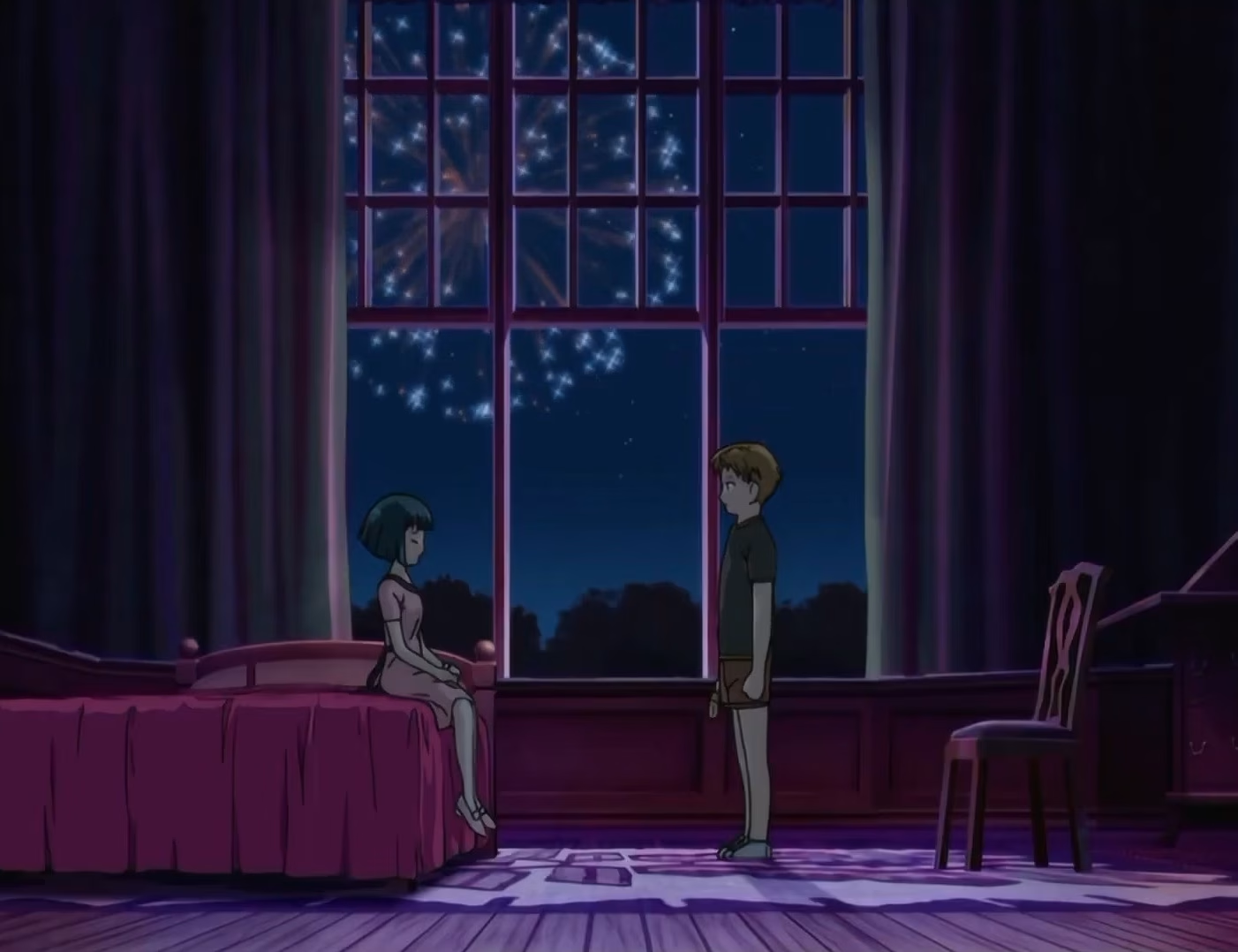
AnimEigo’s treatment provides Hotori with technical upgrades that respect the original aesthetic while improving clarity for modern displays. The HD restoration maintains the intentional softness and muted color palette essential to the OVA’s atmosphere rather than imposing inappropriate sharpness that would compromise artistic intent.
The addition of an English dub represents crucial accessibility for Western audiences experiencing this title for the first time. AnimEigo’s reputation for quality localization suggests the translation conveys the philosophical nuance essential to understanding the narrative without oversimplifying complex ideas or misrepresenting the original Japanese script.
Bonus features included with the release provide valuable context about the production and its place within early 2000s anime, helping contemporary viewers understand the OVA’s original reception and lasting influence on subsequent science fiction anime exploring similar themes.
Strengths and Limitations
Hotori’s greatest strength lies in its emotional authenticity and willingness to engage seriously with complex philosophical questions without providing easy answers. The restrained direction and minimalist aesthetic serve the contemplative material perfectly, creating space for viewers to process ideas rather than being overwhelmed by spectacle.
The primary limitation stems from the 30-minute runtime, which allows only surface exploration of concepts deserving deeper examination. Character development necessarily remains somewhat sketched, with Suzu and Hotori defined more by their circumstances than by fully realized personalities. A longer format could have provided additional depth, though the compact structure also contributes to the work’s focused intensity.
Some viewers may find the pacing too slow or the emotional register too subdued, particularly compared to more dramatic anime addressing similar themes. The OVA makes no concessions to conventional entertainment expectations, requiring patience and willingness to engage with quiet, introspective storytelling that prioritizes atmosphere and emotion over plot mechanics.