In My Hero Academia, the journey to becoming a hero is not defined by power alone but by growth through experience, failure, and responsibility. Class 1-A often takes center stage due to its involvement in major battles, but Class 1-B plays an equally important role in showcasing what disciplined and strategic hero development looks like. Together, both classes represent two distinct but equally valid paths toward becoming professional heroes.
What makes their development compelling is the contrast in how they evolve under pressure. Class 1-A is shaped through repeated exposure to real danger, forcing them to adapt quickly in life-threatening situations. Meanwhile, Class 1-B refines its abilities through structured training, teamwork, and tactical execution. Despite their differences, both groups consistently prove that heroism goes beyond Quirks and combat strength.
Their journeys highlight a central theme of the series, which is that true heroes are defined by their actions when it matters most. Let’s break down how both classes prove themselves and why their development is essential to the story.
Class 1-A: Growth Through Real-World Experience
Class 1-A’s development is heavily influenced by direct encounters with villains and real-world crises. From early in the series, they are pushed into dangerous situations that require immediate action and decision-making. This exposure accelerates their growth, forcing them to develop skills far beyond what typical students would learn in a classroom setting.
The U.S.J. attack serves as their first major test, where they must fight for survival against real villains. Students like Midoriya, Bakugo, and Todoroki demonstrate bravery and quick thinking under pressure. Even those with less combat experience contribute by protecting their teammates and adapting to unexpected challenges.
These experiences create a level of maturity that sets Class 1-A apart from most first-year students. They learn not only how to fight but also how to remain calm and focused in chaotic situations. This combination of skill and emotional resilience becomes a defining trait of their growth.
Class 1-B: Strength Through Strategy and Teamwork
In contrast to Class 1-A, Class 1-B develops its strengths through structured training and coordinated teamwork. Under the guidance of Vlad King, their focus is on maximizing the effectiveness of each member within a group setting. This approach emphasizes planning, communication, and adaptability rather than individual dominance.
Students like Itsuka Kendo and Neito Monoma showcase strong leadership and tactical awareness. They analyze their opponents carefully and execute strategies that take full advantage of their Quirks. This makes Class 1-B highly efficient in controlled battle scenarios and team-based exercises.
Their growth may not come from constant exposure to danger, but it is no less significant. By refining their skills in a disciplined environment, they build a strong foundation that allows them to compete with more experienced fighters. This approach highlights the importance of preparation in becoming a hero.
The U.S.J. Attack: Class 1-A’s First Real Test
The U.S.J. attack is a turning point that proves Class 1-A is capable of acting like real heroes. When villains invade their training facility, the students are forced to respond without relying on teachers or preparation. This moment reveals their potential as well as their limitations.
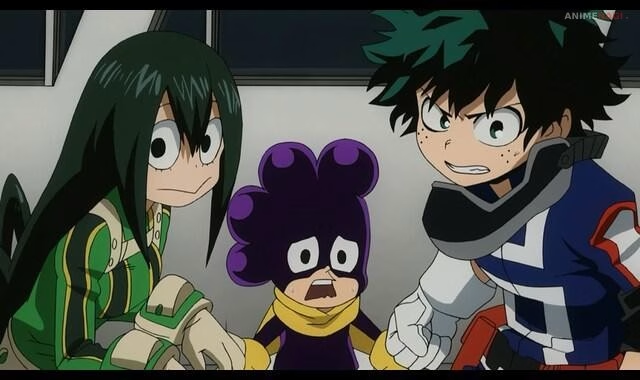
Midoriya’s leadership and quick thinking help organize his classmates in a chaotic situation. Characters like Tsuyu and Kirishima step up despite their fears, showing that courage is not limited to the strongest individuals. Their willingness to protect each other becomes the foundation of their hero identity.
At the same time, the attack exposes their lack of experience and the dangers of real combat. Many students struggle to keep up, reinforcing the need for further training. This balance between success and failure makes their growth feel realistic and earned.
The Sports Festival: Showcasing Individual Potential
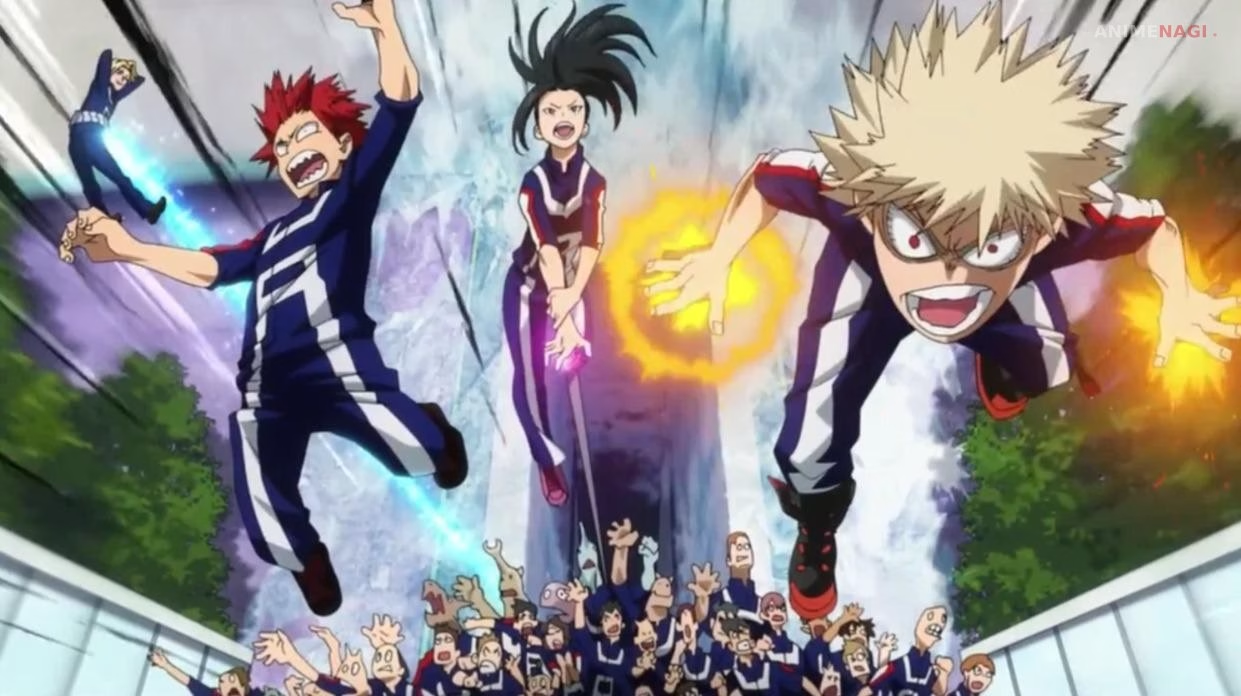
The U.A. Sports Festival allows both Class 1-A and 1-B to demonstrate their individual strengths in a competitive setting. Unlike life-threatening battles, this event focuses on skill, creativity, and determination. It provides a platform for students to gain recognition from professional heroes.
Class 1-A stands out with strong performances from Todoroki, Bakugo, and Midoriya. Each character faces personal challenges that shape their development, making their victories more meaningful. Their performances also highlight the diversity of Quirks and fighting styles within the class.
Class 1-B also proves its capability during the festival, even with less screen time. Several students show impressive control and strategy, earning respect from both peers and professionals. This event reinforces that both classes are filled with future heroes who have the potential to succeed.
Internships and Work Studies: Stepping Into the Real World
Internships serve as a crucial bridge between training and professional hero work. Both classes gain valuable experience by working under established heroes and observing real missions. This exposure helps them understand the responsibilities that come with being a hero.
Class 1-A benefits greatly from these opportunities, as students train under top-tier professionals. Midoriya learns control and discipline, while others develop specialized skills suited to their Quirks. These experiences prepare them for the challenges they will face in future conflicts.
Class 1-B also participates in internships, even if their development is shown less frequently. Their improved performance in later arcs reflects the growth they achieved during this period. These experiences ensure that both classes continue progressing toward becoming reliable heroes.
The Joint Training Arc: A True Comparison
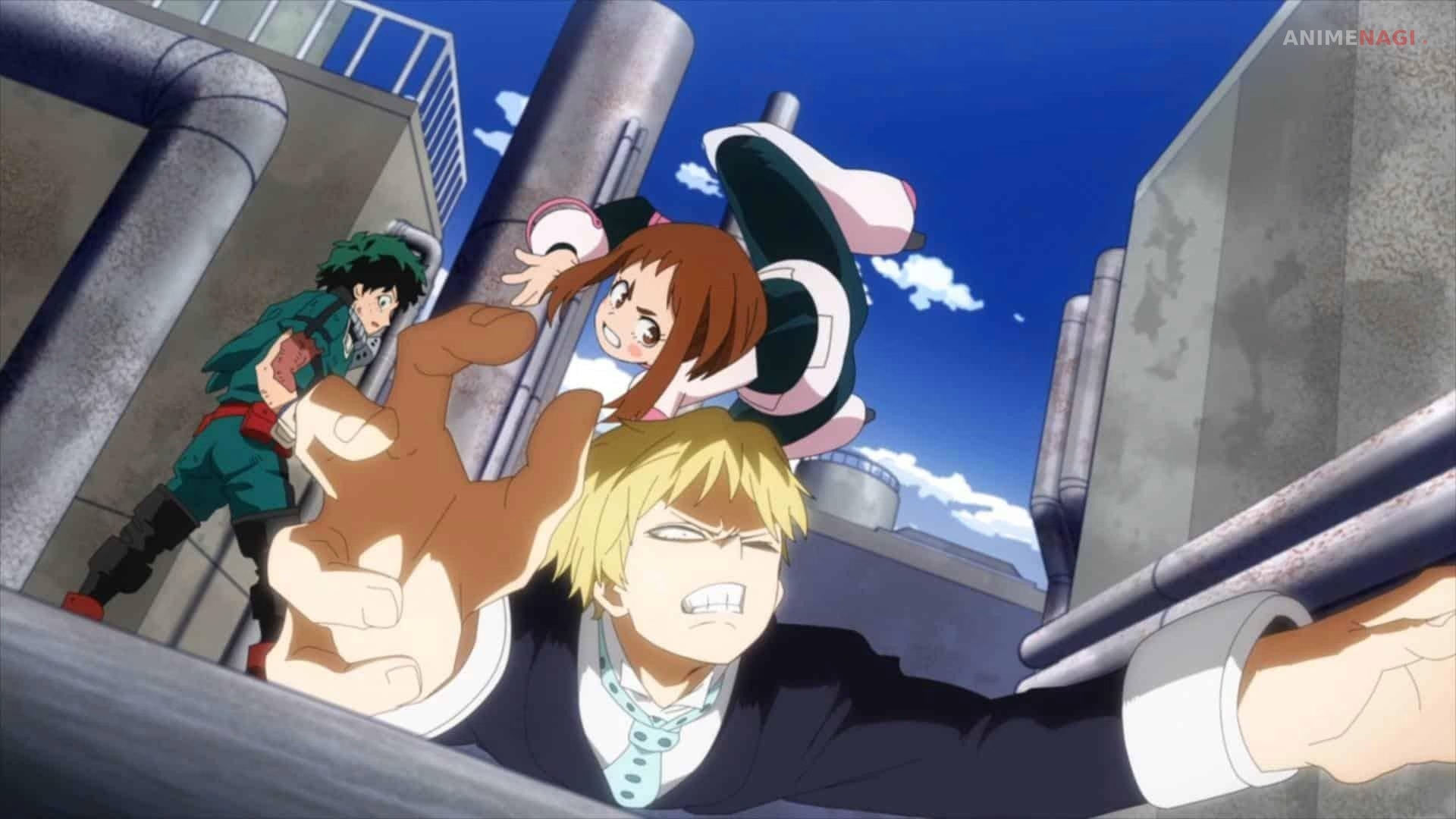
The Joint Training Arc provides the clearest comparison between Class 1-A and 1-B. In this arc, both classes compete in team-based battles designed to test their abilities and coordination. The matches highlight their strengths while exposing areas that need improvement.
Class 1-B excels in strategy and teamwork, using coordinated attacks to challenge their opponents. Their ability to work together efficiently allows them to hold their own against more experienced fighters. This proves that preparation and planning can rival raw combat experience.
Class 1-A, on the other hand, shows adaptability and resilience. Their experience with real danger allows them to adjust quickly during battles and respond to unexpected situations. The arc ultimately demonstrates that both classes are equally capable, each excelling in different areas.
The Paranormal Liberation War: Becoming Real Heroes
The Paranormal Liberation War arc marks the moment when both classes transition from students to active participants in hero society. They are no longer observers but contributors to large-scale operations against powerful villains. This shift represents a major step in their development.
Class 1-A plays a significant role in critical battles, with key students directly influencing the outcome. Their actions show how much they have grown since their early training days. They demonstrate not only strength but also the ability to make difficult decisions under pressure.
Class 1-B also contributes to the operation, proving that they are trusted in high-stakes situations. Their involvement reinforces the idea that both classes are essential to the hero system. This arc solidifies their status as future heroes ready to take on real responsibility.
Different Paths, Same Goal
The key difference between Class 1-A and 1-B lies in how they develop their skills and mindset. Class 1-A grows through direct exposure to danger, which builds resilience and quick decision-making abilities. This path is intense but prepares them for real-world hero work.
Class 1-B focuses on structured training and teamwork, creating a balanced and disciplined group. Their strength lies in coordination and strategy, which makes them effective in organized operations. This approach ensures they are well-prepared for complex situations.
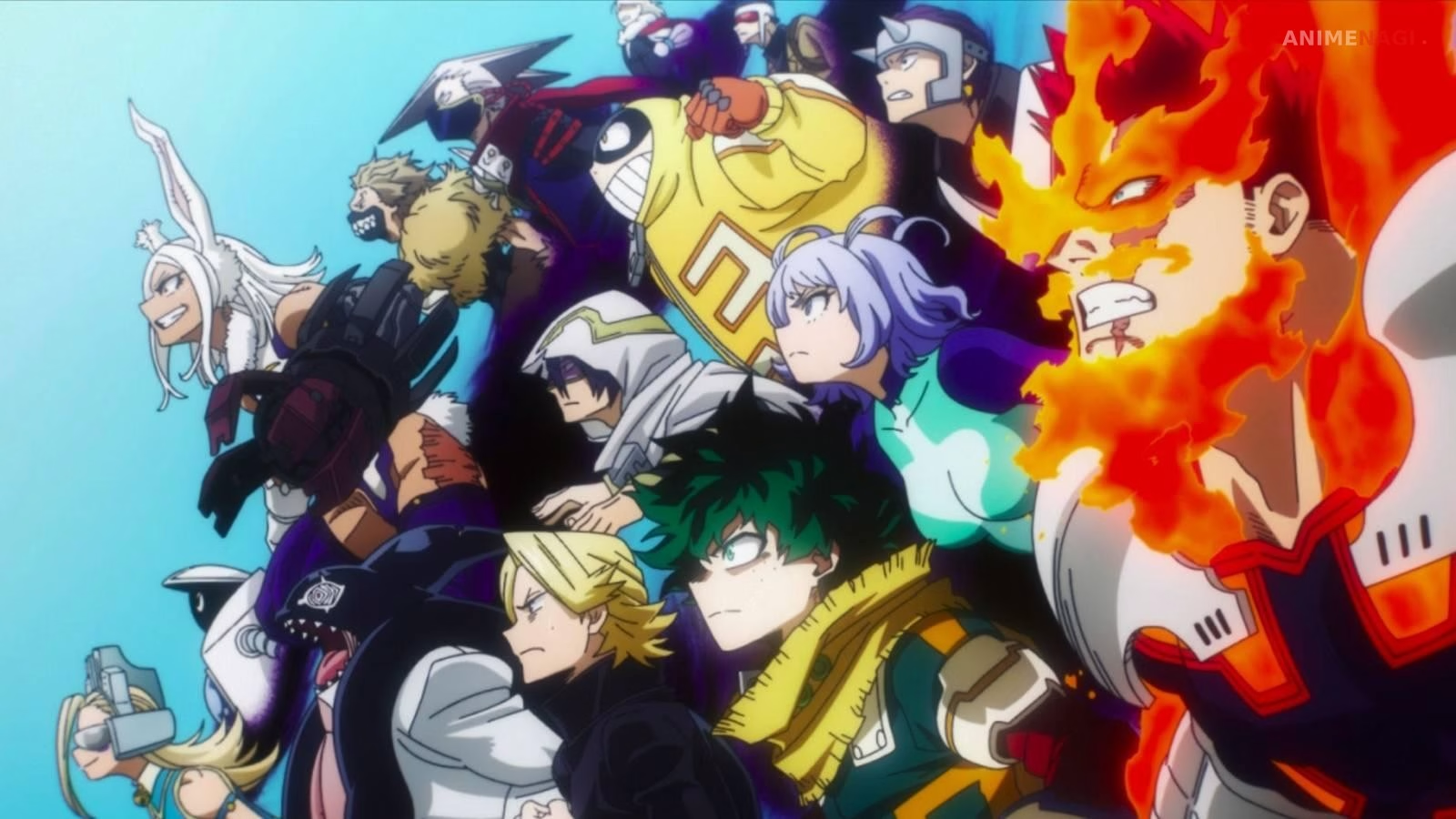
Neither path is inherently better than the other, as both contribute to different aspects of heroism. Together, they represent a complete picture of what it takes to become a professional hero. Their combined strengths highlight the diversity within Hero Society.
What Truly Defines a Hero in Both Classes
Both Class 1-A and 1-B prove that heroism is not defined by power alone. Their actions consistently show courage, empathy, and a willingness to protect others. These qualities are what set them apart as true heroes in training. They also demonstrate the importance of growth through failure and persistence. Each setback becomes an opportunity to improve and learn from mistakes. This mindset allows them to continue evolving despite the challenges they face.
Their journeys reflect the core message of My Hero Academia, which is that heroism comes from the heart as much as it does from ability. By supporting each other and striving to improve, both classes embody this ideal.
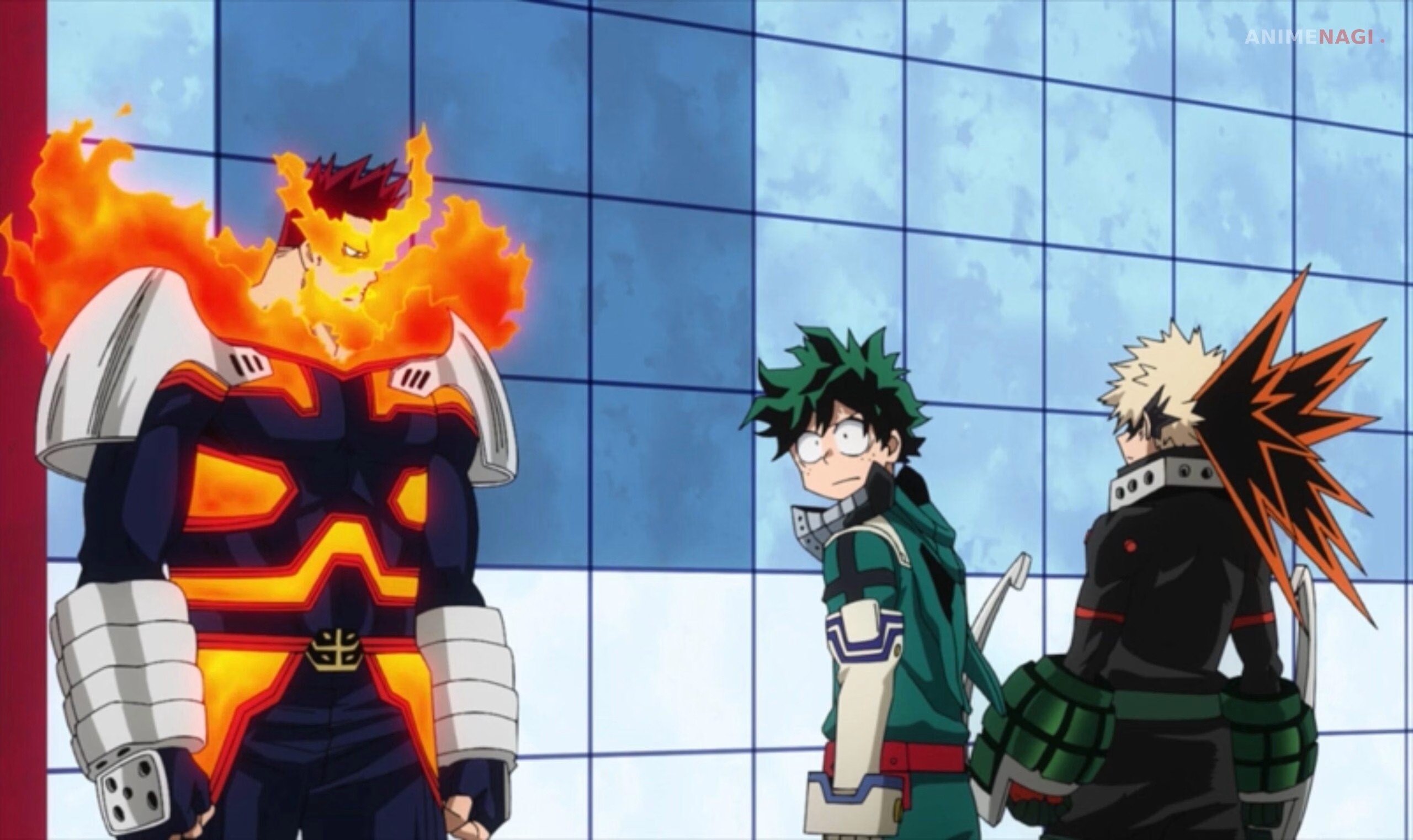
Class 1-A and 1-B take different paths, but both ultimately prove themselves as heroes through their actions and growth. Class 1-A’s experiences with real danger shape them into battle-ready individuals, while Class 1-B’s disciplined approach builds strong teamwork and strategy. Together, they represent two sides of the same goal.
Their development shows that heroism is not limited to a single method or personality type. Whether through instinctive action or careful planning, both classes demonstrate what it means to protect others. This balance is what makes their journey so compelling.
As the series progresses, both classes continue to grow and evolve into capable heroes. Their combined efforts highlight the importance of unity and diversity within hero society. In the end, they prove that there is more than one way to become a true hero.