Lady Nagant’s confrontation with Izuku Midoriya, better known as Deku, is one of the most important character-driven moments in My Hero Academia. Unlike many of Deku’s previous battles, this encounter is not simply about defeating a powerful villain. Instead, it forces him to question the ideals of hero society that he has admired since childhood. As a former Pro Hero who once worked directly for the Hero Public Safety Commission, Lady Nagant possesses firsthand knowledge of the system’s hidden corruption.
During their battle, she reveals that the world of heroes is far more complicated than the public believes. Behind the image of justice lies a history of political manipulation, secret assassinations, and sacrifices made to preserve society’s faith in heroes. While Deku refuses to abandon his ideals, Lady Nagant’s story permanently changes how he views the profession he hopes to protect.
So, how does Lady Nagant influence Deku’s perspective, and why is their battle so significant? Here’s a complete explanation.
Who Is Lady Nagant?
Lady Nagant was once one of Japan’s most respected Pro Heroes and an elite agent working under the Hero Public Safety Commission. Possessing the powerful Rifle Quirk, she specialized in long-range combat and precision marksmanship, making her one of the Commission’s most valuable operatives.
However, her public reputation hid a darker reality. Rather than simply capturing criminals, Nagant was secretly ordered to eliminate individuals who threatened the image and stability of hero society. Over time, these covert missions caused her to lose faith in the organization she served.
Eventually, Nagant turned against the Commission after killing its president, leading to her imprisonment in Tartarus. Following the prison break orchestrated by All For One, she accepted his offer to hunt Deku in exchange for the possibility of creating a different future.
Lady Nagant’s greatest impact comes from exposing the hidden side of hero society. While ordinary citizens view heroes as symbols of justice, Nagant explains that the Hero Public Safety Commission often relied on morally questionable methods to maintain public order.
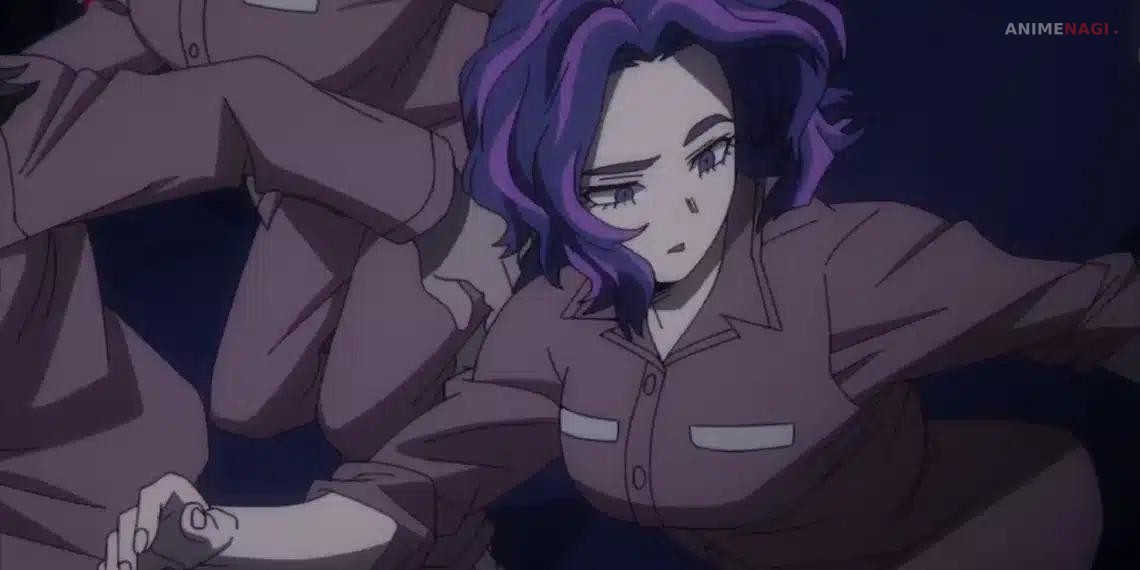
These secret operations included eliminating dangerous individuals before they could become larger threats and covering up incidents that could damage public trust. The Commission believed these actions were necessary to preserve peace, even if they contradicted the ideals heroes publicly represented.
This revelation challenges Deku’s idealistic worldview. For the first time, he is forced to confront the reality that the system itself is imperfect, even if many heroes genuinely strive to protect others.
Unlike villains motivated by revenge or destruction, Lady Nagant attacks Deku’s ideals directly. She argues that hero society is built upon sacrifices hidden from the public and questions whether true justice can exist within such a flawed system.
Her criticism is particularly effective because it comes from personal experience. She once believed in the same ideals that inspire Deku, making her disillusionment far more convincing than simple cynicism.
Instead of dismissing her claims, Deku listens carefully throughout their confrontation. He recognizes that her suffering is genuine, even if he disagrees with the conclusions she has reached.
This willingness to understand his opponent demonstrates Deku’s growth as both a hero and a person.
Rather than rejecting hero society entirely, Deku chooses a different path. He accepts that the system contains serious flaws but believes those flaws should be corrected rather than abandoned.
Deku tells Lady Nagant that heroes can build a better future by learning from past mistakes instead of repeating them. His response reflects one of the series’ central themes: true heroes acknowledge imperfections while continuing to protect others.
This outlook distinguishes Deku from previous generations. Instead of blindly idolizing hero society, he develops a more balanced understanding of its strengths and weaknesses.
His conversation with Nagant marks an important step in his emotional maturity.
The Role of All For One
All For One deliberately targets Lady Nagant because of her dissatisfaction with hero society. He exploits her trauma and resentment, convincing her that the current system is beyond redemption.
However, his manipulation also demonstrates the difference between criticism and exploitation. While Nagant exposes genuine problems, All For One seeks only to use those problems to spread chaos and strengthen his own influence.
This contrast helps Deku recognize that acknowledging society’s flaws does not mean supporting its destruction. Instead, meaningful change requires protecting people while confronting injustice.
The battle therefore, becomes ideological as much as physical.