Tokyo Revengers has become one of the most popular modern manga series, blending time travel, gang conflicts, and emotional storytelling. For new readers, figuring out how to read the manga in the correct order can be confusing, especially with multiple arcs, timeline shifts, and anime adaptations. Fortunately, the series follows a straightforward structure once you understand its progression.
Written and illustrated by Ken Wakui, Tokyo Revengers ran from 2017 to 2022 and consists of 278 chapters collected into 31 volumes. The story follows Takemichi Hanagaki as he travels back in time to save his friends and change a tragic future. Unlike some manga with spin-offs or alternate timelines, Tokyo Revengers is best read in its original chronological release order. This guide breaks down the correct reading order, major arcs, and the best starting points for beginners.
The Correct Reading Order for Tokyo Revengers
The best way to read Tokyo Revengers is in its original release order, starting from Chapter 1 and continuing sequentially. The story is designed to unfold gradually, with each arc building on previous events and character development. Skipping chapters or trying to rearrange the order can lead to confusion, especially because of the time-travel elements.
The manga begins with Takemichi discovering his ability to travel back 12 years into the past. From there, each arc focuses on a specific conflict involving the Tokyo Manji Gang and its rivals. Reading in order ensures that you fully understand the motivations behind each character’s actions.
Since there are no alternate timelines presented as separate storylines, everything is interconnected. This makes the reading experience more cohesive and easier to follow compared to other long-running series.
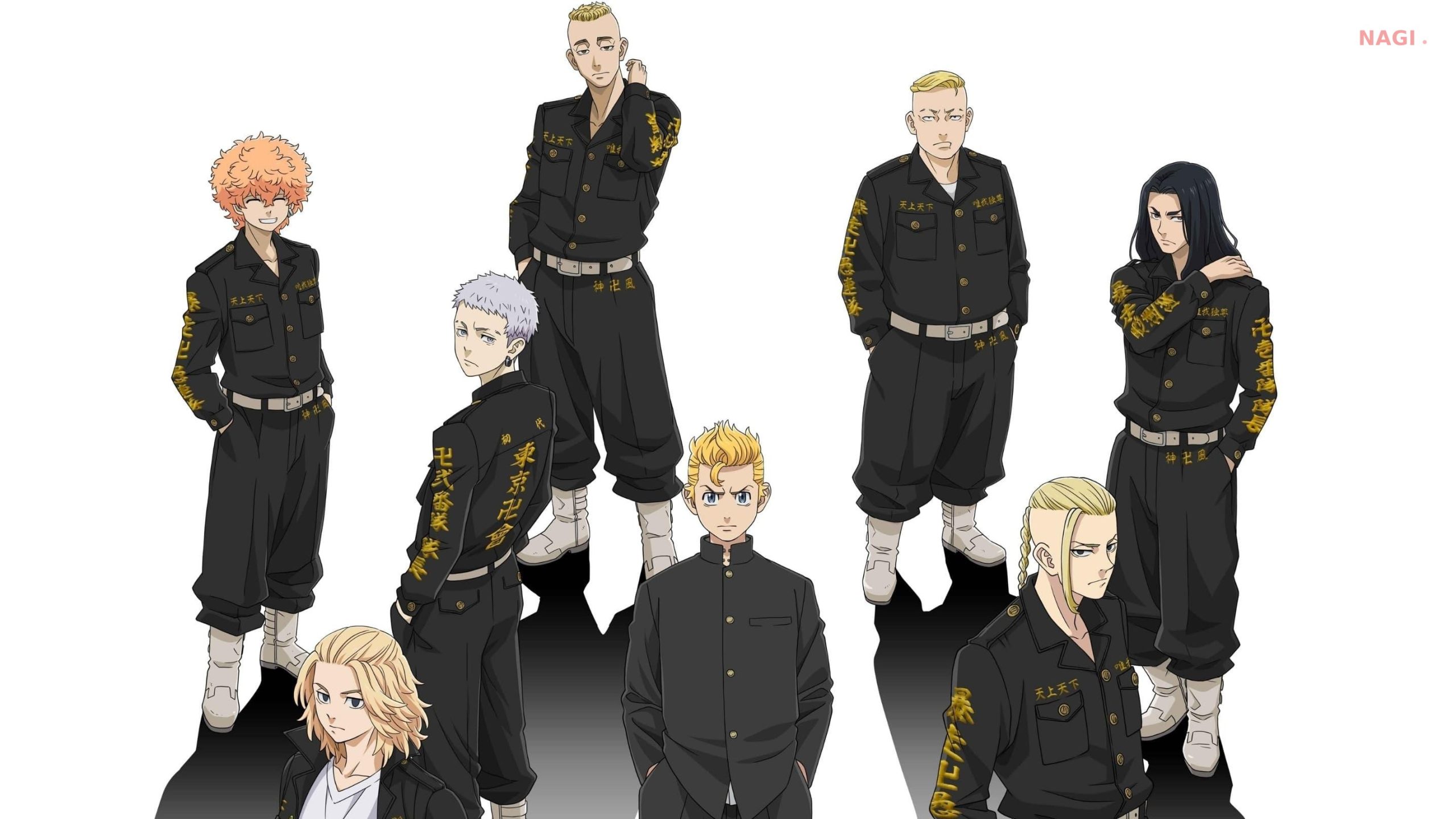
Major Arcs in Tokyo Revengers (In Order)
Tokyo Revengers is divided into several major arcs that define the progression of the story. The first arc introduces Takemichi’s mission and the tragic future he is trying to prevent. It establishes key characters like Mikey, Draken, and Hinata.
The Moebius Arc follows, focusing on gang conflicts and the early development of the Tokyo Manji Gang. This arc sets the tone for the series, combining action with emotional stakes. It also introduces the consequences of Takemichi’s actions in the timeline.
The Valhalla Arc is one of the most important parts of the story. It explores deeper conflicts within Toman and introduces major antagonists. Following this, the Black Dragon Arc, which is adapted in Season 2 of the anime, adds more complexity and emotional depth.
Later arcs, including Tenjiku and the Final Arc, significantly raise the stakes. These arcs look into darker themes and bring the story toward its conclusion. Reading them in order ensures a complete understanding of the narrative.
Where to Start After the Anime
For fans who have watched the anime, continuing the manga from the correct chapter is important. Season 1 of Tokyo Revengers covers up to around Chapter 73, ending with the Valhalla Arc. Season 2 continues into the Black Dragon Arc, covering events beyond that point.
If you want to continue after Season 2, starting from around Chapter 121 is recommended. This ensures you pick up the story without missing key details. However, some fans prefer starting slightly earlier to revisit important moments.
Reading from the beginning is also a good option. The manga includes small details and character insights that the anime may skip or simplify.
When reading Tokyo Revengers, it is important to pay attention to character relationships and timeline changes. The story frequently shifts between past and present, which can be confusing if you are not following closely. Keeping track of events helps you understand how each action affects the future.
Another useful tip is to focus on character development rather than just the fights. The emotional growth of characters like Takemichi, Mikey, and Draken is central to the story. This makes the reading experience more engaging.
Finally, take your time with each arc. Tokyo Revengers is not just about action but also about consequences and personal struggles. Reading at a steady pace allows you to fully appreciate the story.