Kagurabachi has quickly become one of the most talked-about modern shonen manga despite debuting only recently in Weekly Shōnen Jump. What began as an internet meme around its first chapter eventually transformed into genuine hype as readers realized the series had strong action choreography, stylish artwork, and surprisingly confident storytelling. As its popularity continued to rise, many fans started calling it the “successor” to Jujutsu Kaisen.
That comparison became even more common after Jujutsu Kaisen approached its conclusion and Weekly Shōnen Jump began searching for the next major battle shonen capable of carrying the magazine into a new era. Since both series feature dark supernatural combat, morally gray violence, and cinematic fight scenes, the parallels seemed obvious to many readers. However, others argue that Kagurabachi is fundamentally different despite surface-level similarities.
Let’s break down why Kagurabachi is constantly compared to Jujutsu Kaisen, where the similarities come from, and whether it can realistically become the next defining shonen hit for Weekly Shōnen Jump.
Why Kagurabachi Is Being Compared to Jujutsu Kaisen
The comparison between Kagurabachi and Jujutsu Kaisen mostly comes from tone, presentation, and audience positioning within modern shonen manga.
Both series lean heavily into darker storytelling compared to more traditional optimistic battle shonen. Kagurabachi follows Chihiro Rokuhira, a young swordsman seeking revenge after his father is murdered and dangerous sorcerers steal enchanted blades. The manga combines brutal sword combat, supernatural powers, organized crime, and emotionally driven violence in a way that immediately reminded many readers of Jujutsu Kaisen’s cursed spirit battles and darker atmosphere.
Another major reason for the comparison is visual style. Kagurabachi uses dramatic paneling, cinematic action framing, and intense close-up expressions similar to the style that helped make Jujutsu Kaisen popular. Fans often point to the fluid fight choreography and heavy contrast artwork as elements that feel spiritually connected to Gege Akutami’s storytelling style.
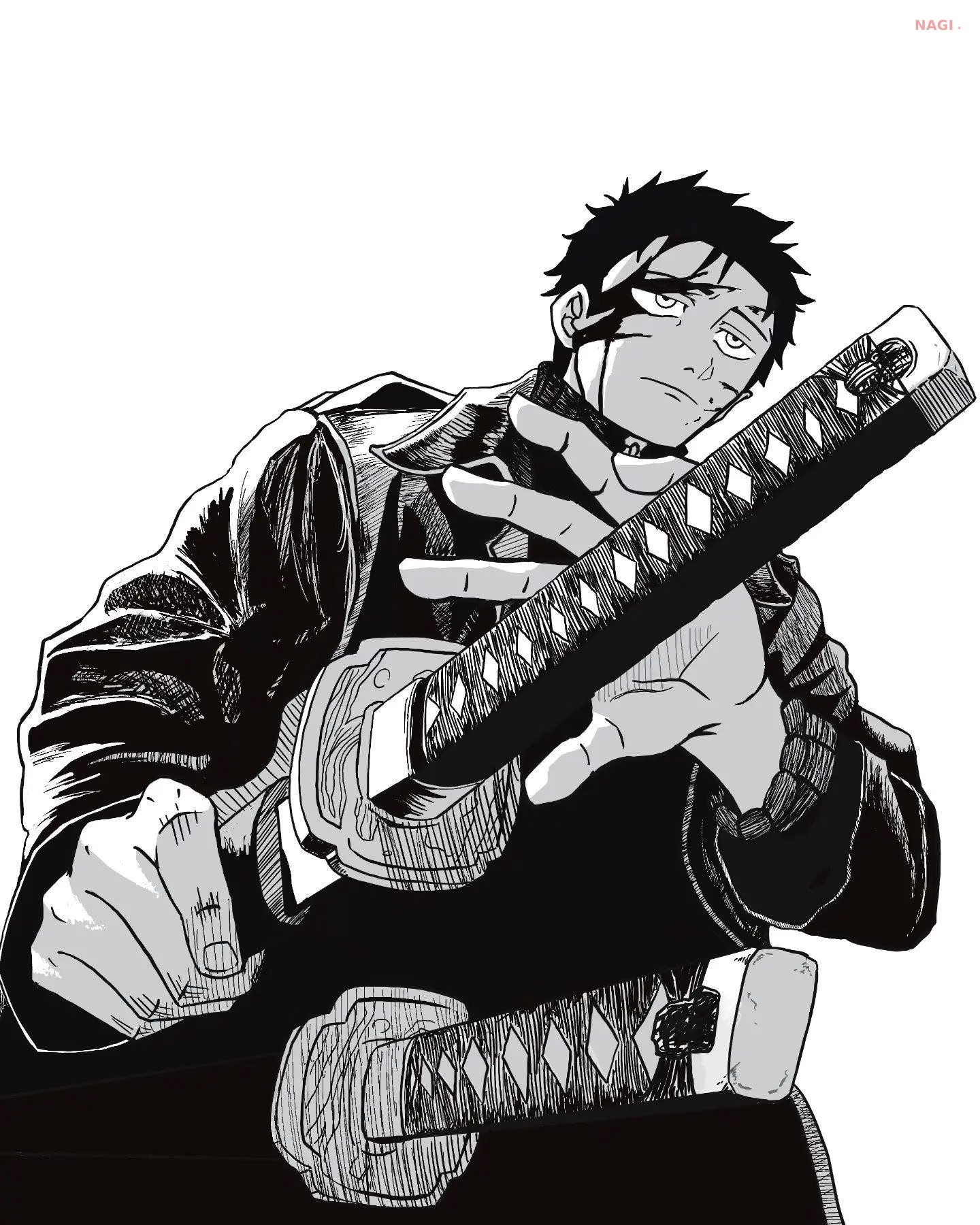
The timing also matters significantly. As Jujutsu Kaisen moved toward its ending, readers naturally began looking for the next major dark fantasy action manga within Shonen Jump. Kagurabachi arrived during that exact transition period, which amplified discussions about whether it could fill the same cultural position.
At the same time, the internet itself helped fuel the narrative. Early memes jokingly labeled Kagurabachi as “the next big thing” before the manga had even established itself properly. Ironically, those memes eventually increased curiosity around the series, helping it gain genuine momentum among manga readers.
Kagurabachi’s Rise in Weekly Shonen Jump
One reason the successor discussion became serious is that Kagurabachi’s popularity growth has been unusually strong for such a new series.
According to circulation and popularity data, Kagurabachi rapidly climbed Manga Plus rankings shortly after launch, surpassing several established titles in reader engagement. Its first chapter became one of the platform’s most viewed debuts during its opening week.
The manga also continued gaining recognition through industry awards and recommendations from major creators. Reports noted that creators such as Masashi Kishimoto* and Kohei Horikoshi* publicly recommended the series, which significantly boosted credibility among manga readers.
Commercially, Kagurabachi has shown strong momentum despite lacking an anime adaptation so far. Several reports highlighted that the manga became a sales success relatively early in its serialization compared to many modern Jump titles.
That success matters because Weekly Shōnen Jump is currently entering a transition period. With long-running hits like My Hero Academia and Jujutsu Kaisen ending or nearing conclusion, newer titles are under pressure to become the next generation of flagship series. Kagurabachi’s rapid rise naturally positioned it at the center of those discussions.
Similarities Between Kagurabachi and Jujutsu Kaisen
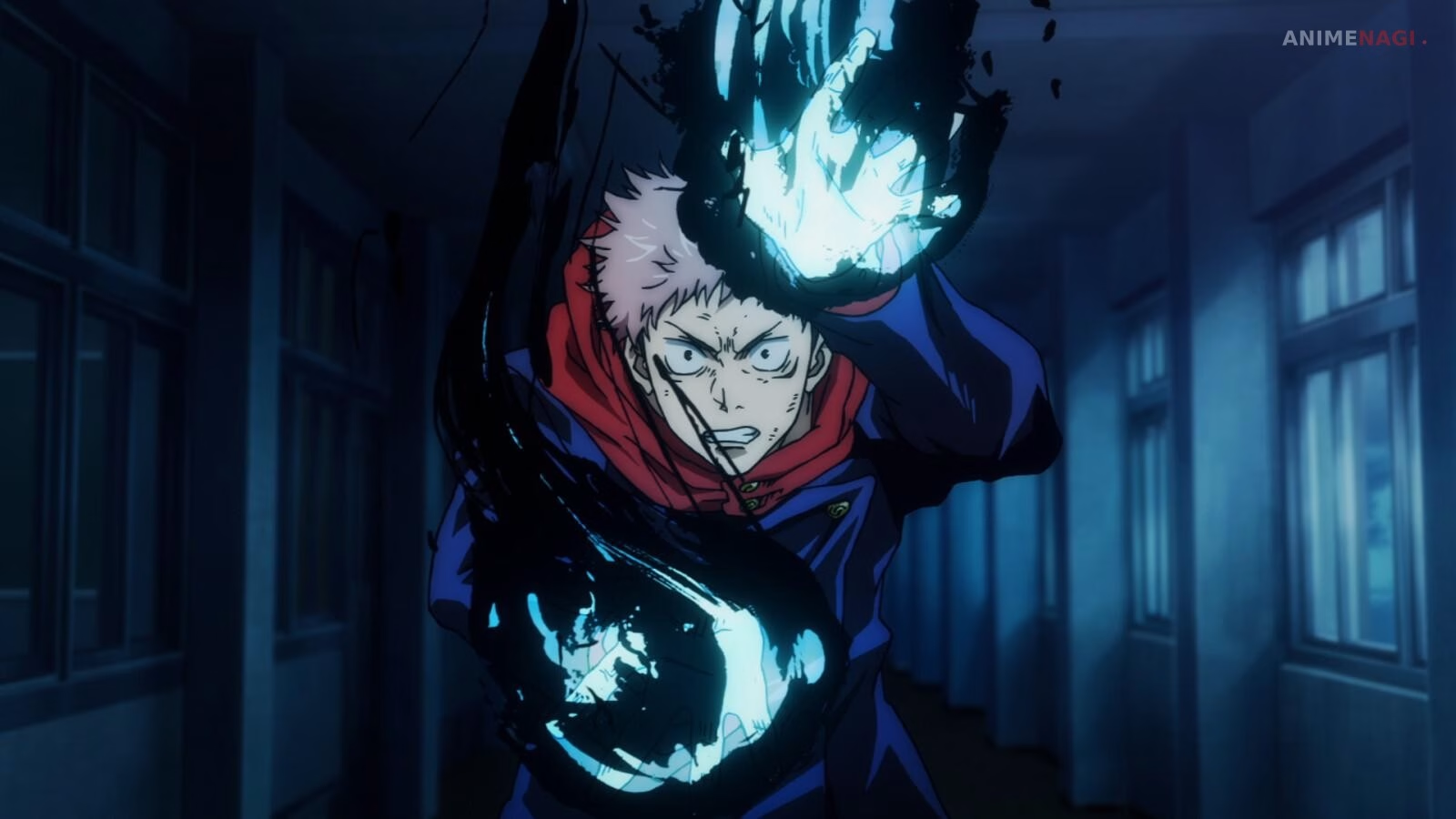
The similarities between the two series are real, even if they are sometimes exaggerated online. Both stories embrace darker emotional themes than classic battle shonen. Violence carries visible consequences, characters often experience trauma, and the worlds themselves feel morally unstable. Rather than focusing purely on friendship and optimism, both manga emphasize survival, revenge, sacrifice, and emotional loss.
Another major similarity is pacing. Both Jujutsu Kaisen and Kagurabachi move extremely quickly compared to older shonen manga. Fights begin rapidly, story arcs transition fast, and exposition is often minimized in favor of momentum-heavy storytelling. Many fans specifically compare Kagurabachi’s fast pacing to Jujutsu Kaisen’s modern battle structure.
Their combat systems also share structural similarities. In both series, supernatural abilities are deeply tied to weapons, techniques, and strategic combat rather than pure brute strength. Choreography and tactical positioning matter heavily during fights.
Visually, both creators rely on cinematic composition rather than traditional long-form exposition. Large dynamic panels, dramatic perspective shots, and stylish action sequences help both manga feel highly “anime-ready,” which contributes heavily to their online popularity.
Because of these similarities, it is understandable why readers immediately connected Kagurabachi to Jujutsu Kaisen.
Why Kagurabachi Is Also Very Different
Despite the comparisons, Kagurabachi also differs from Jujutsu Kaisen in several important ways.
The biggest difference is emotional tone. Jujutsu Kaisen often embraces chaotic unpredictability and psychological instability, especially during later arcs. Kagurabachi, by comparison, feels more controlled and emotionally focused. Chihiro’s revenge-driven journey follows a more direct emotional core than Yuji Itadori’s constantly shifting moral dilemmas.
The storytelling style is also less chaotic structurally. Some readers argue that Kagurabachi currently maintains cleaner narrative focus and more consistent progression than Jujutsu Kaisen’s later arcs. Reddit discussions comparing the two series often describe Kagurabachi as more disciplined in pacing and character management.
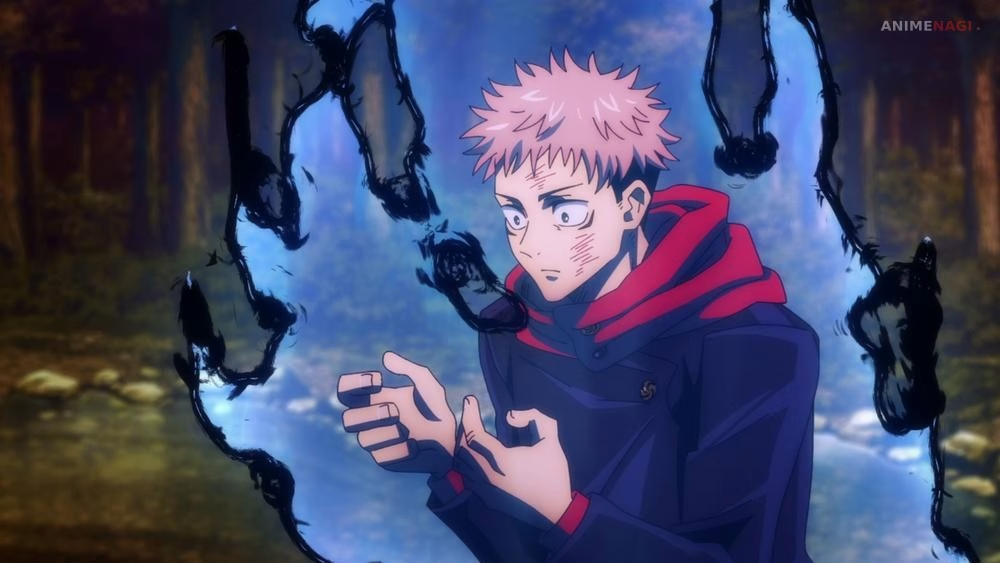
Another major difference is aesthetic influence. While Jujutsu Kaisen draws heavily from horror and occult elements, Kagurabachi feels more inspired by noir revenge stories, samurai films, and assassin thrillers. Several articles and fan discussions have even compared its atmosphere to action films like John Wick.
Kagurabachi also places heavier emphasis on weapons and sword-based combat than Jujutsu Kaisen. The enchanted blades themselves are central to the narrative and worldbuilding, giving the series a distinct identity separate from cursed energy systems.
These differences are important because they suggest Kagurabachi may not simply become “another Jujutsu Kaisen,” but instead evolve into its own type of modern shonen success.
Can Kagurabachi Become Weekly Shonen Jump’s Next Major Hit?
From a commercial and industry perspective, Kagurabachi absolutely has the potential to become one of Weekly Shōnen Jump’s next flagship titles.
The manga already has strong sales momentum, growing international popularity, and major online engagement despite still being relatively early in serialization. Reports also confirm that an anime adaptation is scheduled, which will likely expand its audience dramatically.
Historically, anime adaptations are what transform successful manga into global phenomena. Jujutsu Kaisen itself experienced explosive growth after Studio MAPPA’s adaptation introduced the series to a broader audience. Several industry discussions now speculate that Kagurabachi could experience a similar jump once its anime arrives.
Another important factor is timing. Weekly Shōnen Jump is currently rebuilding its lineup after the endings of several long-running hits. This creates space for newer titles to dominate magazine covers, marketing campaigns, and promotional pushes.
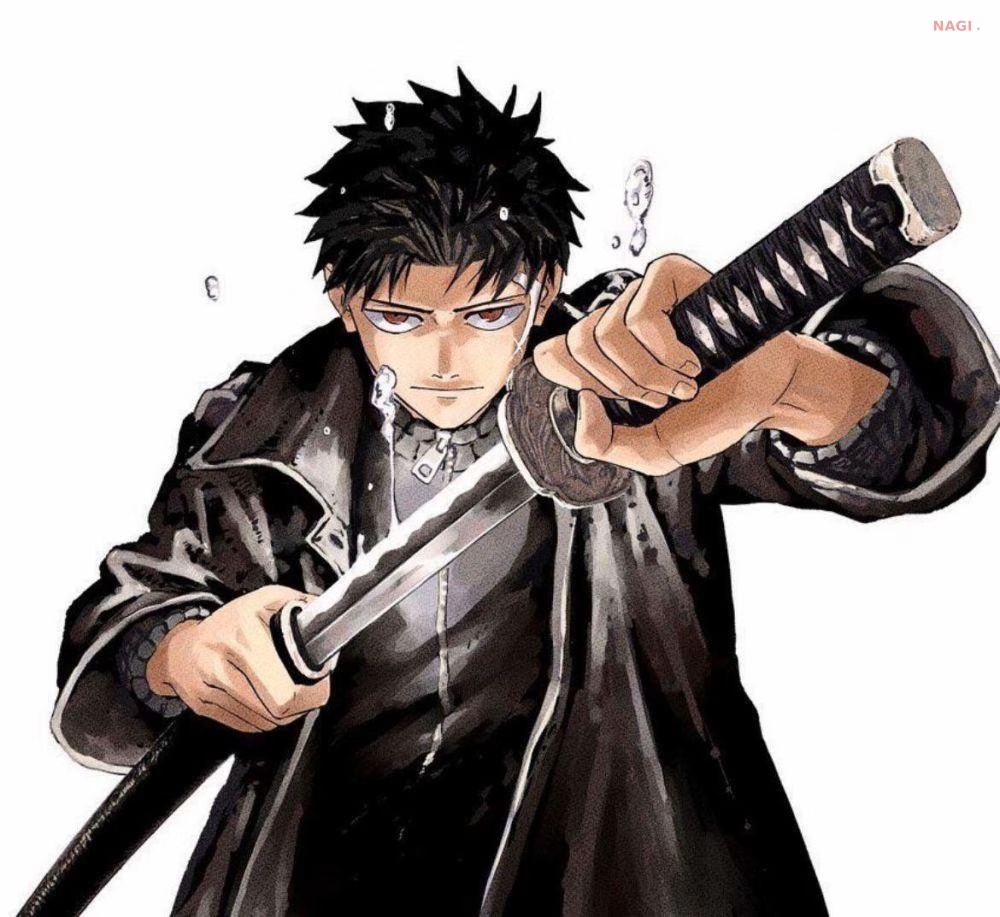
However, becoming the “next Jujutsu Kaisen” involves more than sales alone. Jujutsu Kaisen became a cultural phenomenon because of its anime adaptation quality, viral characters like Satoru Gojo, and huge social media presence. Kagurabachi still needs to prove it can sustain momentum over many years rather than only generating early hype.
The Pressure of Being Called a “Successor”
One interesting aspect of the comparison is that being labeled the “successor” to another series can actually create challenges.
Fans often expect successor series to replicate the emotional impact, popularity, and cultural relevance of earlier hits. That creates enormous pressure on newer manga before they fully establish their own identity. Several readers online have already argued that constantly comparing Kagurabachi to Jujutsu Kaisen unfairly limits discussion about what makes Kagurabachi unique.
This issue has happened repeatedly throughout shonen history. Many series were once called “the next Naruto” or “the next Attack on Titan,” yet the most successful titles usually became popular because they developed their own distinct voice instead of copying predecessors directly.
Kagurabachi appears to be following a similar path. While it clearly borrows influences from modern dark fantasy shonen, it also leans heavily into revenge thriller elements, sword mythology, and noir aesthetics that feel separate from Jujutsu Kaisen’s horror-focused style.
As the manga continues developing, the comparisons may eventually become less important than Kagurabachi’s own evolving identity.
So, Is Kagurabachi Really the Successor to Jujutsu Kaisen?
The answer depends largely on what people mean by “successor.”
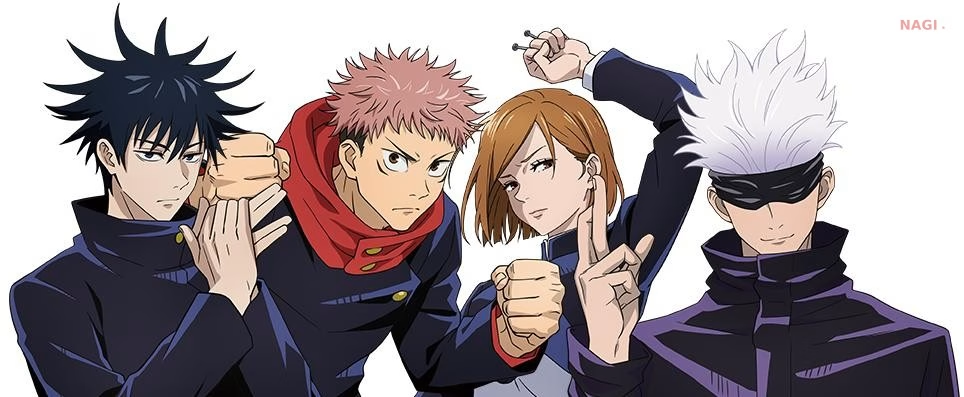
If the comparison refers to tone, dark fantasy action, and modern shonen appeal, then Kagurabachi absolutely fits the role. Its cinematic fights, fast pacing, violent atmosphere, and emotionally driven storytelling clearly appeal to many of the same readers who enjoyed Jujutsu Kaisen.
From an industry perspective, Kagurabachi is also positioned well to become one of Weekly Shōnen Jump’s next major flagship franchises. Its popularity growth, strong sales, and upcoming anime adaptation suggest the series has genuine long-term potential.
However, Kagurabachi is not simply a replacement for Jujutsu Kaisen. The two series differ significantly in emotional tone, narrative structure, and thematic focus. Kagurabachi feels more like a revenge-driven supernatural thriller, while Jujutsu Kaisen leans harder into existential horror and chaotic emotional conflict.
Ultimately, Kagurabachi’s biggest strength may be that it does not completely feel like Jujutsu Kaisen. Instead of copying its predecessor directly, it seems poised to become part of the next generation of dark shonen manga while building its own identity at the same time.