The story of Itachi Uchiha is one of the most emotionally complex arcs in Naruto Shippuden. Initially introduced as a cold-blooded villain who massacred his entire clan, Itachi quickly became one of the most misunderstood characters in anime history. For years, both fans and characters within the story believed he killed the Uchiha Clan out of ambition and cruelty. However, as the truth unfolds, it becomes clear that his actions were driven by a secret mission that forced him into an impossible moral dilemma.
Understanding Itachi’s true mission requires looking beyond the surface-level narrative. His decisions were shaped by political tensions within Konohagakure, manipulation by powerful leaders, and his own desire to prevent a catastrophic war. What seemed like betrayal was actually a calculated sacrifice to protect both the village and his younger brother. This deeper truth not only redefines Itachi’s character but also highlights one of the central themes of Naruto: the cost of peace and the burden carried by those who protect it from the shadows.
The Political Conflict Between the Uchiha Clan and Konoha
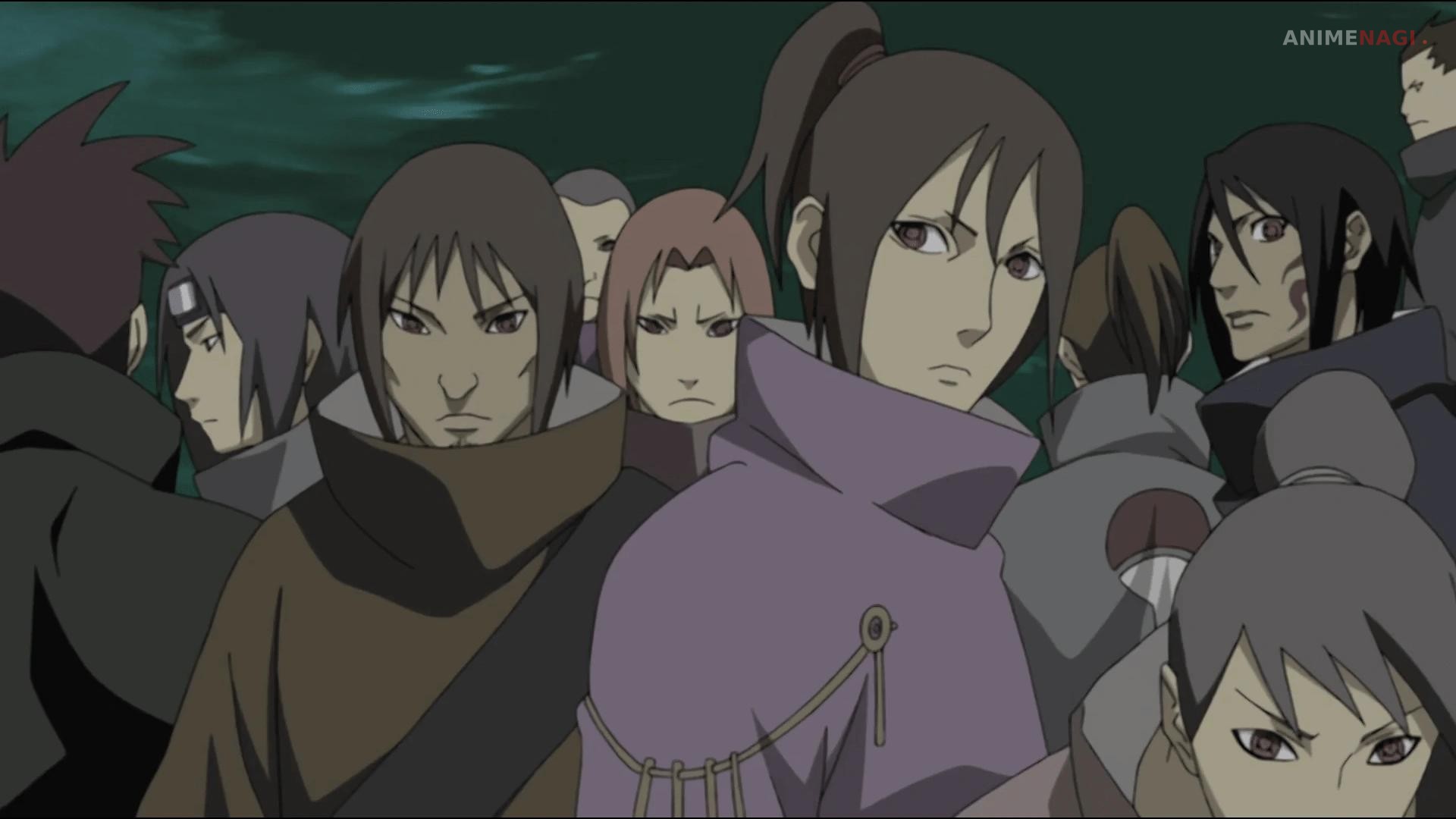
The massacre cannot be understood without first examining the growing conflict between the Uchiha Clan and Konoha’s leadership. Following the Nine-Tails attack on the village, suspicion fell heavily on the Uchihas due to their Sharingan’s ability to control the beast. As a result, the clan was pushed to the outskirts of the village and placed under constant surveillance. This created deep resentment among the Uchihas, who felt alienated and mistrusted despite their contributions to Konoha.
Over time, this tension escalated into plans for a coup d’état. The clan leadership believed that overthrowing Konoha’s government was the only way to reclaim their honor and rightful position. However, such a rebellion would have led to a full-scale civil war within the village. Given Konoha’s status as one of the strongest ninja nations, this internal conflict would likely have triggered a wider war involving other villages, putting countless lives at risk.
At the center of this conflict stood Itachi Uchiha, who was uniquely positioned as both a member of the Uchiha Clan and an Anbu operative loyal to Konoha. This dual identity forced him into a situation where he had to choose between his family and the stability of the entire shinobi world. The decision he ultimately made would define his legacy forever.
The Role of Danzo and Konoha’s Leadership
While the Uchiha Clan’s rebellion was a genuine threat, the response from Konoha’s leadership played a critical role in shaping the outcome. Danzo Shimura, a powerful and controversial figure within the village, strongly advocated for eliminating the Uchihas entirely. He believed that allowing the clan to proceed with their coup would lead to chaos and weaken Konoha’s position in the world.
Unlike the Third Hokage, who sought a peaceful resolution, Danzo took a far more extreme approach. He secretly approached Itachi and presented him with an ultimatum. Either he would assist in wiping out the Uchiha Clan, or Konoha would launch a full military response that would result in even greater bloodshed, including innocent civilians and possibly his younger brother, Sasuke Uchiha.
This manipulation placed Itachi in an impossible situation. By cooperating with Danzo, he could minimize the scale of the tragedy and ensure Sasuke’s survival. Refusing the mission, however, would have led to a far more destructive conflict. Itachi’s decision was not about choosing right over wrong. It was about choosing the lesser of two devastating outcomes.
Why Itachi Chose to Slaughter His Clan
Itachi’s decision to carry out the massacre was driven by a combination of logic, duty, and personal sacrifice. From a strategic perspective, eliminating the Uchiha leadership would prevent the coup and avoid a civil war. From a personal perspective, it was the only way to guarantee Sasuke’s safety. However, this decision came at an unimaginable emotional cost.
He was forced to kill not only clan leaders but also innocent members of his own family. This act permanently branded him as a traitor and criminal in the eyes of the world. Yet Itachi accepted this burden willingly, knowing that revealing the truth would undermine the fragile peace he was trying to protect. His mission required him to live as a villain so that others could continue living in peace.
One of the most important aspects of this decision is that Itachi never justified his actions as morally correct. Instead, he accepted them as necessary. This distinction is crucial in understanding his character. He was not trying to be a hero. He was simply fulfilling a role that no one else could bear.
The Secret Deal to Protect Sasuke
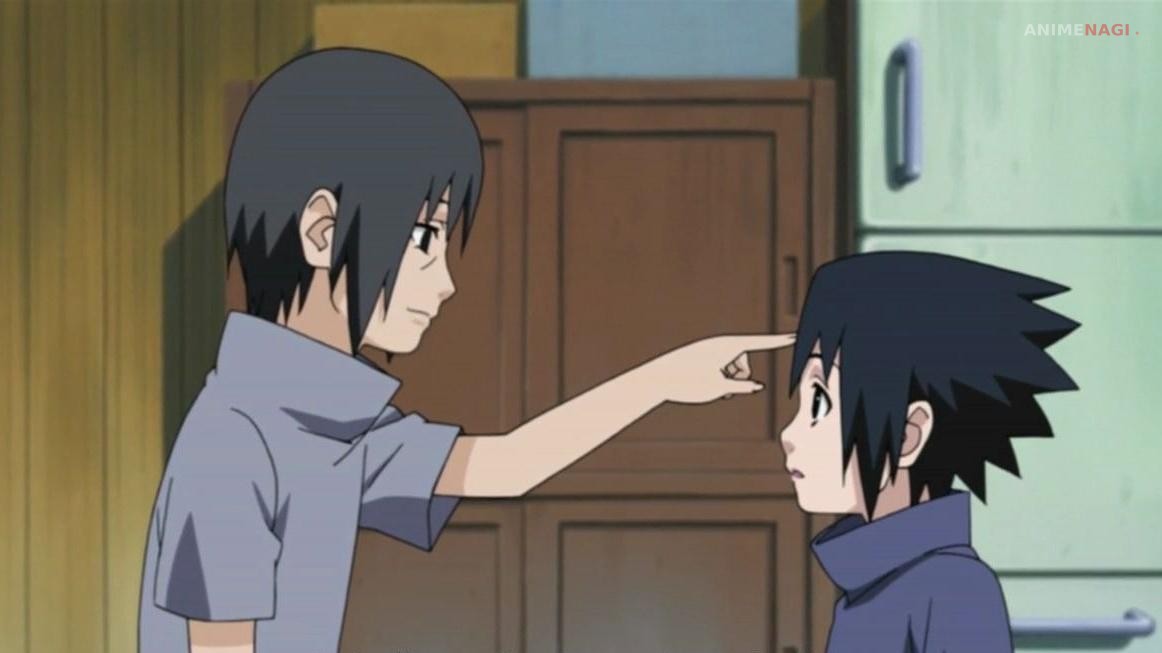
A key part of Itachi’s mission was ensuring the survival of his younger brother, Sasuke Uchiha. Before carrying out the massacre, Itachi negotiated with Konoha’s leadership to spare Sasuke’s life. This condition was non-negotiable for him, and it ultimately shaped many of his actions throughout the series.
After the massacre, Itachi deliberately framed himself as a villain in Sasuke’s eyes. He encouraged Sasuke to hate him, believing that this hatred would give him the strength to grow and eventually seek revenge. This plan was both strategic and deeply tragic. Itachi knew that the only way to motivate Sasuke was through anger, even if it meant being remembered as a monster by the person he loved most.
This decision highlights one of the most painful aspects of Itachi’s story. He sacrificed not only his clan and his reputation but also his relationship with his brother. Every interaction between them was carefully crafted to maintain the illusion of his villainy, even though his true goal was to protect Sasuke from both external threats and the dark truth behind the massacre.
Joining the Akatsuki: A Mission in the Shadows
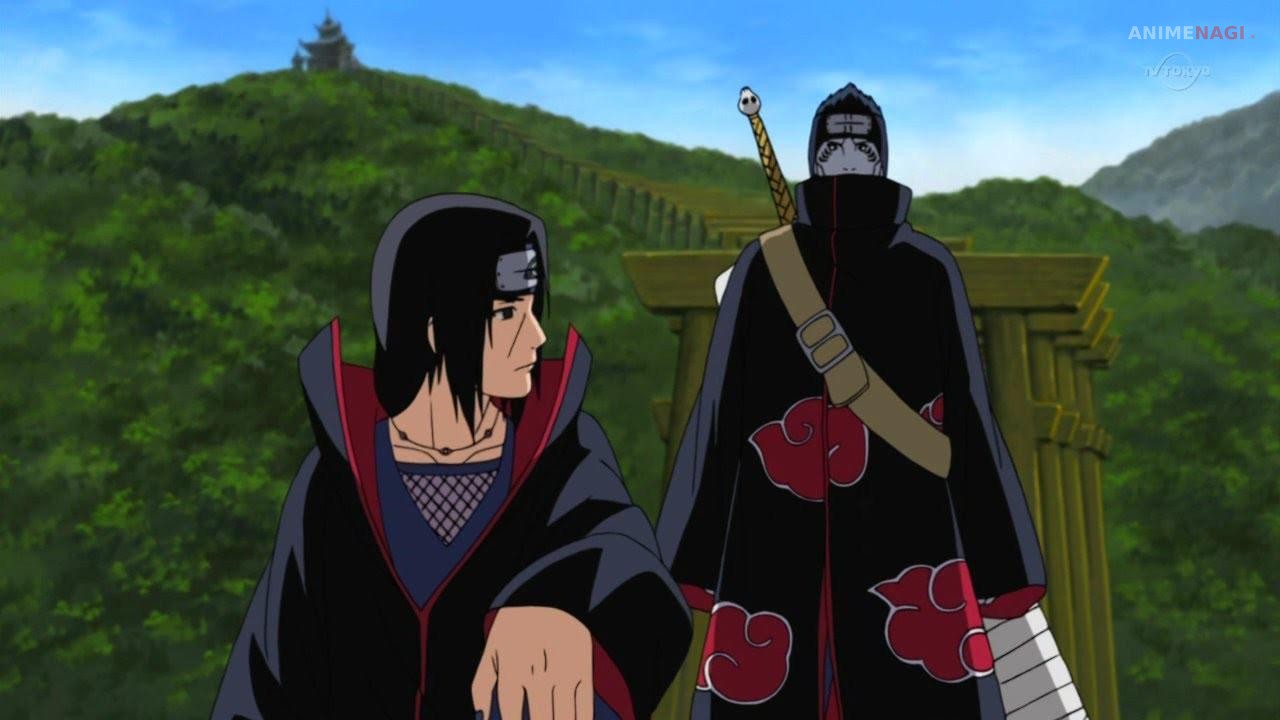
After leaving Konoha, Itachi joined the Akatsuki, a group of rogue ninjas with dangerous ambitions. At first glance, this seemed to confirm his status as a villain. However, his involvement with the organization was actually part of a larger strategy to monitor potential threats to Konoha.
By infiltrating the Akatsuki, Itachi was able to keep an eye on their activities and prevent them from targeting the village prematurely. His presence within the group also served as a deterrent, as many members were wary of his power. This role further demonstrates how Itachi continued to protect Konoha even after being labeled a traitor.
At the same time, his involvement with the Akatsuki allowed him to maintain the illusion of being a criminal. This was essential for preserving the secret behind the Uchiha massacre. If the truth were revealed, it could have reignited tensions within the village and undermined the peace he had worked so hard to protect.
The Truth Revealed: How the Story Reframes Itachi
The revelation of Itachi’s true mission fundamentally changes how his character is perceived. What once appeared to be an act of cruelty is revealed as a calculated sacrifice made for the greater good. This twist is one of the most impactful moments in Naruto, as it forces both the audience and Sasuke to reevaluate everything they believed about Itachi.
The truth also highlights the moral ambiguity of the shinobi world. Characters are often forced to make decisions that have no clear right or wrong answer. Itachi’s story exemplifies this theme, showing how even the most heroic intentions can lead to tragic outcomes. His actions saved countless lives, but they also destroyed his own.
This duality is what makes Itachi such a compelling character. He embodies both heroism and tragedy, serving as a reminder that peace often comes at a cost. His story challenges the idea of traditional heroism, presenting a more nuanced perspective on what it means to protect others.
Why Itachi Could Not Choose Another Path
A common question among fans is whether Itachi could have avoided the massacre altogether. In theory, alternative solutions such as negotiation or exposing the truth might seem possible. However, the reality of the situation made these options extremely unlikely to succeed.
The distrust between the Uchiha Clan and Konoha’s leadership had reached a point where peaceful resolution was nearly impossible. Any attempt at negotiation would have been viewed with suspicion by both sides. Additionally, Danzo’s influence ensured that extreme measures were always on the table. Even if Itachi had refused the mission, the outcome would likely have been even more devastating.
This context reinforces the idea that Itachi’s decision was not made lightly. He was operating within a system that left him with no good options. His choice to carry out the massacre was not about finding a perfect solution but about minimizing the damage in an already doomed situation.
The Emotional Core of Itachi’s Story
Beyond the political and strategic elements, the true power of Itachi’s story lies in its emotional depth. At its core, his mission was driven by love for his brother and a desire to protect the village he believed in. Every action he took was guided by these two priorities, even when they conflicted with each other.
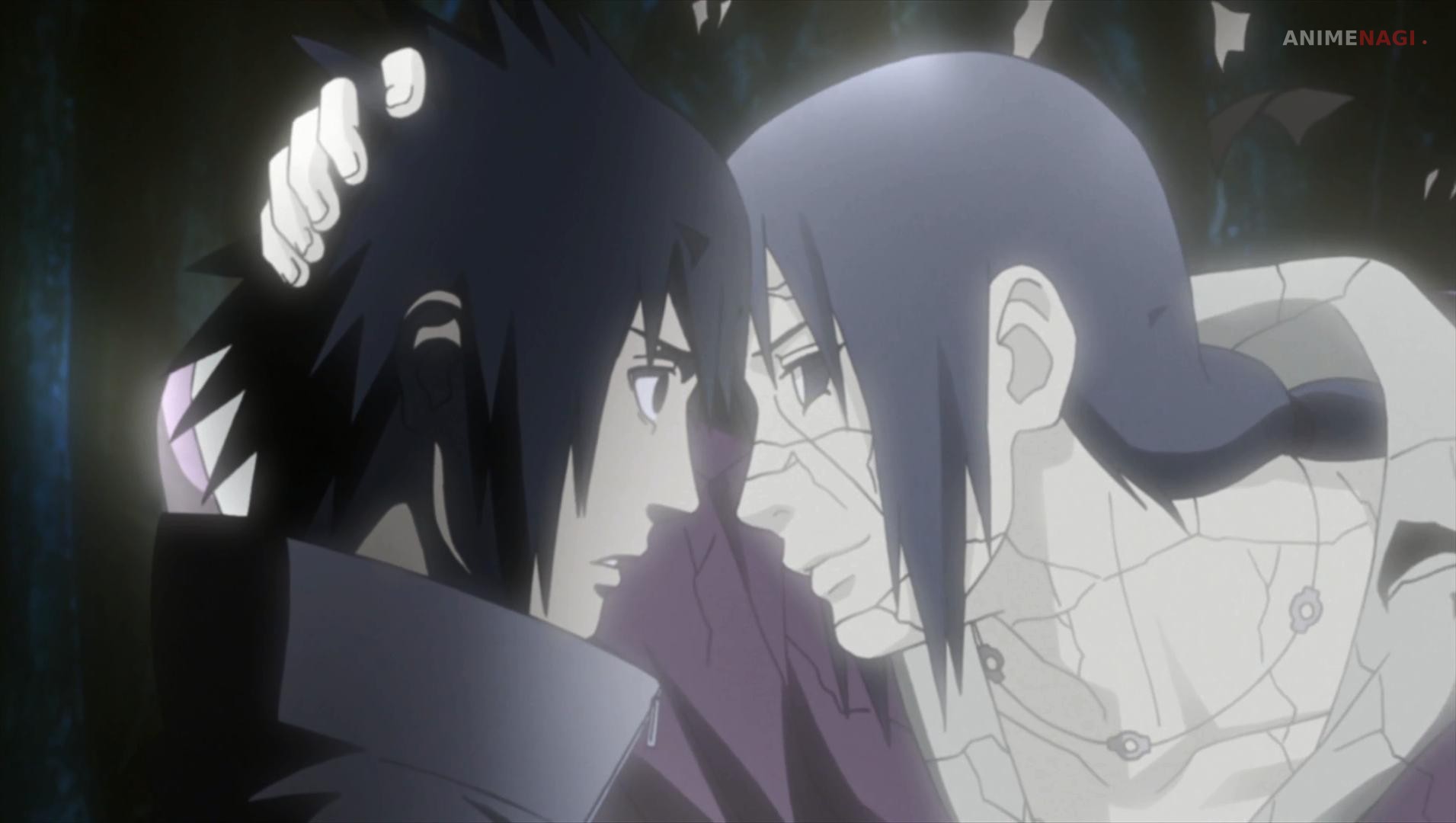
His final moments with Sasuke are particularly significant. Even after everything that had happened, Itachi’s actions reveal his enduring affection for his brother. He never sought forgiveness or recognition. Instead, he simply wanted Sasuke to live freely, unburdened by the truth that had defined his own life.
This emotional complexity is what elevates Itachi’s story beyond a simple plot twist. It transforms him from a villain into one of the most tragic heroes in anime, whose sacrifices continue to resonate long after his death.
Itachi Uchiha’s true mission was not about power, revenge, or betrayal. It was about preventing a war, protecting his brother, and preserving peace at any cost. By choosing to slaughter the Uchiha Clan, he took on a burden that no one else could bear, sacrificing everything he had in the process.
His story in Naruto Shippuden serves as a powerful exploration of moral complexity and the hidden costs of peace. While his actions can never be fully justified, they can be understood within the context of the world he lived in. That understanding is what makes Itachi one of the most unforgettable characters in anime.
In the end, Itachi was neither a pure hero nor a true villain. He was a protector who operated in the shadows, ensuring a future that he would never be able to enjoy.