JoJo’s Bizarre Adventure is known for its unique storytelling, generational narrative, and ever-evolving cast of protagonists. One of the most fascinating aspects of the series is how each part introduces a new Joestar while still connecting them through a shared bloodline and timeline. However, understanding the exact ages and birthdays of JoJo characters can be confusing due to time skips, alternate universes, and shifting settings.
Across different parts, the story spans from the late 19th century to the early 21st century, covering multiple generations of the Joestar family. Each protagonist’s age plays a key role in shaping their personality, fighting style, and character arc. Official guidebooks and manga profiles provide specific birth dates and ages, but fans often struggle to piece them together into a clear timeline.
This guide breaks down the confirmed birthdays and ages of major JoJo characters, explaining how the timeline flows across each part. It also clarifies inconsistencies and highlights how Araki uses time to evolve the series.
Understanding the JoJo Timeline Structure
Before looking into individual characters, it is important to understand how JoJo’s timeline is structured. The original continuity, often referred to as Parts 1 through 6, follows a linear progression through history. It begins in the 1880s and moves forward decade by decade, with each part focusing on a new generation of the Joestar family.
The timeline is relatively consistent in early parts, with clear dates tied to historical settings. However, later parts introduce more complex elements such as Stand abilities that manipulate time and alternate universe resets. Despite these complexities, official character profiles still provide reliable age and birth data.
Each protagonist’s age reflects the tone of their respective part. Earlier JoJos like Jonathan are portrayed as noble young adults, while later characters like Jotaro and Giorno bring a more modern and rebellious energy. This generational shift is reinforced through their ages and life experiences.
Jonathan Joestar: Birth, Age, and Timeline Role
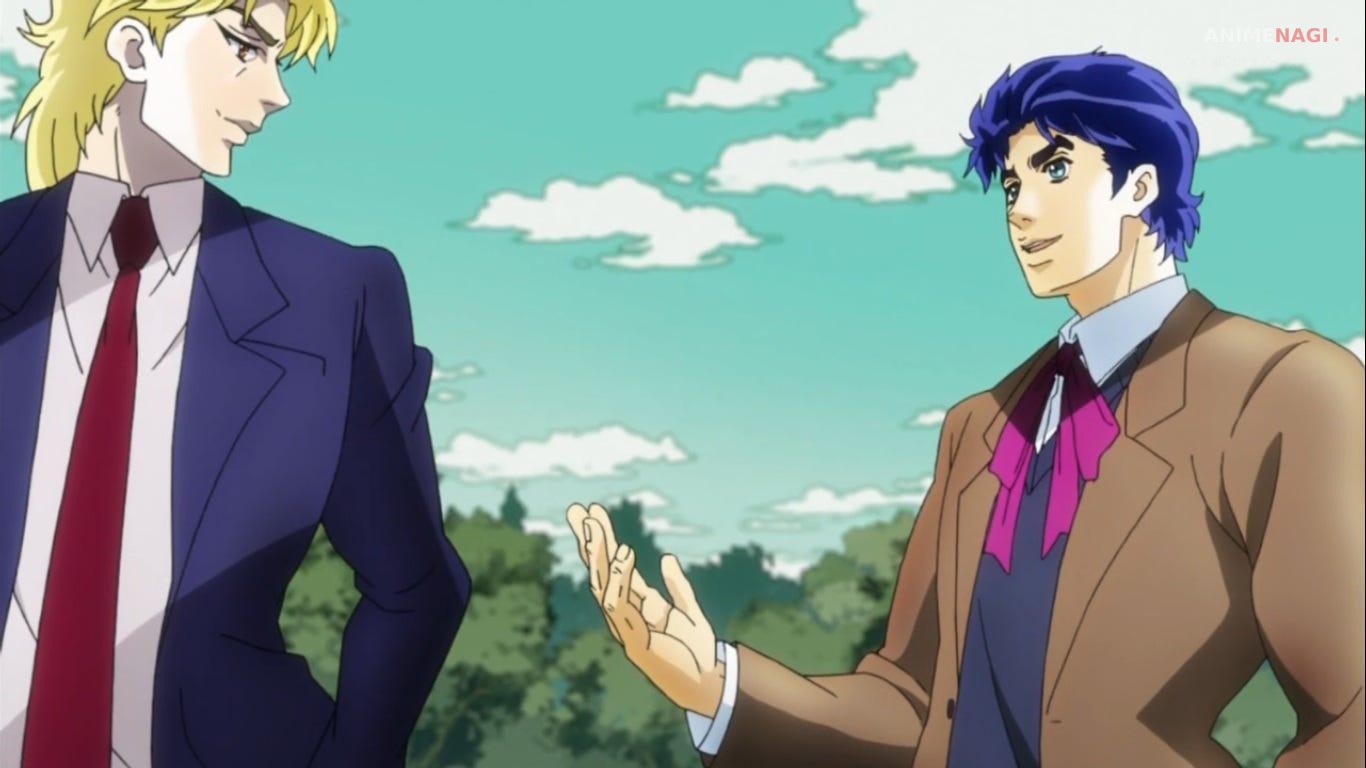
Jonathan Joestar is the first JoJo and serves as the foundation of the entire series. According to official sources, Jonathan was born on April 4, 1868. His story in Phantom Blood primarily takes place in the late 1880s.
During the main events of Part 1, Jonathan is around 20 years old. His age reflects his maturity, sense of responsibility, and traditional heroic qualities. Unlike later JoJos, he represents a more classic protagonist archetype rooted in honor and justice.
Jonathan’s relatively short lifespan plays a crucial role in shaping the Joestar legacy. His death sets the stage for the generational conflict with Dio, which continues throughout the series. His age and timeline placement establish the starting point for all future JoJo events.
Joseph Joestar: A Longer Lifespan Across Multiple Parts
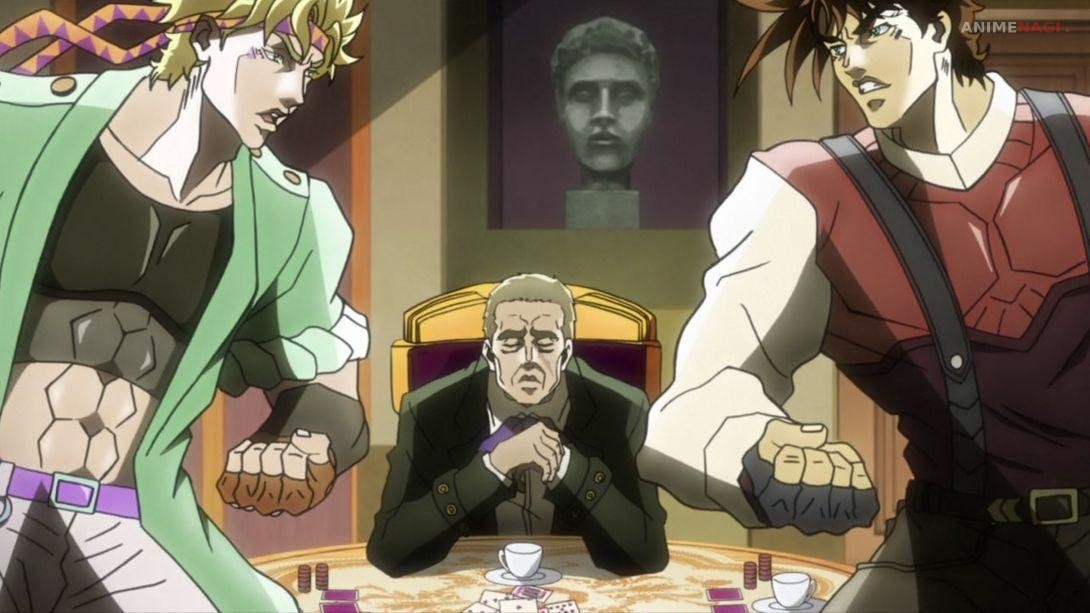
Joseph Joestar was born on September 27, 1920, making him one of the longest-living characters in the series. His story begins in Battle Tendency when he is around 18 years old.
Joseph’s timeline is unique because he appears in multiple parts at different ages. In Stardust Crusaders, he is around 69 years old, showing a dramatic contrast to his younger self. Despite his age, he remains active and plays a key role in the fight against Dio.
By the time of Diamond is Unbreakable, Joseph is in his late 70s. His aging reflects the passage of time within the JoJo universe, adding realism to the generational storytelling. His long lifespan helps bridge the gap between early and later parts.
Jotaro Kujo: The Most Iconic JoJo’s Age Explained
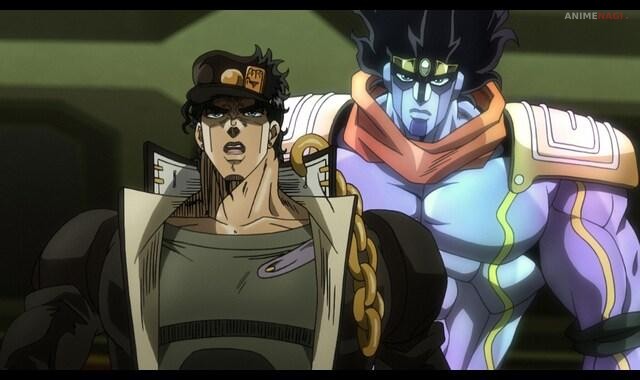
Jotaro Kujo is one of the most recognizable characters in the franchise. He was born in 1970, although an exact birth date is not always consistently emphasized in official materials.
In Stardust Crusaders, Jotaro is 17 years old, embodying the classic delinquent teenager archetype. His age aligns with his rebellious personality and his role as a reluctant hero. Despite his youth, he demonstrates exceptional strength and leadership.
Jotaro’s timeline extends across multiple parts, much like Joseph’s. In Diamond is Unbreakable, he is 28 years old, and by Stone Ocean, he is in his early 40s. His aging reflects his transition from a hot-headed teen to a seasoned and composed mentor figure.
Josuke Higashikata: Teenage Hero of Morioh
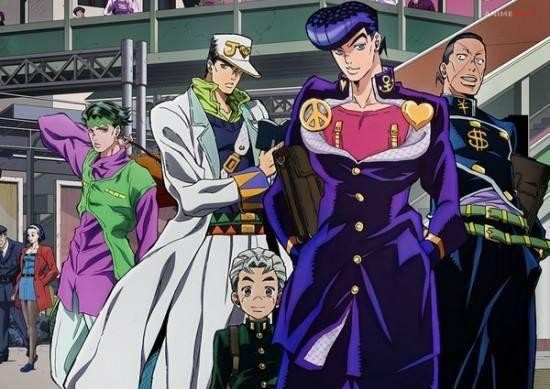
Josuke Higashikata was born in 1983 and is 16 years old during the events of Diamond is Unbreakable. His age places him firmly in the high school setting that defines Part 4.
Josuke’s youth plays a significant role in shaping the tone of the story. Unlike the globe-trotting adventure of Stardust Crusaders, Part 4 focuses on small-town life and personal relationships. His age makes him relatable and grounded compared to earlier protagonists.
Despite being younger than Jotaro during his debut, Josuke demonstrates strong moral values and a deep sense of empathy. His character highlights how JoJo protagonists evolve with each generation while maintaining core themes of justice and courage.
Giorno Giovanna: The Youngest Gang Leader
Giorno Giovanna was born on April 16, 1985, making him 15 years old during Golden Wind. He is one of the youngest JoJo protagonists in the series.
Giorno’s age contrasts sharply with his ambition and composure. Despite being a teenager, he quickly rises within the ranks of the mafia. His maturity sets him apart from other characters and reinforces his connection to Dio.
The timeline of Golden Wind is relatively compact, taking place over a short period. This makes Giorno’s rapid rise even more impressive. His age emphasizes the theme of destiny and inherited will within the JoJo universe.
Jolyne Cujoh: Age and Timeline in Stone Ocean
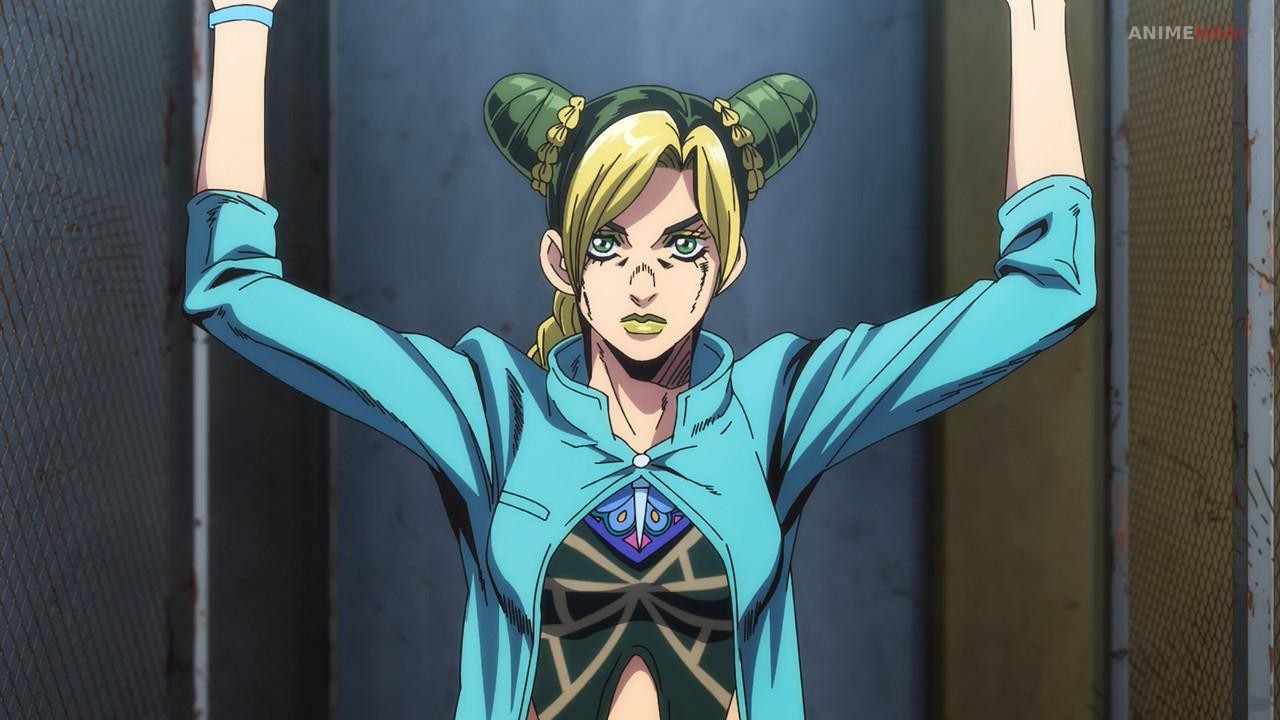
Jolyne Cujoh was born in 1992 and is 19 years old during the events of Stone Ocean. As the first female JoJo protagonist, her age and circumstances mark a significant shift in the series.
Jolyne’s story takes place in a prison setting, which directly influences her character development. Her age reflects a transitional phase between adolescence and adulthood. This makes her journey more personal and emotionally driven.
Her timeline also coincides with major changes in the JoJo universe. The events of Stone Ocean ultimately lead to a reset of reality, marking the end of the original continuity. Jolyne’s age and story are central to this turning point.
How Ages Reflect Character Evolution
One of the most consistent patterns in JoJo’s Bizarre Adventure is how each protagonist’s age reflects their personality and narrative role. Younger characters like Giorno and Josuke bring energy and relatability, while older characters like Jotaro and Joseph provide experience and guidance.
Araki uses age as a storytelling tool to explore different themes across each part. For example, Jonathan’s adulthood emphasizes honor and tradition, while Jotaro’s teenage years highlight rebellion and independence. These differences help keep each part fresh and distinct.
The variation in ages also allows the series to appeal to a wide audience. Viewers can connect with different characters depending on their own stage in life. This contributes to JoJo’s long-lasting popularity and cultural impact.