Charlotte Katakuri was introduced during the Whole Cake Island arc as an almost unstoppable force. As one of the Three Sweet Commanders of the Big Mom Pirates, Katakuri quickly established himself as one of the strongest enemies Monkey D. Luffy had ever faced. His mastery of Observation Haki, overwhelming combat skill, and calm personality created the image of a “perfect” warrior who never lost control. For much of the fight, Luffy looked completely outmatched against him.
However, Eiichiro Oda gradually revealed that Katakuri’s perfection was built on pressure, fear, and emotional isolation. Beneath his composed exterior was a man obsessed with maintaining an image that others expected from him. Once cracks began appearing in that image, his weaknesses became more visible. These weaknesses were not simply physical flaws, but emotional and psychological vulnerabilities that directly affected his fighting style and Future Sight ability.
Katakuri’s character became one of the most respected in One Piece precisely because of these imperfections. His battle against Luffy was not just about power levels, but about identity, expectations, and emotional freedom. Understanding Katakuri’s weakness explains why his fight with Luffy changed so dramatically over time.
Why Katakuri Looked “Perfect” at First
When Katakuri first appeared, he was treated almost like a legendary figure within the Big Mom Pirates. Official character information describes him as calm, efficient, and nearly unbeatable in combat. His siblings admired him deeply, and many believed he had never fallen on his back before.
This image of perfection was reinforced by his advanced Observation Haki. Katakuri could see slightly into the future, allowing him to predict attacks before they happened. Combined with his Mochi Devil Fruit, this made him appear untouchable during combat. He dodged attacks effortlessly while remaining emotionally composed in almost every situation.
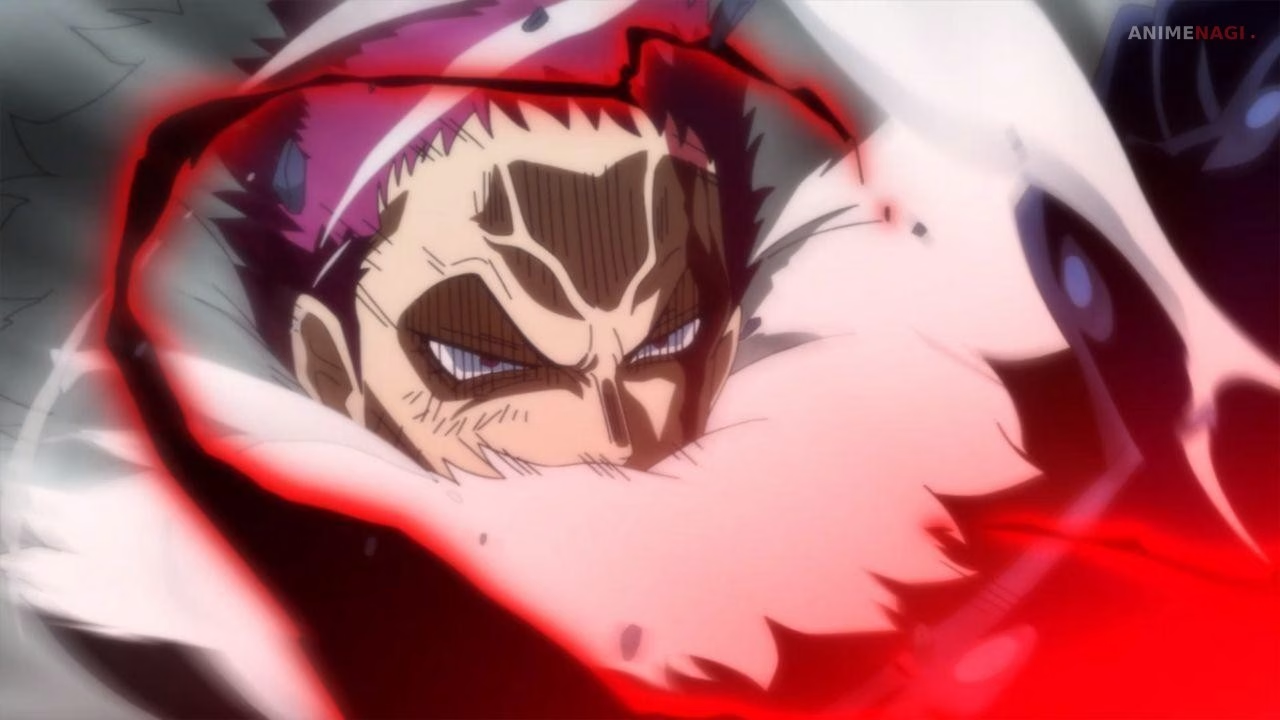
Katakuri also carefully controlled how others viewed him. He maintained a serious demeanor constantly and avoided showing weakness in front of his family. This pressure to remain “perfect” shaped much of his personality throughout the Whole Cake Island arc. His calmness was not just natural confidence, but something he actively protected.
The result was a character who seemed almost invincible during the early stages of the arc. Even Luffy struggled to understand how someone could dominate combat so completely. That overwhelming image is what made the later revelations about Katakuri so impactful.
The Real Weakness Behind Katakuri’s Future Sight
Katakuri’s greatest strength was also tied directly to his biggest weakness. His Future Sight Observation Haki required extreme calmness and emotional control to function properly. Official One Piece information specifically states that Observation Haki works best when the user remains calm and focused.
This meant Katakuri’s seemingly flawless fighting style depended heavily on maintaining emotional stability. As long as he stayed composed, he could predict attacks and react perfectly. However, once his emotions became unstable, his Observation Haki weakened significantly. This created a hidden vulnerability beneath his perfect image.
Luffy eventually discovered this weakness during their battle in the Mirror World. When Katakuri became angry, embarrassed, or emotionally shaken, his Future Sight stopped functioning at its peak level. This gave Luffy opportunities to land attacks and close the gap between them.
Reddit discussions about Katakuri’s Haki often highlight how emotional instability disrupts advanced Observation Haki users. Fans frequently point out that Katakuri’s reliance on calmness made him vulnerable once his mental state changed. This limitation became one of the fight’s most important turning points.
The Truth About Katakuri’s Hidden Face
One of the most important moments in the fight occurs when Luffy accidentally discovers Katakuri’s hidden face. Underneath his scarf, Katakuri has a large mouth with sharp teeth, something he spent years hiding from others. This detail might seem minor at first, but it reveals the emotional core of his character.
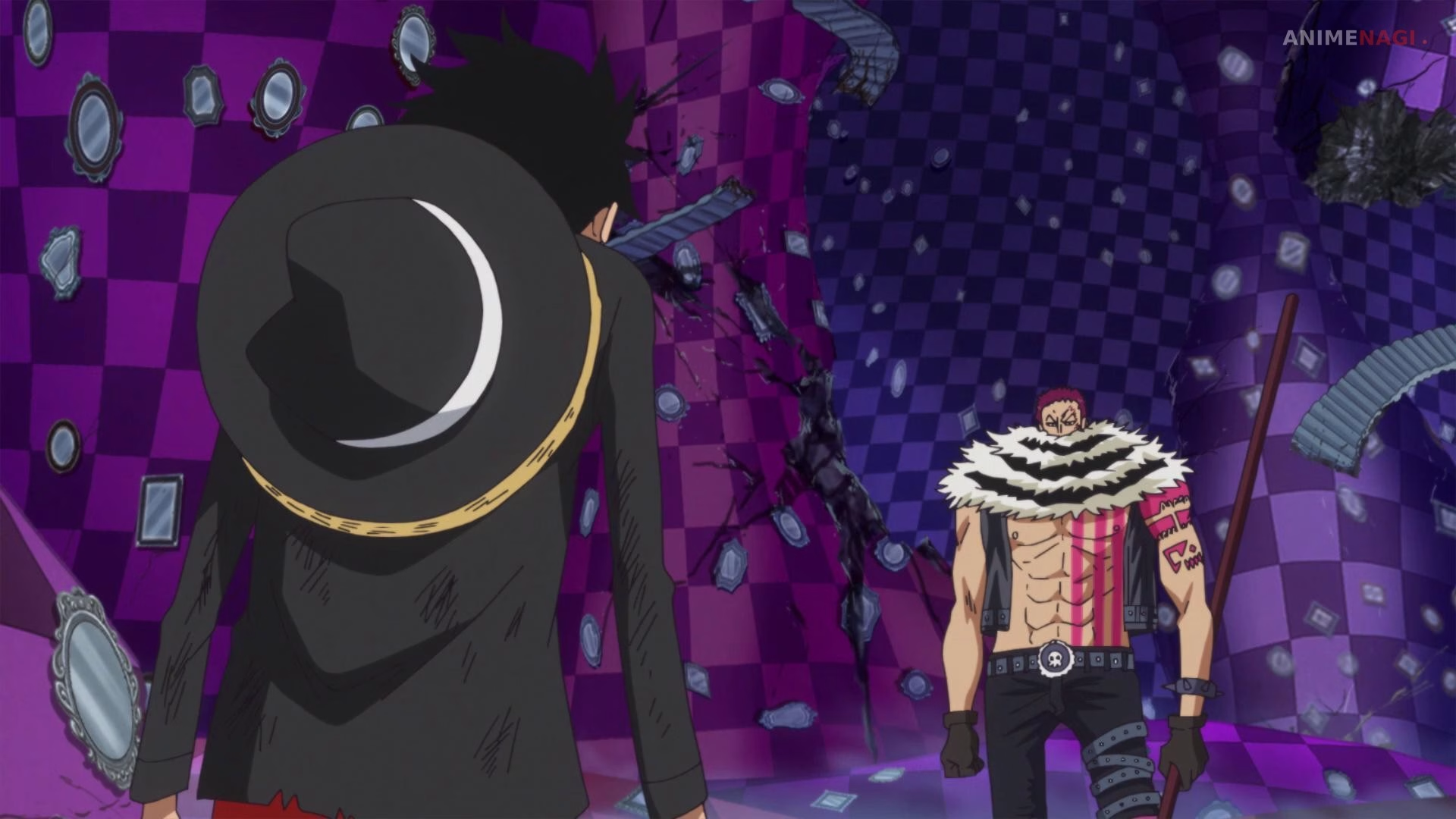
Katakuri’s obsession with hiding his face came from childhood trauma and bullying. He believed people would fear or mock him because of his appearance, so he created the image of a flawless older brother instead. This explains why he acted so carefully around his family and maintained strict control over his behavior.
The donut-eating scene completely disrupts that image. For the first time, someone sees Katakuri in an unguarded and vulnerable state. Instead of remaining calm, he becomes visibly angry and embarrassed, which weakens his Observation Haki during the fight.
This moment changes the tone of the battle entirely. Katakuri stops feeling like an untouchable monster and starts feeling human. Oda uses this reveal to show that Katakuri’s perfection was always an act designed to protect himself emotionally.
Why Katakuri’s Emotional Pressure Became a Weakness
Katakuri spent most of his life carrying enormous expectations from his family. As one of Big Mom’s strongest children, he became responsible for protecting his siblings and maintaining order within the crew. Over time, this pressure forced him into the role of a “perfect” warrior who could never fail.
This emotional burden affected how he approached combat and relationships. Katakuri avoided vulnerability because he believed showing weakness would damage the trust others placed in him. His calm personality was partially genuine, but it was also a defense mechanism built over many years.
Luffy unintentionally challenged this mindset during their battle. Unlike other opponents, Luffy continued fighting even after being completely overwhelmed. He also accepted Katakuri’s true appearance without mocking or fearing him. This slowly forced Katakuri to drop the emotional mask he had been maintaining.
As Katakuri became more emotionally open during the fight, his control weakened slightly. While this reduced the effectiveness of his Future Sight, it also made him feel more authentic as a character. His weakness was not simply losing concentration, but being unable to balance emotional honesty with the expectations placed on him.
How Luffy Exploited Katakuri’s Weakness
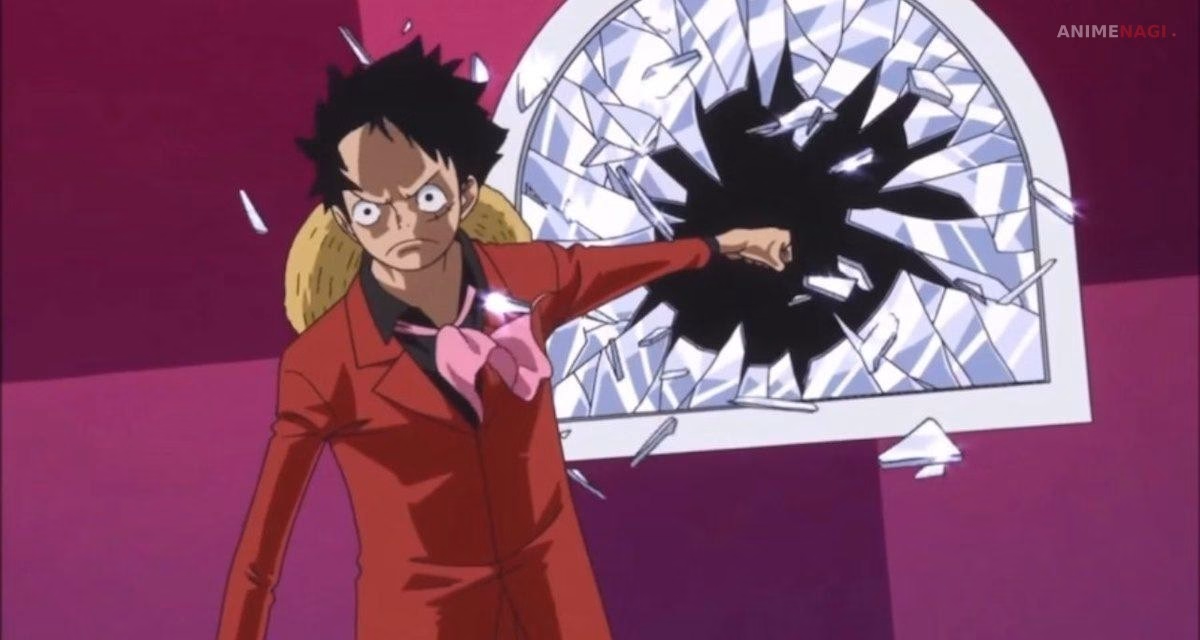
Luffy did not defeat Katakuri through raw power alone. Instead, he gradually learned how Katakuri’s abilities worked and adapted accordingly. Once he realized Katakuri’s Future Sight weakened under emotional stress, the fight became much more balanced.
Luffy also developed his own advanced Observation Haki during the battle. According to official explanations, advanced Haki often blooms during intense combat against powerful opponents. This growth allowed Luffy to react more effectively against Katakuri’s attacks.
Gear Fourth Snakeman also played a major role in exploiting Katakuri’s weaknesses. Snakeman’s unpredictable and accelerating attacks reduced Katakuri’s reaction time significantly. Reddit discussions frequently mention that speed and unpredictability are effective counters against Future Sight users.
The combination of emotional pressure, reduced concentration, and Luffy’s adaptation slowly closed the gap between them. Katakuri remained extremely strong, but his “perfect” fighting style became less stable as the battle continued.
Why Katakuri Respected Luffy in the End
One of the most important aspects of Katakuri’s character is how much he changes emotionally by the end of the fight. Initially, he viewed Luffy as an inferior opponent who could never match his level. However, Luffy’s persistence and growth gradually earned his respect.
Katakuri realized that Luffy was not simply strong physically, but mentally resilient as well. Unlike many enemies, Luffy refused to give up even after repeated defeats. This determination reminded Katakuri of something he lacked himself: emotional freedom.
By the final stages of the battle, Katakuri no longer cared about maintaining his perfect image as strictly as before. He fought more honestly and openly, accepting that he was not invincible. This emotional shift is one reason many fans consider him one of the best-written antagonists in One Piece.
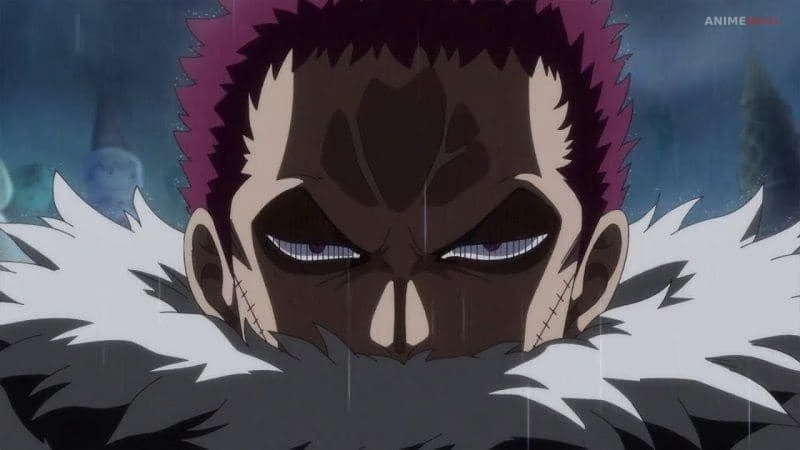
Official character information notes that Katakuri respects opponents who demonstrate true strength and growth during battle. Luffy ultimately earned that respect by forcing Katakuri to confront his own flaws.
Katakuri’s Weakness Was Never Physical
Katakuri’s true weakness was never his Devil Fruit or combat ability. Physically, he remained one of the strongest fighters introduced during the Whole Cake Island arc. His real vulnerability came from the emotional pressure of maintaining an impossible image of perfection.
The fight against Luffy exposed the cost of constantly hiding weakness and vulnerability. Katakuri’s dependence on calmness for Future Sight made emotional instability dangerous during combat. More importantly, his fear of being imperfect prevented him from expressing his true self openly.
That is why Katakuri’s battle with Luffy resonates so strongly with fans. It was not just a clash of strength, but a confrontation between two completely different approaches to identity and freedom. Luffy fights openly and honestly, flaws included, while Katakuri spent years hiding behind an idealized image.
By the end of the fight, Katakuri’s weakness becomes his greatest source of growth. Once he stops obsessing over perfection, he becomes more human and emotionally free. That transformation is what makes him one of the most compelling characters in One Piece.
Another subtle weakness in Charlotte Katakuri lies in how much he isolates himself emotionally from others. While he is respected and even admired within the Big Mom Pirates, that respect comes from fear and expectation rather than genuine connection.
Katakuri keeps a distance to protect his image, which prevents him from forming honest relationships where he can be vulnerable. This isolation reinforces his need to appear flawless at all times, creating a cycle that becomes mentally exhausting. By contrast, Monkey D. Luffy thrives on connection and openness, which ultimately gives him a psychological edge in the fight.