The Fourth Great Ninja War changed the Naruto world permanently. After years of conflict involving Madara, Obito, Kaguya, and the Akatsuki, Naruto: Shippuden finally shifted away from large-scale battles and focused on rebuilding the shinobi world. However, many fans forget that the anime did not immediately end after Naruto and Sasuke’s final fight. Instead, Naruto Shippuden explored several post-war stories collectively tied to the Hiden novels, with the Konoha Hiden arc becoming one of the most emotionally important transitions in the franchise.
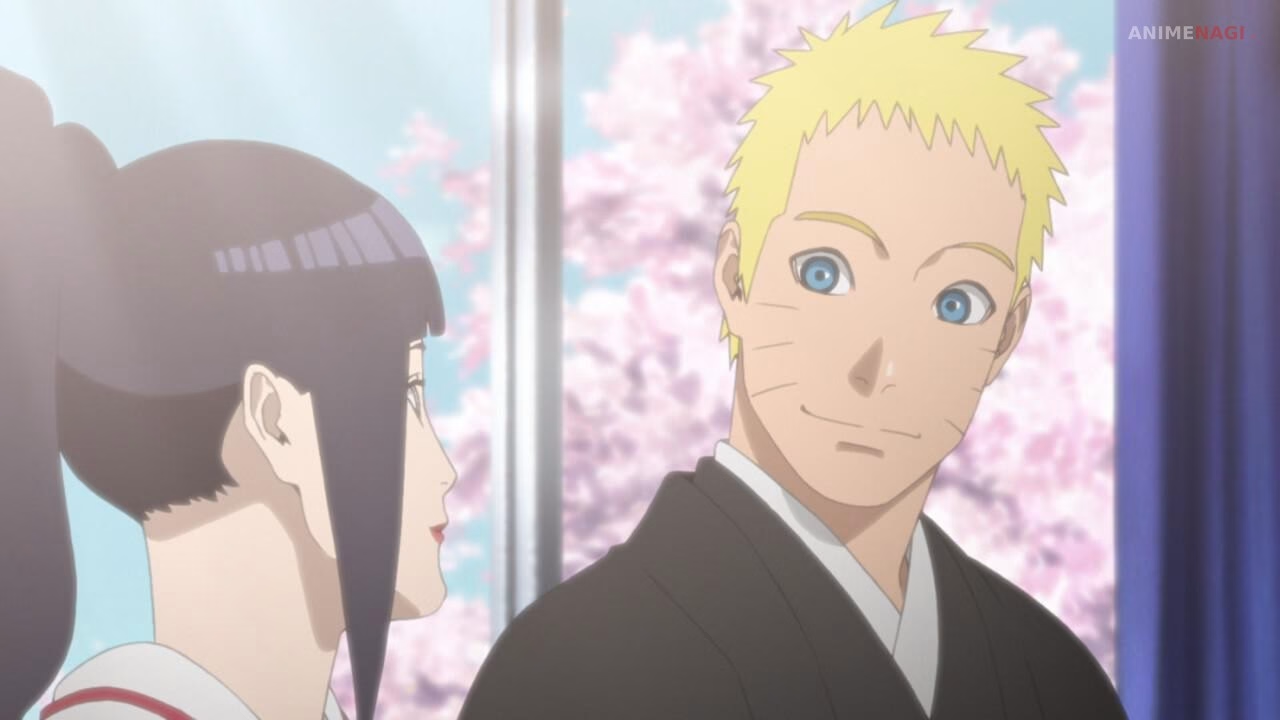
The Konoha Hiden arc primarily adapts the light novel Konoha Hiden: The Perfect Day for a Wedding. Rather than focusing on another major villain or war, the story centers on Naruto and Hinata’s wedding preparations while showing how the Hidden Leaf Village changed after the war. This arc acts as an emotional bridge between Naruto Shippuden and the more peaceful era later explored in Boruto: Naruto Next Generations.
Although smaller in scale compared to earlier arcs, Konoha Hiden plays a major role in giving emotional closure to many long-running Naruto characters.
What Is the Konoha Hiden Arc?
The Konoha Hiden arc appears near the end of Naruto Shippuden and adapts one of the official Naruto light novels released after the manga ended. In the anime, the arc spans Episodes 494 to 500 and serves as the final storyline before the transition into Boruto.
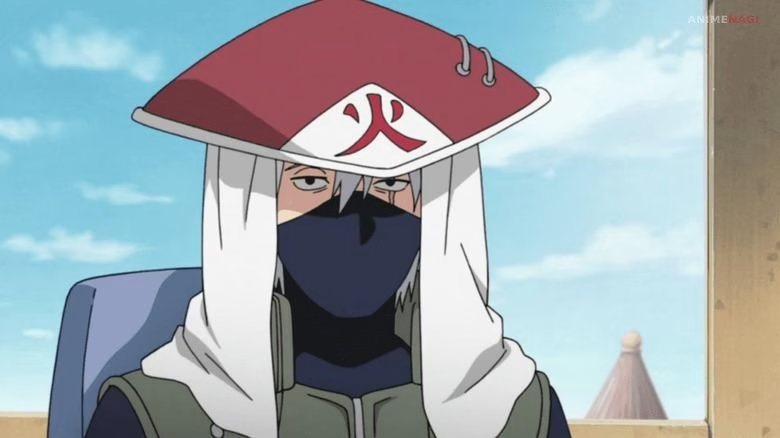
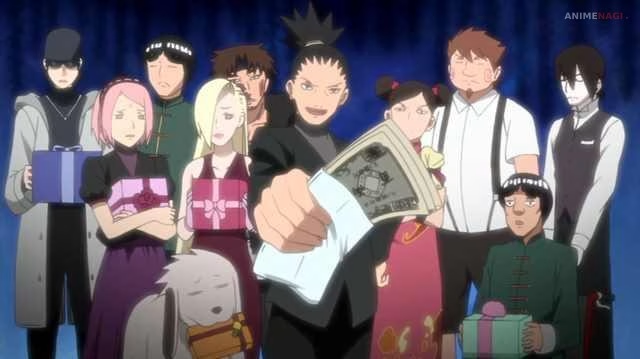
Instead of focusing on combat, the arc follows the Hidden Leaf Village preparing for Naruto and Hinata’s wedding. Kakashi, now serving as the Sixth Hokage, creates a special mission for Naruto’s friends. Since only a limited number of guests can attend the wedding, Kakashi decides that the shinobi who brings the best wedding gift will receive permission to attend the ceremony.
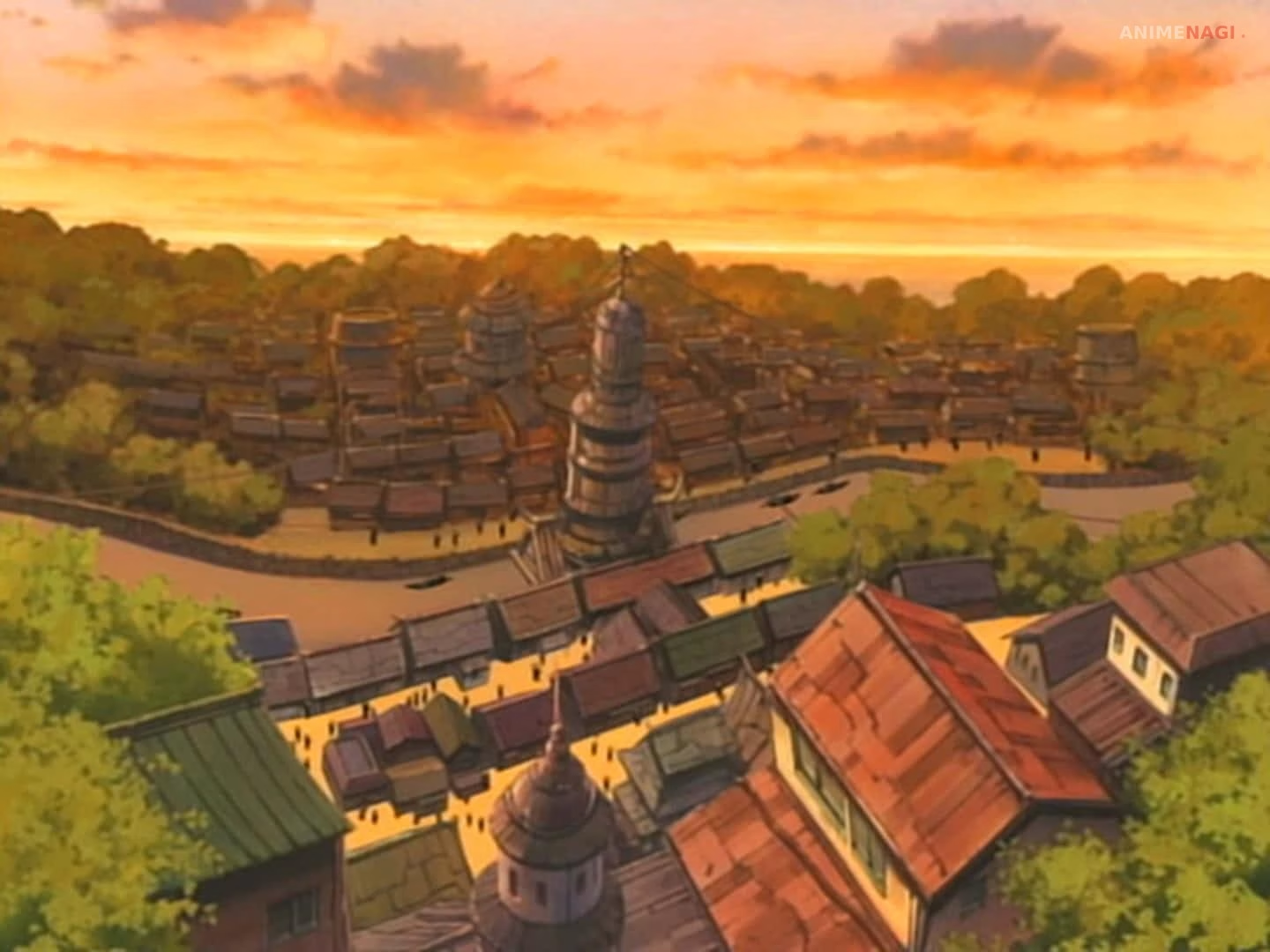
This unusual setup becomes the foundation for multiple character-focused stories. Different members of the Konoha 11 begin searching for meaningful gifts while reflecting on Naruto’s impact on their lives. As a result, the arc becomes less about the wedding itself and more about showing how the characters matured after years of hardship and war.
The lighter tone of Konoha Hiden intentionally contrasts with the darkness of the Fourth Great Ninja War. After hundreds of episodes filled with death and destruction, the arc focuses on healing, friendship, and emotional closure.
Why Naruto and Hinata’s Wedding Matters So Much
Naruto and Hinata’s wedding represents more than a romantic conclusion. Symbolically, it marks the beginning of a new era for the shinobi world. Throughout Naruto Shippuden, Naruto spent most of his life isolated and rejected by society. His marriage shows how completely his relationship with the Hidden Leaf Village changed by the end of the series.
Hinata’s role is equally important. Unlike many anime romances that receive little development, Naruto and Hinata’s relationship evolved slowly across both Naruto and Naruto Shippuden. Hinata consistently supported Naruto even during his lowest moments. Her confession during the Pain arc became one of the franchise’s most emotional scenes.
The relationship was explored more deeply in The Last: Naruto the Movie, which officially developed their romance before the wedding arc. Konoha Hiden then serves as the emotional payoff to that storyline.
The wedding also reflects the larger peace achieved after the war. Earlier Naruto arcs constantly showed villages divided by fear, revenge, and political conflict. By contrast, the Konoha Hiden arc depicts a shinobi world finally attempting to move forward peacefully.
How the Arc Gives Closure to Naruto’s Supporting Cast
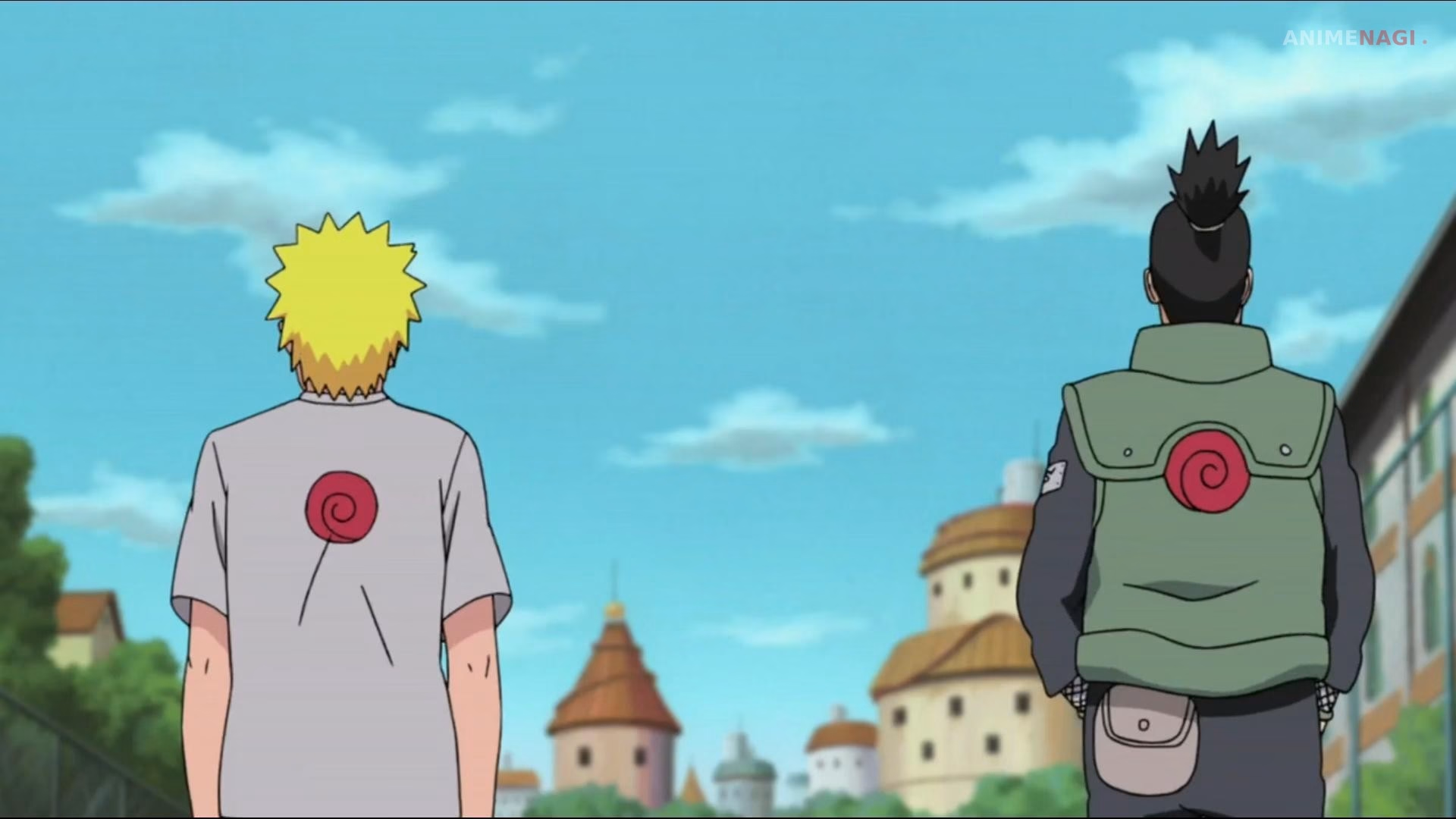
One reason fans appreciate the Konoha Hiden arc is because it focuses heavily on supporting characters who received less attention during the war’s climax. Rather than centering entirely on Naruto and Sasuke again, the story allows characters like Shikamaru, Rock Lee, Choji, Kiba, and Iruka to reflect on their relationships with Naruto.
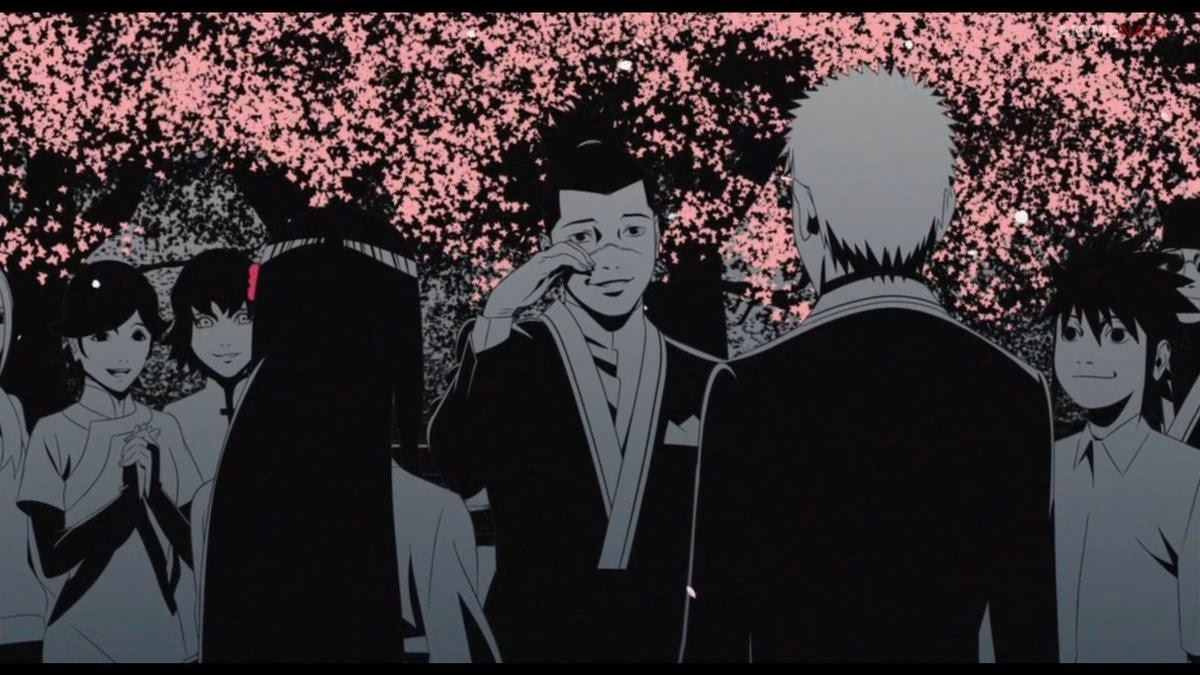
Iruka’s storyline is especially emotional. Throughout the original Naruto series, Iruka acted as Naruto’s first true parental figure. During the wedding preparations, Naruto asks Iruka to attend the ceremony in the role of his father. This moment resonates strongly because it acknowledges how important Iruka was to Naruto’s emotional growth.
Shikamaru also receives meaningful development during the arc. He reflects on how Naruto gradually became someone the entire village depended on. Earlier in the series, many characters underestimated Naruto because of his immaturity. Konoha Hiden shows how dramatically perceptions changed after the war.
Even smaller comedic moments carry emotional meaning because they show the characters finally experiencing normal life again. Earlier Naruto arcs rarely allowed characters time to simply relax and enjoy peace. Konoha Hiden intentionally slows down the pacing to emphasize that the war is truly over.
The Hidden Purpose of the Konoha Hiden Arc
Beyond the wedding storyline, Konoha Hiden serves a much larger narrative purpose. The arc helps transition Naruto from a war-focused story into the peaceful foundation later seen in Boruto. Without these quieter episodes, the jump from the Fourth Great Ninja War to Boruto’s modernized world would feel emotionally abrupt.
The Hidden Leaf Village shown in Konoha Hiden already begins resembling the calmer society seen later in Boruto. Characters focus more on relationships, careers, and rebuilding rather than survival. This tonal shift is intentional because the franchise itself was entering a new era.
The arc also reinforces one of Naruto’s core themes: ending cycles of hatred. Throughout Naruto Shippuden, the shinobi world remained trapped in endless conflict caused by revenge and historical trauma. Konoha Hiden shows the first genuine signs that Naruto’s generation succeeded in changing that system.
Importantly, the peace still feels earned rather than artificial. The arc constantly reminds viewers of the sacrifices made during the war. Characters appreciate ordinary happiness precisely because they experienced so much suffering beforehand.
How the Anime Differs From the Original Novel
The anime adaptation of Konoha Hiden remains fairly faithful to the original light novel, but there are some differences. The novel focuses more heavily on internal character thoughts and emotional reflections, while the anime expands certain comedic and slice-of-life moments visually.
The anime also uses the opportunity to revisit many fan-favorite characters before Naruto Shippuden ends completely. Since this was effectively the franchise’s farewell arc before Boruto, Studio Pierrot emphasized nostalgia and emotional callbacks throughout the adaptation.
Several scenes were extended to create a stronger emotional atmosphere. The anime places additional focus on the village’s celebration and the emotional reactions of Naruto’s friends. These additions help the final episodes feel more like a long goodbye to the Naruto era itself.
Because of this, many fans consider the anime version more emotionally impactful than the novel. Seeing the characters animated together one final time after years of following their journeys gave the arc significant emotional weight.
Why the Konoha Hiden Arc Still Matters Today
The Konoha Hiden arc remains important because it gives Naruto Shippuden emotional closure without relying on another major battle. Many long-running shonen anime struggle with endings because they continue escalating conflict until the story becomes emotionally exhausting. Naruto instead chose to end on healing and connection.
This approach fits the franchise’s themes perfectly. Naruto was always about loneliness, bonds, and understanding others. Ending the anime with a wedding rather than another war reinforces the idea that Naruto finally achieved the peaceful world he wanted to create.
The arc also serves as one of the final times the original Naruto cast appears together before adulthood changes their lives completely in Boruto. Watching characters celebrate together after years of pain creates a sense of completion that many fans still appreciate today.
Even viewers who prefer action-heavy Naruto arcs often acknowledge the emotional importance of Konoha Hiden. It allows both the characters and the audience to breathe after the intensity of the war. That quieter emotional focus is exactly why the arc continues resonating years after Naruto Shippuden ended.
How Konoha Hiden Connects Naruto Shippuden to Boruto
Konoha Hiden effectively acts as the bridge between two generations of Naruto storytelling. By the end of the arc, the shinobi world feels fundamentally different from the war-driven setting that defined most of Naruto Shippuden. Peace, modernization, and stability begin replacing constant conflict.
This transition becomes especially important when moving into Boruto. The younger generation grows up in a world shaped by Naruto’s achievements rather than by war itself. Konoha Hiden is the first arc that fully shows that societal change happening onscreen.
At the same time, the arc preserves the emotional legacy of Naruto’s generation. Characters are older, wiser, and emotionally exhausted after everything they endured. Their happiness during the wedding feels meaningful because viewers understand how much suffering preceded it.
Ultimately, Konoha Hiden works because it understands something many shonen finales forget. Emotional resolution matters just as much as defeating the final villain. Naruto Shippuden already delivered its biggest battles during the Fourth Great Ninja War. Konoha Hiden instead focused on what came afterward: healing, friendship, and finally learning how to live in peace.
Another reason the Konoha Hiden arc remains significant is how it subtly reinforces Naruto’s long-term dream of acknowledgment and belonging. From being an outcast feared by the village to becoming the center of a celebration attended by those same people, Naruto’s journey comes full circle in a deeply satisfying way. The wedding is not just a personal milestone but a symbolic reward for everything he endured throughout his life. It shows that the bonds he fought so hard to build were real and lasting, giving the series an emotional resolution that feels earned rather than forced.