Kozuki Oden’s execution in One Piece is one of the most powerful and emotional moments in the entire Wano Country arc. Unlike many deaths in the series, Oden’s final stand is not just about defeat but about sacrifice, legacy, and the future of an entire nation. His execution at the hands of Kaido and Orochi is brutal, symbolic, and deeply tied to the themes of honor and leadership that define Wano’s story.
What makes this moment unforgettable is not just how Oden dies, but how he chooses to die. Faced with an impossible situation, Oden turns his execution into a final act of defiance, protecting his retainers and ensuring that hope for Wano survives. His death becomes a turning point that inspires the Nine Red Scabbards and sets the stage for the rebellion against Kaido.
Understanding Oden’s execution requires breaking down the events leading up to it, the mechanics of the boiling punishment, and the true meaning behind his final sacrifice.
Who Is Kozuki Oden?
Kozuki Oden is the former daimyo of Kuri and the heir to the Kozuki clan, one of the most important families in Wano. Known for his immense strength and larger-than-life personality, Oden is a character who defies traditional expectations of leadership.
Before returning to Wano, Oden travels the world alongside Whitebeard and later Gol D. Roger. These experiences shape his worldview and expose him to the secrets of the world, including the importance of the Kozuki clan in relation to the Poneglyphs.
Oden’s dream is to open Wano’s borders to the outside world, breaking its long-standing isolation. This goal puts him in direct conflict with Orochi and Kaido, who seek to maintain control over the country for their own gain.
Oden’s execution is the result of a larger political and military struggle. After Orochi seizes power with Kaido’s support, Wano falls under a tyrannical regime that oppresses its people.
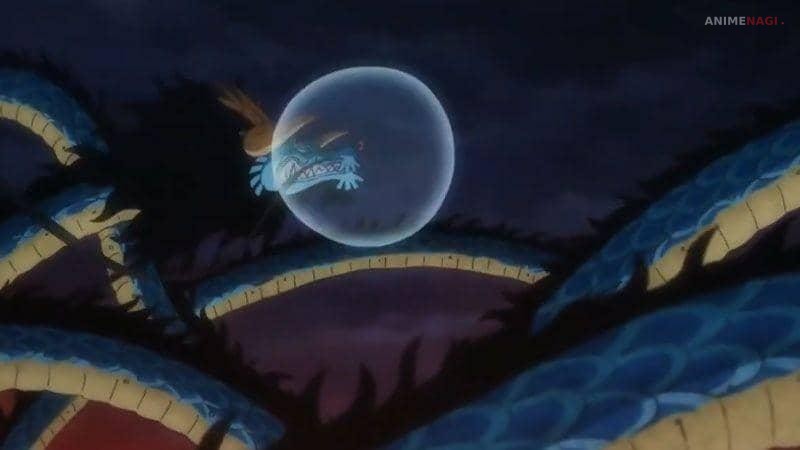
Oden initially attempts to resolve the situation through negotiation, agreeing to dance publicly in exchange for promises from Orochi. This humiliating act is misunderstood by the people of Wano, who begin to lose faith in him.
However, Orochi never intends to honor his promises. Once Oden realizes he has been deceived, he launches an attack against Kaido in an attempt to reclaim Wano.
Despite his strength, Oden is ultimately defeated due to a moment of distraction orchestrated by Kaido’s forces. This leads to his capture and sets the stage for his execution.
The Boiling Execution Explained
Oden’s execution is unlike anything seen in One Piece. Instead of a traditional execution, Kaido and Orochi decide to boil him alive in a giant pot of oil.
This method is both physically brutal and symbolically significant. Boiling represents a test of endurance and willpower, turning Oden’s death into a spectacle meant to break the spirit of his followers.
The conditions of the execution are even more extreme. Oden is forced to stand in the boiling oil for an extended period, with no chance of survival under normal circumstances.
However, Oden transforms this punishment into an opportunity to protect his retainers, changing the meaning of the execution entirely.
In a defining moment, Oden lifts the Nine Red Scabbards above his head while standing in the boiling oil. This act allows them to avoid direct contact with the oil, giving them a chance to survive.
Oden makes a deal with Kaido and Orochi: if he can endure the boiling for a set amount of time, his retainers will be spared. This condition turns the execution into a test rather than an immediate death sentence.
Despite the unbearable pain, Oden holds his position, refusing to let his retainers fall. His determination becomes a symbol of his strength and commitment to his people.
This moment is central to understanding Oden’s character. He prioritizes the lives of his followers over his own, embodying the qualities of a true leader.
The One-Hour Legend
Oden’s endurance during the execution becomes known as the “One-Hour Legend.” Against all odds, he survives in the boiling oil for an entire hour, an achievement that astonishes both allies and enemies.
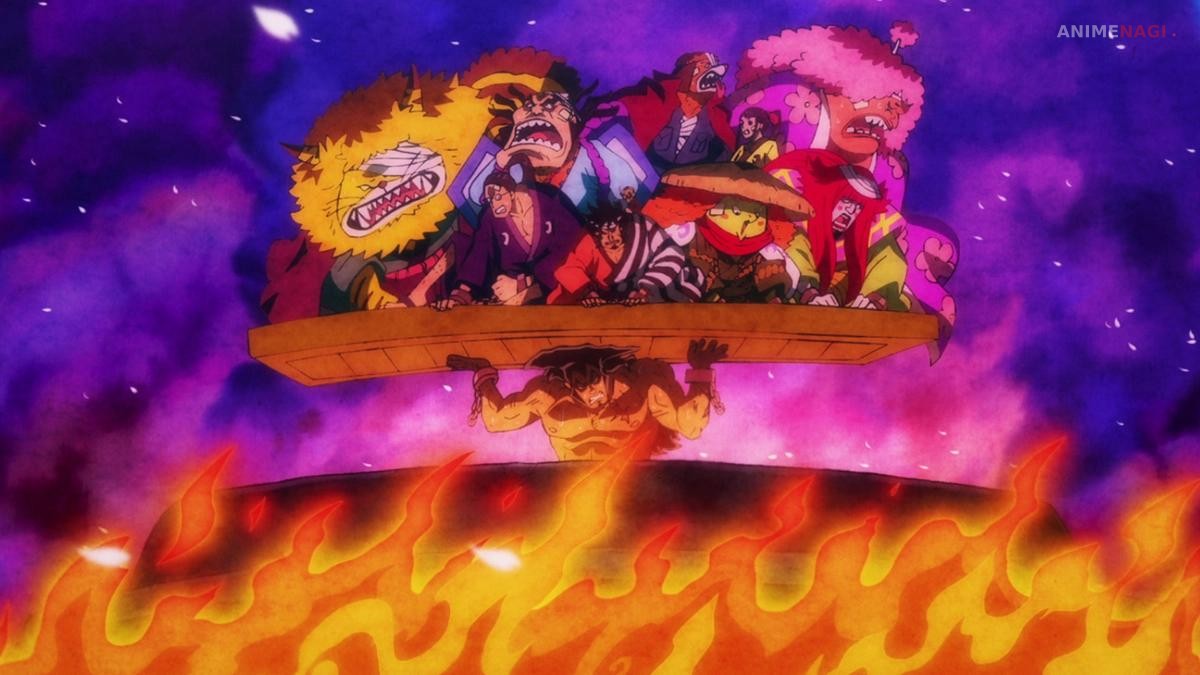
This feat is not just a display of physical strength but also mental resilience. Oden’s ability to withstand such extreme conditions elevates him to a near-mythical status within the story.
The crowd witnessing the execution begins to recognize his true nature. Even those who doubted him start to understand the depth of his sacrifice.
The “One-Hour Legend” cements Oden’s legacy as one of the greatest figures in Wano’s history.
Despite Oden fulfilling the condition of the deal, Kaido ultimately decides to execute him. This decision highlights the ruthless nature of Kaido and Orochi’s rule.
Kaido acknowledges Oden’s strength and honor but refuses to let him live, recognizing that Oden’s survival would threaten his control over Wano. Orochi, driven by fear and hatred, also ensures that the agreement is not honored.
The execution shifts from a test of endurance to a demonstration of tyranny. It shows that Kaido and Orochi have no intention of playing by fair rules.
This betrayal reinforces the stakes of the conflict and sets the stage for future rebellion.
In his final moments, Oden makes one last request: to be shot instead of continuing to suffer in the boiling oil. Kaido grants this request, delivering the final blow.
Before his death, Oden delivers a powerful message to his retainers. He urges them to open Wano’s borders and fulfill his dream, passing on his will to the next generation.
This moment is crucial because it transforms his death into a beginning rather than an end. His words inspire the Scabbards to continue fighting for Wano’s freedom.
Oden’s death is not portrayed as a defeat but as a meaningful sacrifice that ensures the survival of his ideals.
The Impact on the Nine Red Scabbards
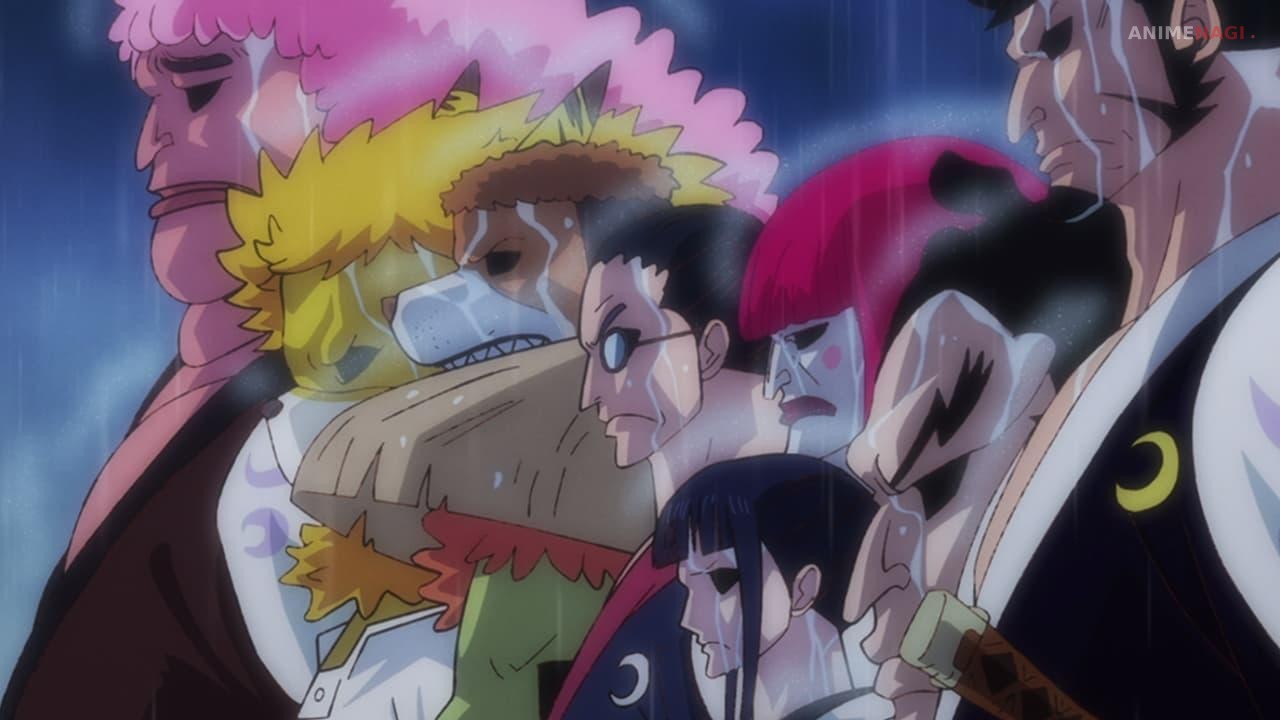
Oden’s execution has a profound impact on the Nine Red Scabbards. Having witnessed his sacrifice firsthand, they carry his will forward in their mission to defeat Kaido and liberate Wano. Each member of the Scabbards is shaped by this moment. Their loyalty to Oden becomes the driving force behind their actions in the present timeline.
The execution also strengthens their resolve. Instead of breaking them, it unites them under a shared purpose.This connection between Oden and the Scabbards is central to the emotional core of the Wano arc.
Oden’s death is a turning point for Wano. While it marks the fall of its greatest leader, it also plants the seeds of rebellion. His sacrifice ensures that the Scabbards survive, allowing them to carry out his plan years later. It also inspires other characters, including Momonosuke and the people of Wano, to resist Kaido’s rule.
The legacy of Oden becomes a symbol of hope. His story spreads throughout Wano, reminding people that change is possible. This long-term impact highlights the significance of his execution within the larger narrative.
Why Oden’s Execution Is One of One Piece’s Best Moments
Oden’s execution stands out because it combines emotional depth with narrative importance. It is not just a dramatic scene but a pivotal moment that influences the entire arc. The use of the boiling execution adds a unique visual and thematic element. It emphasizes endurance, sacrifice, and the harsh realities of Wano’s situation.
The scene also showcases Eiichiro Oda’s storytelling ability. By turning a brutal execution into a moment of heroism, the story creates a lasting impression on viewers. This balance of tragedy and inspiration is what makes the moment so memorable.
Kozuki Oden’s execution is a defining moment in One Piece, illustrating the power of sacrifice and the importance of legacy. By enduring the boiling oil and protecting the Nine Red Scabbards, Oden transforms his death into an act of heroism.
His final moments inspire those around him and ensure that his dream of opening Wano’s borders lives on. The betrayal by Kaido and Orochi underscores the stakes of the conflict, making the eventual rebellion even more impactful.
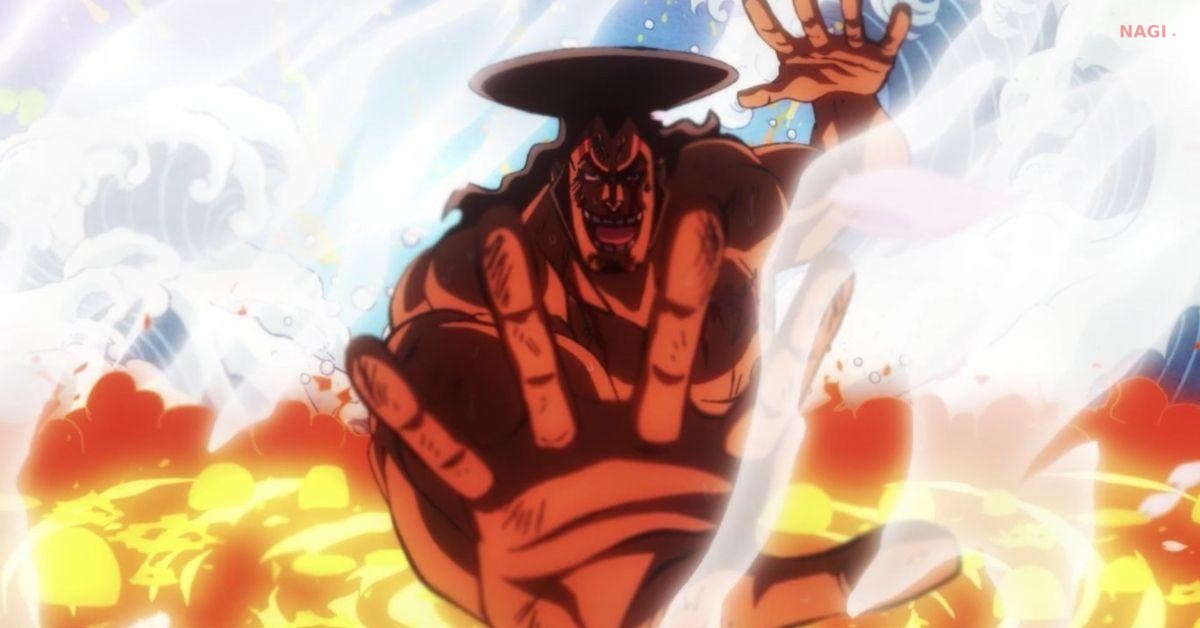
Understanding how Oden dies reveals the depth of his character and the significance of his role in the story. His execution is not just an ending but the beginning of a movement that changes Wano forever.
Oden’s execution also carries a deeper symbolic meaning tied to Wano’s cultural identity and its long-standing traditions. The act of boiling, while cruel, reflects the brutal justice system imposed by Orochi’s regime, contrasting sharply with the honorable values Oden represents. By enduring such a punishment without breaking, Oden reclaims the narrative of strength and dignity for his people.
His ability to stand tall in the face of unimaginable suffering transforms the execution into a statement against tyranny. It shows that even when physically defeated, a true leader can inspire resistance through unwavering resolve. This symbolic victory becomes just as important as any physical battle.
Another key aspect of Oden’s death is how it bridges the past and present timelines in One Piece. His sacrifice directly influences characters like Momonosuke, who inherits both his father’s will and the burden of leading Wano. The Scabbards’ mission to avenge Oden is not driven solely by revenge but by a desire to fulfill his vision for the country’s future.