The battle between Monkey D. Luffy and Charlotte Katakuri in One Piece stands as one of the most technically layered fights in the series. Unlike many previous battles that relied on raw strength or endurance, this clash centered heavily on speed, observation, and adaptability. Katakuri initially dominated the fight using his advanced Observation Haki, allowing him to predict Luffy’s attacks with near-perfect accuracy.
However, everything changed when Luffy dropped Gear Fourth Snakeman. This transformation introduced a new combat style built around unpredictable speed and constantly accelerating attacks. Instead of overwhelming Katakuri with brute force like Boundman, Snakeman focused on speed variation and attack redirection, directly challenging Katakuri’s Future Sight advantage.
Understanding why Snakeman overwhelmed Katakuri requires a closer look at how both fighters use speed, how Future Sight works, and why unpredictability became the deciding factor. This moment not only defined the outcome of the fight but also marked a major evolution in Luffy’s combat strategy.
The Foundation of Katakuri’s Speed and Future Sight
Charlotte Katakuri’s dominance in the early stages of the fight came from his mastery of Observation Haki. Unlike standard users, Katakuri could see slightly into the future, allowing him to anticipate attacks before they were executed. This ability gave him an overwhelming advantage against most opponents.
Katakuri combined Future Sight with his Mochi Mochi no Mi powers to reshape his body and evade incoming attacks. Instead of simply reacting quickly, he would already know where an attack was going and adjust his body accordingly. This made him nearly untouchable during the initial phases of the fight.
His speed was not just physical but perceptual. Because he could see events before they happened, his reactions appeared instantaneous. For Luffy, this created a situation where even his fastest attacks seemed ineffective.
This combination of predictive ability and flexible defense established Katakuri as one of the most difficult opponents Luffy had ever faced.

Why Boundman Was Not Enough
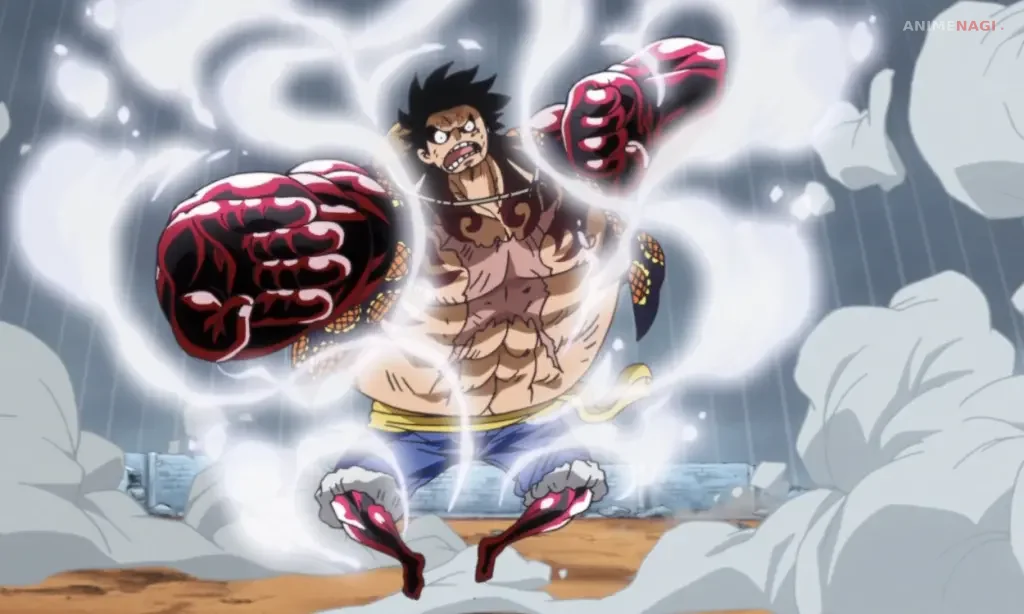
Luffy initially relied on Gear Fourth Boundman, a form that emphasizes raw power and explosive speed. Boundman allowed Luffy to deliver devastating blows and move at high velocity, but it lacked the precision needed to deal with Katakuri’s Future Sight.
Every attack Luffy launched in Boundman form was powerful but relatively straightforward. Katakuri could predict these movements and counter them before they connected. Even when Luffy increased his speed, the predictability of his attack patterns remained a major weakness.
Boundman also consumed a significant amount of stamina, limiting how long Luffy could maintain the form. This created a time constraint that worked in Katakuri’s favor, as he could simply outlast Luffy while continuing to evade his attacks.
The failure of Boundman highlighted a key problem. Speed alone was not enough to defeat Katakuri. Luffy needed a way to become unpredictable.
The Evolution of Luffy’s Observation Haki
A crucial turning point in the battle came when Luffy began developing his own advanced Observation Haki. Through continuous combat and exposure to Katakuri’s abilities, Luffy started to glimpse the future himself.
This development did not happen instantly. Luffy initially struggled to keep up with Katakuri’s predictions, but over time, he began to sense incoming attacks more effectively. This gradual improvement allowed him to survive longer and better understand Katakuri’s fighting style.
By the time Snakeman was introduced, Luffy had significantly improved his observational capabilities. While he was not as proficient as Katakuri, he had reached a level where he could partially counter Future Sight.
This progression was essential because it created the foundation for Snakeman’s effectiveness. Without improved Observation Haki, even Snakeman’s speed would not have been enough.
What Makes Snakeman Different from Boundman
Gear Fourth Snakeman represents a completely different combat philosophy compared to Boundman. While Boundman focuses on overwhelming force, Snakeman prioritizes speed, precision, and unpredictability.
In Snakeman form, Luffy’s attacks accelerate over time rather than relying on immediate explosive force. Techniques like Jet Culverin continuously change direction and increase speed as they travel. This makes them extremely difficult to track or predict.
The key advantage of Snakeman lies in its elasticity and control. Luffy can bend his attacks mid-flight, allowing them to pursue targets in unpredictable ways. This directly counters Katakuri’s ability to foresee linear attack patterns.
Additionally, Snakeman allows Luffy to maintain a more compact and agile form. This improves his mobility and enables him to keep up with Katakuri’s movements more effectively.
How Snakeman Counters Future Sight
Future Sight relies on predicting the outcome of an attack based on its initial trajectory. Snakeman disrupts this process by constantly altering that trajectory.
When Luffy launches an attack in Snakeman form, it does not follow a fixed path. Instead, it bends, twists, and accelerates unpredictably. Even if Katakuri can see the future, the constantly changing nature of the attack makes it difficult to determine its final point of impact.
This creates a delay in Katakuri’s reactions. Instead of immediately adjusting his body to avoid an attack, he must continuously reassess its path. This slight hesitation is enough for Luffy’s attacks to connect.
The increasing speed of Snakeman’s techniques further compounds this problem. As the attacks accelerate, Katakuri has less time to adapt, reducing the effectiveness of his Future Sight.
This combination of unpredictability and acceleration is what allows Snakeman to break through Katakuri’s defenses.
The Importance of Attack Acceleration
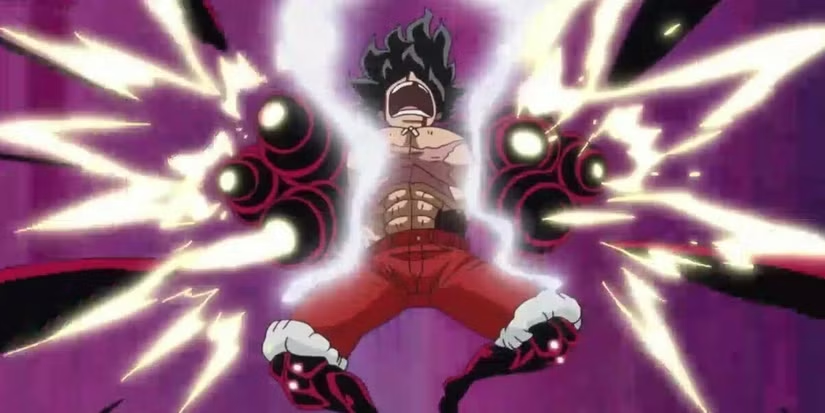
One of Snakeman’s defining traits is that its attacks become faster over time. This is a crucial factor in overwhelming Katakuri.
Most attacks in One Piece have a fixed speed once launched. Snakeman’s techniques, however, gain momentum as they travel. This means that even if Katakuri initially predicts the attack, its increasing speed can outpace his reaction.
This mechanic also forces Katakuri to commit to defensive actions earlier than usual. If he misjudges the timing, he risks being hit by an attack that suddenly accelerates beyond his expectations.
Over the course of the fight, this pressure begins to wear down Katakuri. He is forced into a more reactive position rather than maintaining his usual dominance.
The acceleration aspect of Snakeman therefore plays a critical role in shifting the momentum of the battle.
Speed vs Prediction: The Core of the Clash
The Luffy vs Katakuri fight ultimately becomes a battle between speed and prediction. Katakuri relies on knowing what will happen, while Luffy evolves to make his actions harder to predict.
Snakeman represents the perfect counter to Future Sight because it introduces chaos into the equation. Instead of following predictable patterns, Luffy’s attacks behave unpredictably, reducing the reliability of Katakuri’s foresight.
This dynamic creates a fascinating shift in the fight. Katakuri, who was once completely in control, begins to struggle against an opponent he can no longer fully predict.
The clash highlights a key theme in One Piece. Strength alone is not enough to win battles. Adaptability and creativity play an equally important role.
Luffy’s ability to evolve during the fight ultimately allows him to overcome Katakuri’s advantage.
The Psychological Shift in the Battle
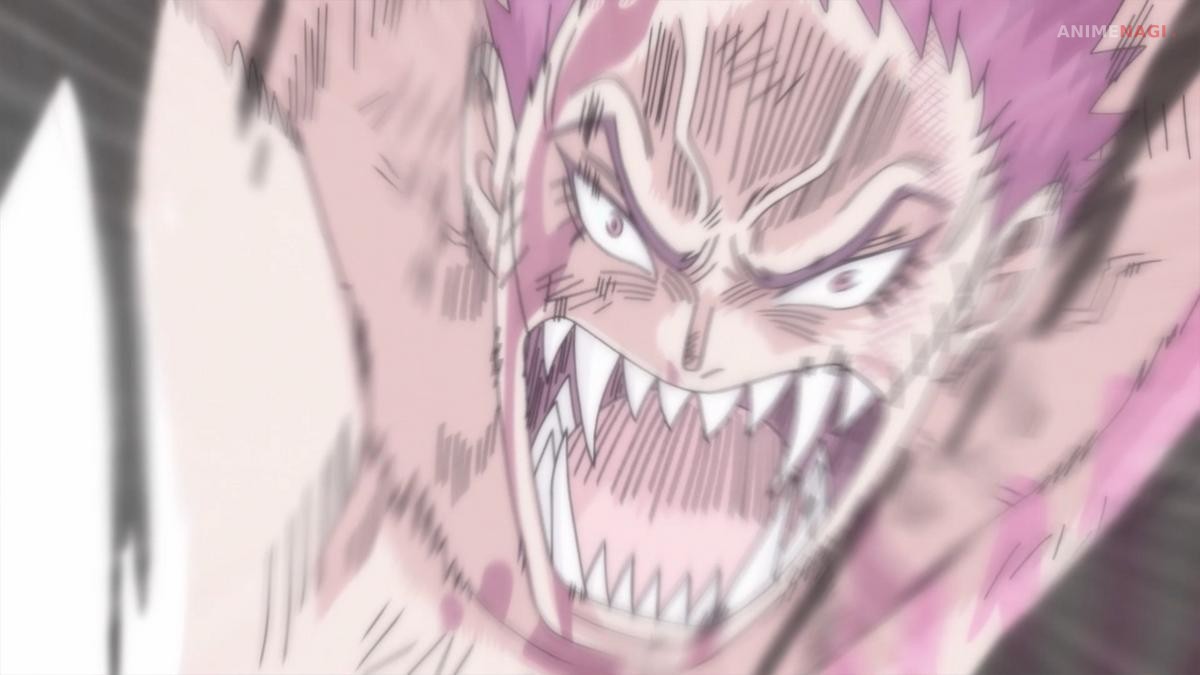
Beyond the technical aspects, Snakeman also triggers a psychological shift in the fight. Katakuri, who had always been calm and composed, begins to show signs of strain.
For the first time, he faces an opponent who can challenge his Future Sight. This disrupts his confidence and forces him to fight more aggressively.
At the same time, Luffy gains confidence as his attacks begin to land. The momentum of the battle gradually shifts in his favor.
This mental aspect is crucial because it affects how both fighters approach the fight. Katakuri becomes less precise, while Luffy becomes more determined.
The psychological pressure created by Snakeman therefore contributes significantly to its effectiveness.
Why Snakeman Ultimately Overwhelms Katakuri
Snakeman overwhelms Katakuri not because it is overwhelmingly stronger, but because it directly counters his greatest strength. By combining unpredictable trajectories, accelerating speed, and improved Observation Haki, Luffy creates a fighting style that Katakuri cannot fully adapt to.
Katakuri’s Future Sight remains powerful, but it is no longer sufficient to guarantee victory. The constant need to reassess Luffy’s attacks reduces his reaction time and increases the likelihood of mistakes.
Over time, these small advantages accumulate. Luffy begins to land more hits, gradually wearing down Katakuri.
The fight ultimately becomes a test of endurance, adaptability, and willpower. Snakeman gives Luffy the tools he needs to compete on equal footing, but it is his determination that allows him to push through.
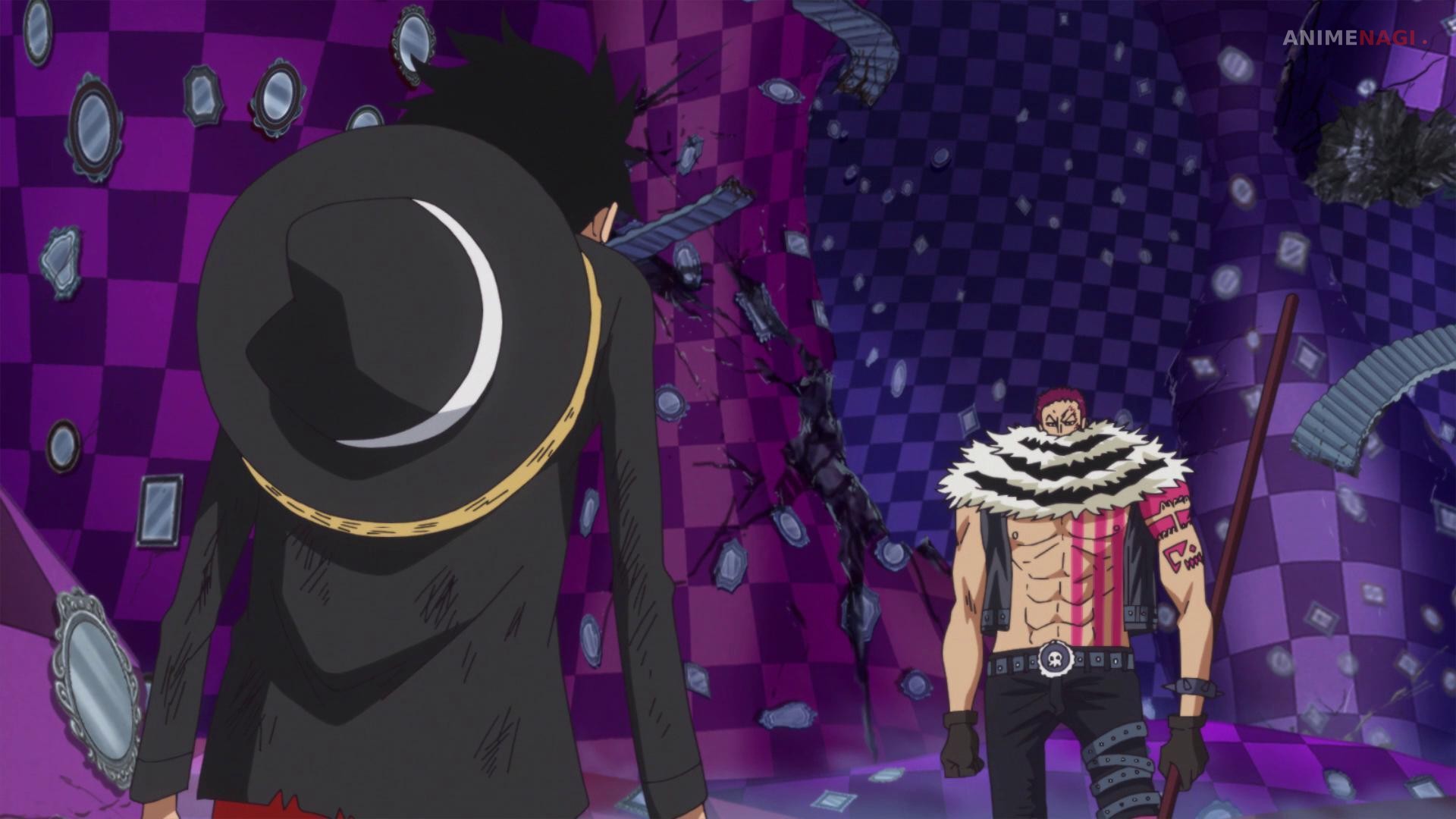
The speed clash between Luffy and Katakuri is one of the most strategic battles in One Piece. Snakeman’s introduction marks a turning point where unpredictability overcomes foresight, allowing Luffy to break through an opponent who once seemed untouchable.
By evolving his Observation Haki and adopting a new combat style, Luffy transforms the fight from a one-sided struggle into a balanced clash. Snakeman’s accelerating attacks and unpredictable movements directly counter Katakuri’s Future Sight, creating openings that did not exist before.
More importantly, this battle showcases Luffy’s greatest strength: his ability to adapt. Rather than relying on raw power, he finds a way to overcome his opponent’s advantages through innovation and persistence.
In the end, Snakeman does not just represent a new form. It symbolizes Luffy’s growth as a fighter, proving that even the most overwhelming abilities can be challenged with the right strategy.