The Udon Prison sequence in One Piece is one of the most underrated turning points in the Wano arc, especially for character development. While it initially looks like a simple imprisonment storyline after Monkey D. Luffy is defeated by Kaido, it quickly becomes a crucial training and rivalry arc. The presence of Eustass Kid adds another layer, turning Udon into a battleground of pride, endurance, and willpower. This is where both captains prove their strength without relying on their Devil Fruit abilities.
One of the most important elements of this arc is the subtle but powerful display of Conqueror’s Haki. Although there is no traditional lightning-filled clash like later in the series, Luffy and Kid’s interactions clearly show the presence of kingly ambition. Their refusal to submit, even under extreme conditions, reflects the essence of Conqueror’s Haki. This makes Udon Prison a foundational moment for understanding their rivalry.
Eiichiro Oda uses this environment to strip both characters down to their core traits. Without their powers, titles, or crews, Luffy and Kid rely purely on willpower and physical endurance. The result is a quiet but meaningful “clash” of Conqueror’s Haki that foreshadows their future roles in the New World. Understanding this moment helps explain how both pirates continue to rise toward the top.
What Is Conqueror’s Haki in One Piece?
Before breaking down the clash, it is important to understand what Conqueror’s Haki actually represents. Conqueror’s Haki, also known as Haoshoku Haki, is a rare ability possessed by individuals with the qualities of a king. Unlike Observation or Armament Haki, it cannot be trained in the traditional sense. It is tied directly to a person’s spirit, ambition, and dominance.
Characters like Gol D. Roger, Shanks, and Whitebeard are known for using this ability at the highest level. In its basic form, Conqueror’s Haki allows users to overwhelm weaker opponents with their presence alone. More advanced users can even coat their attacks with it, creating devastating effects in battle.
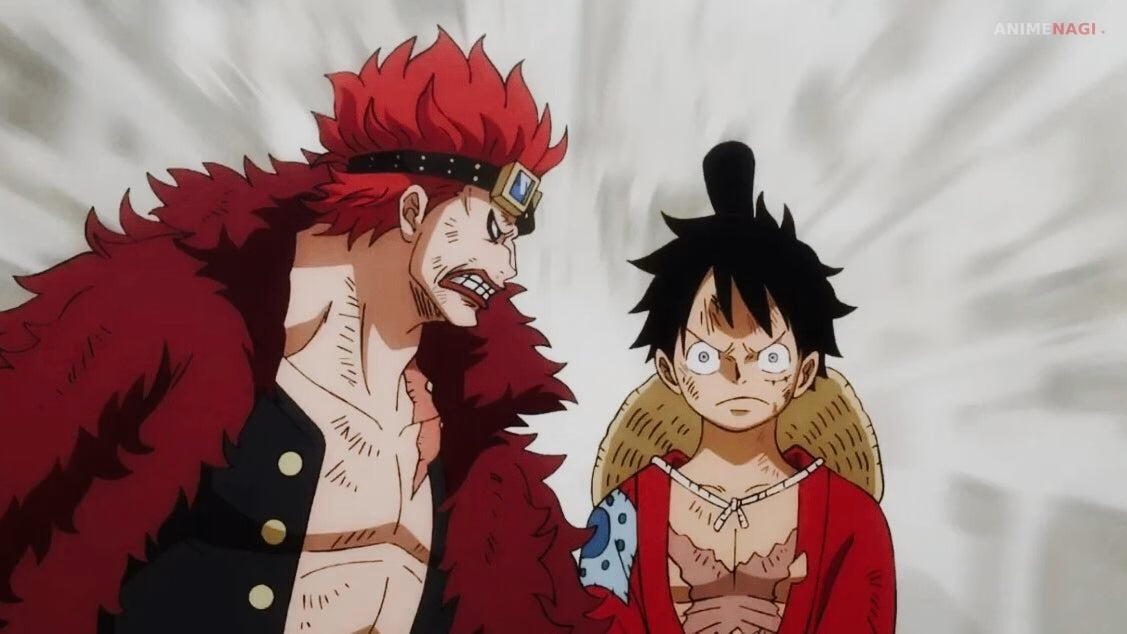
Luffy was confirmed to possess Conqueror’s Haki much earlier in the series, while Kid was also revealed to have it during the Wano arc. This immediately positioned both characters as future top-tier contenders. Their meeting in Udon Prison was not just a coincidence, but a deliberate setup by Oda to highlight their shared potential.
Why Udon Prison Stripped Away Their Devil Fruit Powers
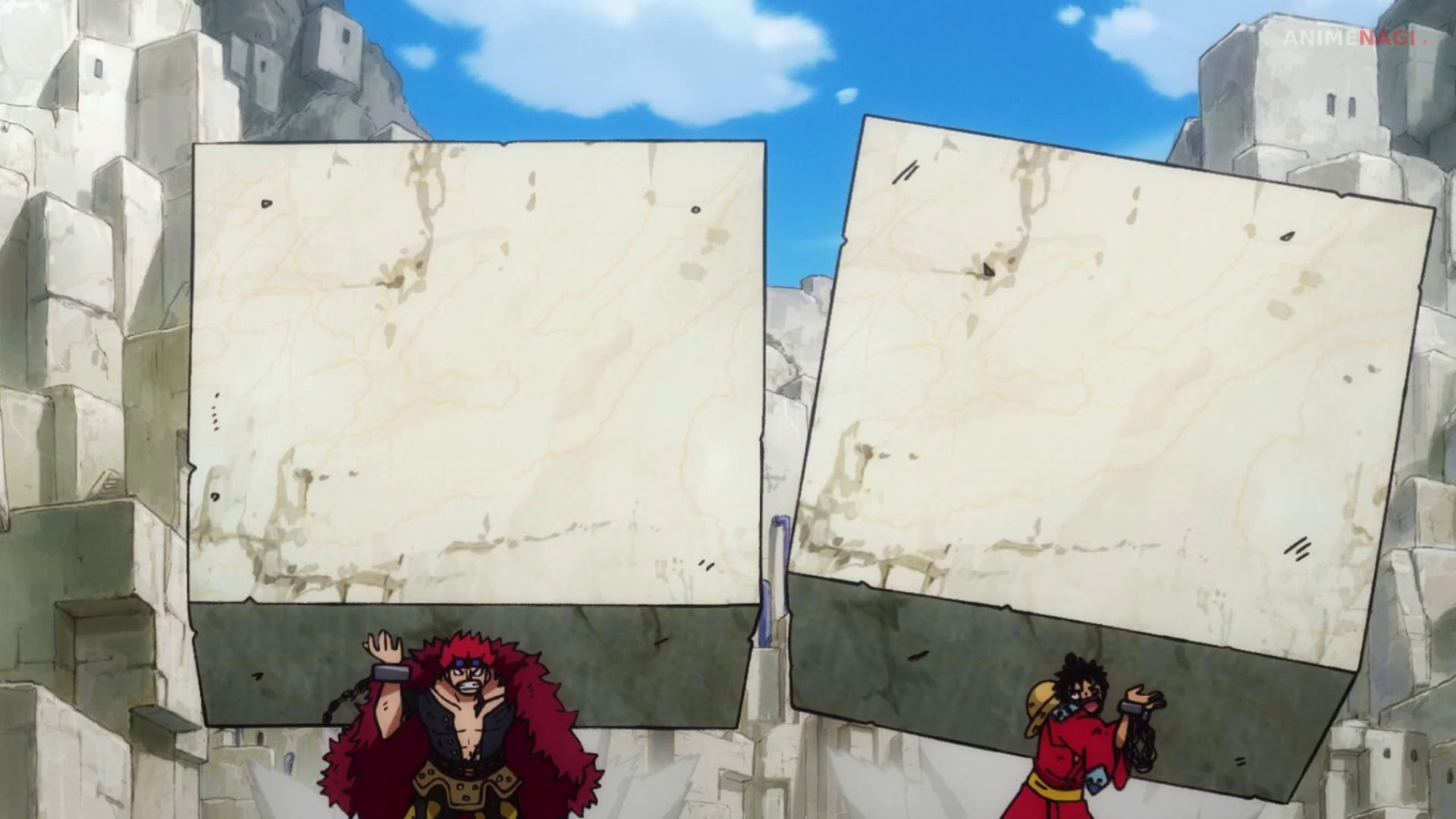
Udon Prison is specifically designed to suppress powerful prisoners, especially Devil Fruit users. Both Luffy and Kid are forced to wear seastone cuffs, which weaken their bodies and prevent them from using their abilities effectively. This immediately removes their usual fighting styles and forces them to rely on raw strength.
Seastone mimics the energy of the sea, which is the natural weakness of all Devil Fruit users. While the cuffs used in Udon are slightly modified to allow movement, they still drain stamina significantly. This makes even basic physical tasks extremely exhausting for Luffy and Kid. The prison system uses this to control inmates through forced labor.
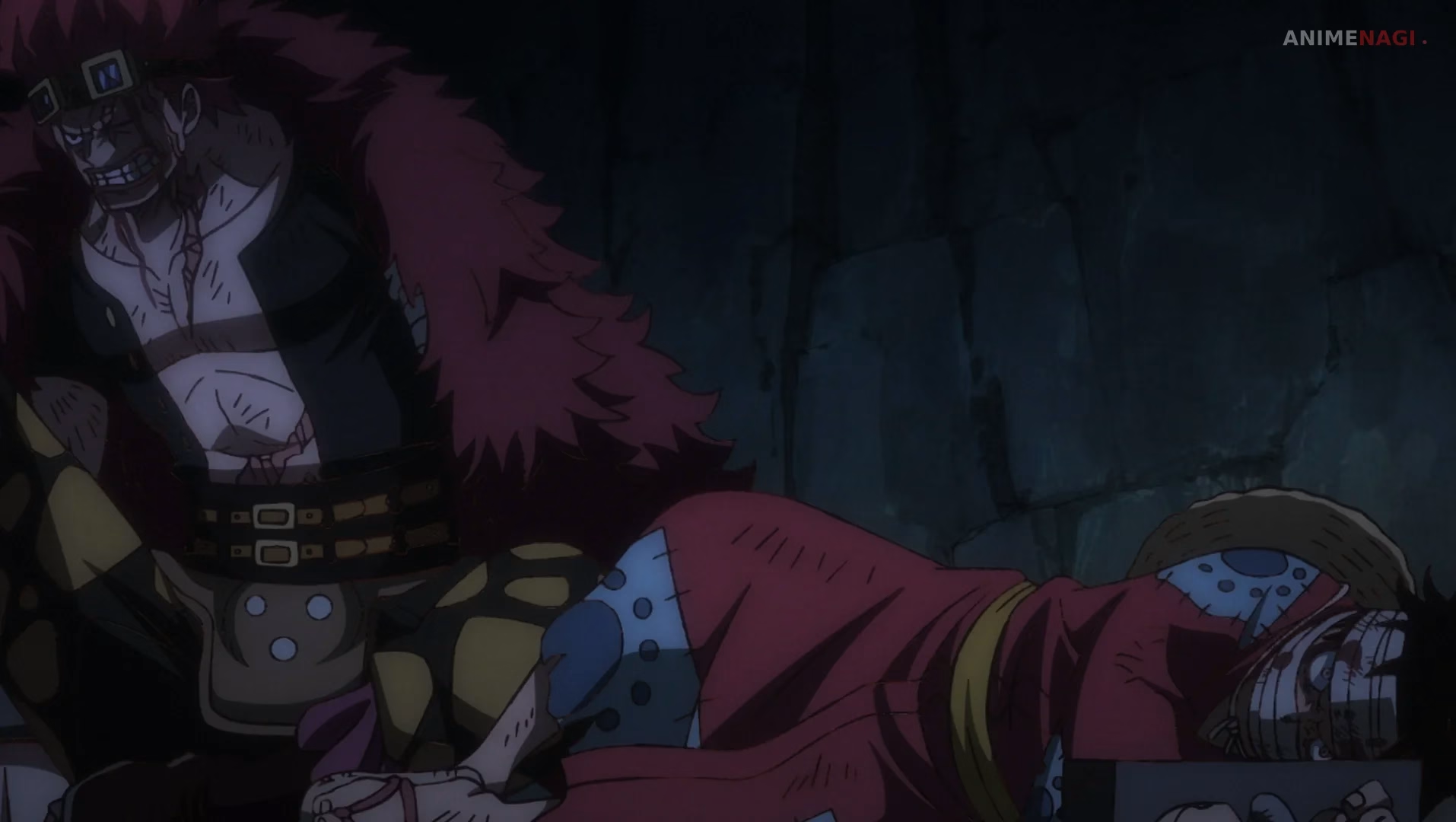
However, instead of breaking their spirits, this environment pushes both characters to adapt. They turn their labor into competition, constantly trying to outperform each other. This rivalry becomes the foundation of their “clash,” as it reveals their unwillingness to submit. Even without powers, their presence alone dominates the prison.
How Luffy and Kid’s Rivalry Becomes a Conqueror’s Haki Clash
The clash between Luffy and Kid in Udon is not a traditional fight, but a battle of dominance. Both captains refuse to acknowledge the other as superior, creating constant tension between them. Their interactions are filled with competitive energy, from carrying stone blocks to enduring punishment. This rivalry mirrors the kind of clashes seen between top-tier pirates.
Even without visible lightning effects, their presence influences the environment around them. Other prisoners begin to recognize their strength and leadership qualities. The guards also treat them differently, understanding that they are not ordinary inmates. This is a subtle but clear indication of Conqueror’s Haki at work.
What makes this clash unique is its grounded nature. Instead of dramatic combat, Oda focuses on endurance, pride, and mental strength. Both Luffy and Kid refuse to kneel, no matter how harsh the conditions become. That refusal itself is the essence of Conqueror’s Haki.
The Symbolism Behind Their Silent Clash
The Udon Prison rivalry carries strong symbolic meaning within One Piece. Luffy and Kid represent two different paths toward becoming Pirate King, yet they share the same unbreakable will. Their clash is not about defeating each other, but about proving who can endure more. This reflects the larger theme of survival in the New World.
Both characters are part of the Worst Generation, a group defined by their ambition and defiance of authority. By placing them in a powerless state, Oda highlights what truly sets them apart from others. It is not their abilities, but their mindset. Even in chains, they behave like kings.
This moment also foreshadows future Conqueror’s Haki clashes in the series. Later battles show advanced forms of this ability, but Udon serves as a foundation. It shows that Conqueror’s Haki is not just about power, but about presence. Luffy and Kid dominate the prison without throwing a single decisive punch at each other.
How This Moment Foreshadows Advanced Conqueror’s Haki
The Udon Prison sequence becomes even more important when viewed in the context of later events. Luffy eventually learns to use advanced Conqueror’s Haki, allowing him to coat his attacks without physical contact. This ability becomes essential in his battle against Kaido. The seeds of that growth are planted during his time in Udon.
Kid, while not shown using advanced Conqueror’s Haki in the same way, still demonstrates immense willpower throughout Wano. His ability to stand alongside Luffy and challenge Yonko-level opponents reinforces his status as a top contender. The Udon rivalry establishes him as Luffy’s equal in spirit, even if their fighting styles differ.
This connection between early and later moments is a hallmark of Oda’s storytelling. He often introduces concepts subtly before expanding on them in major battles. The Udon clash is a perfect example of this approach. It quietly sets up the importance of Conqueror’s Haki without overwhelming the audience.
Why Their Clash Matters for One Piece’s Power System
The Udon Prison rivalry highlights a key idea in One Piece: true strength comes from willpower, not just abilities. By removing Devil Fruits from the equation, Oda forces both characters to rely on their core traits. This reinforces the importance of Haki as the ultimate power system in the series.
True Strength=Willpower+Endurance+Ambition
This idea becomes central to the final saga, where battles are no longer decided by abilities alone. Characters must combine Haki mastery with physical strength and mental resilience. Luffy and Kid’s time in Udon prepares them for this level of combat. It ensures that their growth feels earned rather than sudden.
The prison arc also demonstrates that Conqueror’s Haki is not limited to combat situations. It can influence environments, inspire allies, and intimidate enemies even without direct confrontation. This makes it one of the most versatile and thematically important abilities in the series.