The Onigashima Raid in One Piece is one of the most carefully planned operations in the Wano Country arc, bringing together samurai, pirates, and allies to take down Kaido and his forces. The strategy relies on stealth, timing, and coordination, with the alliance aiming to strike during the Fire Festival when Kaido’s army is distracted. However, as expected from Monkey D. Luffy, the plan does not go as intended.
Instead of waiting for the perfect moment, Luffy launches an early attack that disrupts the entire strategy. While this seems reckless on the surface, it plays a crucial role in how the battle unfolds. His impulsive decision reflects his personality, leadership style, and the broader themes of freedom in One Piece. Understanding why Luffy attacks early reveals how his actions both complicate and ultimately strengthen the alliance’s chances of victory.
The Original Onigashima Plan Explained
The alliance’s plan to raid Onigashima is built around secrecy and coordination. Led by Kin’emon and supported by the Straw Hat Pirates, the goal is to infiltrate Kaido’s base during the Fire Festival. This timing ensures that many of Kaido’s subordinates are distracted, reducing resistance and increasing the chances of success.
The plan also involves splitting forces into groups to target specific enemies and objectives. This includes freeing captives, isolating Kaido, and preventing reinforcements from gathering. Success depends heavily on everyone sticking to their assigned roles and maintaining discipline. In theory, it is one of the most organized operations in the series.
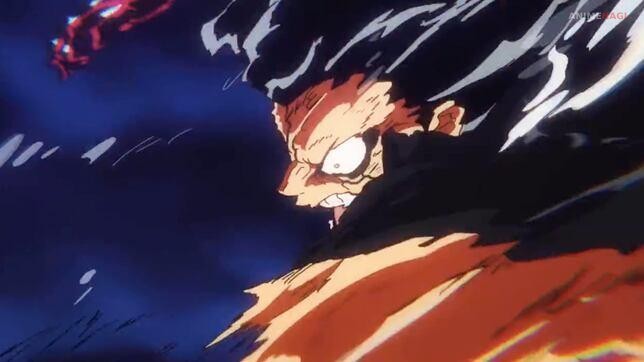
Luffy’s decision to attack early stems from his core personality traits rather than tactical reasoning. He does not believe in waiting when his friends and allies are in danger, and he prioritizes direct action over careful planning. When he sees the scale of Kaido’s operation and the suffering it has caused, he chooses to act immediately.
Another key factor is Luffy’s confidence in his own strength and growth. After training in Udon Prison and mastering advanced Haki techniques, he feels ready to challenge Kaido again. This confidence pushes him to engage earlier than planned, even if it disrupts the strategy. For Luffy, the emotional urgency of the moment outweighs the need for perfect timing.
How Luffy Disrupts the Plan
By attacking early, Luffy exposes the alliance’s presence sooner than intended. This eliminates the advantage of surprise and forces the battle to escalate immediately. Kaido’s forces become aware of the invasion, leading to a chaotic and unpredictable battlefield.
However, this disruption is not entirely negative. Luffy’s attack draws attention to himself, creating opportunities for other members of the alliance to move more freely. While the original plan falls apart, a new dynamic emerges where adaptability becomes more important than structure. This shift plays to the strengths of many characters involved in the raid.
Although Luffy’s impulsive move appears to ruin the plan, it ultimately benefits the alliance in several ways. First, it boosts morale among the allies, as his fearless attack inspires others to fight with greater determination. His presence on the battlefield signals that the final confrontation has truly begun.
Second, the chaos created by his attack prevents Kaido’s forces from organizing a coordinated defense. Instead of facing a unified enemy, the alliance fights multiple scattered battles, increasing their chances of success. Luffy’s unpredictability becomes an advantage, turning what seemed like a mistake into a strategic shift.