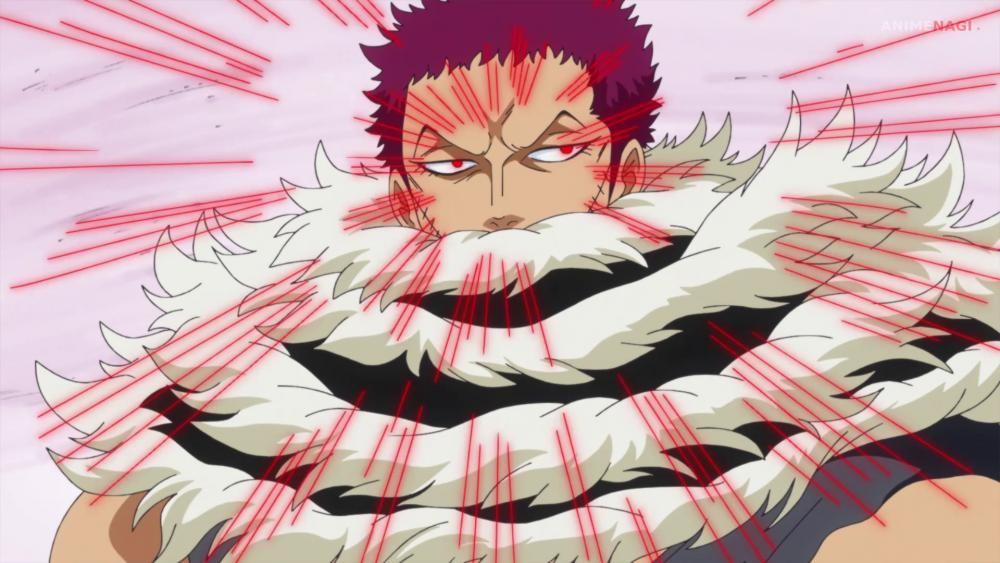
The battle between Monkey D. Luffy and Charlotte Katakuri in One Piece is one of the most technically layered fights in the entire series. It is not just a clash of strength, but a battle of skill, adaptability, and Haki mastery. At the center of this fight is Katakuri’s Future Sight, an advanced form of Observation Haki that allows him to predict Luffy’s moves before they happen.
For most of the fight, this ability makes Katakuri nearly untouchable. Luffy struggles to land meaningful hits, no matter how fast or powerful his attacks are. However, everything changes when Luffy reveals Gear Fourth: Snakeman, a form designed specifically to counter Katakuri’s predictive abilities.
This transformation is not just about increased power. It represents Luffy’s growth in both combat strategy and Haki usage. For many fans, the key question is clear. How does Snakeman bypass Future Sight, and why does it succeed where other forms fail? The answer lies in speed, trajectory, and unpredictability.
What Is Katakuri’s Future Sight?
Katakuri’s Future Sight is an advanced application of Observation Haki, allowing him to see slightly into the future. This ability gives him a massive advantage in combat, as he can anticipate attacks before they are executed.
Unlike basic Observation Haki, which senses intent, Future Sight provides a clear vision of upcoming movements. This allows Katakuri to dodge attacks with perfect timing and precision. It also enables him to counterattack effectively.
Throughout the fight, Katakuri demonstrates complete control over this ability. He remains calm and focused, which is essential for maintaining Future Sight. His composure becomes a key factor in his dominance.
This ability makes traditional combat strategies ineffective. Speed and strength alone are not enough to overcome someone who can see the future. Luffy is forced to find a different approach.
Understanding Future Sight is crucial to understanding why Snakeman works.
Why Luffy Struggles Against Katakuri Initially
At the start of the battle, Luffy relies on his existing abilities, including Gear Fourth: Boundman. While powerful, this form is not suited to counter Future Sight.
Boundman focuses on overwhelming force and high-impact attacks. However, its movements are relatively predictable. Katakuri can easily anticipate these attacks and avoid them.
Luffy’s lack of advanced Observation Haki also puts him at a disadvantage. He cannot read Katakuri’s movements in the same way, making it difficult to respond effectively.
This imbalance creates a one-sided fight. Luffy takes significant damage while struggling to land hits. It becomes clear that brute force is not enough.
This phase of the battle highlights the need for adaptation. Luffy must evolve both his strategy and his abilities to stand a chance.
The Evolution of Luffy’s Observation Haki
One of the most important aspects of this fight is Luffy’s growth in Observation Haki. Through constant exposure to Katakuri’s Future Sight, he begins to understand how it works.
Luffy gradually learns to sense intent more clearly. While he cannot fully replicate Future Sight immediately, he starts to anticipate attacks more effectively. This reduces the gap between him and Katakuri.
This development is driven by necessity. Luffy is forced to adapt in real time, pushing his limits to survive. His determination plays a key role in this growth.
The improvement in his Haki becomes a turning point. It allows him to react faster and make better decisions during the fight.
This evolution sets the stage for the introduction of Snakeman, which builds on these improvements.
What Is Gear Fourth: Snakeman?
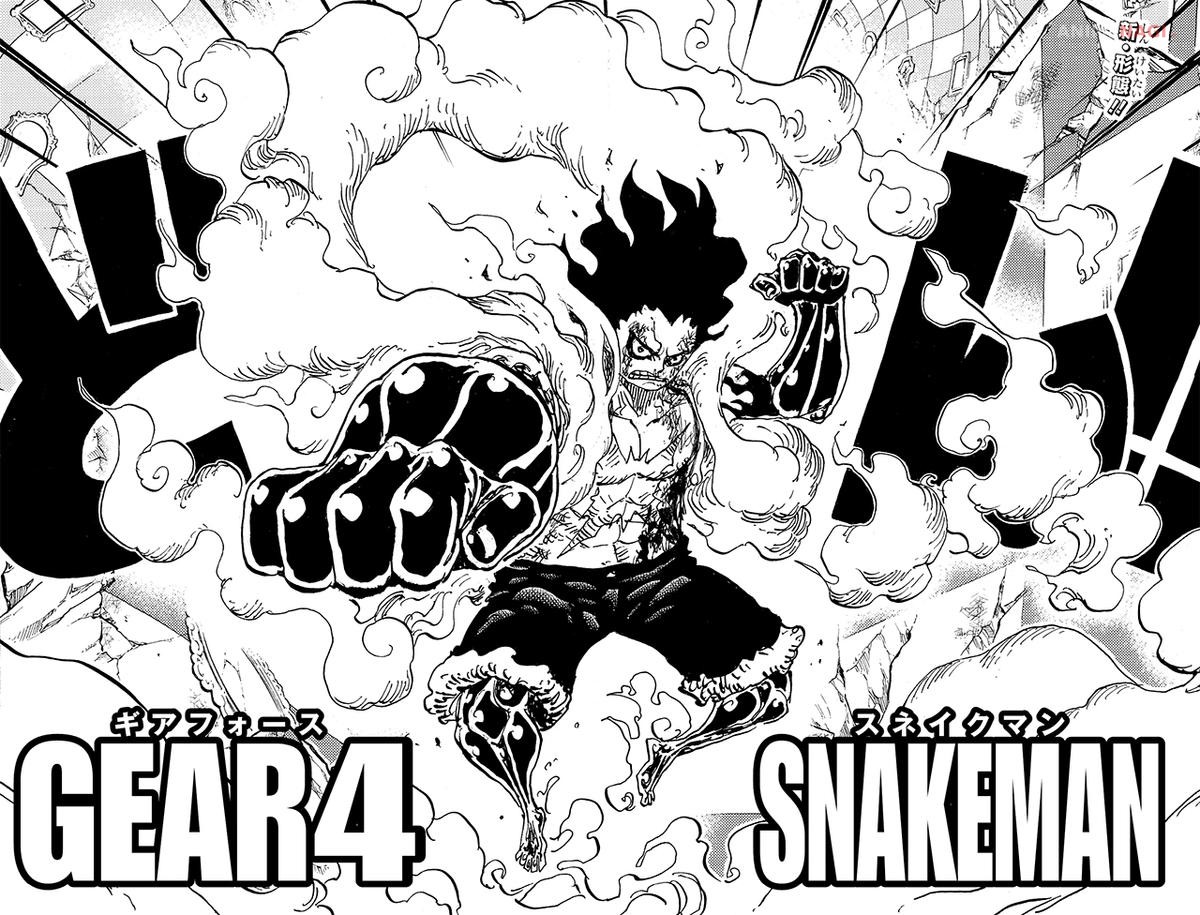
Snakeman is a specialized form of Gear Fourth designed for speed and unpredictability. Unlike Boundman, which emphasizes power and durability, Snakeman focuses on agility and continuous motion.
In this form, Luffy’s body becomes slimmer, allowing for faster movements. His attacks rely on rapid extensions and retractions, creating unpredictable trajectories.
The key feature of Snakeman is its ability to change direction mid-attack. This makes it difficult for opponents to predict where the strike will land. Even with Future Sight, the constantly shifting trajectory creates challenges.
Snakeman sacrifices some raw power for speed and precision. This trade-off is intentional, as it aligns with Luffy’s strategy against Katakuri.
This form represents a tactical evolution rather than a simple power-up.
How Snakeman Counters Future Sight
The effectiveness of Snakeman lies in its unpredictability. While Katakuri can see the future, he still relies on interpreting what he sees. Snakeman disrupts this process.
Luffy’s attacks do not follow a fixed path. Instead, they adjust dynamically, changing direction multiple times before reaching the target. This makes it difficult for Katakuri to determine the final point of impact.
Even if Katakuri sees the initial movement, the constant adjustments force him to react in real time. This reduces the advantage of Future Sight.
The speed of Snakeman also plays a crucial role. The rapid succession of attacks leaves little room for error. Katakuri must maintain perfect focus to keep up.
This combination of speed and unpredictability allows Luffy to land hits that were previously impossible.
The Role of Black Mamba and Jet Culverin
Two of Snakeman’s most notable techniques are Black Mamba and Jet Culverin. These attacks exemplify how the form counters Future Sight.
Jet Culverin involves Luffy extending his arm at high speed while continuously altering its trajectory. This creates a chasing effect, where the attack follows the target.
Black Mamba takes this concept further by launching multiple rapid strikes in succession. The sheer volume and speed of attacks overwhelm the opponent’s ability to react.
These techniques force Katakuri into a defensive position. Instead of predicting and countering, he must focus on avoiding damage.
The effectiveness of these moves highlights the strategic design of Snakeman. Each attack is tailored to counter Katakuri’s strengths.
This shift in momentum changes the dynamic of the fight.
Why Katakuri Still Remains a Threat
Despite Snakeman’s effectiveness, Katakuri is not easily defeated. His mastery of Haki and combat experience allow him to adapt to Luffy’s new form.
Katakuri begins to anticipate the patterns within Snakeman’s attacks. While not perfect, this adaptation helps him regain some control. His resilience keeps the fight competitive.
His physical strength and endurance also play a role. Even when hit, he continues to fight at a high level. This prevents Luffy from gaining a decisive advantage.
The battle becomes a test of endurance and willpower. Both fighters push themselves beyond their limits, refusing to give up.
This balance ensures that the fight remains intense and engaging until the end.
The Turning Point: Luffy Matches Future Sight
As the fight progresses, Luffy reaches a critical point where he begins to use Future Sight himself. This development is the culmination of his growth during the battle.
By achieving this level of Observation Haki, Luffy closes the gap with Katakuri. The fight becomes more balanced, with both fighters able to anticipate each other’s moves.
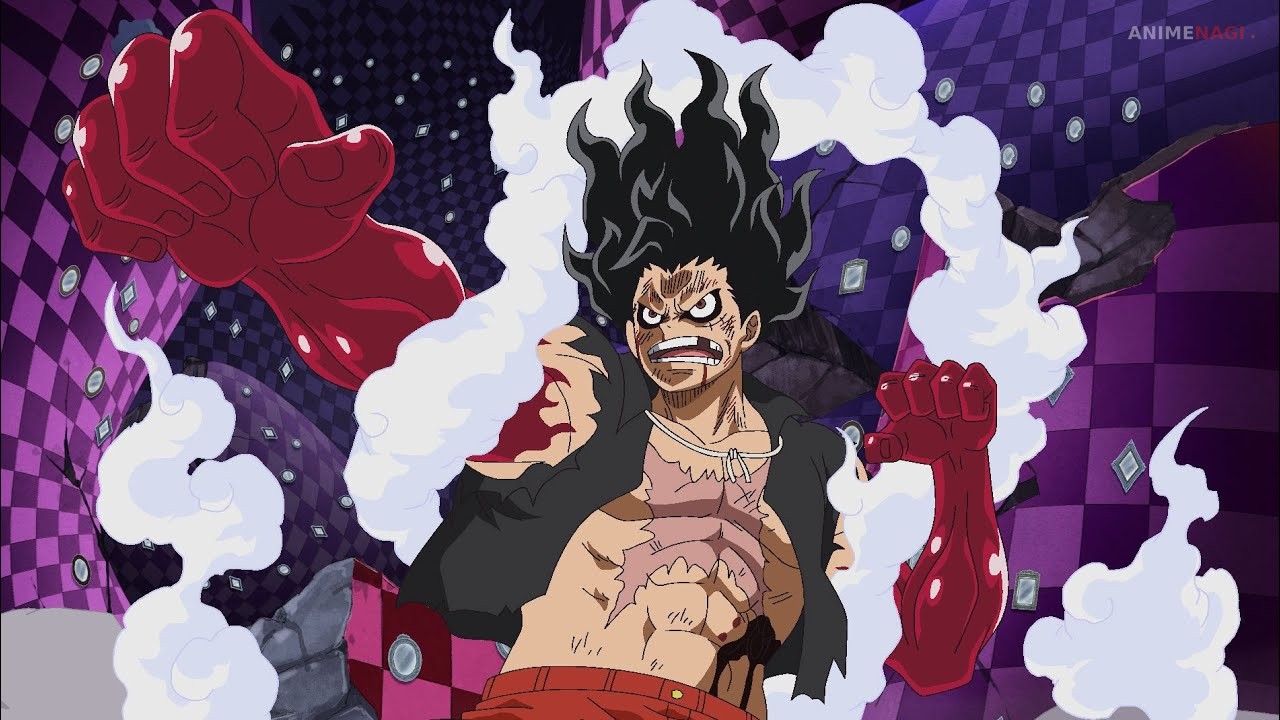
This shift changes the nature of the battle. It is no longer about overcoming an insurmountable advantage. It becomes a contest of skill and determination.
Snakeman continues to play a key role, but it is now supported by Luffy’s improved Haki. This combination allows him to compete on equal footing.
The turning point highlights the importance of growth and adaptation in One Piece.
The Symbolism Behind Snakeman
Snakeman carries symbolic meaning within Luffy’s journey. It represents his ability to adapt and evolve in response to challenges. Instead of relying on brute force, he uses strategy and creativity.
The form also reflects the idea of unpredictability. Just as a snake moves in unexpected ways, Luffy’s attacks become difficult to anticipate. This aligns with his personality as a fighter. The transformation shows that strength is not just about power. It is about understanding the opponent and finding the right approach.
Snakeman also connects to Luffy’s growth as a leader. His ability to adapt in battle mirrors his ability to navigate complex situations. This symbolism adds depth to the transformation, making it more than just a new form.
Luffy’s Snakeman is one of the most strategic transformations in One Piece, designed specifically to counter Katakuri’s Future Sight. By prioritizing speed, unpredictability, and adaptability, it allows Luffy to overcome a seemingly unbeatable ability.
The fight between Luffy and Katakuri showcases the importance of growth and evolution. Luffy’s development in Observation Haki and his ability to adapt his fighting style are key to his success.
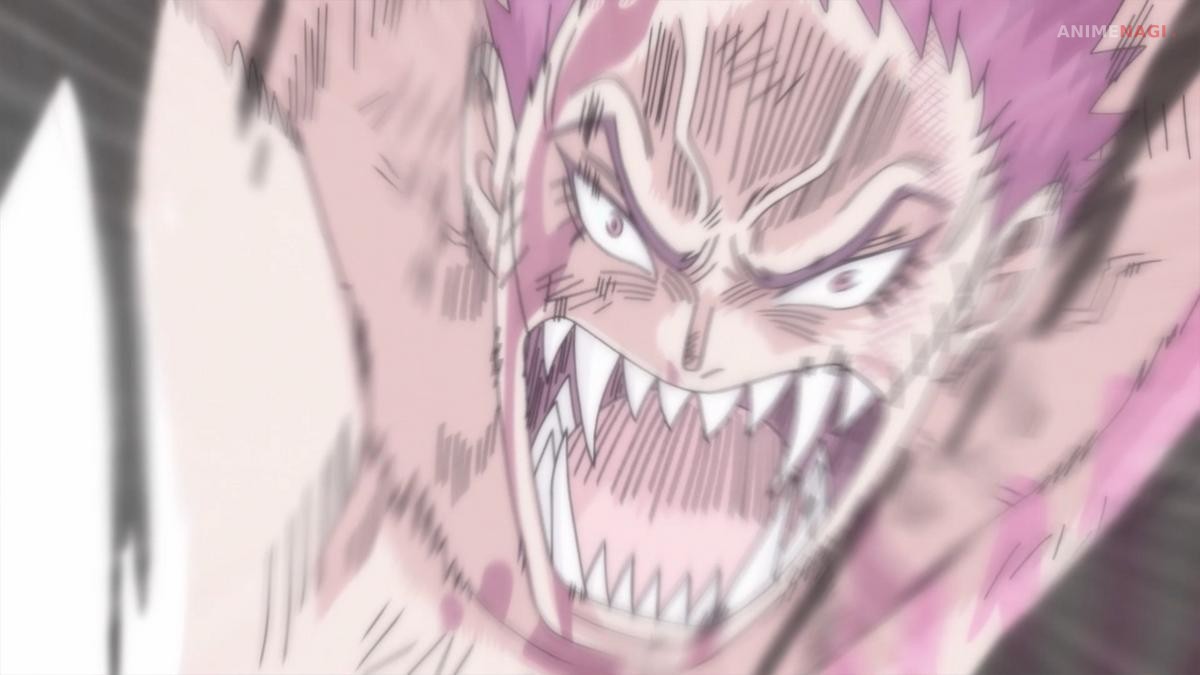
Snakeman is not just a power-up. It is a reflection of Luffy’s understanding of combat and his willingness to change. This makes it one of the most meaningful moments in the series.
In the end, the battle is not decided by strength alone. It is determined by strategy, resilience, and the ability to overcome limitations. Luffy’s Snakeman stands as a perfect example of how creativity and determination can defeat even the most powerful abilities in One Piece.
Another important aspect of Snakeman is how it reflects Luffy’s increasing battle intelligence in the New World. Earlier in the series, Luffy often relied on instinct and raw power to win fights, overpowering opponents through sheer determination. However, against Katakuri, that approach clearly fails, forcing him to think more strategically.
Snakeman becomes the result of that shift, showing that Luffy is now capable of analyzing his opponent’s strengths and designing a counter in real time. This evolution is crucial because it proves that Luffy is no longer just a powerful fighter, but a tactician who can adapt at the highest level.