Japan is often viewed internationally as one of the most creatively unrestricted countries when it comes to manga and anime. The industry is known for producing stories that explore violence, horror, sexuality, politics, psychological trauma, and controversial social themes with far fewer mainstream restrictions than many Western entertainment industries. However, the idea that manga and anime exist without censorship is not entirely accurate.
In reality, Japan has a long and complicated history of regulating media content through obscenity laws, local ordinances, broadcast standards, and industry self-censorship. While creators often enjoy significant artistic freedom, certain types of content continue facing restrictions, edits, or controversy depending on how they are distributed.
The debate around censorship has become even more intense in recent decades because anime and manga are now global industries rather than purely domestic Japanese media. International streaming services, changing social attitudes, and political pressure have all influenced how content is handled both inside and outside Japan.
Understanding manga and anime censorship therefore requires looking at more than just blurred images or edited scenes. It involves legal history, cultural values, publishing systems, broadcast regulations, and ongoing debates about artistic freedom versus social responsibility.
Here’s a full breakdown of how manga and anime censorship works in Japan, the major laws involved, the biggest controversies, and how censorship continues affecting creators, publishers, and fans today.
Japan’s Obscenity Laws Are the Foundation of Censorship
The foundation of Japanese media censorship largely comes from Article 175 of Japan’s Penal Code. This law prohibits the distribution of “obscene” materials, although the exact definition of obscenity has remained intentionally vague for decades.
Historically, the law primarily targeted explicit sexual content rather than violence or political themes. This is why Japanese adult media often uses censorship methods like mosaic blurring to obscure genitalia while still allowing highly explicit storytelling.
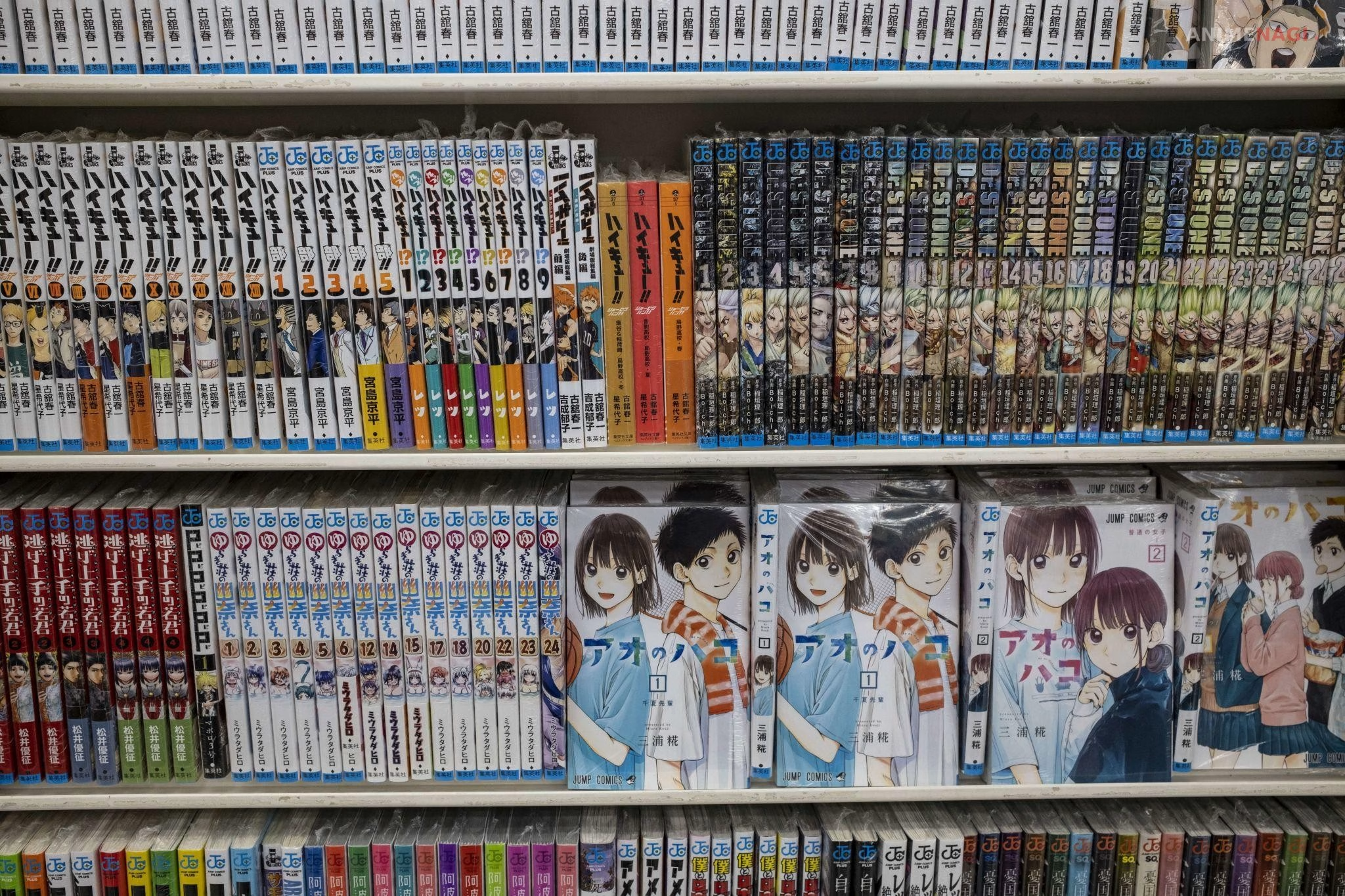
The vagueness of the law created a system where publishers and studios frequently self-regulate to avoid legal trouble. Rather than waiting for government punishment, companies often censor content proactively.
This approach shaped the anime and manga industry significantly because creators learned to work around restrictions through symbolism, stylized art, visual implication, or partial censorship techniques.
Why Violence Is Often Treated Differently Than Sexual Content
One aspect that confuses international audiences is how Japanese censorship standards frequently treat violence differently from sexuality.
Many anime series contain graphic violence, body horror, torture, or psychological trauma while still airing on television with relatively limited edits. Meanwhile, sexual content often receives stricter scrutiny under obscenity regulations.
This difference partly reflects Japan’s legal history and cultural standards surrounding obscenity laws. Violence is usually regulated more through television broadcast standards or age ratings rather than criminal obscenity law itself.
As a result, anime like Attack on Titan or Tokyo Ghoul could depict extreme violence while still remaining commercially viable, although certain scenes were toned down for television broadcasts.
The imbalance between violence regulation and sexual content regulation remains one of the most discussed aspects of Japanese censorship policy.
Broadcast Anime Is Often More Censored Than Home Releases
Many anime fans first encounter censorship through differences between television broadcasts and Blu-ray releases.
Anime airing on Japanese television frequently receives temporary censorship edits to comply with broadcaster standards. These edits can include darkened screens, light beams, black bars, fog effects, or altered camera angles.
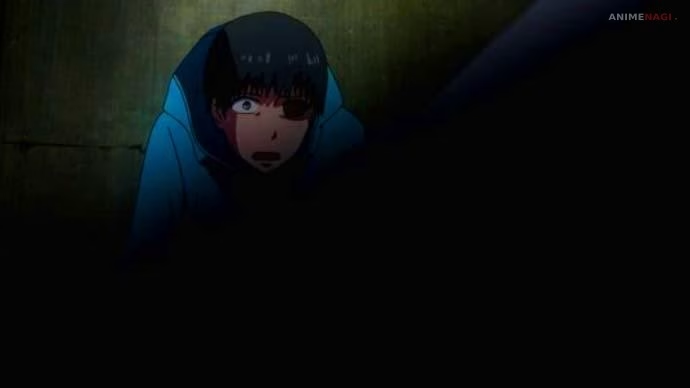
Later Blu-ray or streaming releases often restore the original scenes with fewer restrictions. This practice became especially common with late-night anime targeting adult audiences.
Series such as High School DxD, Tokyo Ghoul, and Terra Formars became well known for heavily censored television versions.
In many cases, the censorship is not directly ordered by the government. Instead, television networks enforce their own standards to avoid complaints, advertiser concerns, or broadcasting issues.
Tokyo’s Bill 156 Became a Major Controversy
One of the biggest censorship controversies in manga history involved Tokyo Metropolitan Ordinance Bill 156, often shortened to Bill 156.
Passed in 2010, the law expanded restrictions on fictional depictions of minors involved in “harmful” sexual situations within manga, anime, and games. Critics argued that the language was too vague and could potentially threaten artistic freedom.
The bill sparked massive backlash from manga creators, publishers, and industry organizations. Several companies boycotted the Tokyo International Anime Fair in protest, arguing the law created uncertainty about what content might become punishable.
Supporters of the law claimed it was necessary to protect minors and regulate exploitative content. Opponents argued that fictional media was being unfairly targeted and that vague regulation could lead to over-censorship.
The controversy highlighted how difficult it is to balance creative freedom with public concern regarding sensitive fictional material.
Self-Censorship Is More Common Than Government Bans
Despite frequent online debates, outright government bans on mainstream manga and anime are relatively uncommon in Japan compared to some countries.
Instead, the industry relies heavily on self-censorship. Publishers, broadcasters, and creators often adjust content voluntarily to avoid controversy or commercial problems.
This system allows greater flexibility while also creating uncertainty. Since standards are not always clearly defined, companies sometimes censor material more aggressively than legally required just to avoid risk.
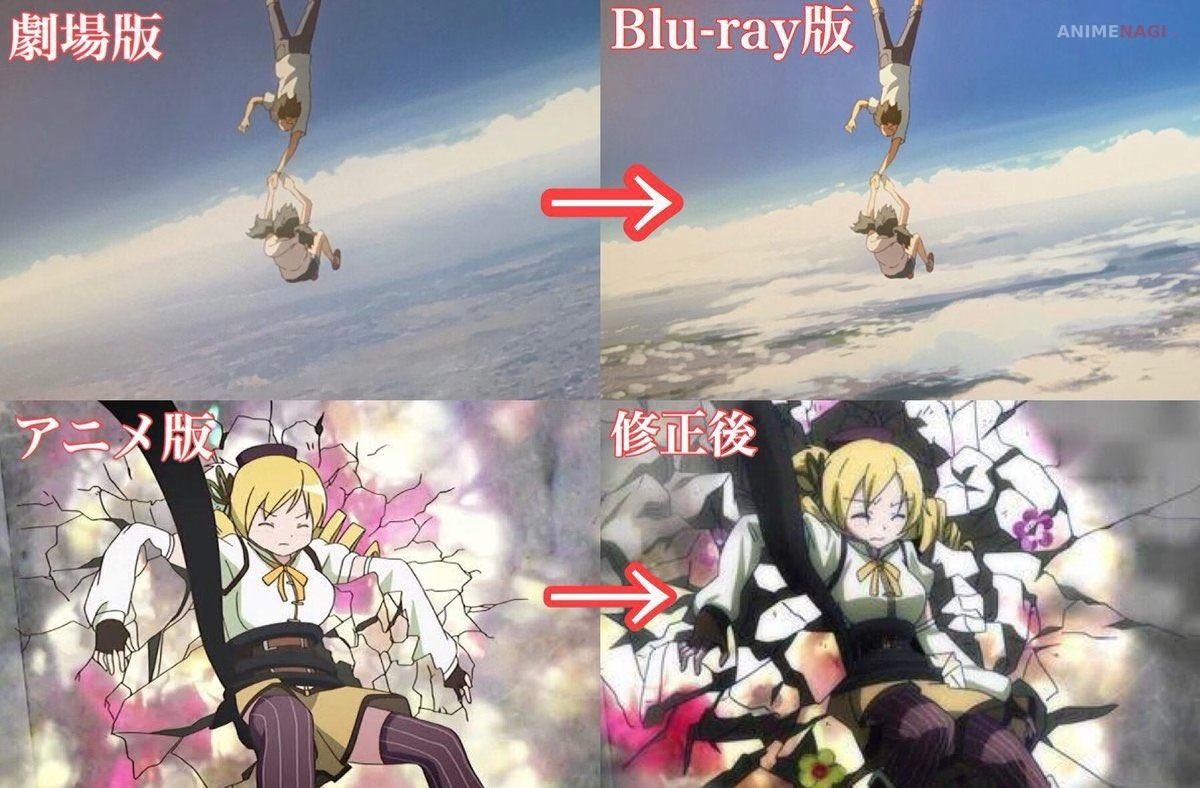
For example, manga magazines may tone down explicit imagery, while anime studios modify scenes for television before later restoring them in physical releases.
This self-regulation model explains why censorship can vary dramatically depending on the platform, publisher, or distribution method involved.
International Streaming Has Changed Censorship Discussions
The rise of global streaming platforms significantly changed censorship debates surrounding anime.
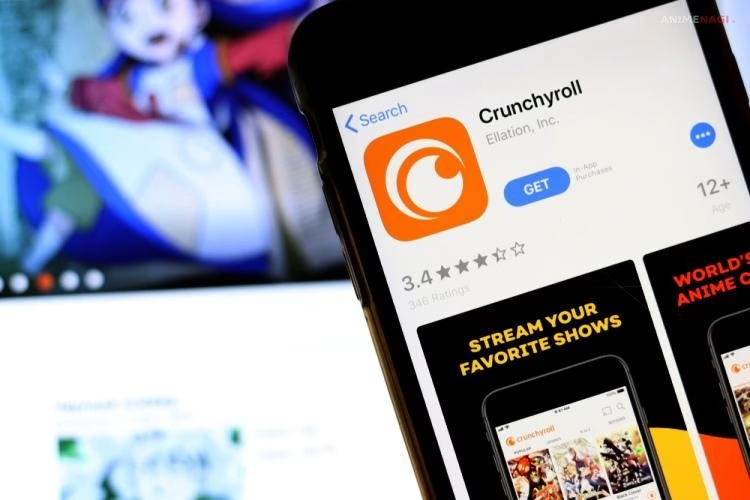
Services like Crunchyroll and Netflix helped anime reach mainstream international audiences. However, global distribution also increased scrutiny regarding sensitive themes, violence, sexuality, and cultural differences.
Some fans believe international companies pressure studios to soften controversial content for broader audiences. Others argue that most edits still originate from Japanese broadcast standards rather than foreign interference.
The globalization of anime also created situations where different versions of the same show exist across regions. Certain scenes may remain intact in Japan while being altered or removed elsewhere.
This international dimension made censorship debates much more visible online, especially among global anime communities.
Manga Has More Creative Freedom Than Television Anime
In general, manga creators often enjoy more creative freedom compared to television anime productions.
Because manga is distributed through magazines and printed volumes rather than public broadcast networks, it faces fewer immediate broadcast restrictions. This allows manga artists to explore darker or more explicit themes more easily.
However, manga publishers still enforce internal editorial standards. Some controversial works receive warnings, age restrictions, or publishing limitations depending on the content.
Seinen manga magazines especially became known for publishing psychologically intense or graphic stories aimed at adult readers. Titles like Berserk and Goodnight Punpun explored themes rarely seen in mainstream television anime.
This difference between manga and anime censorship partly explains why some anime adaptations feel toned down compared to their original source material.
Historical Events Influenced Anime Regulation
Several real-world incidents influenced Japanese attitudes toward media regulation over time.
One major example involved the 1989 crimes committed by Tsutomu Miyazaki, sometimes called the “Otaku Murderer” case. Media coverage linked his crimes to anime and manga obsession, contributing to moral panic surrounding otaku culture during the early 1990s.
Although these connections were heavily criticized later, the incident increased public scrutiny toward violent and sexual fictional media.
Another major event involved the infamous 1997 Pokémon flashing light incident, where an episode triggered seizures among viewers. This led to stricter broadcast safety standards regarding flashing visuals and animation effects.
These incidents demonstrate how public controversy often shapes media regulation indirectly even without direct censorship laws changing.
Some Creators Openly Criticize Censorship
Several manga artists and anime creators have criticized censorship efforts over the years.
Many argue that vague regulation encourages fear-driven self-censorship that limits artistic experimentation. Others believe controversial fiction should be distinguished clearly from real-world criminal behavior.
At the same time, some creators support stronger regulation regarding exploitative content involving minors or extreme imagery. This means censorship debates within Japan are not simply divided between “pro-censorship” and “anti-censorship” camps.
Instead, the conversation often focuses on where reasonable boundaries should exist and who should decide them.
The industry, therefore, remains internally divided regarding how much regulation is appropriate.
Why Cultural Context Matters
International audiences sometimes misunderstand Japanese censorship because they interpret it entirely through Western political frameworks.
Japan’s media culture developed differently from Western entertainment industries. Manga and anime are consumed across many age groups and genres rather than being viewed primarily as children’s entertainment.
Because of this, controversial themes appearing in manga or anime may not carry the exact same cultural assumptions they would elsewhere. However, globalization increasingly exposes these works to international standards and criticism.
This cultural clash partly explains why censorship debates surrounding anime often become highly emotional online. Different audiences approach the material with very different expectations regarding acceptable content.
Understanding these differences is essential when discussing Japanese media regulation fairly.
Censorship Sometimes Affects Artistic Storytelling
One major criticism of censorship involves how it can impact storytelling quality itself.
Heavy visual censorship sometimes disrupts action scenes, emotional tension, or horror atmosphere. In extreme cases, darkened screens or obstructive light effects make scenes difficult to follow entirely.
This issue became particularly noticeable in anime adaptations containing graphic violence or nudity. Fans frequently criticize heavily censored broadcasts because they feel incomplete compared to original manga versions or Blu-ray releases.
Creators must therefore balance artistic intention with practical broadcast realities. Some scenes are redesigned specifically to survive television standards without losing emotional impact. This creative negotiation became part of the production process itself within modern anime.
The Debate Over Artistic Freedom Continues
The conversation around manga and anime censorship remains ongoing because technology, distribution, and cultural expectations continue to change rapidly.
Streaming platforms expanded international exposure while social media amplified controversies instantly worldwide. At the same time, creators still push boundaries through increasingly experimental storytelling.
Some fans worry that stricter regulations could damage artistic freedom within anime and manga culture. Others believe certain restrictions are necessary to prevent exploitative or harmful content from becoming normalized.
Neither side fully dominates the discussion, which is why censorship remains such a controversial subject within anime communities. The tension between creative freedom and public responsibility continues shaping the future of the industry itself.