The upcoming anime adaptation of Mii-chan and Miss Yamada has sparked widespread discussion in Japan, prompting its production committee to release an official statement addressing criticism surrounding the series’ portrayal of intellectual and developmental disabilities. The response came shortly after the anime was announced on July 26, following concerns raised by disability advocates, creators, and mental health professionals about how the story could affect audiences.
According to the official statement shared by the production committee, the staff acknowledged the feedback and emphasized that the adaptation would move forward with careful consideration.
Production committee promises expert consultation
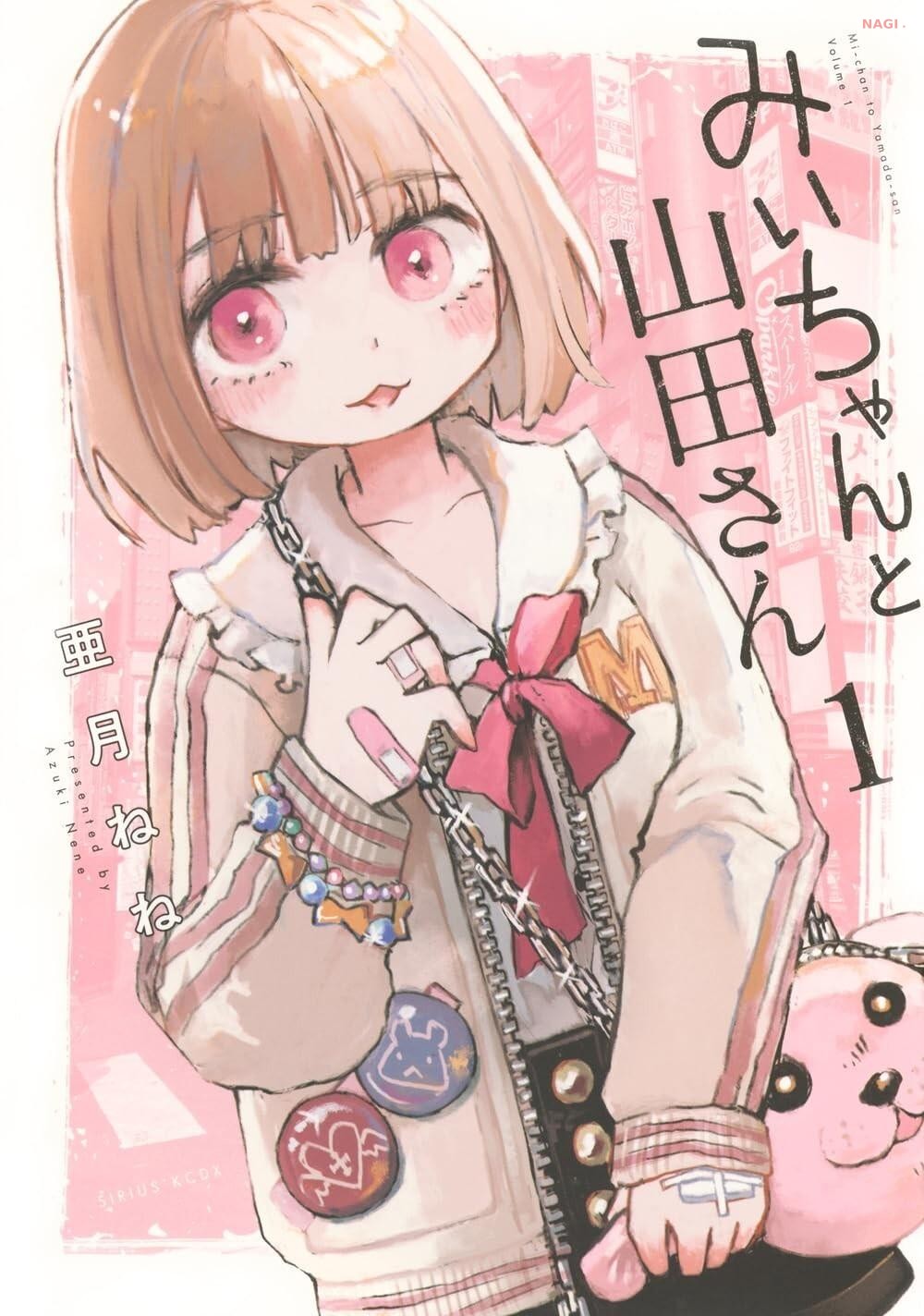
The original manga by Nene Azuki follows Mii-chan, a young woman who displays signs of intellectual and developmental disabilities but is never formally diagnosed. Throughout the story, she struggles with reading, writing, and arithmetic before becoming involved in work associated with Japan’s adult entertainment industry. The narrative ultimately ends with the character’s murder, a storyline that has become the center of the current controversy.
Responding to public concerns, the production committee stated,
“While respecting the themes and messages of the original, we will carefully proceed with the production and consult with experts to ensure we do not foster prejudice or misunderstanding, including appropriate ratings and disclaimers.”
The statement was welcomed by some viewers, but others argued that it did not directly address concerns that the nickname “Mii-chan” has reportedly been used as an insult toward people with intellectual or developmental disabilities.
Critics raise concerns over social impact
Several public figures voiced concerns after the adaptation was announced.
Animator Terumi Nishii criticized the project, saying,
“I’m not saying it’s wrong to depict people with disabilities. If you think about which aspects of people with disabilities and related issues are being presented, and the message that’s being left with readers and viewers, it’s nothing more than a freak show.”
Nishii added that the production team should clarify the purpose behind adapting the manga.
Independent manga creator Daiki Kasiwa, whose daughter has developmental delays, also expressed concern about the potential impact. He said,
“If my daughter ever told me, ‘Someone called me Mii-chan at school and laughed at me,’ I don’t know how I’d react.”
Kasiwa warned that the adaptation could create “a dangerous trend” that undermines years of work by families and disability advocates.
Mental health specialist Dr. Akihiko Miura similarly shared that a patient’s mother told him her daughter stopped attending school after being mocked with the nickname “Mii-chan,” adding another perspective to the debate.
Petitions both opposing and supporting the adaptation emerge
The controversy has led to multiple online petitions. A petition on Change.org calling for production to be paused until the anime’s potential impact could be reviewed had gathered more than 4,900 signatures at the time of reporting. Additional petitions on the Japanese platform Voice argued that the series risks portraying people with intellectual and developmental disabilities as troublemakers or vulnerable to exploitation.
At the same time, supporters of the adaptation have launched their own petitions defending creative freedom. One of the most-supported campaigns argues that restricting artistic works because
“some people might be hurt”
could negatively affect creative expression more broadly.
The discussion has also drawn attention to the timing of the anime’s announcement, which coincided with the 10th anniversary of the 2016 Sagamihara attack, in which 19 residents of a care home for people with disabilities were killed.
Meanwhile, Tomoko Katsuyama, founder and secretary general of the Japan Developmental Disorder Association, confirmed she has met with Kodansha regarding the series and said the production will include supervision concerning disability representation. She later clarified that she is not personally serving as the supervisor, adding,
“I could never say to cancel the anime. Please understand my difficult position.”
Separately, creator Nene Azuki issued a statement clarifying that she was not involved in managing a social media account known as “Diana” and denied personal experience with the adult entertainment industry or “papa-katsu,” explaining that she had only provided commissioned illustrations for the account until February 2024.