Naruto Shippuden has always been known for its memorable openings, but Opening 20 holds a special place among fans because of its emotional weight and symbolic storytelling. Titled “Kara no Kokoro” by Anly, the opening serves as the final intro sequence of Naruto Shippuden and acts as a farewell to the long-running journey of Naruto Uzumaki and Sasuke Uchiha.
Unlike earlier openings that focused heavily on flashy fights or large-scale wars, Opening 20 takes a quieter and more reflective approach. The visuals center on memories, emotional distance, friendship, and the final clash between Naruto and Sasuke. Because it arrives near the conclusion of the series, every scene feels loaded with meaning and nostalgia.
The opening also stands out because it balances sadness and hope simultaneously. While many moments emphasize loneliness and separation, the sequence constantly reminds viewers of the bond connecting the two main characters. This emotional duality is what makes the opening resonate so strongly with longtime Naruto fans.
Here’s a full breakdown of Naruto Shippuden Opening 20, including its meaning, major themes, symbolic visuals, and why many fans consider it one of the franchise’s most emotional openings.
What Is Naruto Shippuden Opening 20?
Naruto Shippuden Opening 20 is titled “Kara no Kokoro,” which roughly translates to “Empty Heart.” The song is performed by Japanese singer-songwriter Anly and was used during the final phase of Naruto Shippuden. It covers episodes connected to Naruto and Sasuke’s concluding conflict and the emotional aftermath of the Fourth Great Ninja War.
The opening immediately feels different from many earlier Naruto intros because it is slower, calmer, and more emotionally driven. Instead of prioritizing nonstop action, the sequence focuses on character emotions and symbolic imagery. The visuals repeatedly highlight isolation, regret, memories, and reconciliation.
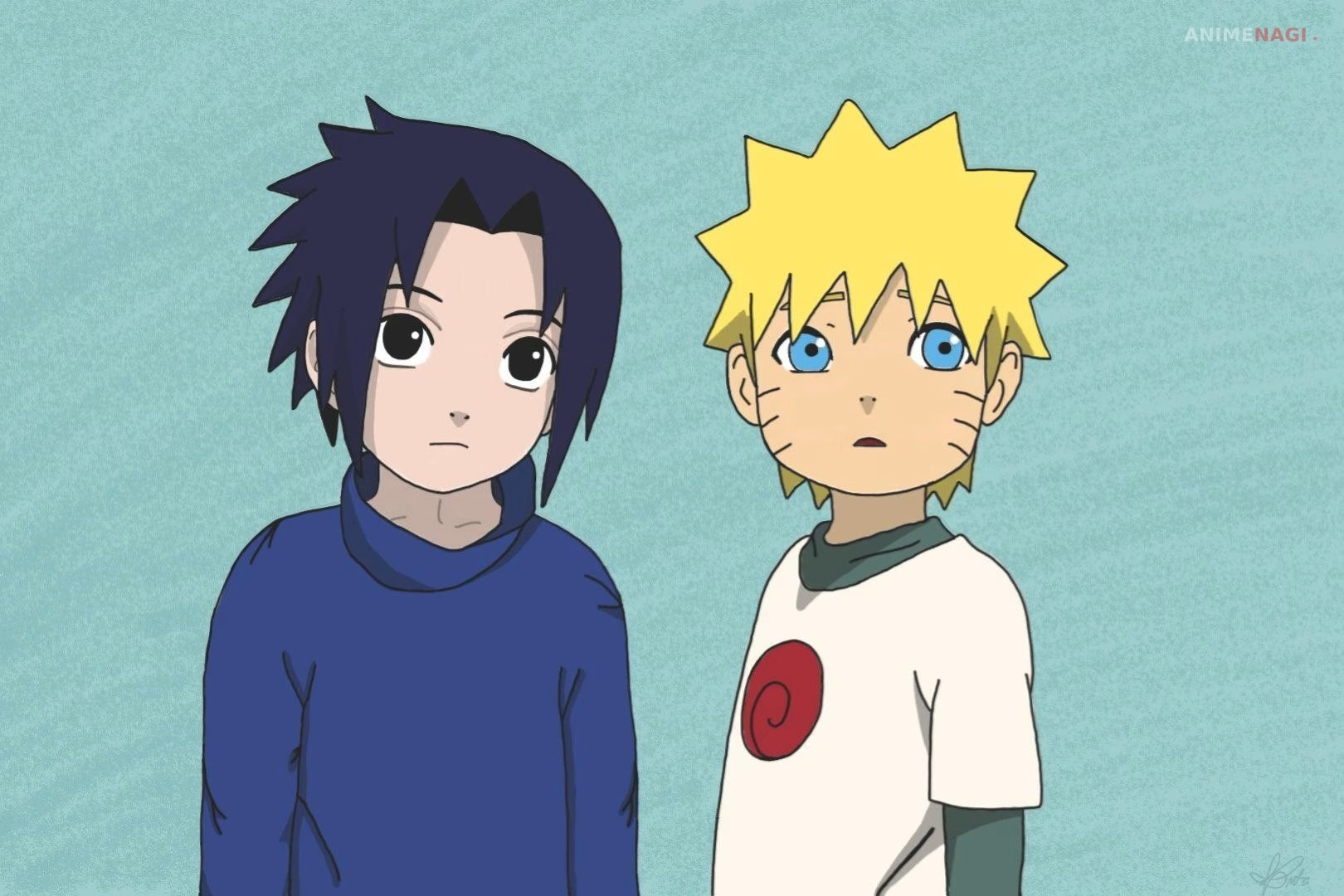
This tonal shift reflects where the story stands at that point. The war is effectively ending, major villains have been defeated, and the emotional core of the series narrows back down to Naruto and Sasuke themselves. The opening essentially prepares viewers for the true ending of Naruto Shippuden.
Because of this, many fans view Opening 20 less as a hype sequence and more as a farewell letter to the franchise.
The Core Theme Is Naruto and Sasuke’s Bond
The central theme of Opening 20 is the complicated relationship between Naruto and Sasuke. Since the beginning of the series, their friendship and rivalry have driven the emotional core of Naruto. The opening reinforces this by constantly framing the two characters as mirrors of each other.
Several visuals show Naruto and Sasuke physically separated while emotionally connected. They are often shown facing opposite directions or standing alone in empty environments. These scenes symbolize the emotional distance that developed between them after Sasuke left Konoha.
At the same time, the opening constantly returns to childhood memories and shared experiences. This reminds viewers that despite everything that happened, their bond never completely disappeared. Naruto still sees Sasuke as his closest friend, while Sasuke continues struggling with his own feelings about that connection.
The emotional tension between separation and reconciliation becomes the emotional backbone of the entire opening.
Why the Opening Feels So Emotional
One major reason Opening 20 resonates with viewers is its heavy use of nostalgia. The sequence deliberately references earlier moments from Naruto and Naruto Shippuden to remind fans how long the journey has been.
Shots of younger Naruto and Sasuke appear throughout the opening, often transitioning into their older versions. These visual parallels emphasize how much both characters changed over the course of the series. At the same time, they suggest that the emotional wounds from childhood still remain unresolved.
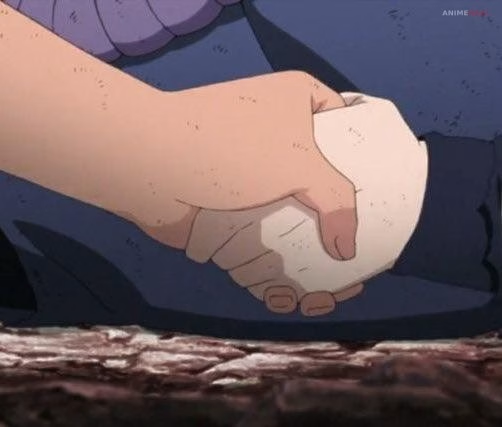
The song itself also contributes heavily to the emotional tone. “Kara no Kokoro” has a softer and more melancholic sound compared to earlier high-energy Naruto openings. Instead of creating excitement through intensity, it creates emotion through reflection and atmosphere.
Because this is the final opening of the series, viewers naturally associate it with the end of a long era. That context alone gives the sequence additional emotional power.
The Meaning Behind “Empty Heart”
The title “Kara no Kokoro” plays an important symbolic role in the opening. The phrase “Empty Heart” reflects the emotional state of multiple characters, especially Sasuke. Throughout much of Naruto Shippuden, Sasuke isolates himself emotionally while pursuing revenge and later revolution.
Even after defeating major enemies, Sasuke remains emotionally disconnected from the people around him. The opening visually reinforces this emptiness through lonely landscapes, dark lighting, and scenes where Sasuke appears physically separated from others.
Naruto also experiences emotional emptiness in a different way. His constant pursuit of Sasuke creates frustration and sadness because he cannot understand why his friend continues rejecting connection. Despite becoming stronger and gaining recognition, Naruto still feels incomplete without resolving things with Sasuke.
The title, therefore, reflects both characters simultaneously. Their emotional emptiness can only truly disappear once they confront each other honestly.
The Water Symbolism Throughout the Opening
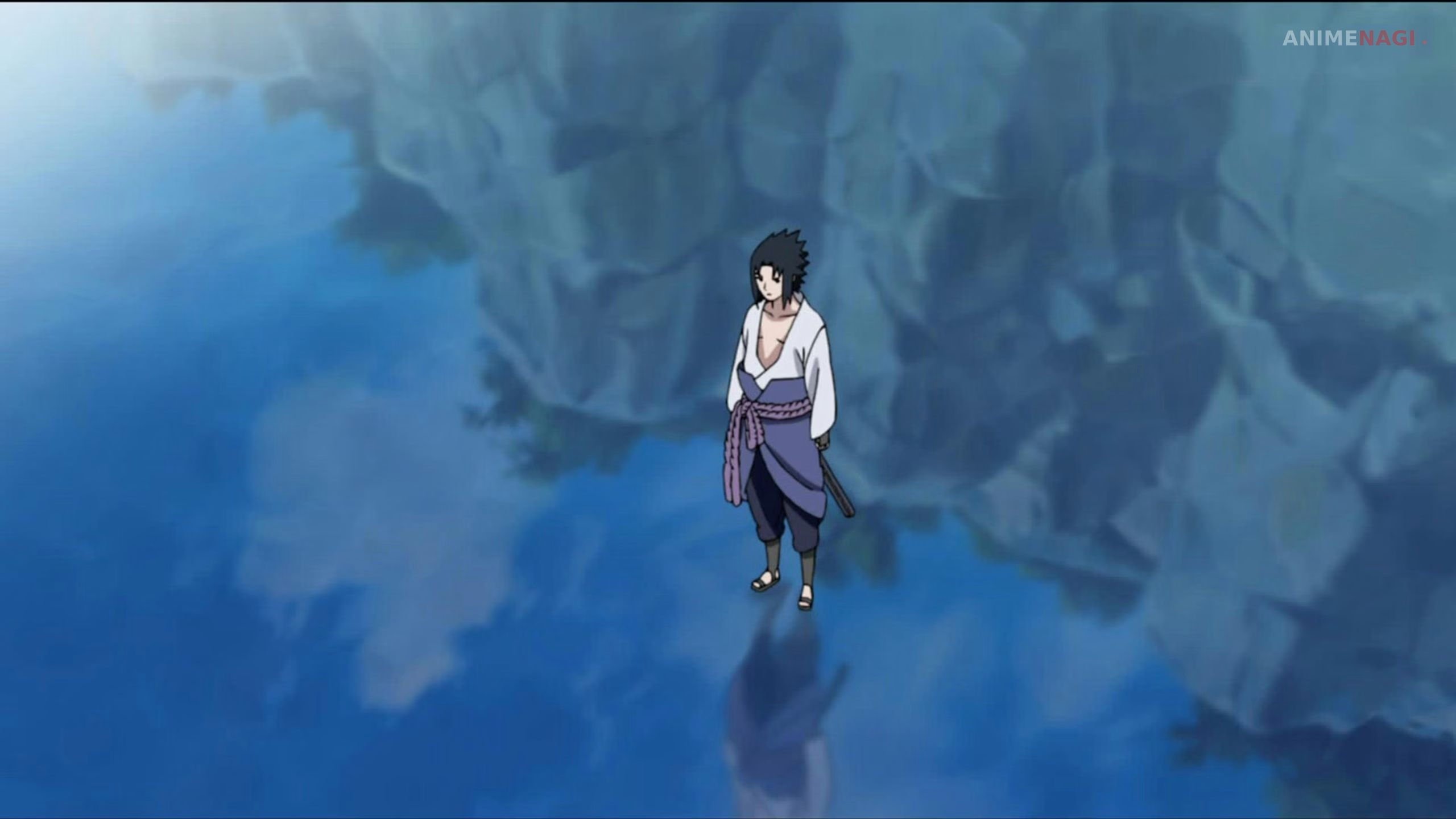
One of the most noticeable visual motifs in Opening 20 is water. Rain, rivers, reflections, and waves appear repeatedly across the sequence. In Naruto, water often symbolizes emotion, memory, and internal conflict.
Several scenes show Naruto and Sasuke reflected in water rather than directly facing each other. These reflections suggest that both characters still carry distorted understandings of themselves and each other. Water also creates a dreamlike atmosphere, reinforcing the opening’s nostalgic tone.
Rain specifically appears during some of the darker emotional moments. This visual choice helps communicate sadness and emotional isolation without requiring dialogue. It also mirrors the emotional exhaustion both characters experience near the end of the story.
The use of water makes the opening feel softer and more introspective compared to earlier war-focused openings.
Childhood Imagery Represents Lost Innocence
Another major theme within Opening 20 is lost innocence. The sequence repeatedly cuts between Naruto and Sasuke as children and their older selves. These transitions highlight how dramatically their lives changed because of war, trauma, and personal choices.
Scenes featuring Team 7 are especially important. Naruto, Sasuke, and Sakura are briefly shown together in ways that contrast sharply with the emotional conflict dominating the present timeline. These moments represent a happier past that can never fully return.
The opening uses these childhood images to remind viewers what Naruto has been fighting for emotionally. His goal was never just to become Hokage or save the world. He wanted to preserve the bonds he formed with the people closest to him.
This emotional focus is what separates Opening 20 from many other Naruto intros centered mainly on action spectacle.
The Final Valley Imagery Carries Huge Meaning
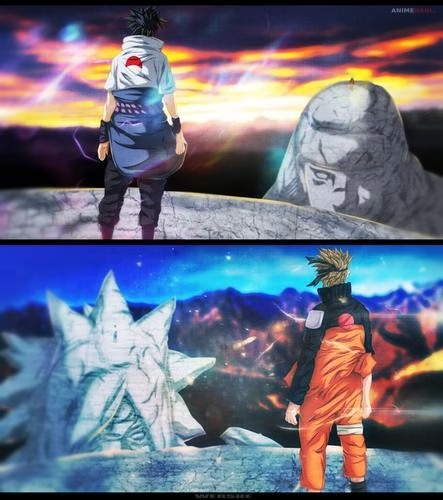
The Final Valley plays a massive symbolic role in Opening 20. This location has represented Naruto and Sasuke’s bond since the original Naruto series. Their first major battle happened there, making it the perfect setting for their final confrontation.
The opening repeatedly frames the valley in dramatic and emotional ways. Wide shots emphasize the loneliness and inevitability of the battle waiting ahead. The environment itself feels emotionally charged because viewers already associate it with one of the series’ most important turning points.
The statues of Hashirama and Madara visible in the area also reinforce the parallel between Naruto and Sasuke. Just like the legendary shinobi before them, the two protagonists became rivals representing conflicting ideologies about peace and power.
By returning to the Final Valley visually, the opening creates a sense of narrative completion.
The Opening Reflects Naruto’s Central Message
At its core, Opening 20 reflects the main message of Naruto itself: bonds between people matter more than hatred or isolation. Nearly every visual and lyrical theme supports this idea.
Naruto continuously reaches toward Sasuke emotionally throughout the sequence. Even when separated physically, the opening frames their connection as something impossible to completely destroy. This reflects Naruto’s belief that genuine bonds can survive even tremendous pain and conflict.
Sasuke’s emotional struggle also becomes clearer through the visuals. Although he distances himself from others, the opening constantly implies that he cannot fully sever his connection to Naruto and Team 7.
This emotional push-and-pull defines the final phase of Naruto Shippuden and gives Opening 20 its emotional identity.