The Overhaul Arc in My Hero Academia Season 4 marks a major turning point in the series, shifting the narrative from school-based hero training to a darker, more emotionally complex conflict. At the center of this arc is Eri, a young girl whose mysterious Quirk becomes the driving force behind one of the most intense rescue missions in the story. Her presence transforms the stakes, turning what could have been a standard villain takedown into a deeply personal and morally charged battle.
Kai Chisaki, also known as Overhaul, emerges as a terrifying antagonist whose goals challenge the very foundation of hero society. His plan to erase Quirks entirely introduces a new kind of threat that goes beyond physical destruction. However, it is Eri’s suffering and her unique ability that truly redefine the arc’s impact.
For many viewers, the key question is simple. Why does Eri matter so much, and how does she change the story? The answer lies in her power, her trauma, and the way she reshapes Deku’s understanding of what it means to save someone.
What Is the Overhaul Arc in My Hero Academia?
The Overhaul Arc follows the joint operation between Pro Heroes and U.A. students to take down the Shie Hassaikai, a yakuza group led by Overhaul. Unlike previous villains, Overhaul operates with a clear ideological goal and a structured organization.
This arc introduces a more grounded conflict. Instead of large-scale chaos, the focus is on a calculated mission to infiltrate Overhaul’s base and rescue Eri. The stakes feel more personal because the objective is not just to defeat a villain, but to save a specific individual.
The involvement of characters like Sir Nighteye adds depth to the narrative. His foresight ability and strategic mindset influence how the mission unfolds. This creates tension, as the heroes must balance planning with unpredictable variables.
The Overhaul Arc stands out because it combines action with emotional storytelling. It forces characters to confront the consequences of their actions and the realities of hero work.
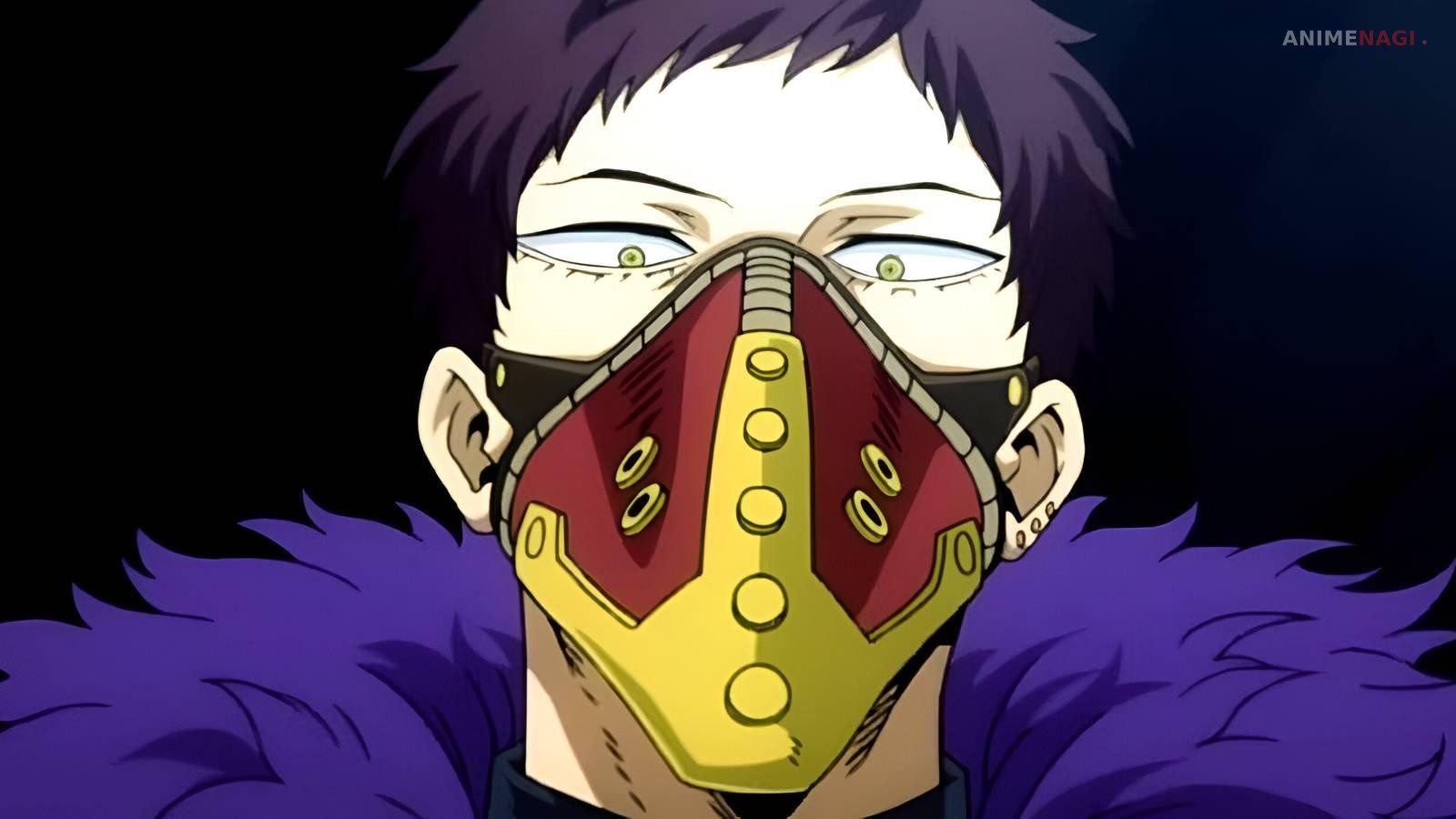
Who Is Eri and Why Is She So Important?
Eri is a young girl with the Quirk “Rewind,” an ability that allows her to reverse a person’s body to a previous state. This power is incredibly rare and extremely dangerous when left uncontrolled.
What makes Eri central to the story is not just her ability, but how it is exploited. Overhaul uses her Quirk to create bullets that can erase Quirks entirely. This turns her into a living weapon, stripping her of agency and reducing her to a tool.
Her emotional state plays a major role in how her Quirk functions. Because she does not understand her power, it activates unpredictably. This makes her both a victim and a potential threat.
Eri represents innocence caught in a cruel system. Her suffering becomes the emotional core of the arc, motivating the heroes to act. Saving her is not just about stopping Overhaul. It is about restoring hope.
Overhaul’s Plan Explained: Erasing Quirks From Society
Overhaul’s goal is rooted in his belief that Quirks are a disease that has destabilized society. He sees the current hero system as flawed and seeks to restore order by removing Quirks entirely.
Using Eri’s Rewind ability, he develops Quirk-destroying bullets. These weapons can permanently erase a person’s abilities, effectively resetting them to a pre-Quirk state. This creates a new form of power in the world.
His plan goes beyond destruction. Overhaul intends to control both sides of the conflict by producing Quirk-erasing bullets and their antidotes. This would allow him to manipulate heroes and villains alike.
The existence of such technology changes the stakes of the series. It introduces the idea that power can be taken away permanently, making every battle more dangerous.
Eri is the key to this entire operation. Without her, Overhaul’s plan collapses.
Deku’s First Encounter With Eri: A Missed Chance
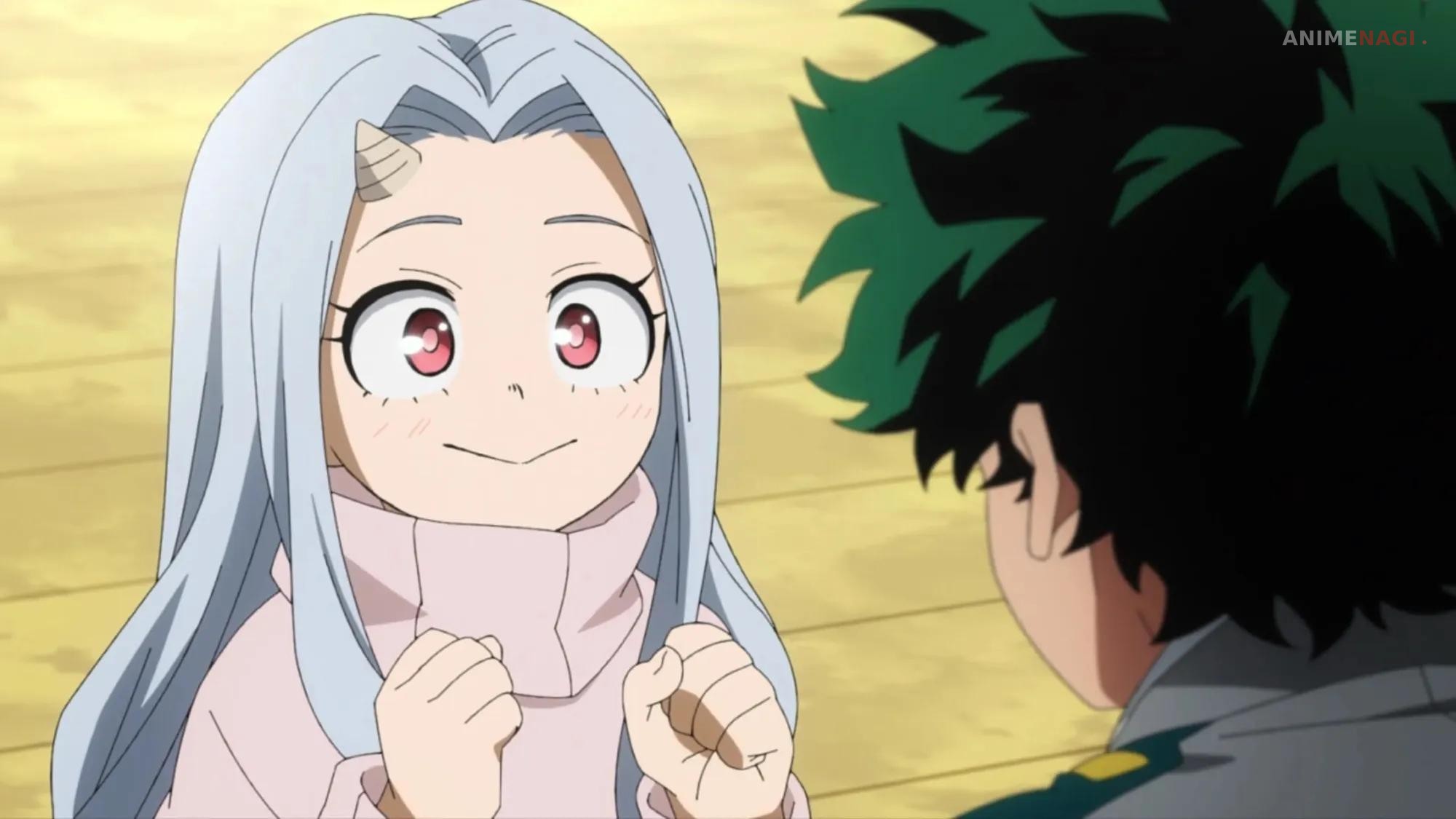
Deku and Mirio’s initial encounter with Eri is one of the most important moments in the arc. When they meet her on the street, it becomes clear that she is in danger. However, they are unable to act.
Overhaul’s presence forces them to make a difficult decision. Acting impulsively could jeopardize the larger mission. As a result, they allow Eri to return with him, knowing it is the safer choice in the moment.
This decision haunts Deku. It represents a failure to save someone in need, even if it was the logical choice. The guilt drives him to become more determined in the rescue mission.
This moment highlights a key theme of the arc. Being a hero is not always about immediate action. Sometimes, it requires patience and strategy, even when it feels wrong.
Eri’s expression during this encounter leaves a lasting impact. It reinforces the urgency of saving her.
How Eri Changes Deku’s Understanding of Heroism
Eri’s situation forces Deku to confront the true meaning of being a hero. Up until this point, his journey has focused on becoming stronger and mastering One For All.
With Eri, the focus shifts to saving someone emotionally as well as physically. She is not just a victim who needs rescue. She is a child who has lost her sense of self.
Deku realizes that defeating Overhaul is only part of the solution. True victory means ensuring that Eri can live without fear. This changes his priorities during the final battle.
Her presence pushes Deku to go beyond his limits in a different way. It is no longer just about power. It is about responsibility and compassion.
This evolution in Deku’s character is one of the most important outcomes of the arc. It sets the foundation for his growth in later storylines.
The Final Battle: Deku vs Overhaul Explained
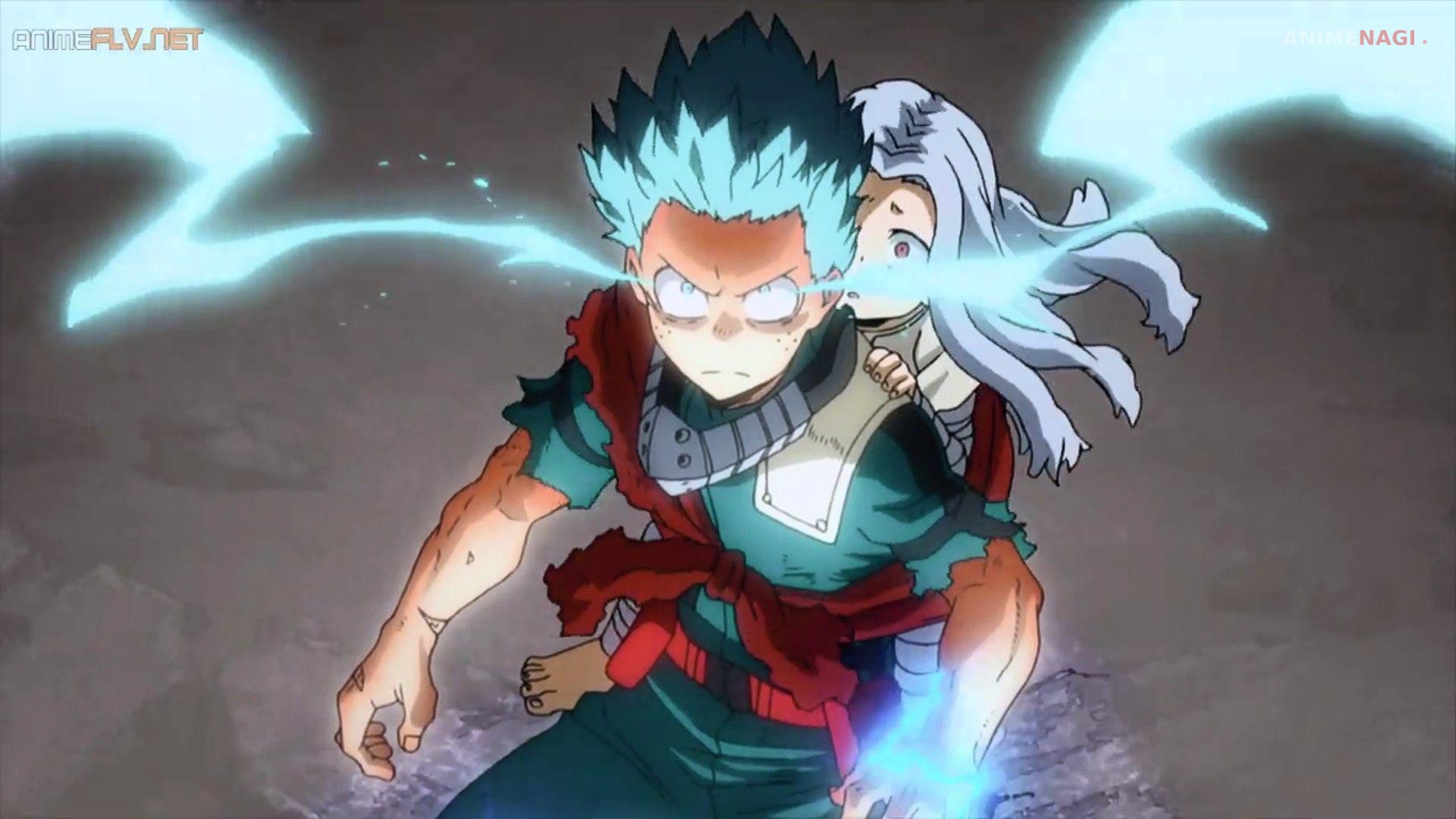
The climax of the arc is the battle between Deku and Overhaul, one of the most visually and emotionally impactful fights in My Hero Academia. Overhaul’s fused form gives him immense power, making him nearly unstoppable.
Deku, however, gains an unexpected advantage through Eri. By using her Rewind ability, he can continuously heal the damage caused by One For All at 100%. This allows him to fight at full power without destroying his body.
This combination creates a unique dynamic. Deku is able to unleash his full strength while relying on Eri’s power to sustain him. It is a perfect example of teamwork, even though Eri does not fully understand her role.
The fight represents a turning point. Deku is no longer limited by his physical constraints, at least temporarily. This allows him to overwhelm Overhaul and bring the battle to an end.
The victory is not just physical. It symbolizes the rescue of Eri and the dismantling of Overhaul’s plan.
Eri’s Quirk: Power and Danger Combined
Eri’s Rewind Quirk is one of the most powerful abilities introduced in the series. It has the potential to heal injuries, reverse aging, and even erase existence.
However, this power comes with significant risks. Without proper control, it can cause unintended harm. This makes Eri both valuable and dangerous.
Her inability to control her Quirk is a direct result of her upbringing. Overhaul’s experiments prevented her from learning how to use it safely. This adds another layer of tragedy to her character.
The arc emphasizes the importance of guidance and support. With proper training, Eri’s power could become a force for good. Without it, it remains a threat.
This dual nature of her Quirk makes her one of the most complex characters in the series.
The Emotional Impact: Why Eri’s Smile Matters
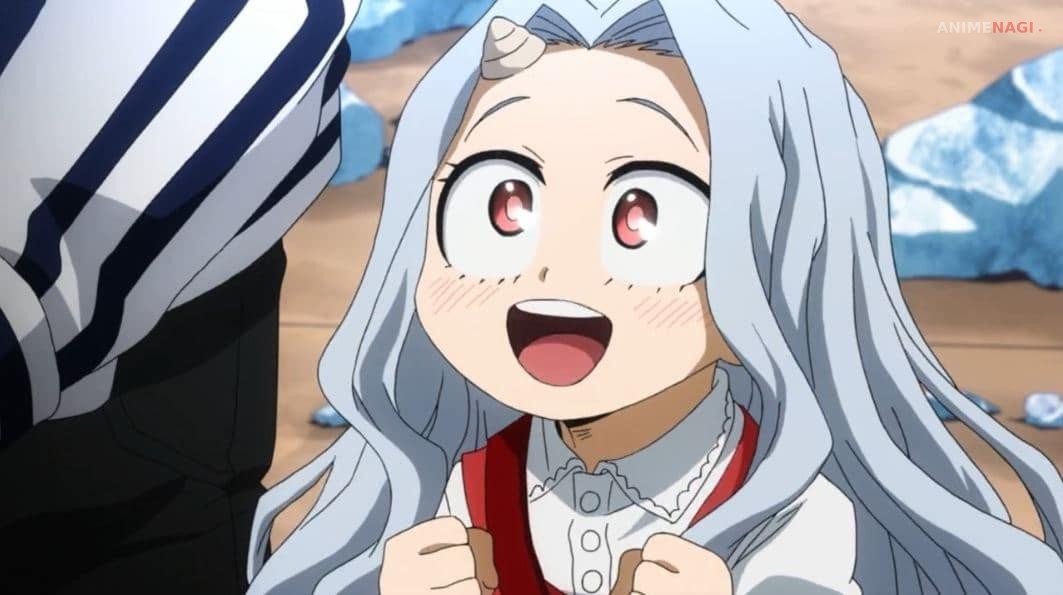
One of the most memorable moments in the arc comes after the battle, when Eri finally smiles. This simple act carries significant emotional weight.
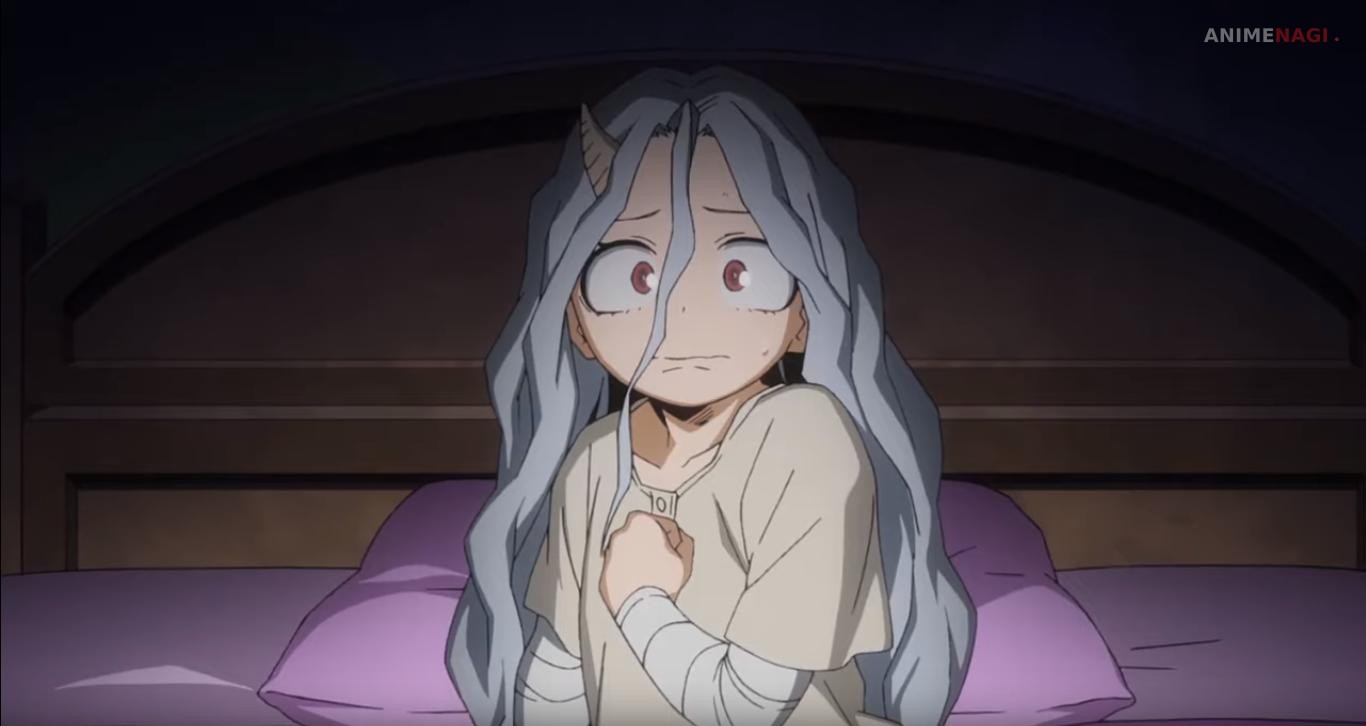
Throughout the arc, Eri is portrayed as a child who has forgotten how to express happiness. Her trauma has stripped her of normal emotional responses.
Her smile represents healing. It shows that she is beginning to recover from her experiences. This moment validates the efforts of everyone involved in the rescue mission.
For Deku, it is a confirmation that he has truly saved her. It reinforces his belief in what it means to be a hero.
This moment highlights the emotional core of the arc. It is not just about defeating villains. It is about restoring hope.
How the Overhaul Arc Changes the Series Moving Forward
The impact of the Overhaul Arc extends far beyond its immediate events. It introduces new stakes, new threats, and new perspectives on hero society.
The existence of Quirk-erasing bullets changes how battles are approached. It adds a permanent consequence that was not present before.
Eri’s presence also influences future storylines. Her ability becomes a key factor in later developments, particularly in how injuries and powers are handled.
The arc also deepens the themes of the series. It explores the idea that heroism is not just about strength, but about empathy and responsibility.
Deku’s growth during this arc sets the stage for his future challenges. He begins to understand the broader implications of his role as a hero.
The Overhaul Arc is one of the most important storylines in My Hero Academia because it shifts the focus from simple hero battles to complex emotional and ethical challenges. At the center of this transformation is Eri.
Her Quirk, her trauma, and her role in Overhaul’s plan redefine the stakes of the series. She is not just a plot device, but a character who changes the direction of the story.
Deku’s journey during this arc reflects this shift. He moves beyond the idea of becoming strong and begins to understand what it truly means to save someone.
Overhaul’s defeat marks the end of one conflict, but the consequences of his actions continue to shape the world. The introduction of Quirk-erasing technology and the importance of Eri’s power ensure that the impact of this arc is long-lasting.
In the end, the Overhaul Arc shows that true heroism is about more than victory. It is about protecting others, restoring hope, and creating a future where people like Eri can finally live freely.