Ever since Solo Leveling became a global anime sensation, comparisons to Sword Art Online have flooded social media and anime discussions. Both series feature overpowered protagonists, game-like systems, and fast-paced action, making the similarities immediately noticeable. At a surface level, it is easy to assume that Solo Leveling follows a formula already popularized by SAO.
However, once you look beyond the visual style and basic mechanics, the two series begin to separate clearly. Their storytelling goals, character arcs, and worldbuilding approaches differ in meaningful ways. What initially feels like an overlap turns out to be more of a shared genre influence rather than direct imitation.
The debate intensified further after Solo Leveling’s anime adaptation, which visually reminded many viewers of SAO’s sleek production style. This created the impression that the newer series might be borrowing heavily from the older one. But the truth is more nuanced than a simple “copy vs original” argument.
Let’s break down the similarities, key differences, and whether Solo Leveling actually copies Sword Art Online or simply exists within the same evolving genre space.
Why People Compare Solo Leveling and Sword Art Online
The primary reason for the comparison lies in their shared use of RPG-style systems and progression mechanics. Both series present characters who grow stronger through structured systems that resemble video game mechanics. These include leveling up, gaining skills, defeating bosses, and unlocking new abilities over time.
Visually, both Sung Jinwoo and Kirito also fit a similar archetype of calm, black-clad fighters who dominate enemies with precision and confidence. Their designs, combined with their growing reputation as unbeatable fighters, reinforce the comparison even further. This aesthetic similarity is often the first thing viewers notice.
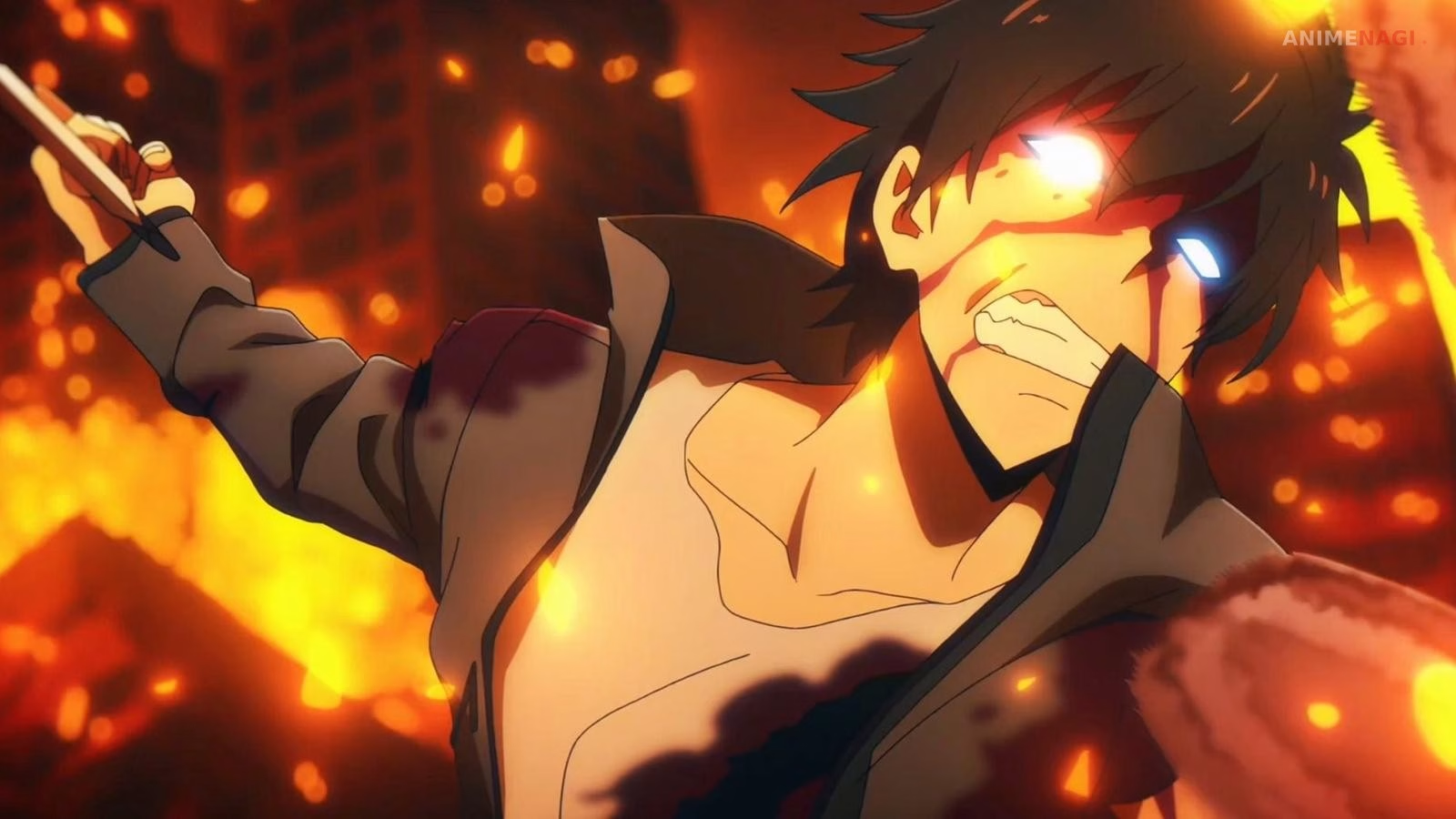
Another factor is pacing. Both stories show their protagonists rapidly evolving from weaker fighters into dominant forces within their respective worlds. This quick rise to power creates a familiar narrative rhythm that audiences associate with gaming-inspired anime.
Because of these overlapping elements, many viewers assume that Solo Leveling is following the same blueprint that made SAO successful. However, this assumption only holds true at a very surface level.
Solo Leveling Is Not a Virtual World Story
One of the biggest differences between the two series is how their worlds function. Sword Art Online takes place primarily inside virtual reality environments where players are trapped within a digital game. The stakes revolve around survival inside these artificial worlds where death has real consequences.
Solo Leveling, on the other hand, is grounded in the real world with supernatural elements layered on top. Gates open across the planet, connecting Earth to dangerous dungeons filled with monsters. Hunters like Jinwoo enter these spaces physically rather than through virtual avatars.
This distinction fundamentally changes how each story unfolds. SAO explores themes related to digital identity, online relationships, and the consequences of technology. Solo Leveling focuses more on survival, power growth, and humanity’s response to external threats.
Even though both use game-like systems, their narrative purpose is completely different. One simulates a game environment, while the other brings game mechanics into reality.
Sung Jinwoo vs Kirito: Similar but Fundamentally Different
At first glance, Sung Jinwoo and Kirito appear very similar as protagonists. Both are calm under pressure, highly skilled fighters, and eventually become feared by enemies. Their visual designs and combat styles further reinforce the comparison between them.
However, their character journeys differ significantly. Kirito’s story focuses heavily on relationships, emotional struggles, and the psychological impact of living inside virtual worlds. His growth is tied not only to strength but also to his bonds with others.
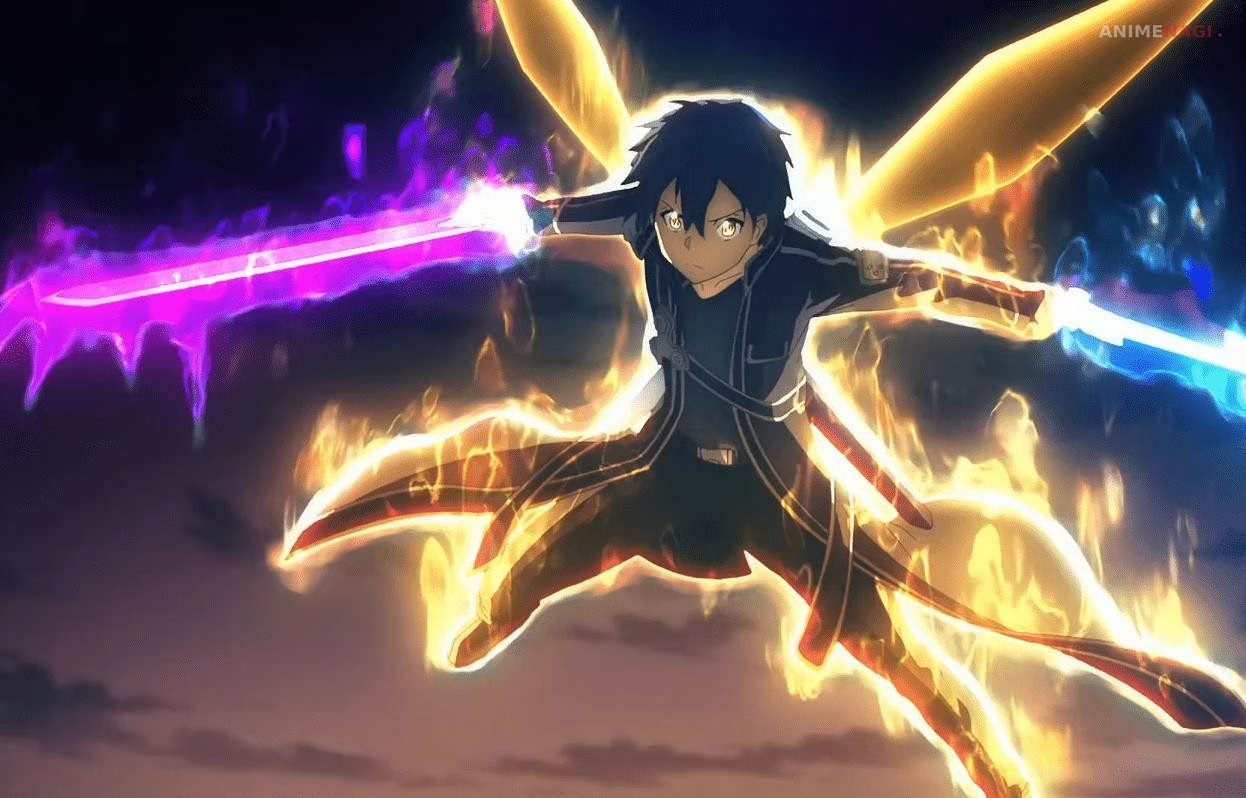
Jinwoo’s journey is far more individualistic and centered on power progression. Once he gains access to The System, his focus shifts almost entirely toward becoming stronger and protecting his family. Emotional connections exist, but they are not the central driving force of the narrative.
This difference creates two very distinct character experiences. Kirito evolves through relationships and challenges, while Jinwoo evolves through relentless power growth and personal transformation.
Sword Art Online Focuses More on Relationships
One of the clearest differences between the series is how they treat supporting characters. Sword Art Online invests heavily in developing relationships between Kirito and other characters. Entire arcs are built around emotional bonds, friendships, and romantic connections.
Solo Leveling takes a different approach by focusing primarily on Jinwoo’s personal journey. Supporting characters play roles in the story, but they rarely receive the same level of depth or attention. As Jinwoo becomes stronger, the gap between him and others continues to grow.
This difference reflects each series’ priorities. SAO aims to create emotional investment through its characters and their interactions. Solo Leveling prioritizes the protagonist’s rise and the spectacle of his increasing power.
Because of this, viewers who enjoy character-driven storytelling may prefer SAO, while those who enjoy power-focused narratives often gravitate toward Solo Leveling.
Solo Leveling’s Power System Is More Direct
Another major difference lies in how each series handles progression mechanics. Sword Art Online uses traditional MMORPG-style systems where characters improve through combat experience and skill mastery. Progression feels tied to gameplay logic within a virtual world.
Solo Leveling, however, presents progression in a more structured and visible way. Jinwoo receives stat increases, quests, rewards, and skill upgrades through The System. This creates a clear and satisfying sense of growth that viewers can track directly.
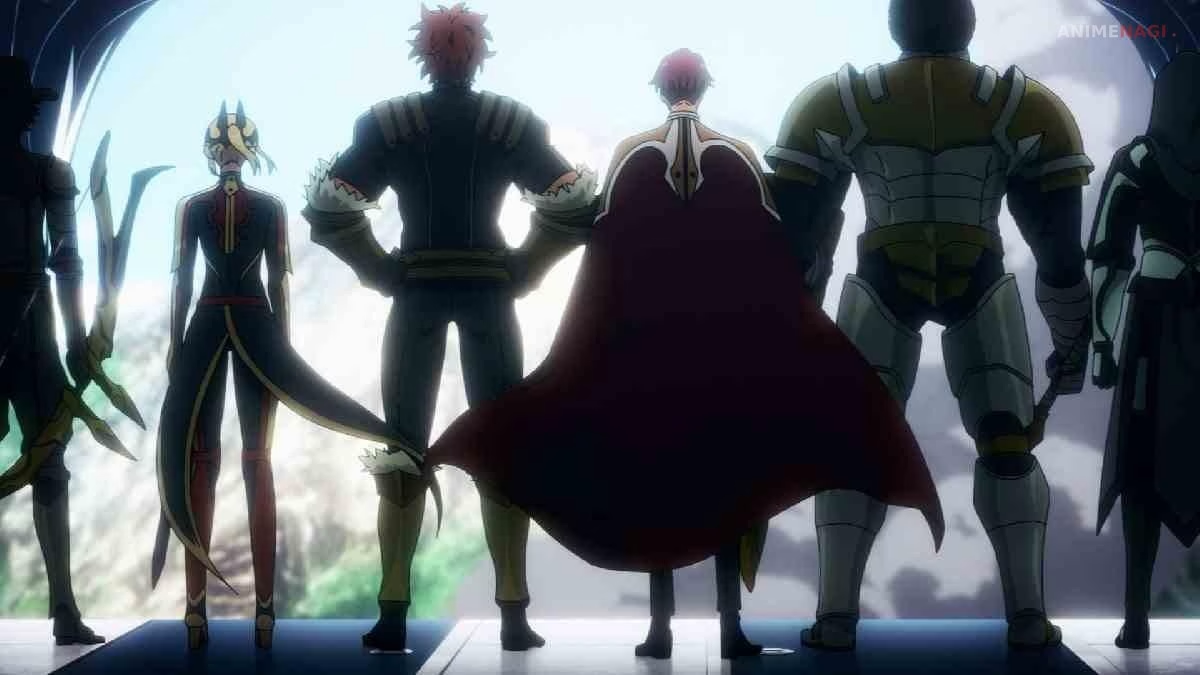
The constant feedback loop of leveling up, unlocking abilities, and becoming stronger is one of Solo Leveling’s biggest appeals. It provides immediate gratification and a strong sense of progression.
In contrast, SAO often prioritizes narrative and emotional stakes over numerical progression. This makes Solo Leveling feel more like a pure progression fantasy.
The Overpowered Protagonist Debate
Both series are often associated with overpowered protagonists, which fuels further comparisons. Kirito was one of the earliest characters to popularize this trope in modern anime. His ability to overcome difficult situations made him iconic but also controversial among some fans.
Solo Leveling takes this concept even further by fully embracing the power fantasy. Jinwoo evolves into a near-unstoppable force, capable of defeating enemies with overwhelming ease. This progression becomes a central part of the series’ appeal.
The difference lies in execution. Kirito still faces emotional challenges and situations where he relies on others. Jinwoo, on the other hand, becomes increasingly self-sufficient as his power grows.
This shift creates different viewing experiences. SAO balances power with vulnerability, while Solo Leveling leans heavily into dominance and spectacle.
Production Style and Visual Similarities
The anime adaptations also contribute to the comparison between the two series. Both feature polished animation, dynamic combat sequences, and cinematic presentation styles. These similarities make the visual overlap more noticeable to viewers.
Solo Leveling’s anime adaptation, in particular, emphasizes stylish action and dramatic lighting. This approach mirrors the kind of visual identity that SAO helped popularize years earlier. As a result, the two series feel visually connected.
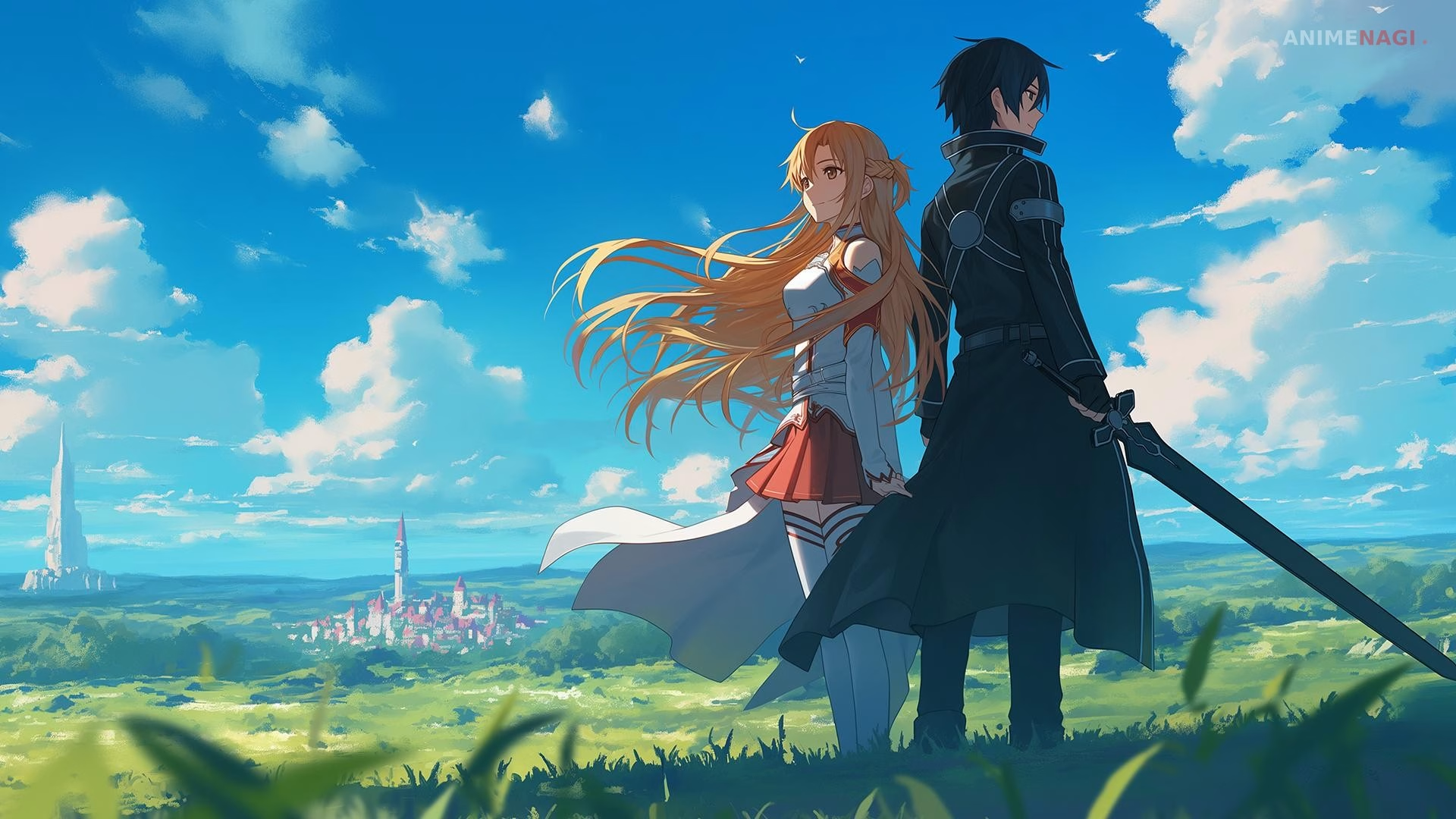
However, similar production quality does not indicate direct copying. Many modern anime share high-quality animation styles and cinematic techniques. These elements have become industry standards rather than unique traits.
The visual similarities enhance the comparison but do not define the relationship between the two series.
The Copy Debate Explained
The idea that Solo Leveling copies Sword Art Online mainly comes from surface-level similarities. Both series feature game-like systems, overpowered protagonists, and action-heavy storytelling. These elements are easy to compare but not exclusive to either series.
Gaming-inspired storytelling has existed across anime, light novels, and web novels for years. Solo Leveling belongs to a broader genre that draws heavily from RPG mechanics and progression-based narratives.
More importantly, the two series pursue different storytelling goals. SAO focuses on relationships and virtual experiences, while Solo Leveling focuses on power growth and external threats.
Because of these differences, the “copy” argument does not hold up under closer analysis. The similarities come from shared influences rather than direct imitation.
Why Both Series Became So Popular
The comparison debate also exists because both series achieved massive global popularity. Sword Art Online helped define a generation of anime by introducing many viewers to game-based storytelling. Its success influenced countless series that followed.
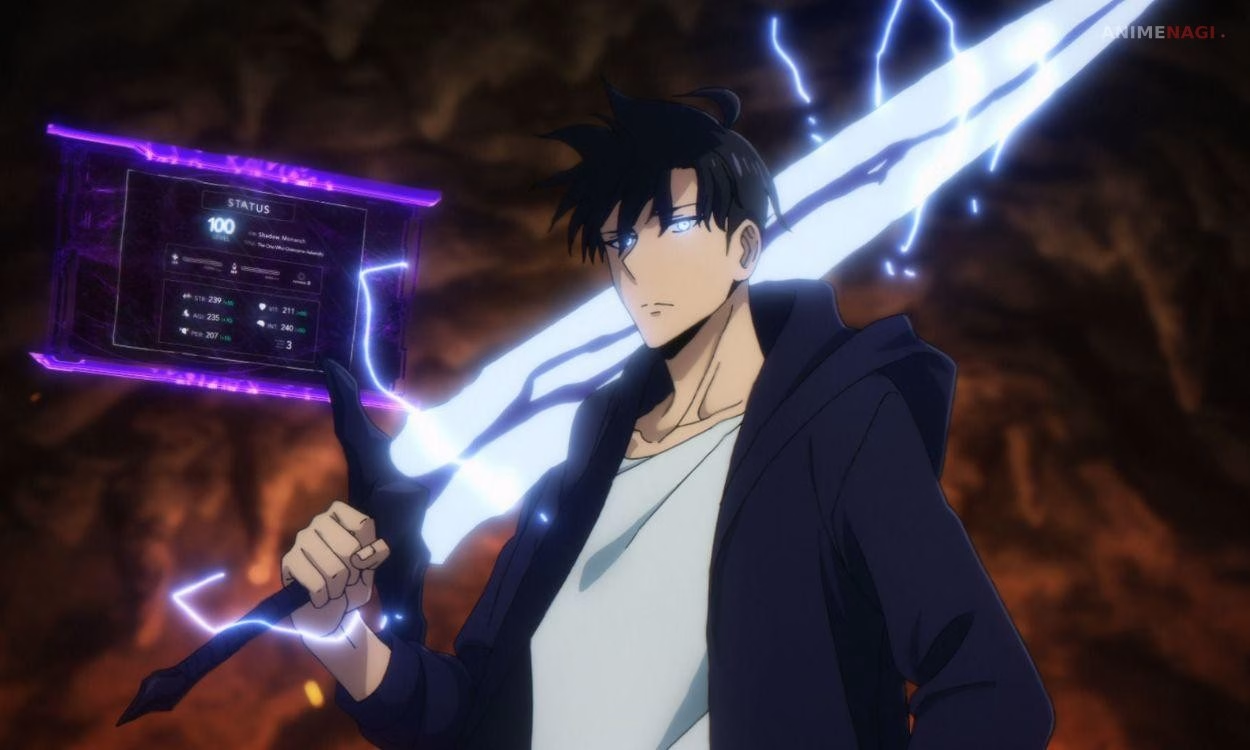
Solo Leveling, meanwhile, modernized progression fantasy for a new audience. Its fast-paced storytelling, clear power system, and visually striking action made it widely appealing.
Both series understand how to create engaging and memorable moments. They deliver strong protagonists, exciting battles, and satisfying progression arcs.
Their shared popularity naturally leads to comparisons, even if their core identities remain different.
Final Verdict: Are They Actually Similar?
In the end, Solo Leveling and Sword Art Online share certain similarities, but they are far from identical. The overlap exists mainly in visual style and basic progression concepts.
Their worlds, themes, and storytelling priorities differ significantly. SAO is a relationship-driven story set in virtual environments, while Solo Leveling is a power-focused narrative set in a transformed real world.
Rather than viewing Solo Leveling as a copy, it makes more sense to see both series as part of the same evolving genre. They represent different interpretations of gaming-inspired storytelling.
Each series succeeds in its own way, appealing to different types of viewers. The similarities may spark debate, but the differences ultimately define their identities.