Few manga creators carry the same artistic reputation as Takehiko Inoue. Known for redefining sports manga with Slam Dunk and delivering visually stunning storytelling in Vagabond, Inoue has influenced generations of artists across the manga industry. That is why his participation in the Dragon Ball Super Gallery project immediately drew attention from anime and manga fans worldwide.
The Dragon Ball Super Gallery was launched as part of Dragon Ball’s 40th anniversary celebration. The project invited famous manga creators to redraw classic Dragon Ball manga covers in their own styles as a tribute to Akira Toriyama and his legacy. Artists such as Masashi Kishimoto, Tite Kubo, and Eiichiro Oda all contributed. Inoue’s version quickly became one of the most discussed entries because of how naturally his artistic identity blended with Toriyama’s world.
What Is the Dragon Ball Super Gallery Project?
The Dragon Ball Super Gallery began in 2021 as a long-running anniversary project organized by Saikyo Jump. The idea was simple but powerful. Every month, a different mangaka would reinterpret one of the original 42 Dragon Ball manga covers. The project continued until all 42 covers received tribute illustrations from different creators across the manga industry.
What made the project special was the diversity of styles involved. Each artist approached Dragon Ball differently while still respecting Toriyama’s original designs. Some tributes leaned heavily into nostalgia, while others completely transformed the tone of the original artwork.
The project effectively became a celebration of Toriyama’s influence on modern manga. Many participating artists openly acknowledged that Dragon Ball shaped their careers and inspired their storytelling styles. This turned the Super Gallery into more than just a marketing campaign. It became an industry-wide tribute to one of manga’s most important creators.
Inoue’s contribution stood out because of the contrast between his grounded artistic realism and Toriyama’s energetic cartoon style. Fans were curious to see how the creator of Slam Dunk would reinterpret Goku and the adventurous tone of classic Dragon Ball.
Which Dragon Ball Cover Did Takehiko Inoue Redraw?
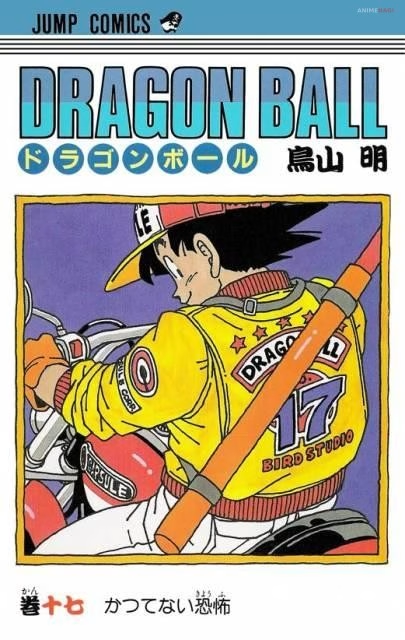
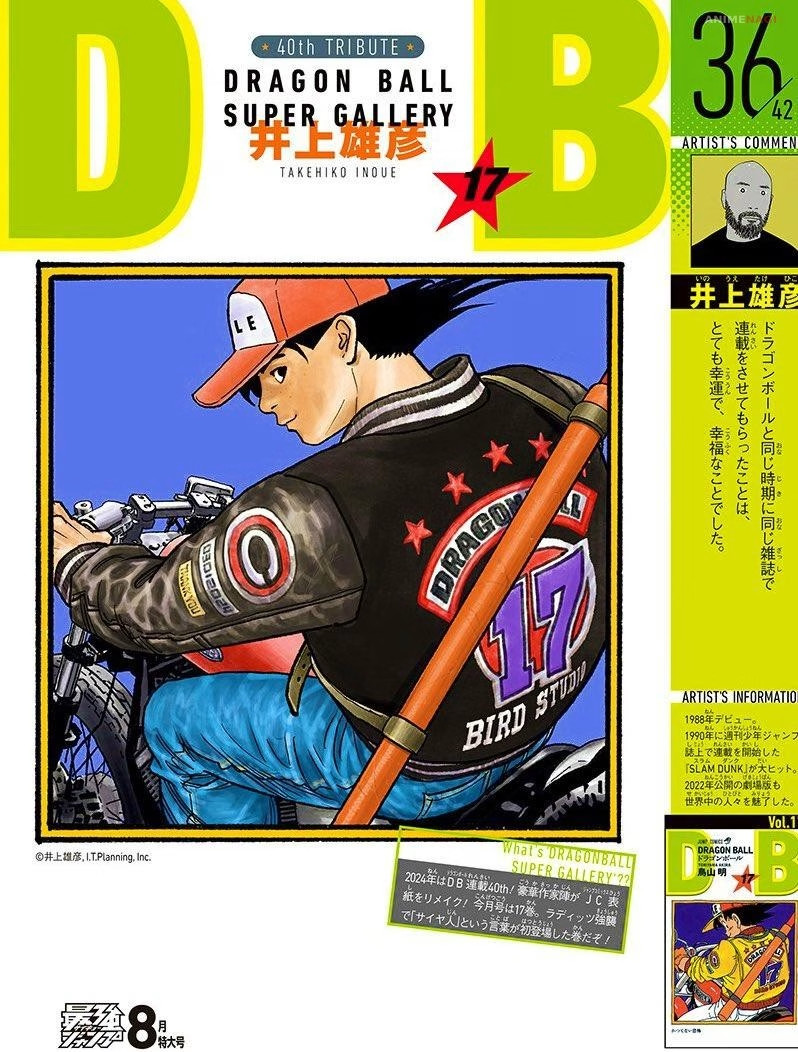
Takehiko Inoue reimagined the cover of Dragon Ball Volume 17 for the Super Gallery project. The original cover featured Goku riding a motorcycle while carrying his Power Pole, with several logos displayed on the back of his jacket. It was one of the more stylish and visually memorable covers from Toriyama’s original manga run.
Inoue preserved the core composition of the original artwork but infused it with his own signature style. His version gave Goku a more realistic appearance, particularly in the body proportions and motorcycle details. Fans immediately noticed how the artwork resembled the visual energy of Slam Dunk and even some aspects of Vagabond.
The redesign retained the adventurous spirit of the original cover while making it feel more mature and grounded. That balance was likely one reason why the tribute received so much praise online. It respected Toriyama’s work without simply copying it.
Many fans also appreciated the small details Inoue kept intact. The logos on Goku’s jacket, the positioning of the motorcycle, and the overall framing closely mirrored the original Volume 17 cover. However, the linework and shading clearly reflected Inoue’s artistic identity.
Why Inoue’s Tribute Meant So Much to Fans
Inoue’s participation carried emotional significance because of his place in manga history. Alongside creators like Toriyama and Yoshihiro Togashi, Inoue helped define the golden era of Weekly Shonen Jump during the 1990s. Slam Dunk, Dragon Ball, and Yu Yu Hakusho were among the manga series that dominated the magazine during its peak circulation years.
That historical connection made the tribute feel less like a guest illustration and more like one legendary creator honoring another. Fans familiar with manga history understood that Inoue and Toriyama were contemporaries who helped shape modern shonen storytelling.
The tribute also arrived during an emotional period for the anime and manga community following Toriyama’s death in March 2024. Several creators shared public tributes to the Dragon Ball creator, and many fans viewed the Super Gallery contributions through that emotional lens.
Inoue’s artwork captured that feeling perfectly. Rather than dramatically reinventing the cover, he treated it with visible respect. The illustration felt calm, nostalgic, and deeply appreciative of Toriyama’s influence.
How Takehiko Inoue’s Style Changed Goku’s Look
One of the biggest talking points surrounding the tribute was how different Goku looked under Inoue’s artistic direction. Toriyama’s original designs are known for their exaggerated expressions, rounded forms, and playful energy. Inoue’s artwork, on the other hand, often emphasizes realism, detailed anatomy, and emotional subtlety.
That difference became immediately visible in the Super Gallery illustration. Inoue’s Goku appeared taller, sharper, and more mature than Toriyama’s original version. The motorcycle itself also featured more realistic detailing, reflecting the technical precision often seen in Slam Dunk and Vagabond.
Despite those stylistic changes, the image still felt unmistakably like Goku. The cheerful, adventurous spirit remained intact, which showed how deeply Inoue understood the appeal of Dragon Ball.
This balance between realism and nostalgia helped the tribute resonate with longtime fans. It demonstrated how adaptable Toriyama’s characters are across different artistic interpretations while still preserving their core identity.
The Broader Impact of the Super Gallery Project
The Dragon Ball Super Gallery ultimately became one of the franchise’s most meaningful anniversary celebrations. Instead of focusing purely on merchandise or promotional campaigns, the project highlighted the creative influence Toriyama had on generations of manga artists.
The participating creators represented multiple eras of manga history. Some artists grew up reading Dragon Ball, while others worked alongside Toriyama during the height of Weekly Shonen Jump. Their contributions collectively showed how deeply Dragon Ball shaped the manga industry.
The project also introduced younger fans to artists they may not have explored before. Readers familiar only with modern shonen manga discovered creators like Inoue through the Super Gallery tributes, while longtime manga readers enjoyed seeing iconic art styles collide.
Shueisha later confirmed that the tribute covers would be included in a special Dragon Ball box set celebrating the manga’s 40th anniversary. That release further cemented the Super Gallery as an important part of Dragon Ball history rather than a temporary promotional event.