When people think of Gintama, they usually remember its outrageous comedy, constant fourth-wall breaks, and relentless parody of other anime and pop culture. However, one of the most unique and lesser-known facts about the series is how it seamlessly blends parody with deeply canonical storytelling without breaking narrative consistency. Unlike most comedy anime that reset after jokes, Gintama quietly builds long-term plot threads beneath its chaotic humor.
This unusual storytelling approach allows Gintama to switch from absurd comedy to emotionally devastating arcs without feeling disconnected. The same characters who joke about Jump rankings can suddenly deliver some of the most serious and impactful moments in anime. This duality is not accidental. It is a deliberate narrative structure created by Hideaki Sorachi that makes Gintama stand out even among long-running shonen series. Let’s break down this unique fact and why it works so effectively.
Gintama’s Comedy Is Not Separate From Its Story
One of the most surprising facts about Gintama is that its comedy episodes are not filler in the traditional sense. Even when episodes focus on parody or absurd humor, they still contribute to character development and world-building. This is very different from typical anime where comedic episodes exist purely for entertainment.
In Gintama, small jokes often reveal character traits that later become important in serious arcs. For example, Gintoki’s lazy and carefree personality hides his past as a war veteran, which becomes central during major storylines like the Shogun Assassination Arc. The comedy builds familiarity, making emotional moments hit much harder.
This structure allows viewers to stay invested even during seemingly random episodes. What looks like chaos is actually controlled storytelling, where every interaction adds depth to the characters.
Another unique aspect is how Gintama treats fourth-wall breaks as part of its identity rather than a gimmick. Characters frequently reference the anime industry, voice actors, and even their own ratings. While this might seem like it would break immersion, Gintama uses it to strengthen its tone.
These moments create a meta-layer that keeps the audience constantly engaged. At the same time, the show knows exactly when to drop the humor. During serious arcs, fourth-wall jokes almost disappear, allowing the story to shift into a grounded and emotional narrative.
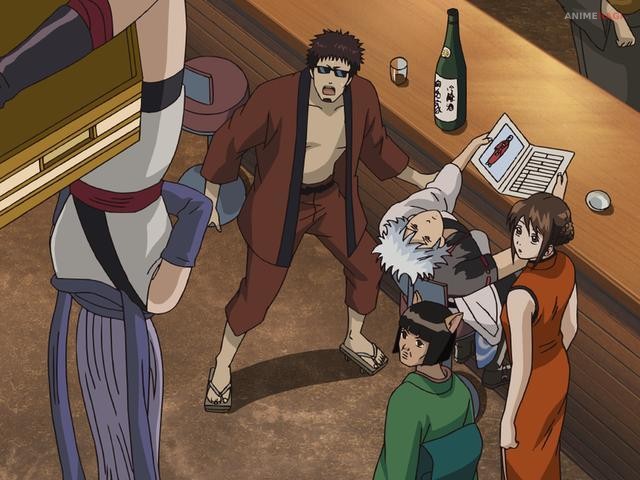
This controlled use of meta humor is rare in anime. It shows that Gintama is fully aware of its identity and uses that awareness to enhance both comedy and drama without undermining either.
The Sudden Shift to Serious Arcs Is Intentional
One of the most talked-about features of Gintama is its ability to transition from comedy to serious storytelling almost instantly. This is not poor pacing or inconsistency. It is a deliberate technique that amplifies emotional impact.
Because the audience becomes comfortable with the comedic tone, serious moments feel more shocking and powerful. Arcs like the Shinsengumi Crisis and Farewell Shinsengumi showcase intense character drama, political conflict, and high-stakes battles. These arcs prove that Gintama is not just a parody anime.
The contrast between humor and seriousness creates a unique viewing experience. Instead of separating genres, Gintama merges them into a single cohesive narrative style that keeps viewers constantly surprised.
Why This Makes Gintama Truly Unique
What makes this fact truly special is that very few series manage to balance parody and meaningful storytelling without losing credibility. Gintama succeeds because it never treats its comedy as disposable. Every joke, reference, and absurd situation exists within the same world as its serious conflicts.
This approach also allows the characters to feel more human. They can be ridiculous in one moment and deeply emotional in the next, just like real people. The consistency of their personalities, even across tonal shifts, is what keeps the story grounded.
As a result, Gintama appeals to a wide audience. Fans who come for the comedy stay for the characters and storytelling, while those looking for serious arcs are often surprised by the depth hidden beneath the humor.