The ending of Tokyo Ghoul:re Season 3 left many fans confused, emotional, and searching for answers. As the continuation of Tokyo Ghoul, this season dives deeper into identity, memory, and the fragile line between humans and ghouls. With Ken Kaneki living as Haise Sasaki, the story takes a complex turn that builds toward one of the most chaotic climaxes in the series.
Unlike earlier seasons, Season 3 shifts focus toward political conflict within the CCG, the rise of powerful ghouls, and Kaneki’s internal struggle. By the final episodes, everything escalates rapidly, leading to the stunning Dragon transformation and a complete breakdown of order in Tokyo.
The ending is not straightforward, and that’s exactly why it stands out. It combines emotional resolution with narrative chaos, leaving viewers with more questions than answers. Let’s break down what really happens in the Tokyo Ghoul Season 3 ending, what it means for Kaneki’s journey, and how it sets the stage for the final arc.
Haise Sasaki Becomes Kaneki Again
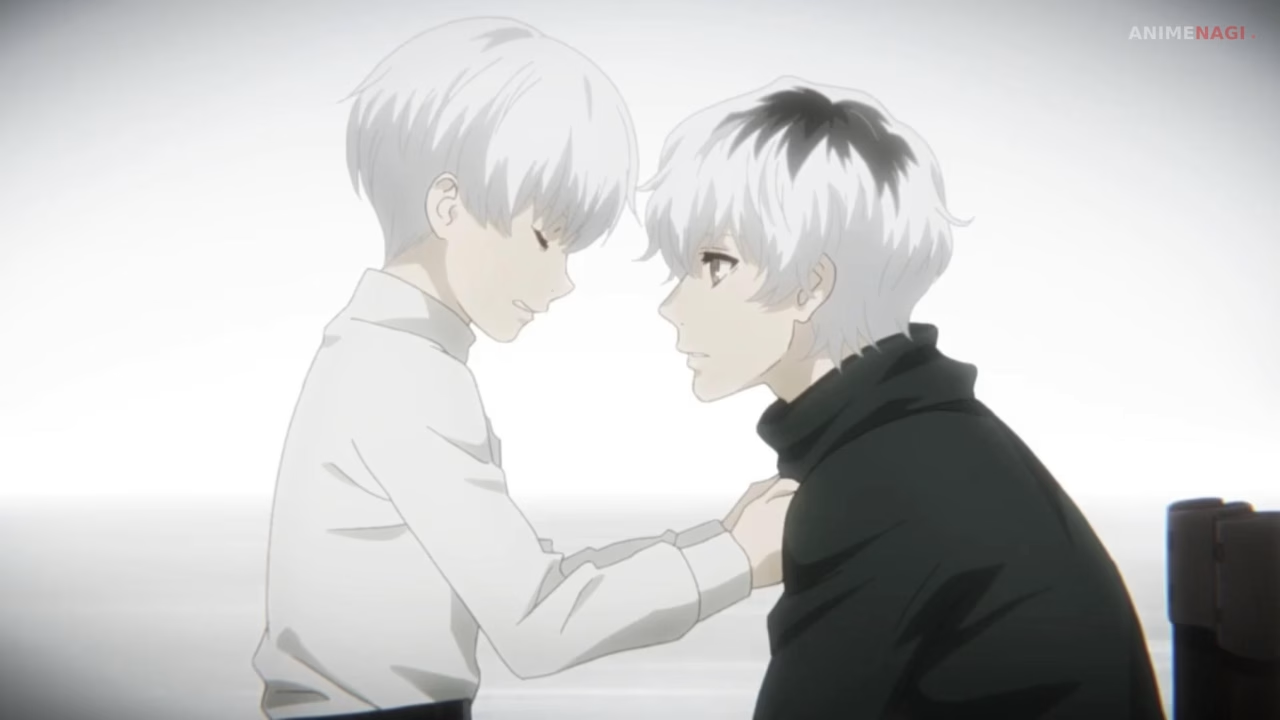
One of the most crucial elements of Season 3 is Kaneki’s identity crisis. After losing his memories, he lives as Haise Sasaki, a CCG investigator leading the Quinx Squad. Haise represents a more controlled and stable version of Kaneki, but his past continues to haunt him.
As the season progresses, fragments of Kaneki’s memories begin to resurface. These moments create internal conflict, as Haise struggles to reconcile his current life with the person he used to be. He forms bonds with the Quinx Squad, creating a new sense of belonging that complicates his emotional state.
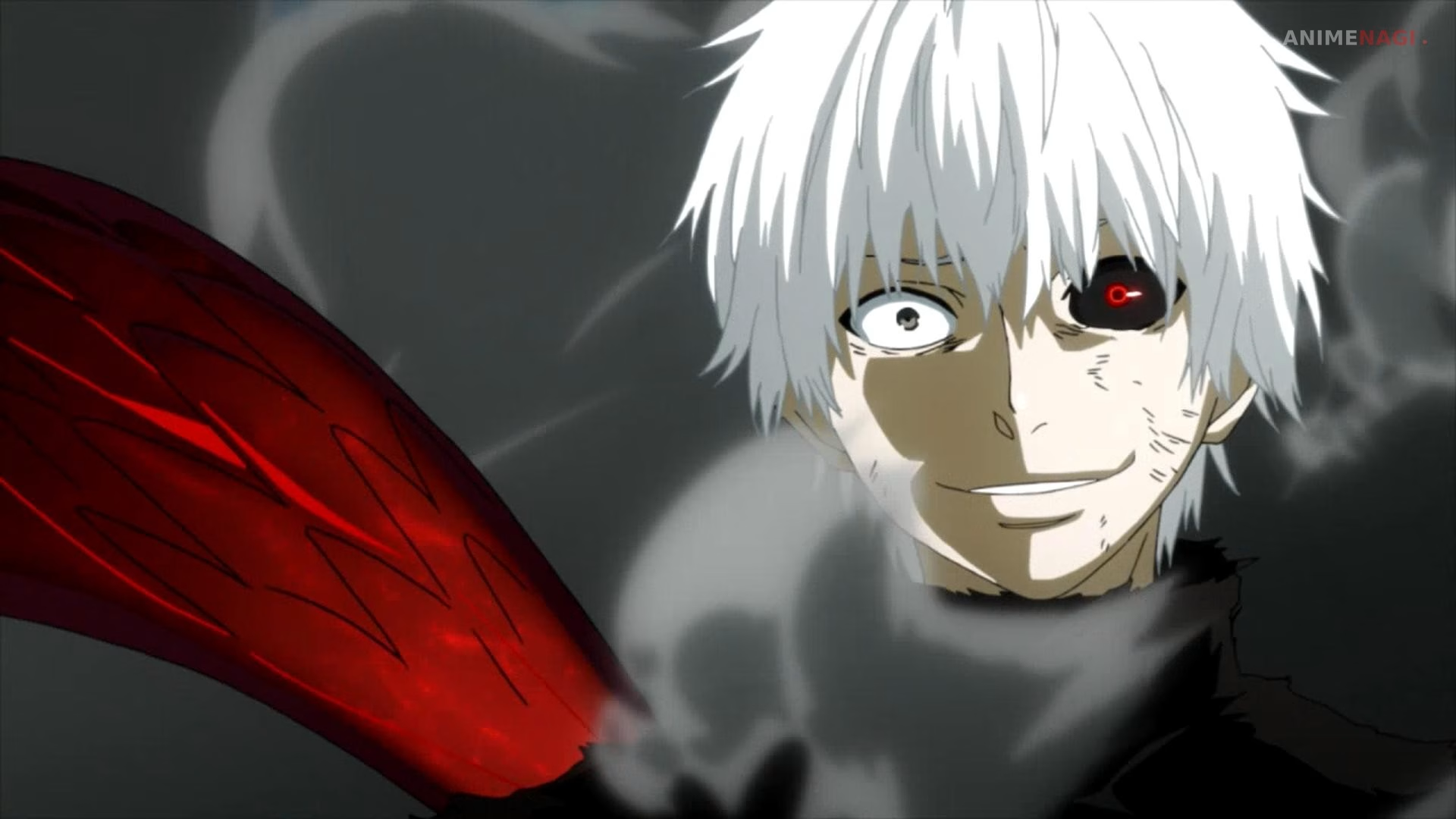
By the ending, Kaneki fully reclaims his identity. This is not just a physical transformation but an emotional one. He accepts both his past trauma and present responsibilities, becoming a more complete version of himself.
This moment is essential because it sets the foundation for everything that follows. Kaneki is no longer running from who he is. Instead, he embraces it, even if it leads him down a darker path filled with consequences.
The Dragon Transformation: What Happened to Kaneki?
The most stunning part of the Season 3 ending is Kaneki’s transformation into the Dragon. This massive, uncontrollable form emerges after Kaneki is pushed beyond his limits, both physically and emotionally. His body mutates into a colossal kagune structure that engulfs large parts of the city.
The Dragon is not just a power-up. It represents the culmination of Kaneki’s suffering, identity struggles, and the constant conflict between his human and ghoul sides. In this state, he loses control, becoming a destructive force that devastates Tokyo.
This transformation also introduces a new threat to the world. The Dragon spreads a toxic substance that creates artificial ghouls, turning ordinary humans into monstrous beings. This further escalates the chaos and blurs the line between victim and threat.
While it may seem like Kaneki has become a villain, the reality is more tragic than malicious. The Dragon symbolizes what happens when someone is pushed beyond their breaking point without support or resolution.
The Collapse of the CCG and the Changing World
As Kaneki transforms, the balance of power in Tokyo completely collapses. The CCG, once seen as the ultimate authority against ghouls, begins to lose control over the situation. Their structured system proves ineffective against the scale of the disaster.

The Dragon’s existence forces both humans and ghouls into survival mode. Traditional roles begin to dissolve, and the idea of clear enemies becomes irrelevant. The chaos creates an environment where cooperation becomes necessary.
This shift is significant because it challenges the foundation of the series’ conflict. The narrative moves away from simple good versus evil and toward a more complex understanding of coexistence and survival.
The collapse of the CCG also exposes its flaws. Its rigid ideology and harsh methods contributed to the cycle of violence that ultimately led to this catastrophe. This realization becomes crucial for the story moving forward.
Key Characters and Their Roles in the Ending
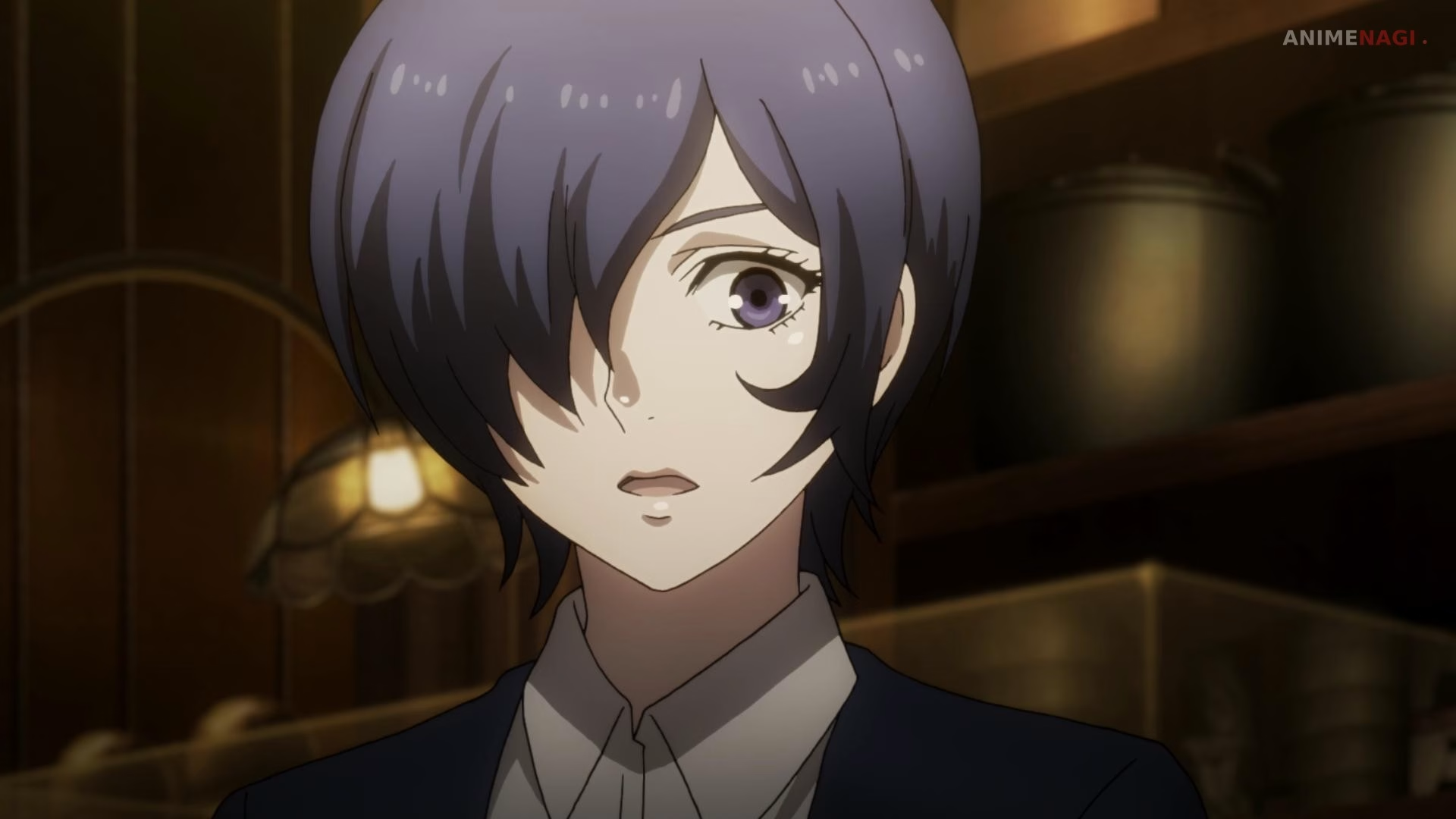
Several characters play crucial roles in shaping the ending of Season 3. Touka Kirishima remains a central emotional anchor for Kaneki, representing hope and connection even in the darkest moments. Her presence reminds viewers that Kaneki still has something worth fighting for.
The Quinx Squad faces a difficult emotional challenge. They must come to terms with the truth about Haise and accept that their mentor is also the source of the chaos. This conflict adds emotional depth to the story.
Juuzou Suzuya and other investigators continue to fight despite overwhelming odds. Their determination highlights the human side of the conflict, even as their worldview begins to shift.
Each character’s reaction to the Dragon event reinforces the theme that no one is unaffected. The ending is not just about Kaneki but about how his transformation impacts everyone around him.
The ending of Season 3 carries deep thematic significance. It explores the consequences of unresolved trauma, systemic conflict, and the inability of society to adapt. Kaneki’s transformation is the ultimate result of these failures.
At its core, the story questions whether coexistence is possible. The destruction caused by the Dragon forces characters to reconsider their beliefs and actions. It creates an opportunity for change, even if it comes at a high cost.
The ending also emphasizes the importance of empathy. By showing both human and ghoul perspectives, the series highlights the shared suffering on both sides. This perspective is key to understanding the narrative’s message.
Rather than offering a clean resolution, the ending presents a turning point. It marks the end of one phase of the story and the beginning of another, where the focus shifts toward rebuilding and reconciliation.
Season 3’s ending serves as a bridge to the final arc of the series. The chaos caused by the Dragon creates a new world order, forcing former enemies to reconsider their positions. Alliances begin to form out of necessity rather than ideology.
Kaneki’s fate becomes the central question moving forward. His transformation leaves him physically and emotionally shattered, setting up a journey of recovery and redemption. This adds a new layer to his character arc.
The stage is also set for a larger conflict that goes beyond individual battles. The focus shifts toward addressing the root causes of the human-ghoul divide. This elevates the story from personal struggle to societal change.
By leaving several threads unresolved, the ending ensures that viewers remain invested. It creates anticipation for how the story will conclude and whether true peace can ever be achieved.