The Wano Country arc introduced many dark aspects of life under Kaido’s rule, but few locations captured the cruelty of his regime better than Udon Prison. Located in the Udon region of Wano, the prison initially appears to be a standard detention facility. However, as the story progresses, it becomes clear that Udon is far more than a prison. It is a massive forced labor camp designed to exploit prisoners while breaking their spirit.
Unlike conventional prisons where inmates simply serve sentences, Udon exists to generate resources and strengthen Kaido’s control over Wano. Prisoners are treated as disposable workers whose lives have little value beyond the labor they can provide. Every aspect of the facility is structured around obedience, production, and fear.
The prison becomes one of the most important locations in the Wano storyline because it exposes the true nature of Kaido’s rule. Through Luffy’s imprisonment there, readers gain a firsthand look at how oppression functions within the isolated nation. Udon serves as both a symbol of Wano’s suffering and a catalyst for the rebellion that eventually challenges the Yonko’s authority.
Why Was Udon Prison Created?
Kaido and the shogun Orochi maintained power through intimidation and force. To ensure that no resistance movement could grow strong enough to threaten them, they needed a system capable of removing political enemies while simultaneously benefiting the regime.
Udon Prison fulfilled this purpose perfectly. Anyone considered a threat to the government could be sent there. Former samurai, rebels, criminals, and ordinary citizens who opposed the regime were all forced into the same brutal environment.
The prison also supported Wano’s industrial operations. Prisoners mined resources and performed physically exhausting labor that contributed directly to Kaido’s economic and military strength. Rather than simply punishing people, Udon transformed them into a source of free labor.
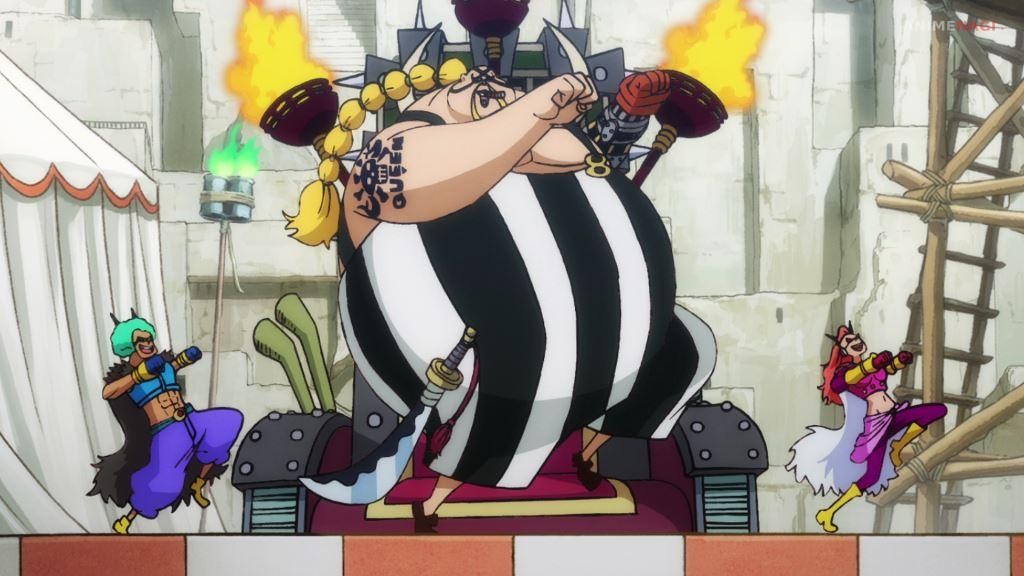
This arrangement reflects one of the central themes of the Wano arc. Kaido’s regime does not merely conquer people through military power. It exploits them economically, stripping away both freedom and dignity. Udon stands as the clearest example of that system.
How the Udon Prison System Works
Life inside Udon follows a strict structure designed to maximize productivity while minimizing resistance. The prison operates more like a labor mine than a traditional correctional facility.
Prisoners spend their days performing physically demanding work under constant supervision. Guards monitor every action, ensuring that inmates remain productive. Food is distributed based on work performance, creating an environment where survival depends on meeting labor quotas.
This system turns basic necessities into tools of control. Instead of receiving meals as a standard right, prisoners must earn food through labor. Those who fail to produce enough resources risk starvation and punishment.
The structure creates competition among inmates as well. Prisoners are encouraged to focus on survival rather than rebellion. By making food scarce and tying it directly to productivity, the prison administration keeps inmates exhausted and dependent on the system.
Forced Labor and the Reality of Slavery
One of the most disturbing aspects of Udon is how closely it resembles slavery. Although prisoners are technically inmates, they possess virtually none of the rights associated with imprisonment in a lawful society.
They cannot leave the facility. They have no control over their work assignments. Their survival depends entirely on serving the interests of their captors. In practice, they function as a workforce owned and controlled by Kaido’s regime.
The prison mines represent the clearest example of this exploitation. Prisoners spend countless hours performing dangerous labor under harsh conditions. Their efforts generate wealth and resources that benefit the Beasts Pirates while the workers themselves receive only enough food to stay alive.
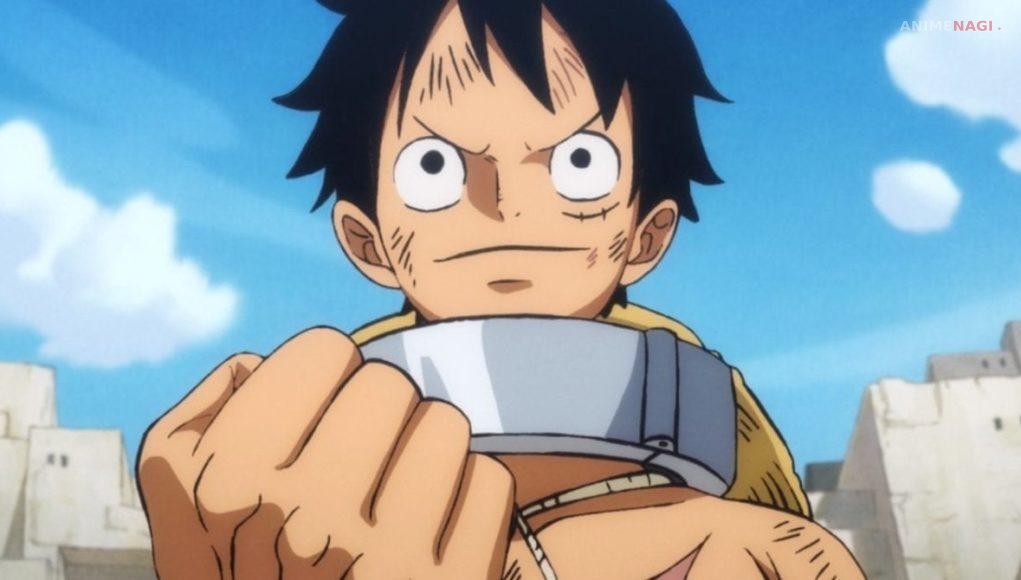
This system reinforces one of Wano’s broader political messages. Kaido’s rule is built on exploitation rather than governance. Citizens and prisoners alike are viewed as resources to be consumed rather than people deserving protection.
The conditions inside Udon demonstrate how authoritarian systems often rely on economic control. Physical imprisonment alone is not enough. By controlling food, labor, and survival, the regime ensures obedience even among those who hate it.
The Punishments Used in Udon
Fear is a critical component of the prison’s operation. To maintain order among thousands of inmates, guards rely on severe punishments that discourage resistance.
Prisoners who disobey orders risk public execution, beatings, or other forms of physical punishment. The threat of violence is constant, creating an atmosphere where even minor acts of defiance can carry deadly consequences.
One of the most memorable examples occurs when prisoners are forced to witness brutal treatment designed to intimidate the entire population. These displays send a clear message that resistance will not be tolerated.
The prison’s punishment system extends beyond physical violence. Starvation serves as another weapon. Since food is tied to labor output, prisoners who fail to perform adequately may receive less food, further weakening their ability to survive.
This combination of physical punishment and resource deprivation creates a cycle of dependency. Prisoners become too exhausted and malnourished to challenge the system effectively.
The Role of Queen in Running Udon
Among the Beasts Pirates, Queen serves as the primary authority figure overseeing Udon during much of the story. His management style reflects the cruelty and arrogance that define Kaido’s organization.
Rather than treating prisoners as human beings, Queen views them as entertainment and tools. He frequently turns punishment into spectacle, enjoying the suffering of inmates while demonstrating his power.
Queen’s presence transforms the prison into an even more dangerous environment. His unpredictable behavior means that prisoners must constantly fear not only standard punishment but also whatever cruel game he decides to invent.
At the same time, Queen’s arrogance becomes one of the prison system’s weaknesses. His overconfidence causes him to underestimate the determination of certain prisoners, particularly Luffy. This eventually contributes to the collapse of the prison’s control structure.
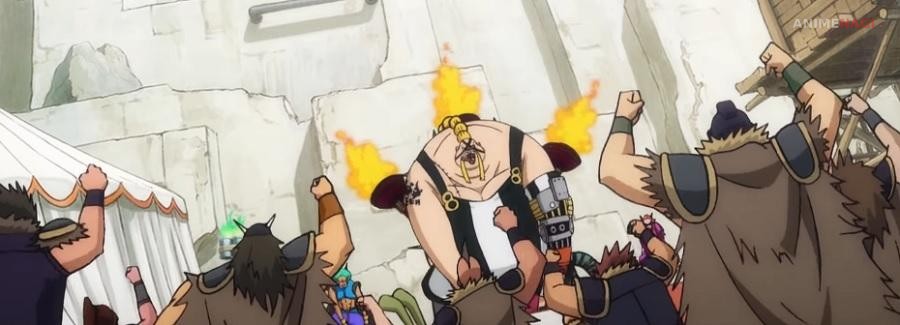
Through Queen, the story illustrates how tyrannical systems often depend on leaders who mistake fear for loyalty. While such rulers can dominate people temporarily, they frequently fail to recognize the strength of resistance growing beneath the surface.
How Prisoners Survived Inside Udon
Despite the harsh conditions, many prisoners manage to survive for years. Their survival depends on adaptation, cooperation, and hope.
Some inmates focus entirely on meeting labor quotas to secure enough food. Others rely on relationships with fellow prisoners, sharing information and supporting one another whenever possible.
The presence of former samurai is especially important. Although many have lost faith after years of imprisonment, they continue carrying memories of Wano’s past and the ideals represented by the Kozuki family.
Hope becomes a valuable resource within the prison. Even when physical strength fades, the belief that Wano can someday be freed helps many prisoners endure conditions that might otherwise break them completely.
This theme of perseverance runs throughout the Wano arc. The prison attempts to destroy both bodies and spirits, yet many inmates continue resisting internally even when they cannot resist openly.
Luffy’s Arrival Changes Everything
The prison’s balance begins to shift dramatically once Monkey D. Luffy arrives. Unlike many prisoners who have spent years under Kaido’s rule, Luffy refuses to accept the prison’s logic.
Rather than focusing solely on survival, he challenges the assumptions that keep the system functioning. He continues training, inspiring fellow inmates and demonstrating that resistance remains possible.
Luffy’s attitude gradually spreads throughout the prison population. Prisoners who had lost hope begin reconsidering their situation. The idea that Kaido can actually be defeated starts gaining credibility.
His presence also exposes weaknesses in the prison’s control mechanisms. Guards accustomed to broken and obedient inmates struggle to handle someone who refuses to submit psychologically.
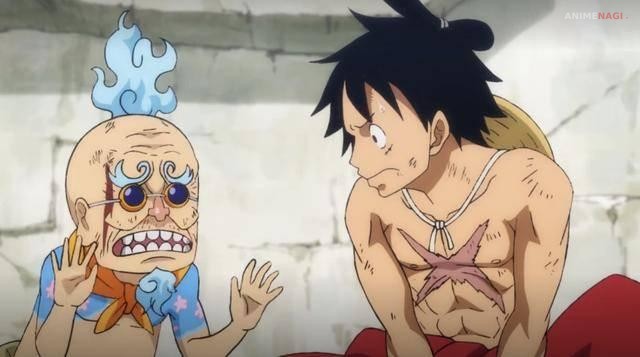
The transformation is not immediate, but it is significant. Udon slowly shifts from a symbol of oppression into a center of rebellion.
The Prisoner Mines and Economic Exploitation
The mines beneath Udon are essential to understanding why the prison exists. These operations provide tangible economic benefits to Kaido’s regime.
Every prisoner working in the mines contributes to the production of valuable resources. The prison therefore functions as a self-sustaining engine of exploitation, generating wealth while simultaneously removing potential political threats.
This dual purpose makes Udon particularly effective as a tool of authoritarian control. The regime profits financially while weakening opposition groups.
The arrangement mirrors real-world examples of forced labor systems throughout history. By connecting imprisonment with economic production, those in power extract maximum value from the people they oppress.
Within the narrative, these mines help illustrate that Wano’s suffering is not accidental. The exploitation is systematic, deliberate, and deeply integrated into the country’s political structure.
What Udon Prison Represents in One Piece
Beyond its role in the plot, Udon carries significant symbolic meaning. It represents the consequences of allowing tyranny to flourish unchecked.
The prison demonstrates how oppressive governments maintain control through a combination of violence, economic exploitation, and psychological manipulation. Every aspect of its design serves the interests of those in power.
At the same time, Udon also represents resilience. Despite years of suffering, many prisoners never completely abandon hope. Their willingness to keep fighting reflects one of One Piece’s most important themes: freedom is worth pursuing even in the darkest circumstances.
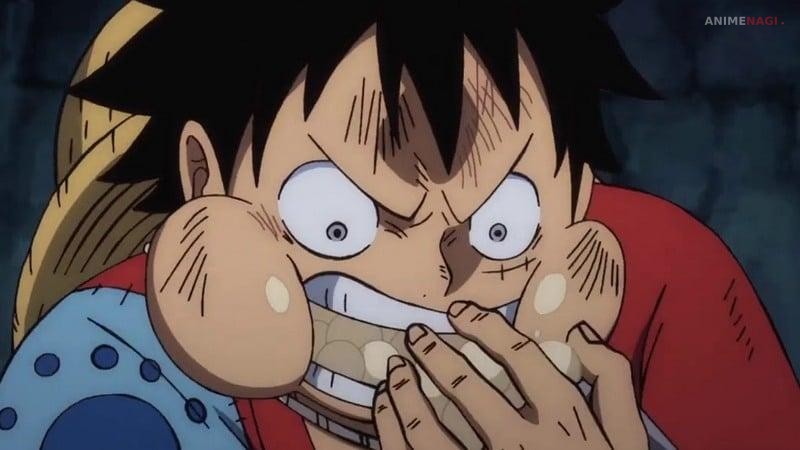
The prison’s eventual liberation reinforces this message. Systems built on fear may appear invincible, but they remain vulnerable when enough people unite against them.
Udon Prison is far more than a simple prison in One Piece. It is a forced labor camp, a tool of political repression, and one of the clearest examples of Kaido’s cruelty during the Wano Country arc.
Through starvation, violence, and economic exploitation, the prison transforms inmates into a workforce that strengthens the very regime responsible for their suffering. The system is designed to break bodies and spirits alike, ensuring that resistance becomes nearly impossible.
Yet Udon also becomes a story of survival and hope. The determination of its prisoners, combined with Luffy’s influence, turns a symbol of oppression into a symbol of rebellion. By the end of the arc, Udon stands as proof that even the most brutal systems can be challenged when people refuse to surrender their desire for freedom.