Weekly Shonen Jump is not just a manga magazine. It is one of the most influential forces in modern entertainment, responsible for launching global phenomena like Naruto, One Piece, and Dragon Ball. Published by Shueisha, the magazine has defined what “shonen anime” means for decades. Since its debut in 1968, it has introduced readers to stories built around friendship, rivalry, perseverance, and growth.
At its peak in the 1990s, Weekly Shonen Jump reached over 6 million weekly copies in circulation, making it one of the best-selling comic magazines of all time. According to historical data compiled by Encyclopaedia Britannica, its influence extends far beyond Japan, shaping global pop culture through anime adaptations and international distribution. Understanding Weekly Shonen Jump is essential to understanding how anime became a worldwide phenomenon.
What Is Weekly Shonen Jump?
Weekly Shonen Jump is a manga anthology magazine that publishes multiple serialized stories in each issue. Instead of focusing on a single series, it releases chapters from different manga every week. Readers then vote for their favorite series through surveys, which directly impacts a manga’s survival.
This reader-driven system is one of the magazine’s defining features. Popular series continue and receive more promotion, while poorly ranked ones are often canceled quickly. This competitive environment has pushed creators to consistently deliver engaging chapters.
The magazine primarily targets a young male audience, but its reach extends far beyond that demographic. Over time, its stories have appealed to readers of all ages due to their universal themes and evolving storytelling depth.
The Origins and Rise of Shonen Jump
Weekly Shonen Jump launched in 1968 during a period when manga magazines were rapidly growing in Japan. Its early success came from focusing on energetic, action-driven stories that resonated with younger audiences.
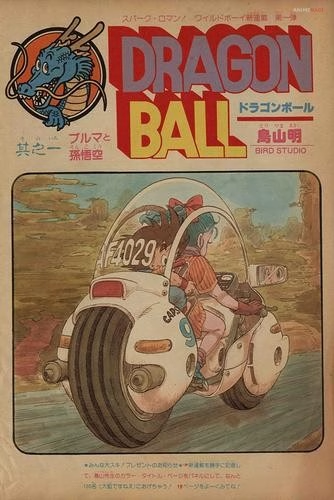
The magazine’s real breakthrough came in the 1980s and 1990s, often referred to as its golden era. During this time, it serialized iconic series like Dragon Ball, Slam Dunk, and Yu Yu Hakusho. These series dominated both manga sales and anime adaptations, turning Shonen Jump into a cultural powerhouse.
By the mid-1990s, the magazine reached peak circulation levels, cementing its position as the industry leader. According to Encyclopaedia Britannica, this period defined the blueprint for modern shonen storytelling.
How Shonen Jump Created Global Hits
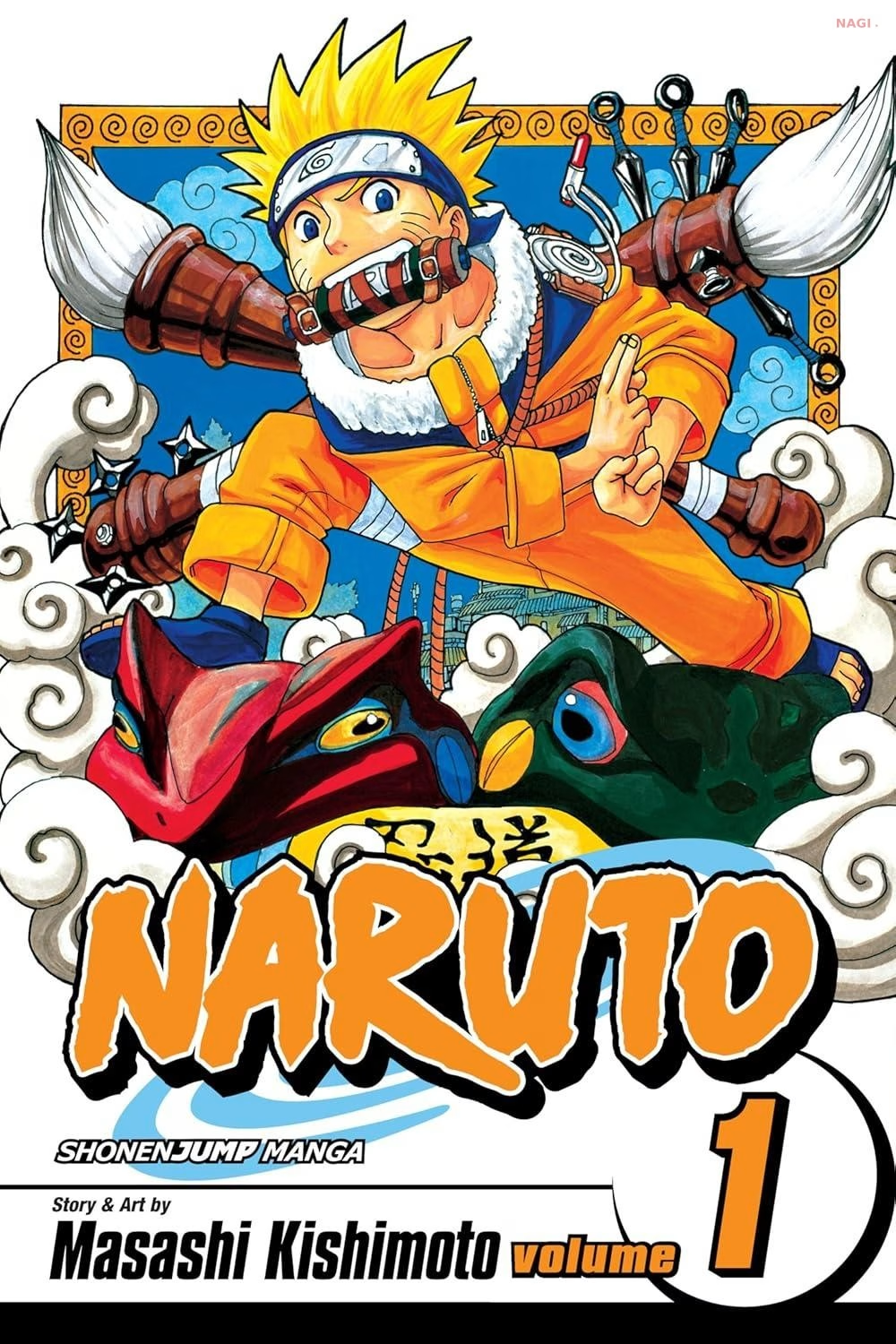
The magazine’s global reputation largely comes from the success of its most famous titles. Series like Naruto by Masashi Kishimoto, One Piece by Eiichiro Oda, and Bleach by Tite Kubo became international sensations.
These three series, often called the “Big Three,” defined anime for an entire generation of fans worldwide. Their long-running stories, deep character development, and expansive worlds helped anime break into mainstream global markets.
Before them, Dragon Ball by Akira Toriyama had already laid the foundation for global anime popularity. Its influence can still be seen in modern action series today.
The Unique Editorial System Behind Its Success
One of the most important reasons behind Weekly Shonen Jump’s success is its editorial system. Each manga creator works closely with an editor who helps shape the story, pacing, and character development.
Editors play a critical role in refining ideas and ensuring each chapter remains engaging. This collaborative process has helped many series maintain consistent quality despite intense weekly deadlines.
The reader survey system adds another layer of pressure. Since rankings directly affect a series’ future, creators must constantly adapt to audience preferences. While this system has produced many hits, it is also known for being highly demanding.
The Core Themes of Shonen Jump Manga
Despite the diversity of its series, Weekly Shonen Jump is known for a consistent set of themes. These themes have become the foundation of shonen storytelling worldwide.
Friendship is one of the most important elements. Characters often rely on bonds with others to overcome challenges. Rivalry is another key theme, pushing characters to grow stronger through competition.
Perseverance also plays a central role. Protagonists typically start with limitations but improve through hard work and determination. These themes have made Shonen Jump stories relatable and inspiring to global audiences.
Even after the end of the Big Three era, Weekly Shonen Jump continues to produce successful series. Modern hits include My Hero Academia, Jujutsu Kaisen, and Demon Slayer.
These series have adapted classic shonen themes to modern audiences. For example, Jujutsu Kaisen explores darker emotional themes, while My Hero Academia focuses on hero society and responsibility.
According to Encyclopaedia Britannica, the magazine’s ability to evolve while maintaining its core identity is a key reason for its continued success.
A major factor behind Weekly Shonen Jump’s global influence is anime adaptation. Once a manga becomes popular, it is often adapted into an anime series, expanding its reach to international audiences.
Studios like Toei Animation, MAPPA, and ufotable have adapted many Shonen Jump series into highly successful anime. These adaptations introduce the stories to viewers who may not read manga.
The rise of streaming platforms has further amplified this reach, making anime more accessible than ever before. This global accessibility has turned Shonen Jump titles into worldwide franchises.
Why Weekly Shonen Jump Still Matters Today

Weekly Shonen Jump remains relevant because it continues to discover new talent and adapt to changing audience preferences. Its digital platforms have made manga more accessible, allowing readers worldwide to follow new chapters simultaneously.
The magazine also serves as a launching pad for future anime hits. Many of today’s popular series began as unknown manga competing for reader attention.
More importantly, Shonen Jump has shaped how stories are told in anime and manga. Its influence extends beyond individual series, affecting storytelling techniques, character archetypes, and even global entertainment trends.
Weekly Shonen Jump is more than a magazine. It is a creative engine that has shaped the anime and manga industry for over five decades. From Dragon Ball to One Piece and Jujutsu Kaisen, it has consistently produced stories that resonate across cultures and generations.
Its combination of competitive publishing, strong editorial guidance, and universal storytelling themes has made it a unique force in entertainment. As long as it continues to discover new creators and evolve with its audience, Weekly Shonen Jump will remain at the center of global anime culture.