Blue Lock became one of the biggest sports anime hits in recent years thanks to its intense matches, dynamic camera work, and high-energy animation style. Season 1 successfully captured the aggressive and chaotic atmosphere of the manga, helping the franchise explode in popularity worldwide. Because of that success, expectations for Season 2 were extremely high, especially with the highly anticipated U-20 Japan arc finally arriving in animated form.
However, shortly after Season 2 premiered, fans began criticizing the anime’s visual quality online. Clips from episodes spread rapidly across social media, with viewers comparing certain scenes to slideshow presentations or “PowerPoint animation.” The backlash quickly became one of the most discussed anime controversies of 2024, leading to debates about production schedules, studio management, and the state of the anime industry itself.
Let’s break down what actually went wrong with Blue Lock Season 2’s animation, why fans reacted so strongly, and whether the criticism was fully justified.
Why Fans Were Disappointed With Blue Lock Season 2
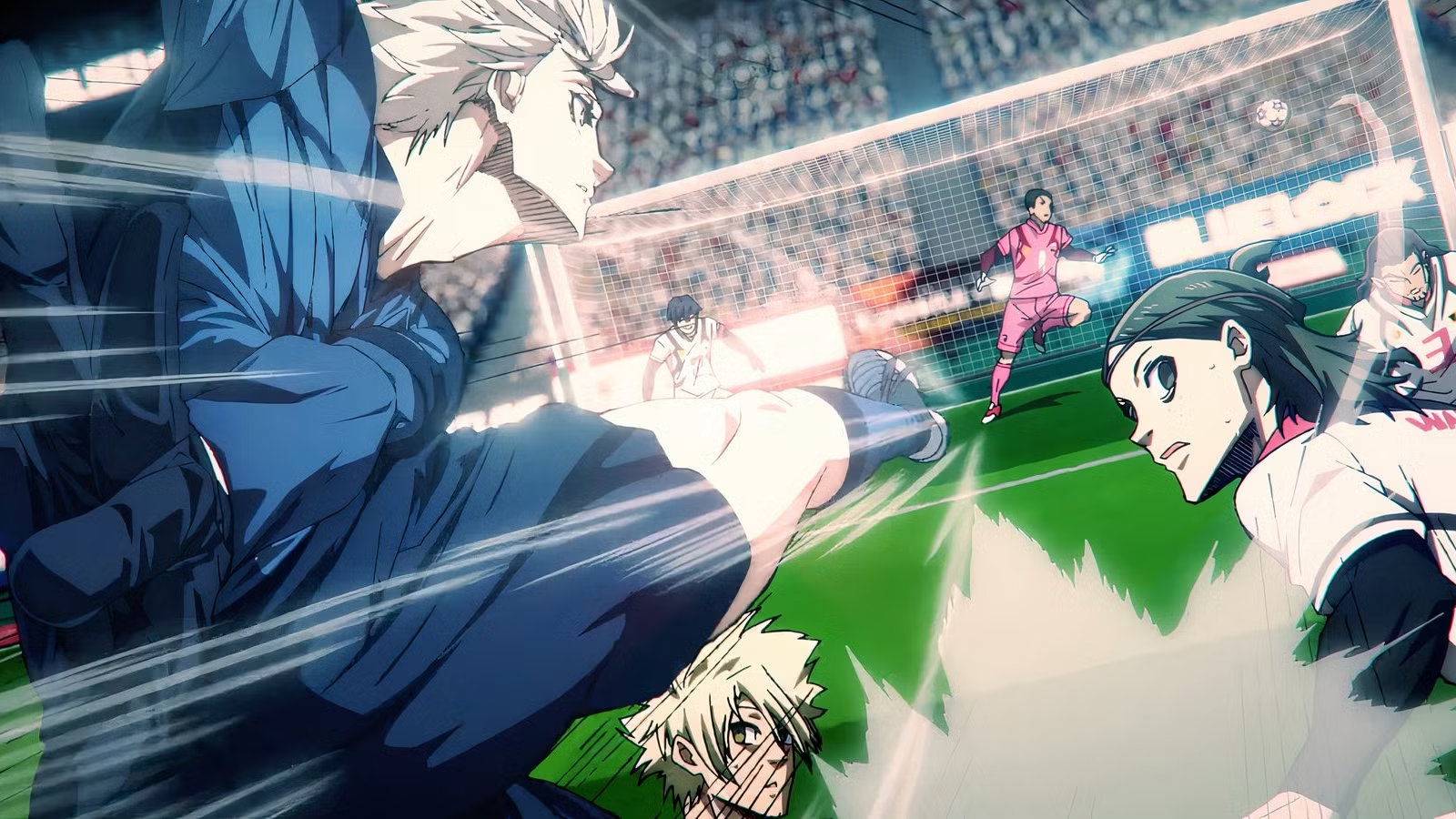
The biggest issue fans noticed was the lack of fluid movement during important match sequences. Sports anime heavily rely on dynamic motion to create excitement, especially during dribbling, shooting, and fast-paced action scenes. However, many viewers felt that Season 2 frequently replaced smooth animation with static images, motion lines, and rapid cuts between manga-like frames.
Several episodes became viral online because of scenes where characters barely moved while the camera panned dramatically across still artwork. Fans began joking that the anime looked more like a moving manga slideshow than a fully animated sports series. The criticism became particularly intense because Blue Lock is built around explosive energy and exaggerated visual momentum, making weak animation far more noticeable than in slower-paced shows.
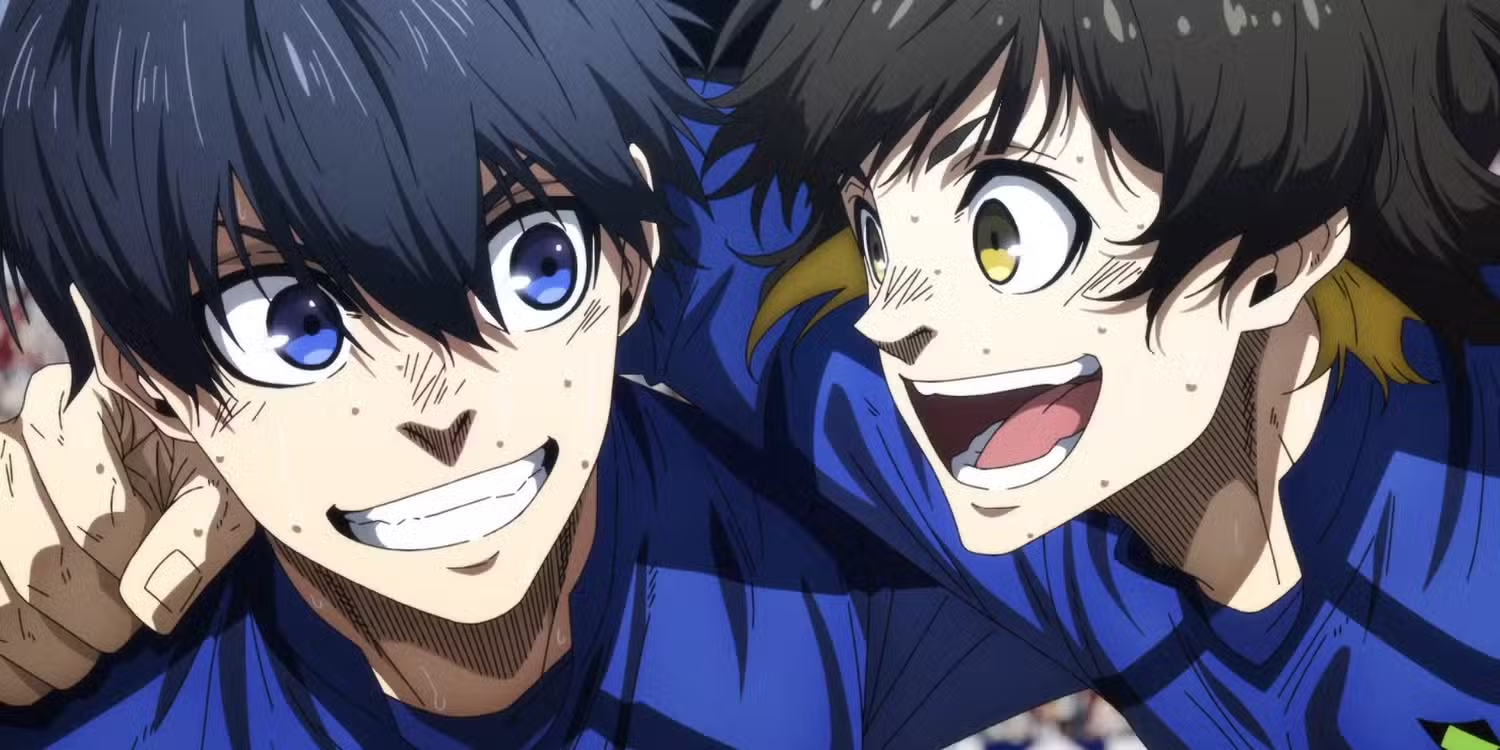
The backlash was also amplified by comparisons to Season 1. While the first season was not universally praised for perfect animation, it still delivered energetic sequences and impactful moments that matched the manga’s intensity. Season 2’s visual downgrade therefore felt surprising to many viewers who expected improvement rather than regression.
At the same time, not every fan believed the criticism was completely fair. Some viewers argued that the season still captured the excitement of the story despite the weaker animation. Others pointed out that certain later episodes showed visible improvement compared to the rougher early episodes.
The Production Problems Behind the Animation Decline
One of the biggest reasons behind the controversy appears to be production scheduling and time constraints.
Reports from animators and online discussions suggested that the production team faced extremely difficult deadlines while working on Season 2. According to statements translated from animator comments shared online, some staff members claimed episodes were rushed and that completed animation cuts were even removed or shortened during production.
An animator reportedly connected to the project criticized production committee management and claimed the working conditions were severe enough that he left after contributing to early episodes. The animator suggested that the final result became “a disaster” because of scheduling problems and production decisions focused heavily on profitability and fast turnaround.
These comments fueled larger conversations about the anime industry’s production system. Many fans argued that Blue Lock Season 2 reflected broader issues affecting modern anime, including overworked staff, aggressive release schedules, and insufficient production time for animators.
Sports anime are especially vulnerable to these issues because animating believable movement requires significantly more effort than dialogue-heavy series. Football scenes involve constant body motion, shifting camera angles, crowd reactions, and fast transitions between players. When production time becomes limited, movement quality is often one of the first things affected.
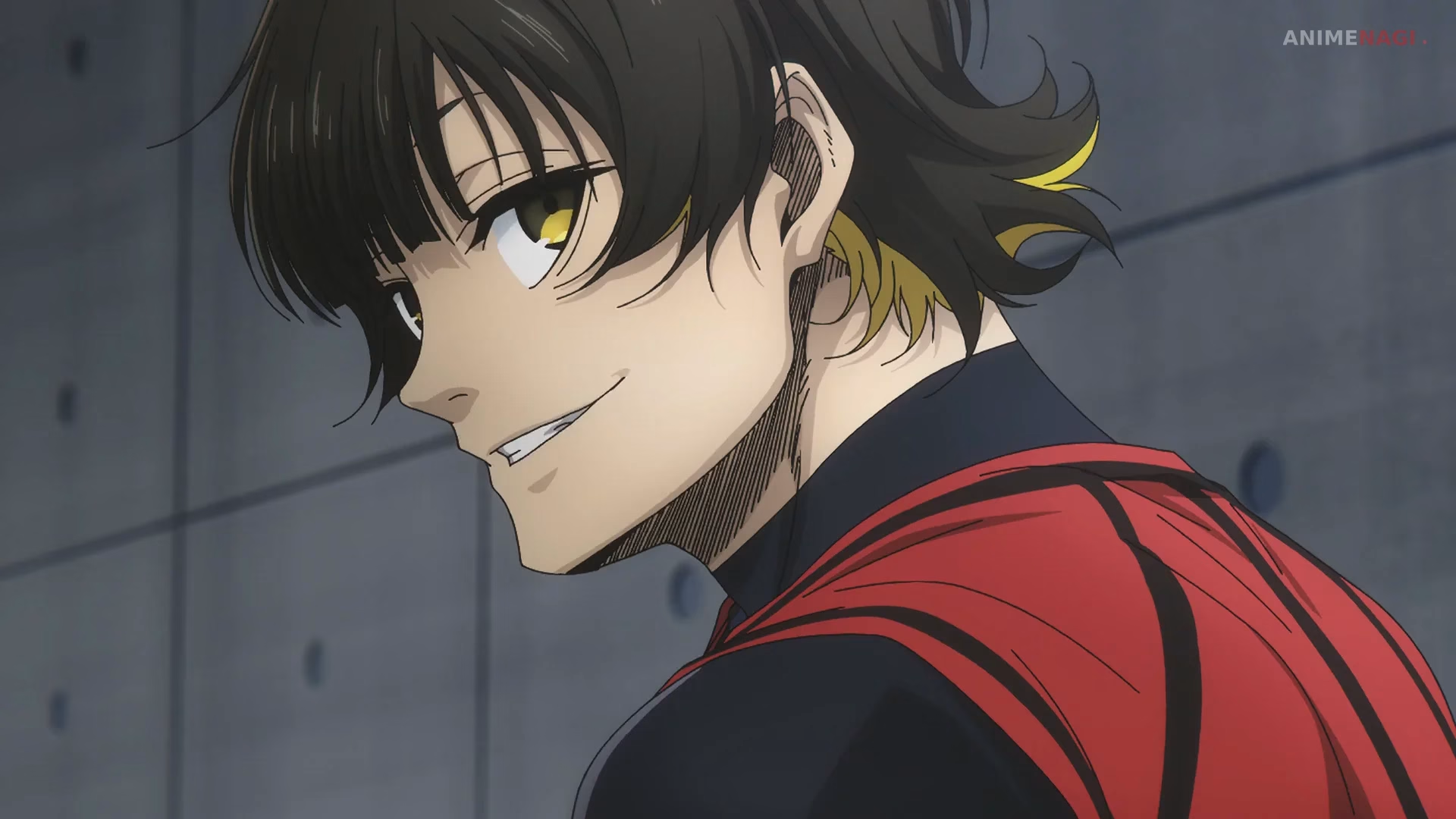
Why the U-20 Arc Made the Problem Worse
The U-20 Japan match arc created additional pressure because it is considered one of the most important storylines in the entire manga.
Fans had waited years to see iconic moments from the arc animated properly. The match contains massive emotional payoffs, high-speed teamwork sequences, and dramatic goals that rely heavily on visual execution. Because expectations were already extremely high, even minor animation problems became more noticeable and disappointing.
This arc also requires more complex animation than earlier Blue Lock matches. The scale is larger, the stadium environment is bigger, and the action involves more players moving simultaneously. Unlike the isolated training matches from earlier arcs, the U-20 game needed cinematic presentation to fully capture the manga’s intensity.
Some fans believed Studio 8bit struggled to consistently handle that scale under the available production schedule. While certain scenes looked polished, many others lacked the fluidity expected from such an important arc. This inconsistency made the season feel uneven visually.
Ironically, several fans noted that the final episodes showed noticeable improvement. Some climactic sequences received stronger animation and more traditional movement-heavy cuts, leading viewers to speculate that the studio concentrated resources toward the ending.
Was CGI Part of the Problem?
Another criticism aimed at Season 2 involved its use of CGI and compositing techniques.
Modern sports anime frequently combine 2D and 3D animation to handle complicated movement scenes more efficiently. However, many fans felt Blue Lock Season 2 used CGI in ways that looked awkward or disconnected from the rest of the visuals. Some transitions between 2D drawings and CGI movement appeared clunky, especially during fast football sequences.
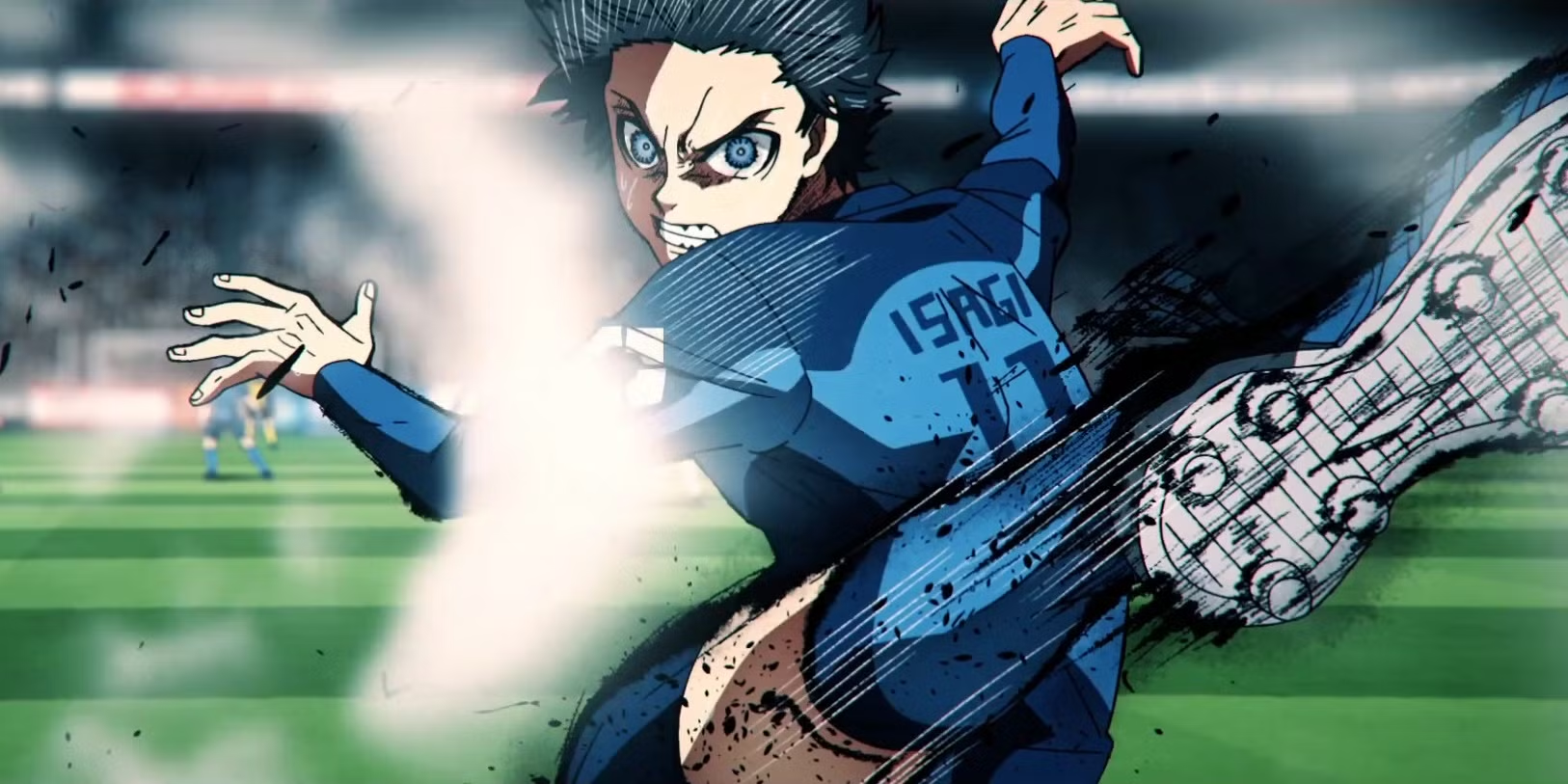
The problem was not simply that CGI existed. Many successful anime use CGI effectively without major backlash. Instead, viewers criticized how the CGI blended with static imagery and limited motion, making certain scenes feel visually stiff.
Because Blue Lock emphasizes explosive ego-driven action and psychological intensity, viewers expected movement that felt aggressive and kinetic. When scenes instead relied heavily on still shots enhanced with digital effects, the energy of the matches felt reduced for some fans.
That said, there were also viewers who felt the criticism became exaggerated online. Some argued that social media clips focused only on the weakest moments while ignoring stronger scenes and emotional storytelling.
How Social Media Turned the Criticism Into a Meme
One major reason the controversy exploded was the role of social media platforms like X, TikTok, Reddit, and YouTube.
Short clips highlighting awkward scenes spread rapidly online, often accompanied by jokes comparing the anime to PowerPoint presentations or motion comics. These memes quickly reached audiences beyond the normal anime community, turning the animation debate into a viral topic.
Once that narrative formed online, every new episode was judged heavily through the lens of the controversy. Even scenes with decent animation were sometimes overshadowed because viewers had already developed negative expectations about the season’s quality.
Reddit discussions showed a split within the fanbase. Some viewers believed the criticism was fully deserved because of the obvious decline in movement quality. Others argued that the backlash became overly harsh and ignored the anime’s strengths, including voice acting, music, pacing, and emotional moments.
This situation reflects how modern anime discourse often functions online. Once a show becomes associated with a negative meme, public perception can shift dramatically even if opinions within the actual audience remain mixed.
Did Blue Lock Season 2 Completely Fail?
Despite the controversy, calling Season 2 a complete failure would be an oversimplification.
The anime still maintained strong popularity, generated major online discussion, and adapted one of the manga’s most beloved arcs. Many fans continued watching weekly despite criticizing the visuals because they remained invested in the story and characters.
Additionally, some aspects of the production still received praise. The soundtrack, voice performances, and emotional intensity of major moments were often highlighted positively even by critics of the animation.
The controversy mainly comes from the gap between expectation and execution. Blue Lock was one of the biggest modern sports anime franchises, so viewers expected a production level capable of fully delivering the manga’s explosive action. When the animation struggled to consistently meet that expectation, disappointment became amplified.
The reaction also reflects changing standards within anime fandom. Modern audiences are increasingly aware of production conditions and animation quality, especially after years of visually spectacular releases from studios like Ufotable and MAPPA. As a result, animation shortcomings receive much more public scrutiny than they did in earlier eras.
What the Controversy Means for Blue Lock’s Future
The backlash surrounding Blue Lock Season 2 may ultimately influence how future seasons are produced. Many fans have openly said they would rather wait longer for a third season if it means the staff receives enough time to improve the animation quality.
Interestingly, the franchise itself remains extremely successful despite the controversy. Reports about future anime projects and even a live-action adaptation suggest that Blue Lock still holds enormous commercial value.
In the end, the controversy surrounding Season 2 was not caused by one single issue. It resulted from a combination of high expectations, visible production struggles, rushed scheduling, and the challenges of adapting an action-heavy sports manga under intense pressure.
Whether viewers believe the backlash was fully justified or partially exaggerated, the discussion around Blue Lock Season 2 has become one of the clearest examples of how production conditions can directly shape audience perception in modern anime culture.
Another important takeaway from the controversy is how Blue Lock highlights the growing gap between audience expectations and production realities in the anime industry. Fans now expect cinematic-level animation for major franchises, especially for action-heavy genres like sports anime.
However, tight schedules, limited resources, and increasing demand for continuous content often make that level of quality difficult to sustain across an entire season. This situation puts studios in a difficult position where even a partially inconsistent output can lead to heavy backlash. As a result, the conversation around Season 2 has become less about one show and more about the need for healthier production timelines and better industry practices