Anime filters have become one of TikTok’s biggest recurring trends because they combine artificial intelligence, visual transformation, and internet culture into highly shareable content. Whether users are turning themselves into anime protagonists, recreating manga scenes, or testing viral “AI Manga” effects, these filters consistently generate millions of views across the platform. What started as a fun visual gimmick quickly evolved into a major part of TikTok’s identity, especially among anime fans, cosplay creators, and younger audiences interested in AI-powered content creation.
Part of the appeal comes from how dramatic the transformations look. Anime filters can instantly change facial structure, eye shape, lighting, and colors to make users resemble stylized anime characters. Many filters also animate backgrounds and surrounding objects, creating a complete visual makeover rather than a simple face effect. TikTok’s algorithm further boosts these trends because visually surprising content performs especially well in short-form video formats.
However, the popularity of anime filters is not only about appearance. These effects tap into fandom culture, identity experimentation, humor, and the growing fascination with artificial intelligence tools online. Understanding why anime filters go viral requires looking at both the technology behind them and the way TikTok’s content ecosystem works.
Anime filters use AI and augmented reality technology
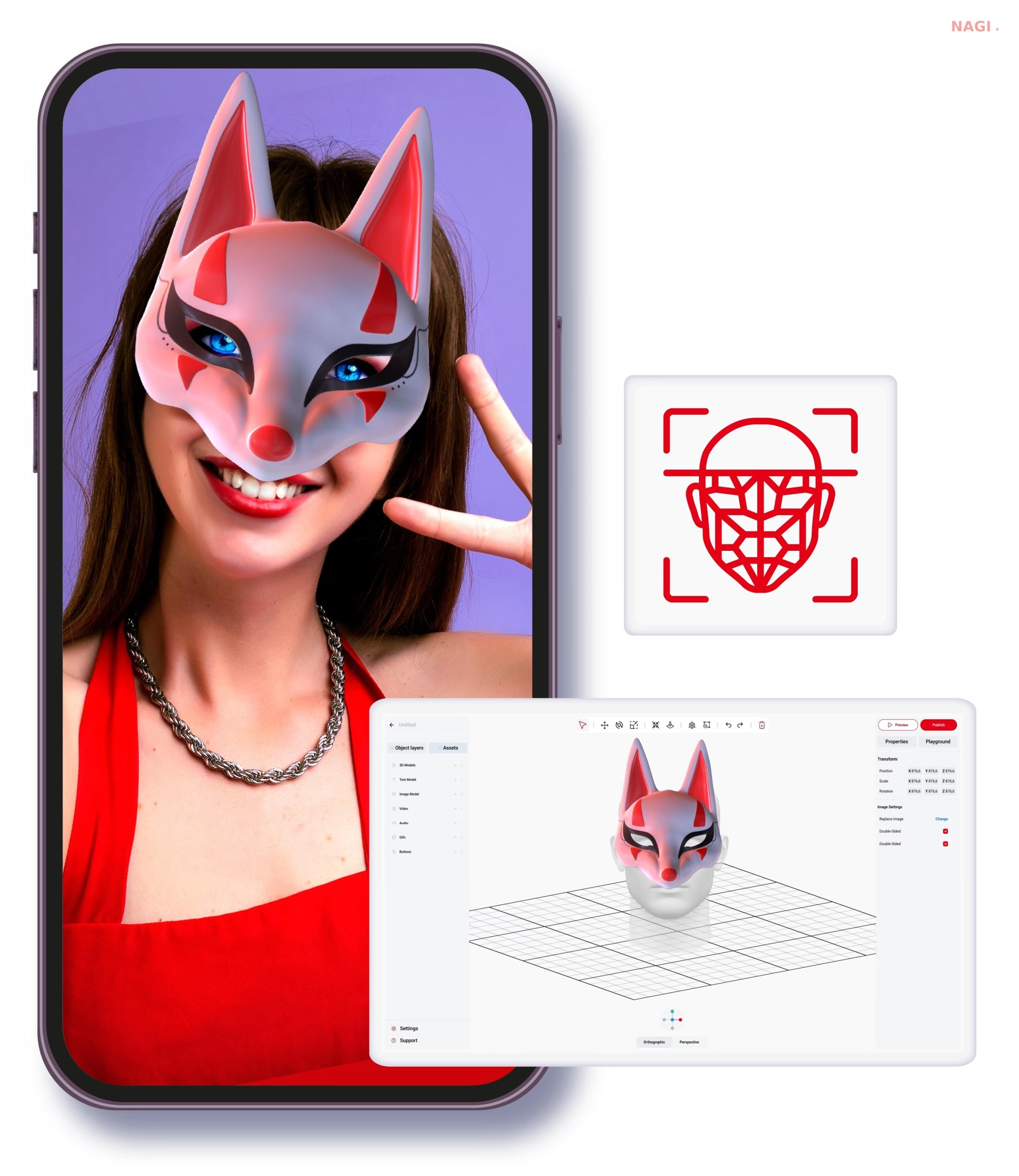
Most viral anime filters on TikTok work through a combination of artificial intelligence, facial recognition, and augmented reality systems. These technologies allow the app to detect facial landmarks in real time and apply animated visual effects directly onto the user’s face or environment.
The AI analyzes important facial features such as eye position, jaw structure, eyebrows, nose shape, and mouth movement. Once these points are mapped, the filter overlays anime-style visual elements that move naturally with the user’s expressions and camera angles. This is why users can blink, smile, or move around while the anime transformation stays aligned properly.
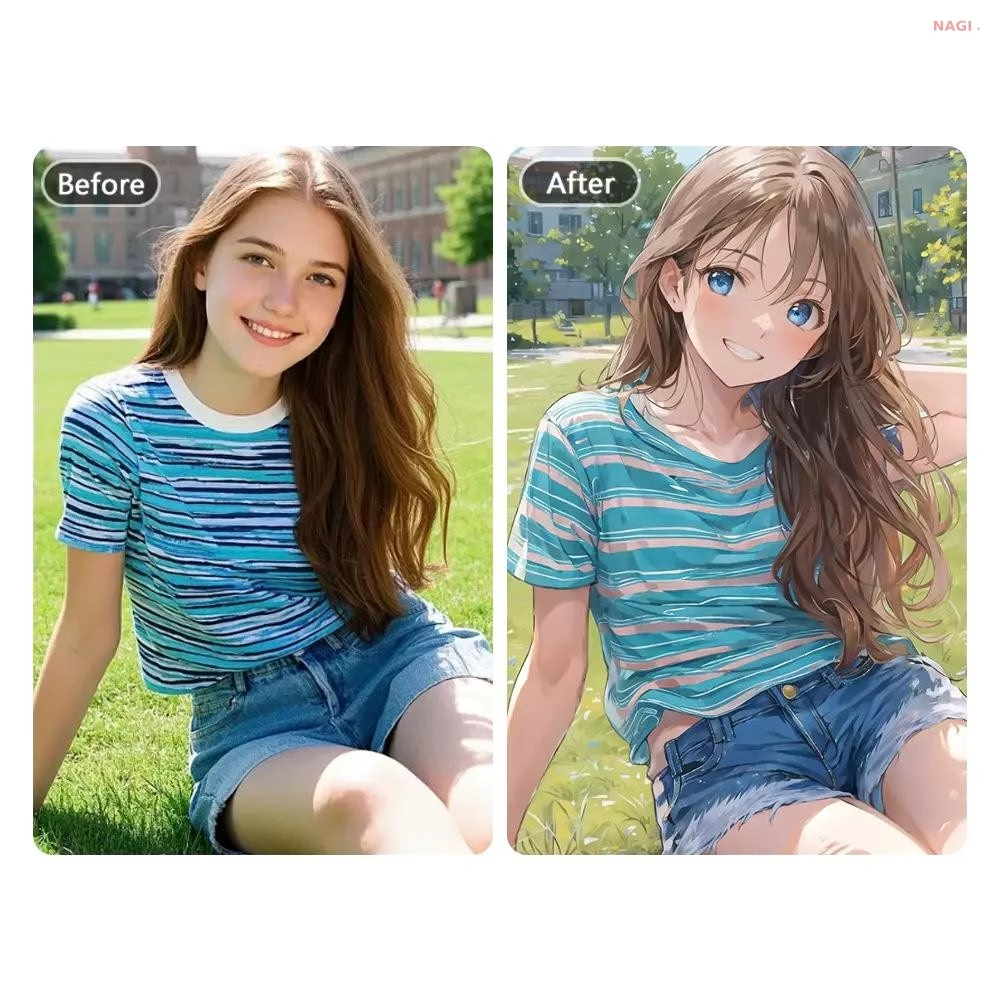
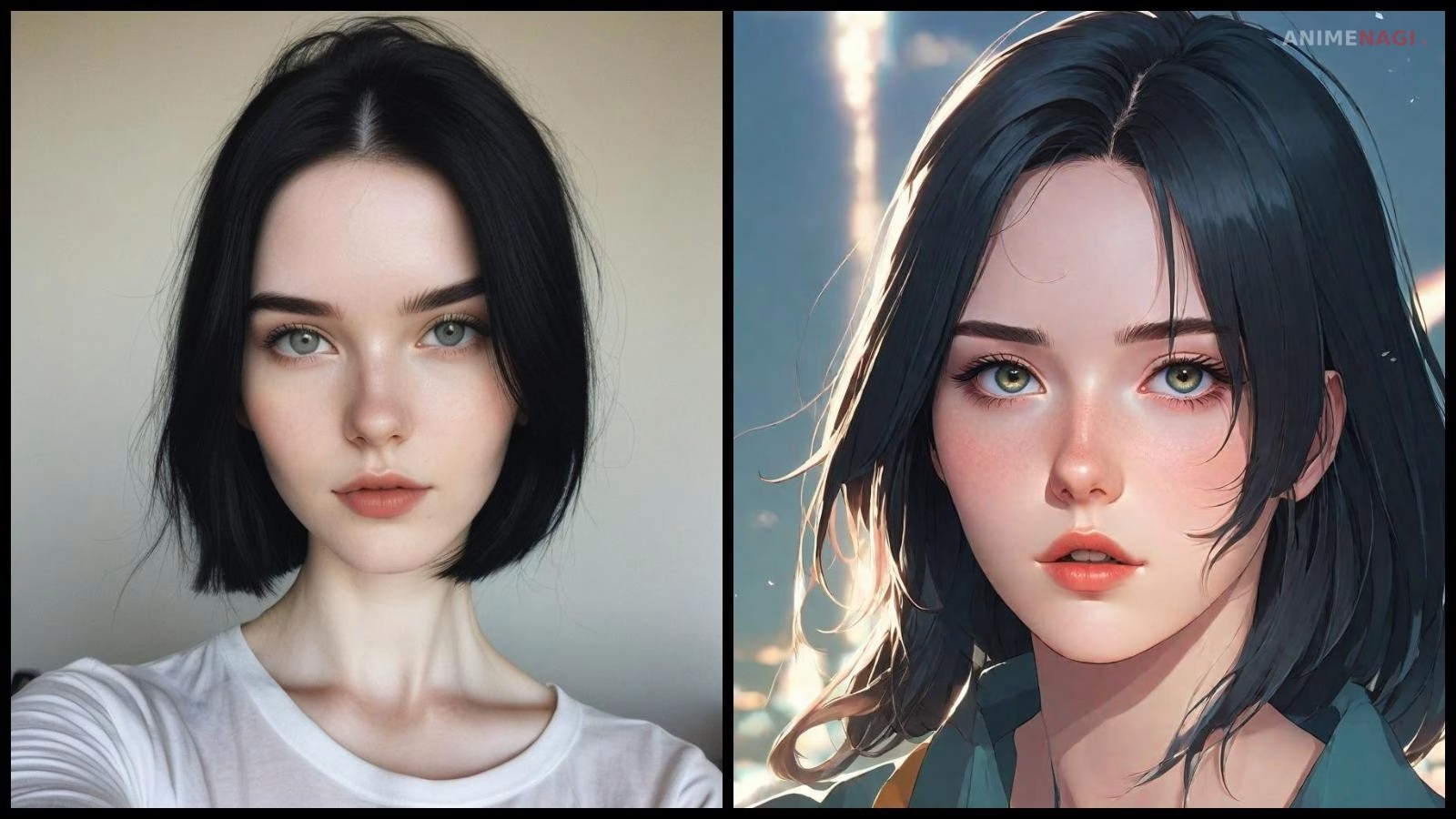
Modern anime filters also rely heavily on machine learning image-generation techniques. Instead of simply placing static drawings on top of a face, newer filters reinterpret the entire image in an anime-inspired style. Some filters even transform backgrounds and nearby objects to create a more immersive anime aesthetic.
TikTok’s Effect House platform also allows creators to build custom augmented reality filters for trends and challenges. This has made anime filters more experimental and creative over time because independent creators constantly develop new visual styles and transformations.
The combination of AI and real-time rendering is what makes these filters feel impressive enough to go viral repeatedly.
The transformations feel instantly satisfying to users
One major reason anime filters spread so quickly is that they provide immediate visual gratification. Users can open TikTok, apply a filter within seconds, and instantly see themselves transformed into an anime-style character.
This kind of instant transformation works extremely well on social media because it creates a strong reaction immediately. The exaggerated eyes, colorful shading, and dramatic visual changes make videos more attention-grabbing while scrolling through the For You Page.
Anime filters also make users feel visually different without requiring editing skills, cosplay preparation, or expensive software. Someone with no artistic background can suddenly appear like a manga protagonist simply by applying an effect. This accessibility helps trends spread rapidly because participation requires almost no effort.
The transformations are also unpredictable enough to stay entertaining. Many anime filters generate slightly different results each time depending on lighting, movement, and facial positioning. This randomness encourages repeated experimentation and reaction videos.
TikTok’s short-form format amplifies this even further because transformation-style content works best when viewers see dramatic changes quickly within a few seconds.
Anime culture already has massive online popularity
Another major factor behind the success of anime filters is the global popularity of anime itself. Anime fandom has expanded massively over the last decade through streaming services, TikTok edits, cosplay communities, and meme culture.
Many TikTok users already consume anime-related content regularly, so anime filters naturally connect with existing audience interests. Instead of feeling like random visual effects, the filters become part of broader fandom participation.
Users often pair these filters with anime openings, emotional soundtracks, cosplay trends, or iconic dialogue clips. This creates content that feels connected to anime culture rather than isolated visual gimmicks. Some creators even recreate famous scenes using AI anime filters instead of traditional cosplay.
The filters also appeal to casual viewers who may not watch anime regularly but still recognize the visual style immediately. Anime aesthetics have become mainstream enough that the exaggerated eyes and stylized shading feel familiar even outside dedicated fandom spaces.
This wide cultural recognition helps anime filter trends spread beyond niche anime communities into general TikTok audiences.
TikTok’s algorithm heavily rewards visual surprise
TikTok’s recommendation system plays a huge role in why anime filters go viral repeatedly. The platform prioritizes content that captures viewer attention instantly, and anime transformations are highly effective at doing that.
When someone scrolls through TikTok and suddenly sees a realistic face transform into an anime character, the visual surprise encourages them to stop watching. Higher watch time and replay rates signal to TikTok’s algorithm that the content is engaging, causing the video to spread further.
Anime filter videos also perform well because they encourage interaction. Users often comment on whether the transformation looks accurate, compare filters, or ask how the effect was created. This engagement increases visibility further.
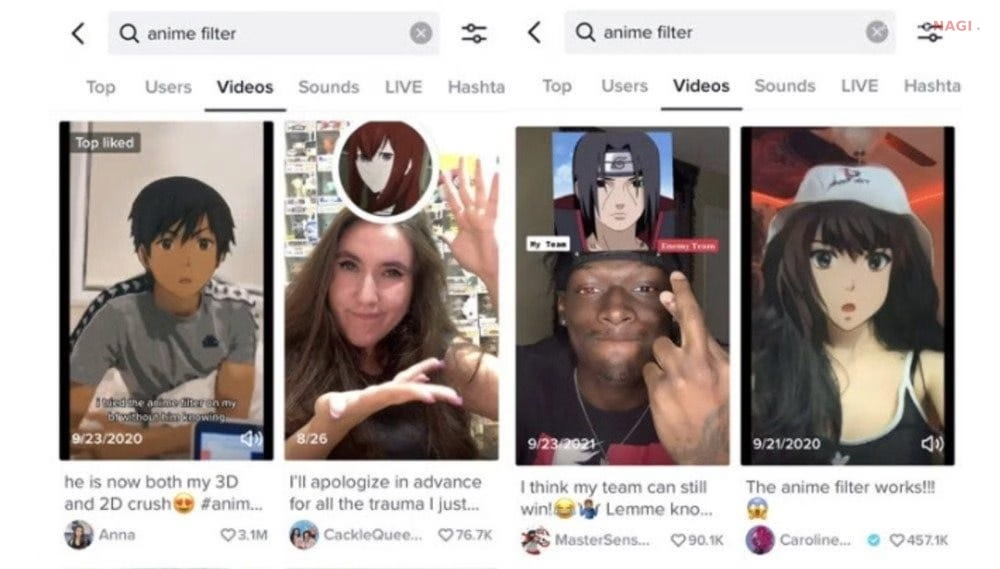
The filters additionally support trend cycles naturally. Once a specific anime filter becomes popular, thousands of users begin making their own versions with different songs, reactions, or editing styles. TikTok’s algorithm tends to amplify these repeating trend formats rapidly.
This creates a feedback loop where viral anime filter videos inspire more users to participate, generating even more visibility for the trend.
AI Manga and Anime AI filters became a major trend category
Among TikTok’s many effects, the AI Manga and Anime AI filters became especially popular because they transformed entire videos into stylized anime scenes rather than applying simple face overlays.
These filters gained traction partly because they felt more advanced compared to older beauty filters or cartoon effects. Instead of merely smoothing skin or enlarging eyes, they attempted to reinterpret reality itself into anime-style visuals.
The AI Manga trend became especially viral when users started testing the filter on pets, empty rooms, objects, and unusual environments. In some cases, the AI generated strange or unexpected figures accidentally, which led to humorous “ghost hunting” trends across TikTok.
Creators also experimented heavily with transition editing using these filters. Videos often showed users shifting between real-world footage and anime-style transformations synchronized to music or dramatic cuts.
The more experimental and unpredictable these filters became, the more users wanted to test them personally. That curiosity contributed significantly to their viral growth.
Anime filters allow users to experiment with identity
Another reason anime filters perform so well is that they let users temporarily experiment with identity and appearance in a low-pressure way.
Anime characters often represent exaggerated or idealized aesthetics. Large expressive eyes, stylized hair, smooth skin, and dramatic emotional expressions create visually appealing transformations that many users enjoy exploring digitally.
Unlike permanent appearance changes, filters allow people to experiment safely and temporarily. Users can imagine themselves as anime heroes, villains, magical girls, or manga protagonists without needing physical changes or cosplay resources.
This identity experimentation is especially appealing on platforms like TikTok where self-presentation and visual identity play a major role in content creation. Anime filters offer a creative way to reshape how users appear online.
However, this trend has also created discussions about unrealistic beauty standards and filter dependence. Experts have raised concerns that some AI beauty filters may affect body image and self-perception, especially among younger audiences.
Even so, anime filters remain popular largely because they combine fantasy and self-expression in an entertaining format.
Many creators use external AI apps alongside TikTok
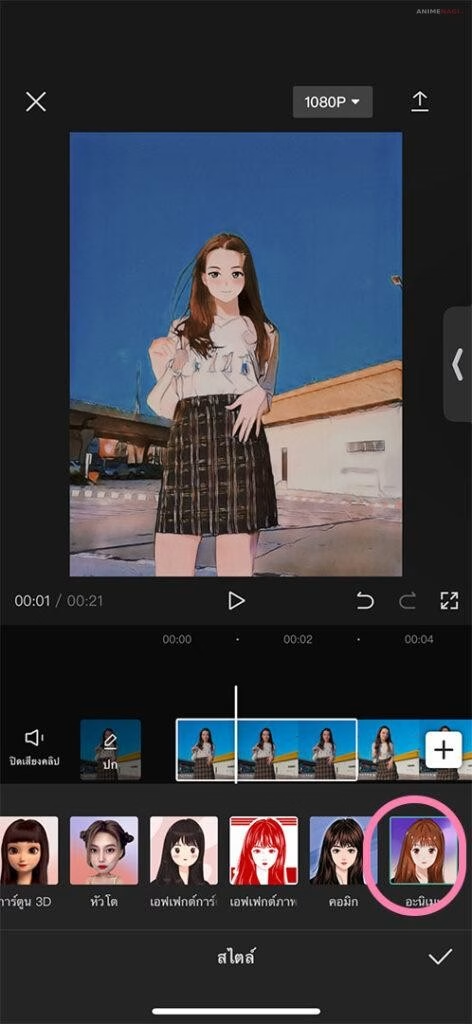
Although TikTok includes built-in anime effects, many creators also use external AI apps and editors to create more advanced anime transformations. Apps like Reface, Media.io, CapCut, and dedicated anime avatar generators allow users to produce higher-quality stylized images and videos before uploading them to TikTok.
These tools often use more sophisticated AI image-generation systems than standard in-app filters. Some allow users to customize anime styles, modify backgrounds, or generate detailed anime avatars from selfies.
CapCut became especially important because of its integration with TikTok trends. Many viral anime edits use CapCut templates combined with AI manga filters to create smoother transitions and cinematic transformations.
The availability of these tools lowers the barrier for high-quality content creation significantly. Users no longer need advanced editing software or animation skills to produce visually impressive anime-themed videos.
This accessibility contributes heavily to how quickly anime trends spread across TikTok.
The filters blend technology with entertainment perfectly
Part of what makes anime filters so successful is that they merge cutting-edge technology with entertainment in a way that feels easy and approachable.
Artificial intelligence can often feel abstract or intimidating to general audiences. Anime filters simplify that technology into something playful and visually exciting. Users interact with AI not through technical interfaces, but through entertaining self-transformations and viral trends.
This creates a sense of novelty that keeps audiences interested. Many users are fascinated not only by the anime visuals themselves but also by how accurately the AI can reinterpret faces and environments.
The filters also demonstrate how AI-generated art styles are becoming increasingly advanced. Research into anime-style image generation and AI avatar systems continues improving rapidly, which means future anime filters will likely become even more realistic and customizable.
TikTok benefits from this because visually impressive AI trends consistently generate engagement and discussion online.