The global anime industry has never been bigger. Hit series dominate streaming platforms, theatrical anime films continue breaking box office records, and international demand grows every year. Despite this success, one issue continues to cast a shadow over the industry: many anime workers, particularly animators, are frequently overworked. Reports over the years have highlighted long working hours, demanding production schedules, and relatively low pay for many professionals involved in creating anime.
While every studio operates differently, the challenges are widespread enough to raise concerns across the industry. From freelance animators and key animators to production assistants and directors, many employees work under intense pressure to meet strict broadcast deadlines. Understanding why this happens requires looking beyond individual studios and examining how anime production itself is structured. Here’s why anime industry workers are often overworked and why the problem remains difficult to solve.
Why Anime Workers Face Long Hours
One of the biggest reasons anime industry workers are overworked is the demanding production schedule. Television anime often follows seasonal release windows, leaving studios with limited time to complete storyboards, animation, voice recording, compositing, editing, and quality checks before an episode airs. Missing a deadline can delay an entire production, creating pressure across every department.
Another major factor is the industry’s heavy reliance on freelance workers. Many animators are paid per drawing or per cut rather than receiving a fixed salary, encouraging long hours to earn a sustainable income. Because projects frequently overlap between studios, experienced artists often juggle multiple productions simultaneously.
The growing popularity of anime has also increased demand without completely solving staffing shortages. More series are produced every year, but experienced animators and production staff remain limited. As a result, existing teams often shoulder heavier workloads to keep projects on schedule.
Production committees add another layer of complexity. Since multiple companies invest in an anime, release dates are often tied to merchandise, streaming agreements, television broadcasts, and promotional campaigns. Delaying a series can affect numerous businesses, making schedule changes difficult even when production falls behind.
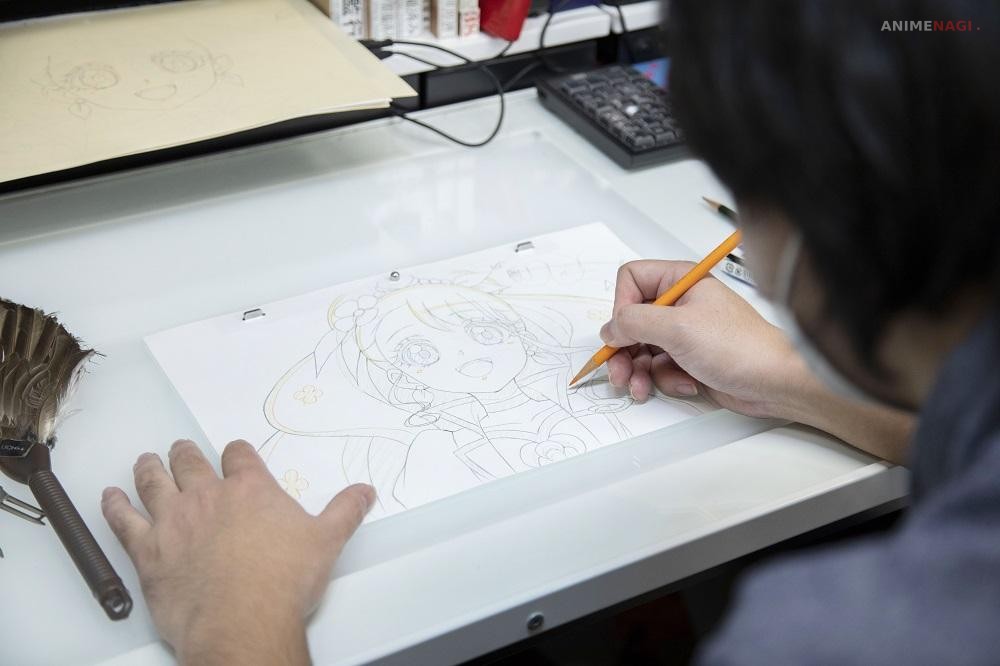
Low wages remain another commonly discussed issue, particularly for entry-level animators. Although compensation varies depending on experience and studio, many newcomers earn relatively little compared to the number of hours required. This has made it difficult for the industry to attract and retain young talent, contributing to ongoing labor shortages.
Recent years have seen gradual efforts to improve working conditions. Some studios have introduced salaried positions, expanded employee benefits, and invested more in training programs instead of relying entirely on freelancers. Industry organizations have also pushed for better labor standards while the Japanese government has expressed support for improving conditions as anime continues to expand globally.
Streaming services have also influenced the production landscape. Increased international investment has brought larger budgets to certain projects, allowing some studios to improve pay and production pipelines. However, higher demand has simultaneously increased the number of anime being produced, meaning scheduling pressures have not disappeared.
It is also important to remember that conditions differ from studio to studio. Some companies have earned positive reputations for improving workplace culture, while others continue to struggle with tight schedules and resource limitations. The industry is far from uniform, making broad generalizations difficult.
Ultimately, anime workers are overworked because several structural challenges exist at the same time. Tight broadcast deadlines, complex production committees, freelance employment, staffing shortages, and increasing global demand all combine to create intense workloads. Although meaningful improvements are gradually being introduced, many professionals still work under significant pressure to bring fans the anime they enjoy every season. Understanding these challenges highlights the enormous effort required behind every episode and why discussions about healthier working conditions remain essential for the industry’s long-term future.