Anime fans are often surprised when Anime Trending and the Crunchyroll Anime Awards announce different Anime of the Year winners. While both awards celebrate the best anime released during the year, their results frequently differ, leading to debates across the anime community. Some viewers assume one award is more accurate than the other, but the reality is that both organizations follow different voting systems, eligibility rules, and judging processes. These differences naturally produce different outcomes, especially in years packed with critically acclaimed and commercially successful series.
Understanding how each award works makes it easier to see why the winners don’t always align. One award reflects a combination of expert judging and public voting, while the other is driven primarily by community participation. Rather than proving one result is right and the other is wrong, the contrasting winners highlight the diversity of anime fandom and the many ways people evaluate a great series.
Why the Winners Often Differ
The biggest reason Anime Trending and Crunchyroll select different Anime of the Year winners is their voting methodology. Crunchyroll uses a hybrid system that combines public votes with a panel of industry judges, with judges carrying the larger influence in determining the final winners. This approach is designed to balance fan popularity with professional evaluation of storytelling, animation, direction, and overall production quality.
Anime Trending, on the other hand, is built around weekly and seasonal fan voting throughout the year. Its annual awards primarily reflect the preferences of its active global community, rewarding series that consistently maintain strong audience engagement over an entire season. Because the voting audience differs from Crunchyroll’s, the final results naturally vary from year to year.
Eligibility periods also play a role. Although both awards recognize anime from a specific release window, their eligibility rules have not always matched perfectly across different years. A series that qualifies for one award cycle may compete during a different cycle elsewhere, changing the list of competitors and influencing the final outcome.
The composition of the voting audience is another major factor. Crunchyroll attracts millions of casual viewers from around the world through its streaming platform, while Anime Trending’s community is made up largely of dedicated anime fans who actively participate in weekly rankings and seasonal discussions. These audiences often value different aspects of a series, leading to different voting patterns.
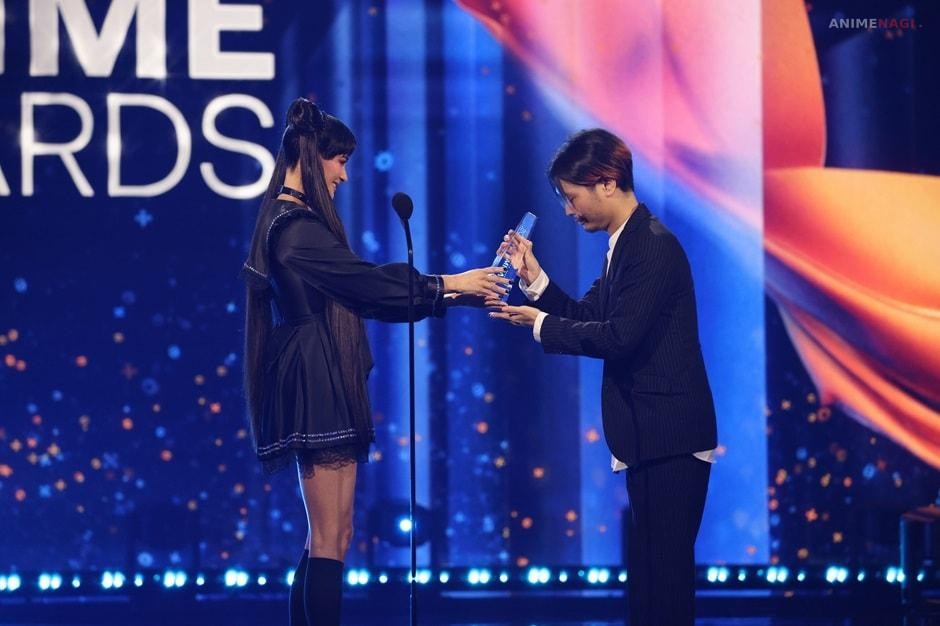
Popularity and critical reception are not always the same thing. An anime with massive worldwide viewership may perform exceptionally well in Crunchyroll’s system because of its broad appeal, while a smaller but highly passionate fanbase can propel another series to victory in Anime Trending’s community-driven rankings. Neither result is necessarily incorrect—they simply measure different types of popularity.
Timing can also influence voting. Anime Trending collects fan reactions while many series are airing, allowing momentum to build week after week. Crunchyroll’s awards are held after the eligibility period ends, giving voters and judges an opportunity to evaluate complete seasons instead of weekly impressions. This difference can change how people remember and assess a show’s overall quality.
These contrasting systems explain why different anime have claimed Anime of the Year honors despite competing during the same period. A title praised for exceptional production values may appeal strongly to judges, while another series with memorable characters and sustained fan enthusiasm may dominate community voting. Both outcomes reflect genuine appreciation, just from different perspectives.
Ultimately, neither Anime Trending nor Crunchyroll is intended to serve as the single definitive authority on the year’s best anime. Instead, the two awards complement one another by highlighting different strengths within the medium. Looking at both sets of winners provides a broader picture of what resonated with fans, critics, and the industry, making the differences between them part of what keeps annual anime award discussions so engaging.