For many longtime fans, one of the biggest differences between Dragon Ball Z and Dragon Ball Super is how much less violent Super feels compared to its predecessor. Dragon Ball Z became famous for brutal fights, visible injuries, intense emotional deaths, and darker storytelling moments that pushed the series into a more serious direction. Scenes like Vegeta crushing enemies, Frieza impaling characters, Cell absorbing humans, and Majin Vegeta sacrificing himself created a harsher atmosphere that made battles feel genuinely dangerous.
In contrast, Dragon Ball Super often feels lighter, cleaner, and less graphic. While the series still contains universe-level threats and powerful battles, the presentation is noticeably toned down in terms of blood, physical damage, and emotional brutality. Many fans immediately noticed this shift during the early arcs involving Beerus and Golden Frieza. Even major fights in Super generally avoid the graphic injuries and darker visual tone that defined many moments in DBZ.
However, this change did not happen randomly. Several factors contributed to the difference, including television broadcasting standards, audience targeting, storytelling philosophy, and Akira Toriyama’s changing approach toward the franchise. Understanding why Dragon Ball Super feels less violent requires comparing how both shows were produced, presented, and written during completely different eras of anime.
Dragon Ball Z was created during a very different television era
One of the biggest reasons Dragon Ball Z feels more violent is that it was produced during a different era of Japanese television. Dragon Ball Z originally aired from 1989 to 1996, a period where anime broadcasting standards were generally more lenient regarding visible injuries, blood, and darker action scenes.
During this era, many shonen anime emphasized brutality more openly to increase dramatic tension. Dragon Ball Z especially leaned into this style because the series shifted away from the adventurous comedy tone of original Dragon Ball and moved toward high-stakes battles and survival scenarios.
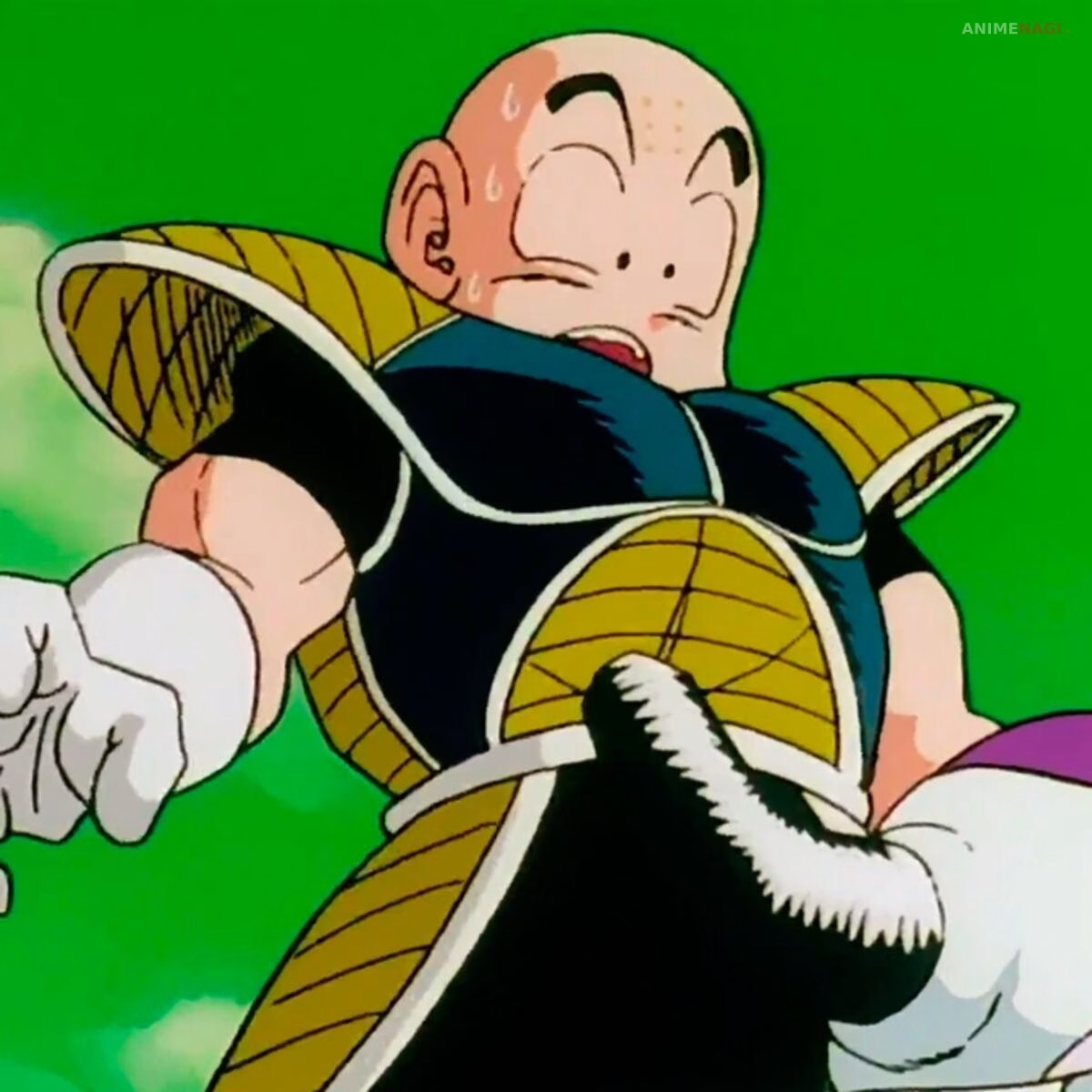
As a result, DBZ frequently showed broken bones, blood, amputations, brutal beatdowns, and painful deaths directly onscreen. Characters often finished fights physically destroyed, which made battles feel exhausting and dangerous. The Saiyan Saga, Frieza Saga, and Android Saga especially relied heavily on visible suffering to emphasize how powerful villains truly were.
By comparison, Dragon Ball Super began airing in 2015 under completely different broadcasting conditions. Modern television regulations had become stricter, especially for anime airing in family-oriented timeslots.
This automatically reduced how graphic the series could appear visually.
Dragon Ball Super aired in a more child-friendly timeslot
Another major factor involves scheduling and audience targeting. Dragon Ball Super aired in a Sunday morning in Japan, which targeted a broader family audience and younger viewers specifically.
Because of this, the anime had to follow stricter broadcasting standards regarding visible violence and graphic content. Modern television networks are far more cautious about showing blood, gore, or disturbing imagery during programming aimed at children and families.
This explains why many fights in Super avoid showing detailed injuries even during intense battles. Characters may still take massive attacks, but the visual presentation usually avoids lingering on blood or body damage. Compared to scenes like Frieza slicing himself apart or Gohan crushing Cell Juniors violently in DBZ, Super generally uses cleaner visual choreography.
Animator Naotoshi Shida even acknowledged that modern television censorship restrictions affected how violence could be portrayed in Dragon Ball Super.
The result is a series that still contains action-heavy combat but feels visually softer. The danger exists narratively, but the physical brutality is toned down significantly compared to older Dragon Ball material.
Dragon Ball Z focused heavily on desperation and survival
Another reason DBZ feels more violent is that its storytelling constantly emphasizes desperation and survival.
Many major arcs in Dragon Ball Z revolve around overwhelming enemies who physically and emotionally destroy the heroes repeatedly before being defeated. Characters lose limbs, suffer painful injuries, and die permanently or seemingly permanently throughout the series.
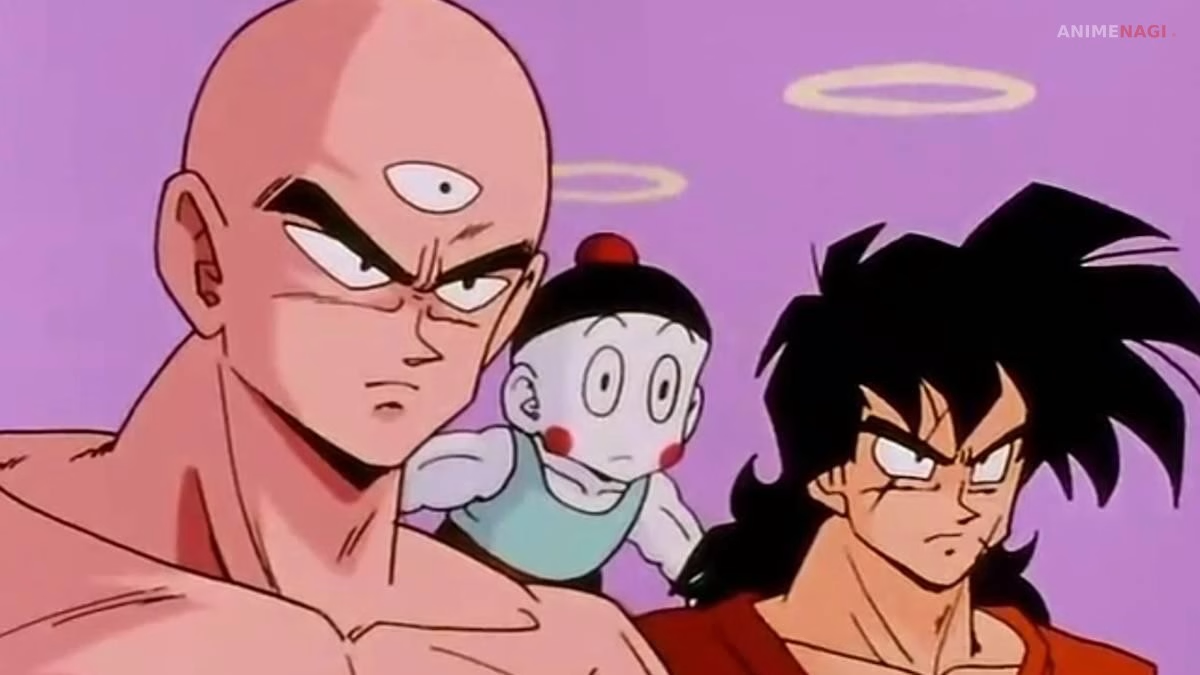
The Saiyan Saga especially established this darker tone immediately. Yamcha dies violently against a Saibaman, Nappa tears off Tien’s arm, Chiaotzu sacrifices himself, and Piccolo dies protecting Gohan. These moments created the sense that no character was truly safe.
The Frieza Saga intensified this even further. Frieza tortures opponents psychologically and physically, killing Vegeta brutally and impaling Krillin before eventually murdering him entirely. The violence in these scenes is directly tied to emotional storytelling, making the conflict feel personal and traumatic.
Dragon Ball Super handles danger differently. Although threats may technically be larger in scale, the emotional atmosphere is usually less oppressive. Characters recover more quickly emotionally, and the story often prioritizes excitement and spectacle over suffering.
This tonal difference changes how violence feels even when the stakes remain high.
Dragon Ball Super returns closer to the original Dragon Ball’s lighter tone
Interestingly, Dragon Ball Super actually resembles the tone of original Dragon Ball more than late DBZ in several ways.
Original Dragon Ball balanced martial arts action with comedy, adventure, and absurd humor regularly. While dangerous moments existed, the series generally maintained a lighter atmosphere focused on exploration and fun.
Late Dragon Ball Z gradually became darker and more intense as threats escalated. The Android and Cell arcs especially leaned into horror-inspired imagery and emotional destruction. By the Majin Buu Saga, entire populations were being exterminated onscreen repeatedly.
Dragon Ball Super intentionally shifts away from this constant darkness. Humor becomes more frequent again, and many arcs balance serious battles with lighter character interactions. Beerus himself represents this tonal shift perfectly because he is both terrifying and comedic simultaneously.
Even tournament arcs in Super often prioritize flashy abilities, transformations, and excitement over brutal violence. Battles focus more on spectacle and energy clashes rather than physical suffering.
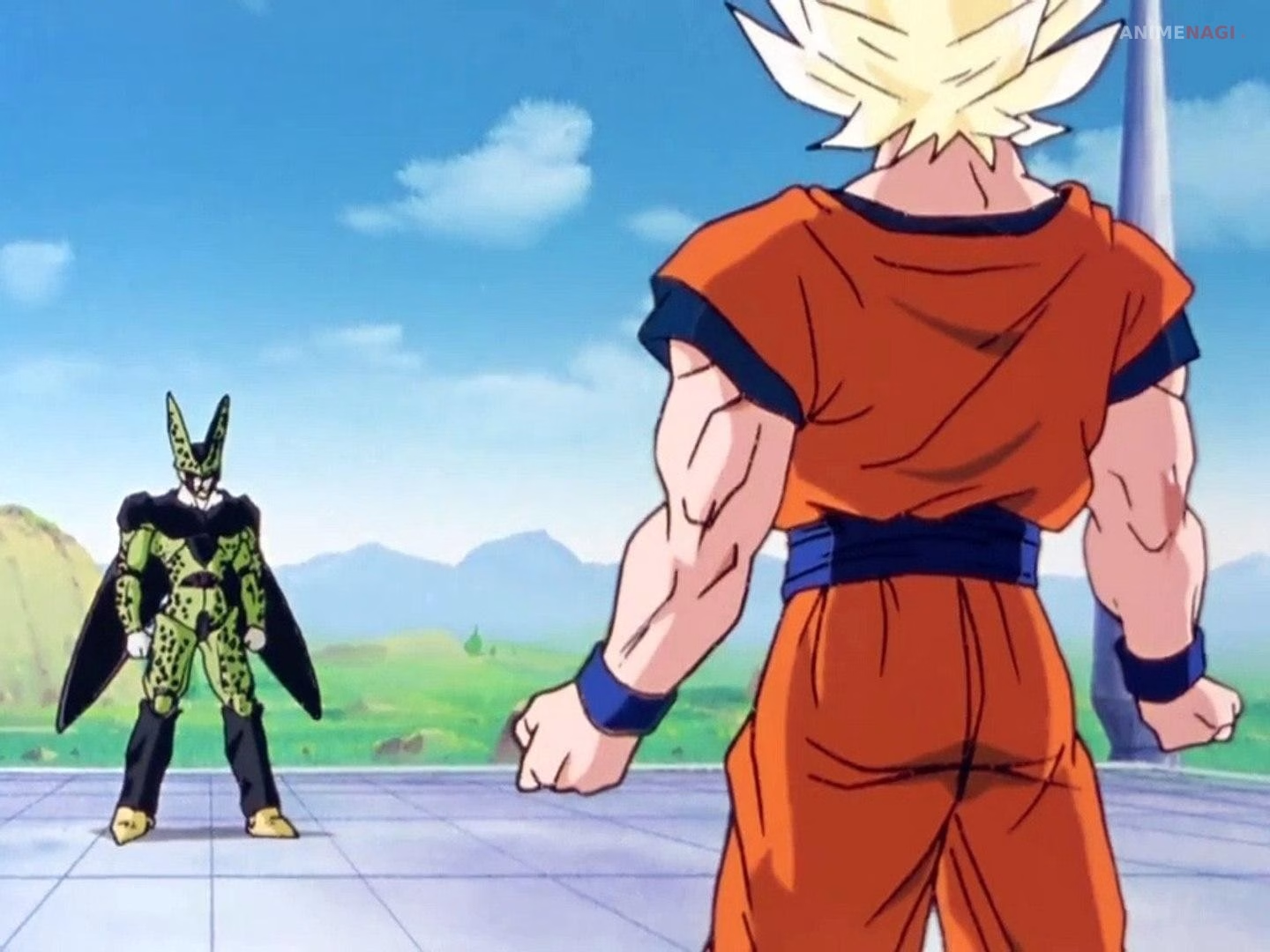
This tonal adjustment makes the series feel less harsh, even during major conflicts.
The art style and animation also affect perception
Visual presentation plays a major role in why Dragon Ball Super feels less violent compared to DBZ.
Dragon Ball Z used thicker shading, harsher linework, and darker color palettes during many important battles. Combined with slower pacing and dramatic close-ups, this created a heavier atmosphere during emotional scenes.
Characters in DBZ also frequently appeared physically exhausted and damaged. Torn clothing, blood stains, bruises, and visible injuries remained onscreen for long periods. This reinforced the feeling that battles carried real physical consequences.
Dragon Ball Super uses a cleaner and brighter digital art style overall. Colors appear more vibrant, movement is smoother, and character designs often look less rough compared to older cel animation techniques.
Because of this, even intense battles visually feel less gritty. Characters recover their appearance quickly between scenes, and fights often emphasize speed and visual effects rather than physical damage.
The cleaner visual style naturally changes audience perception of violence even when similar attacks occur.
Super focuses more on transformations and power systems
Another major difference is that Dragon Ball Super emphasizes transformations and power systems more heavily than physical brutality.
DBZ certainly introduced iconic forms like Super Saiyan and Super Saiyan 2, but many battles still relied heavily on emotional suffering and survival. Characters often won fights through desperation after enduring extreme punishment.
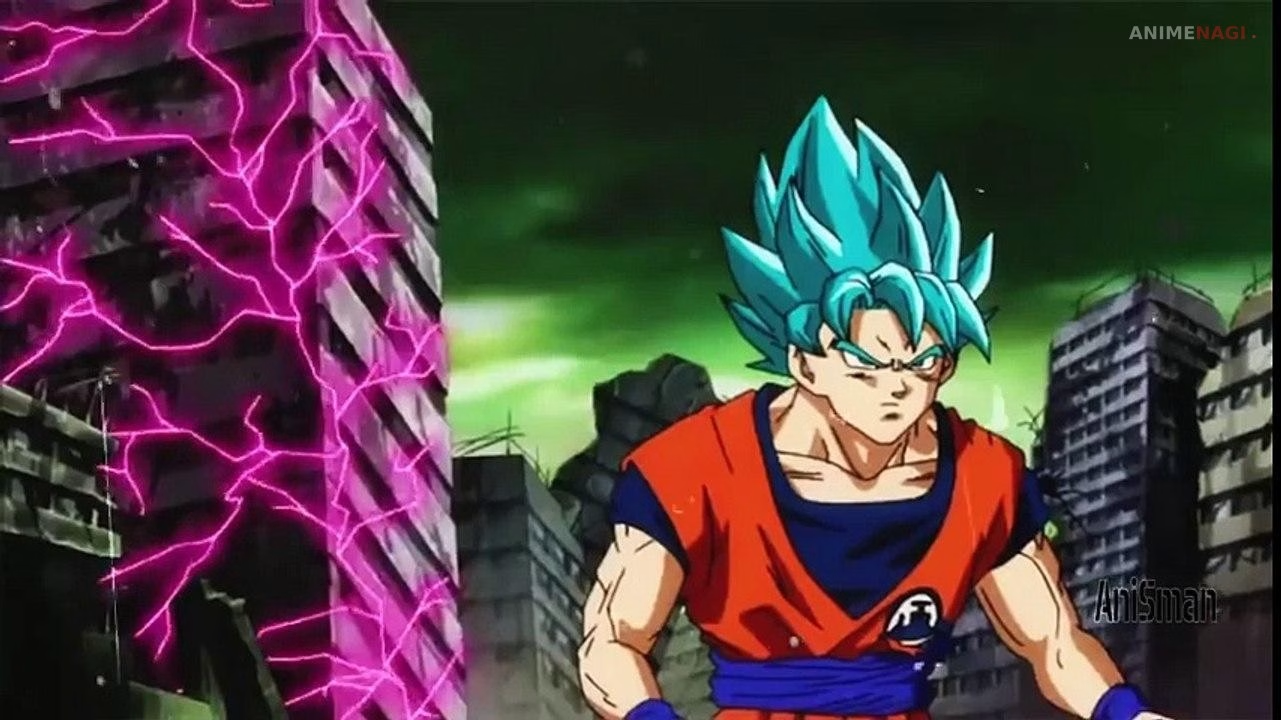
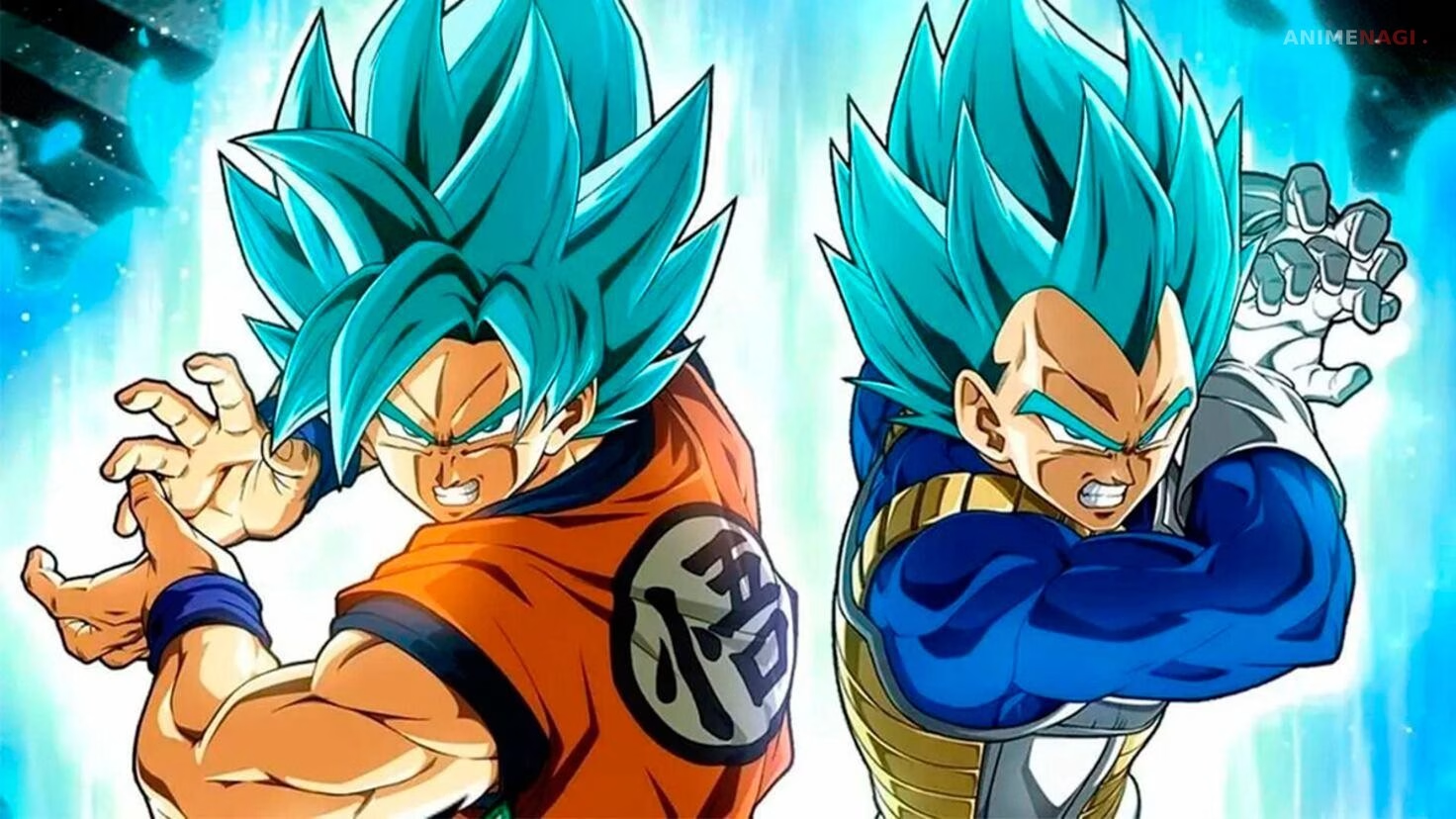
In Super, much of the excitement comes from discovering new transformations and techniques instead. Super Saiyan God, Super Saiyan Blue, Ultra Instinct, and Ultra Ego become central attractions for viewers.
This changes the focus of combat scenes significantly. Instead of emphasizing pain and destruction, fights frequently center around speed, aura effects, strategy, and showcasing power progression.
The Tournament of Power arc demonstrates this clearly. Despite involving universe-erasing stakes, the arc generally feels more like a competitive spectacle than a brutal war. Fighters are eliminated rather than killed directly, which keeps the tone lighter.
The emphasis on transformations and scaling makes Super feel more energetic but less emotionally brutal than DBZ.
Dragon Ball Super still contains dark moments
Despite its lighter tone, Dragon Ball Super is not completely free of darker material.
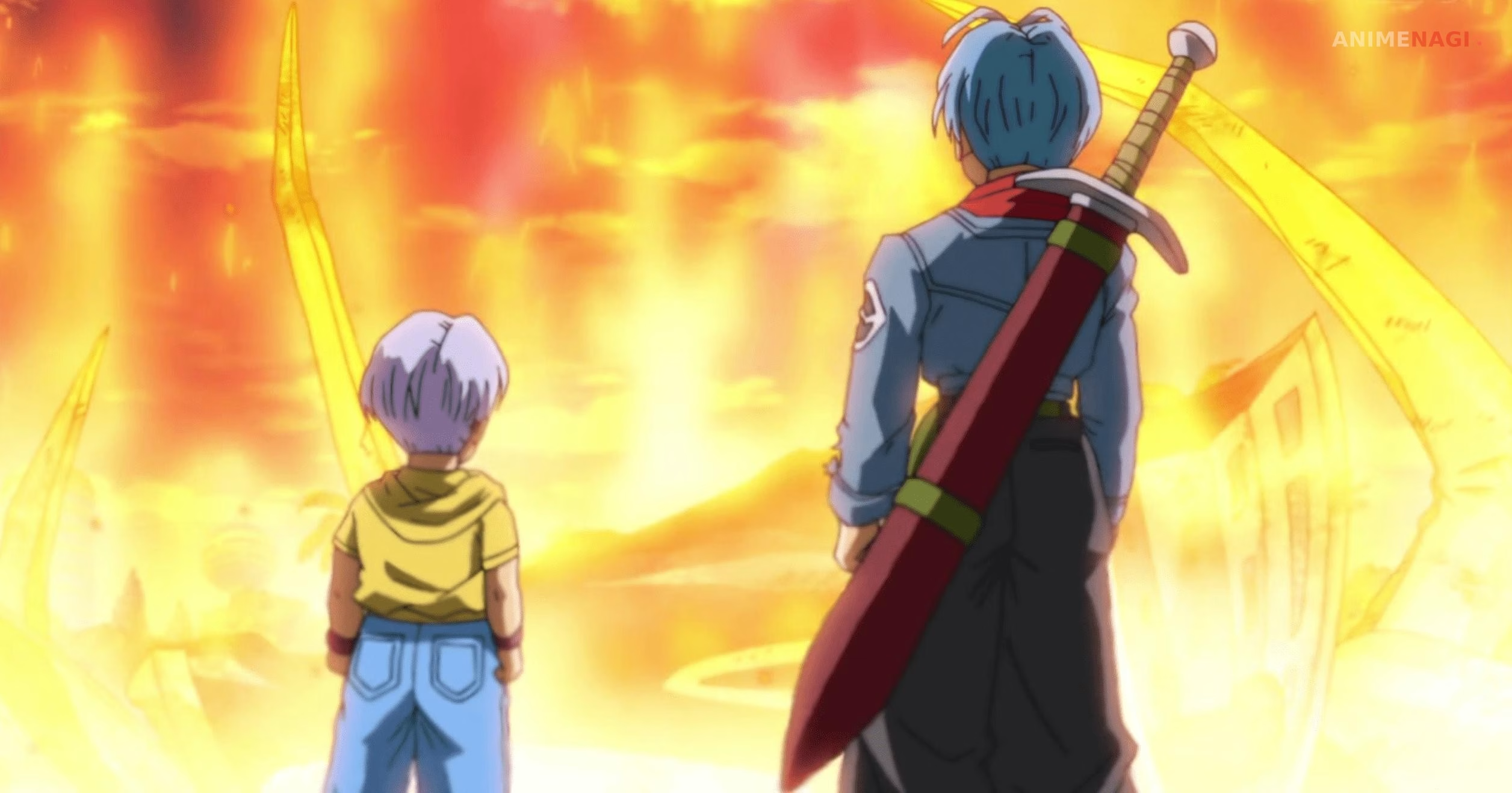
The Future Trunks Saga involving Goku Black and Zamasu is probably the closest Super comes to matching DBZ’s darker atmosphere. Entire cities are destroyed, humanity is nearly exterminated, and Future Trunks experiences overwhelming psychological trauma repeatedly.
The arc includes scenes of civilians being murdered, timelines collapsing, and characters confronting existential despair. Many fans consider this storyline comparable to the darker portions of DBZ emotionally.
There are also moments of visible brutality scattered throughout Super. Frieza tortures characters during the Resurrection ‘F’ arc, Goku Black impales Goku, and the Tournament of Power contains several brutal eliminations.
However, these moments are usually shorter and less graphic than equivalent scenes in DBZ. The anime rarely lingers on suffering visually for extended periods.
So while darkness still exists in Super, it is presented in a cleaner and more restrained way.
The manga version of Super is more violent than the anime
An interesting detail many anime-only fans miss is that the Dragon Ball Super manga often feels noticeably more violent than the television adaptation.
Several manga arcs contain darker imagery, harsher injuries, and more brutal combat moments compared to the anime version. The Moro and Granolah arcs especially include violent scenes involving broken limbs, impalements, and more detailed battle damage.
This difference exists partly because manga publishing standards differ from television broadcasting restrictions. Printed manga can generally depict violence more openly than anime airing in family-friendly timeslots.
As a result, some fans feel the manga captures more of the harsher atmosphere associated with older Dragon Ball storytelling. The anime, meanwhile, prioritizes broader accessibility and television-friendly presentation.
This contrast helps explain why some viewers believe the franchise itself did not become completely softer, but rather the televised adaptation style changed significantly.
Akira Toriyama’s evolving writing style also changed the tone
Another overlooked factor is Akira Toriyama’s own changing creative approach over time.
As Dragon Ball evolved, Toriyama gradually leaned more heavily into humor, absurdity, and playful storytelling elements again. Even during interviews later in life, he often described Dragon Ball as fundamentally adventurous and comedic at its core rather than purely serious.
This philosophy becomes very noticeable in Dragon Ball Super. Characters spend more time interacting casually, comedic scenes appear more frequently, and the story often balances tension with lighthearted moments deliberately.
Beerus and Whis perfectly represent this newer tone because they combine overwhelming power with comedic personalities constantly. Earlier DBZ villains like Frieza or Cell generally maintained a far more threatening atmosphere consistently.
Toriyama’s shift toward lighter storytelling, therefore, influenced Super’s tone significantly. The series still contains danger and high stakes, but it rarely stays emotionally heavy for long periods.
That creative direction naturally made the franchise feel less violent.
Why do the differences between DBZ and Super stand out so much
The reason fans notice the difference so strongly is that Dragon Ball Z became iconic specifically for its brutal emotional intensity and harsh battles.
DBZ presented fights as painful struggles where characters constantly pushed themselves beyond physical limits. Blood, exhaustion, injuries, and sacrifice created a sense of genuine danger that defined much of the series’ identity.
Dragon Ball Super takes a different approach. It focuses more on divine power, transformations, multiverse concepts, and energetic spectacle while reducing visible brutality significantly. The series aims to feel exciting and adventurous rather than constantly oppressive.
Neither approach is necessarily objectively better. Some fans prefer DBZ’s darker atmosphere and raw emotional intensity, while others enjoy Super’s faster pacing and lighter energy.
Ultimately, the difference comes from a combination of modern censorship standards, audience targeting, tonal evolution, visual presentation, and changing storytelling philosophy. Together, these factors explain why Dragon Ball Super feels noticeably less violent than Dragon Ball Z even though both series belong to the same franchise.
Another important aspect to consider is how audience expectations have changed over time. Modern anime viewers often consume content across multiple platforms, including streaming services and global releases, which encourages studios to keep shows more universally accessible. This means reducing excessive violence helps Dragon Ball Super appeal to a wider international audience, including younger fans discovering the franchise for the first time.
At the same time, nostalgia plays a role in how fans perceive Dragon Ball Z, as its darker moments often feel more intense when remembered from earlier viewing experiences. This combination of evolving industry standards and changing viewer expectations further explains why the tonal shift feels so noticeable between the two series.