In Mushoku Tensei: Jobless Reincarnation, Rudeus Greyrat’s journey is often praised for its depth, realism, and flawed character writing. One of the most talked-about aspects of his story is his inability to be physically intimate at a crucial point in the series. While the moment may initially appear comedic or confusing, it is rooted in something far more serious and emotionally complex.
Rudeus’ condition is not just a random plot device but a direct reflection of his psychological trauma carried over from his previous life. The series uses this issue to explore themes of self-worth, rejection, and emotional healing. Understanding why Rudeus struggles with intimacy requires looking beyond the surface and examining his past, his fears, and how deeply his mental state affects his physical body.
Let’s break down exactly why Rudeus can’t be intimate and what it reveals about his character.
Rudeus’ Past Life Trauma Still Controls Him
Before being reincarnated, Rudeus lived as a socially withdrawn man who faced extreme bullying, isolation, and rejection. His previous life ended with deep emotional scars, particularly related to relationships and self-confidence. These unresolved issues didn’t disappear after reincarnation but instead carried over into his new life.
Even though Rudeus is given a second chance, his subconscious mind still holds onto those past experiences. This creates a disconnect between his physical body and mental state. When faced with intimacy, those buried fears resurface, triggering anxiety and self-doubt.
The anime makes it clear that reincarnation does not equal emotional reset. Rudeus may have a new body, but his psychological wounds remain intact, influencing his actions in ways he cannot fully control.
Rudeus’ inability to be intimate is strongly tied to performance anxiety, which stems from his deep-rooted fear of failure and rejection. His past life conditioned him to expect humiliation, especially in vulnerable situations. As a result, intimacy becomes less about connection and more about fear.
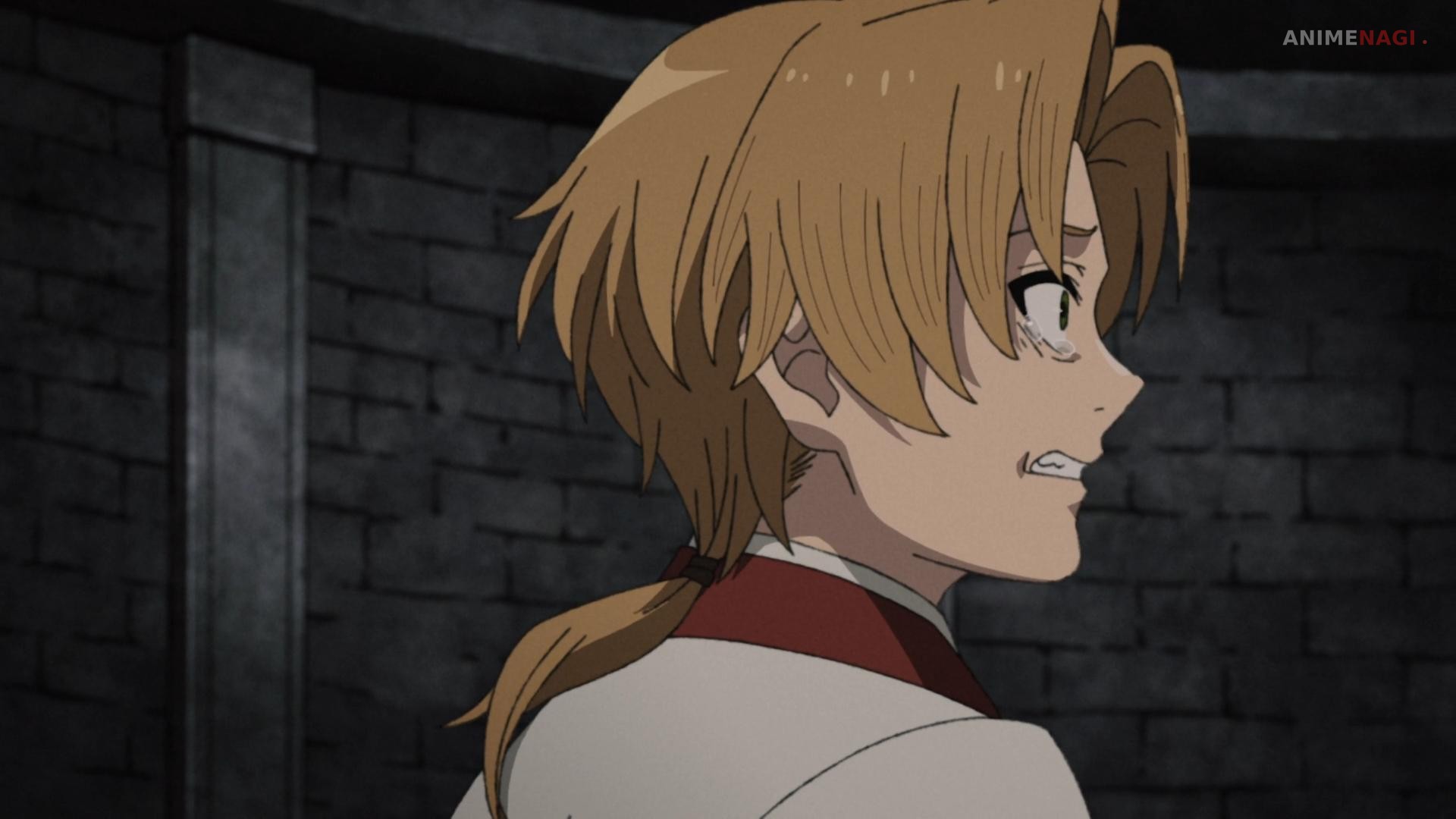
This anxiety manifests physically, preventing him from responding normally despite his desires. It is important to note that this is not played purely for humor but reflects a realistic psychological condition. The series uses this moment to highlight how mental health can directly impact physical responses.
His experience also mirrors real-world struggles where emotional insecurity can lead to similar issues. This adds a layer of authenticity to his character, making his journey more relatable and grounded.
Emotional Dependence on Specific Relationships
Another key factor is Rudeus’ emotional dependence on certain individuals, particularly those he deeply trusts. His ability to feel safe and confident is closely tied to emotional bonds rather than physical attraction alone.
When that emotional security is shaken or absent, his confidence collapses. This is why his condition appears situational rather than permanent. It is less about physical inability and more about emotional readiness.
The story emphasizes that intimacy for Rudeus is not purely physical but deeply psychological. Without emotional reassurance, he struggles to overcome his internal barriers.
How the Story Treats This Struggle Seriously
Unlike many anime that use similar situations for comedic relief, Mushoku Tensei treats Rudeus’ condition with surprising seriousness. The narrative frames it as a genuine problem that affects his growth and relationships.
This approach aligns with the series’ broader theme of self-improvement. Rudeus is not instantly “fixed” but must work through his trauma over time. His journey involves understanding himself, confronting his fears, and gradually rebuilding his confidence.
By doing this, the anime avoids trivializing mental health issues and instead integrates them into character development. It shows that healing is a process, not a quick resolution.
Recovery and Character Growth
Rudeus’ struggle with intimacy is not permanent, and his eventual recovery marks a significant turning point in his character arc. As he begins to confront his past and build healthier relationships, his confidence slowly improves.
This recovery is tied to emotional healing rather than any external solution. It reinforces the idea that his condition was never purely physical but rooted in his mental state. As he grows emotionally, his ability to connect with others improves as well.
This progression is crucial to his development, showing that overcoming trauma requires time, support, and self-acceptance. It also highlights one of the core messages of the series: personal growth is messy but achievable.