For many anime fans outside Japan, Toonami was not just a TV block. It was the first real introduction to anime culture. Long before streaming platforms made anime instantly accessible, Toonami brought series like Dragon Ball Z, Naruto, Sailor Moon, and Gundam Wing directly into Western homes. Launched in 1997 on Cartoon Network
, the block helped transform anime from a niche interest into a mainstream entertainment phenomenon.
Even in the streaming era, Toonami continues to matter because it serves a role that algorithms and on-demand libraries often cannot. It curates anime history, introduces classic shows to younger viewers, and preserves a communal viewing experience that shaped an entire generation of fans. Its survival through cancellations, revivals, and industry changes reflects how deeply connected it remains to anime culture itself.
What Is Toonami?
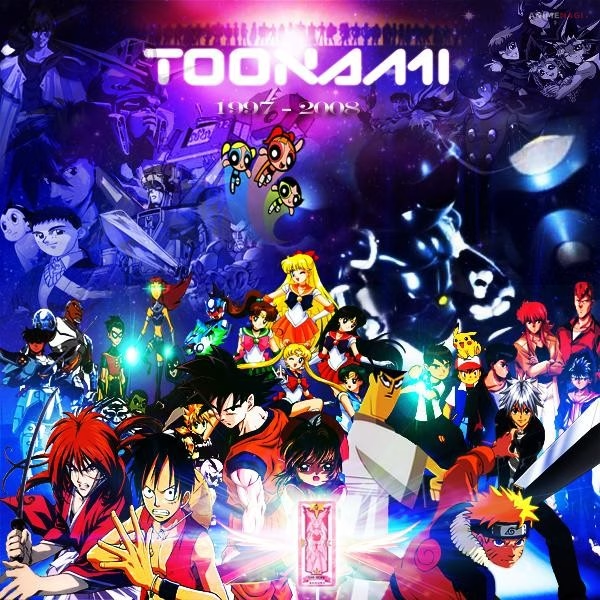
Toonami is an American television programming block focused on action animation and anime. It originally premiered on Cartoon Network in March 1997 before later moving to Adult Swim in 2012 after a fan-driven revival campaign.
Created by Sean Akins and Jason DeMarco, Toonami became famous for its futuristic space-themed presentation, electronic music, cinematic promos, and robot host T.O.M. Rather than simply airing cartoons, Toonami treated anime like an event. That presentation style made shows feel larger, more serious, and culturally important to younger audiences.
At a time when anime distribution in the West was limited, Toonami acted as a gateway into Japanese animation. Many viewers who later became lifelong anime fans first discovered the medium through Toonami broadcasts after school or during the iconic “Midnight Run” era.
How Toonami Helped Anime Become Mainstream
Before Toonami, anime in North America remained relatively niche outside hardcore fan communities. Some series existed through VHS tapes, specialty channels, or edited syndication broadcasts, but mainstream exposure was limited.
Toonami changed that by consistently broadcasting anime during accessible television time slots. Series like Dragon Ball Z and Sailor Moon became cultural phenomena because millions of viewers encountered them daily through Cartoon Network.
The block also normalized serialized storytelling for younger audiences. Unlike many Western cartoons of the era, anime featured long-running story arcs, character growth, and emotional consequences that carried between episodes. Shows like Naruto and Yu Yu Hakusho encouraged viewers to follow ongoing narratives week after week.
This exposure fundamentally changed how younger audiences viewed animation. Anime was no longer seen as simply “kids’ cartoons.” It became associated with larger worlds, emotional storytelling, and cinematic action.
Why Classic Anime Still Needs Toonami
Streaming platforms offer enormous anime libraries today, but accessibility does not always equal visibility. Older anime often gets buried beneath new seasonal releases and algorithm-driven recommendations.
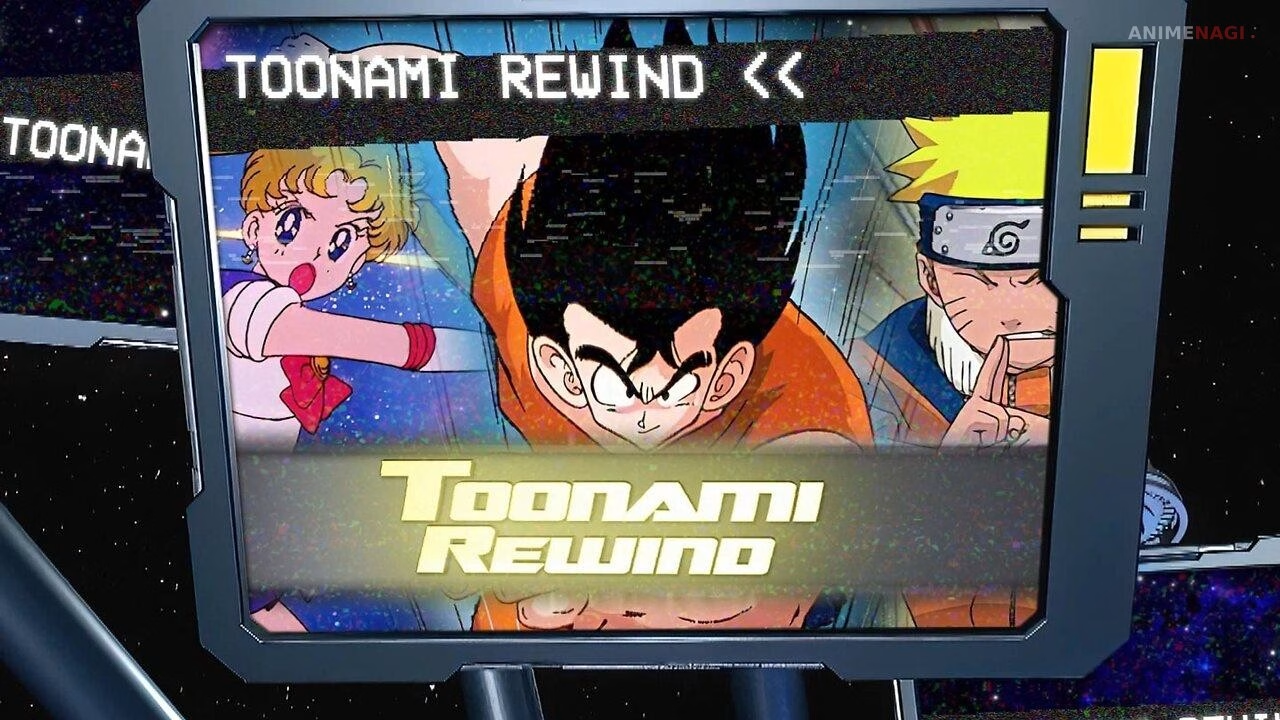
Toonami helps preserve classic anime by actively programming older series and reintroducing them to newer audiences. The 2024 “Toonami Rewind” block specifically focused on classic titles, demonstrating continued demand for legacy anime programming.
This matters because anime history can disappear surprisingly quickly in the streaming era. Licensing deals expire, shows rotate off platforms, and newer fans may never encounter foundational series organically. Toonami functions almost like a television archive for influential anime.
For younger viewers, watching older series through Toonami can create context for modern anime trends. Many contemporary battle shonen series directly evolved from storytelling ideas popularized by classic Toonami-era anime.
The Importance of Shared Anime Experiences
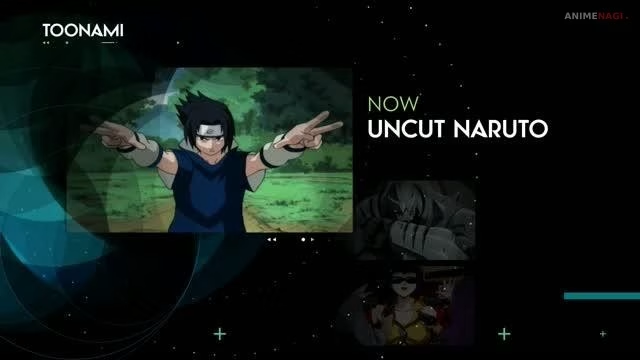
One reason Toonami still resonates is because it preserves communal viewing culture. Modern streaming habits are highly individualized. Fans binge series alone at different times, often disconnected from broader shared experiences.
Toonami recreates a collective viewing atmosphere where fans watch premieres and discussions unfold simultaneously. That shared experience helped define anime fandom during the late 1990s and early 2000s.
The block’s scheduling also creates anticipation that streaming often removes. Weekly broadcasts encourage conversation, speculation, and emotional investment between episodes. This structure especially benefits long-running action anime built around suspense and progression.
Even today, many anime fans still associate Saturday nights with Toonami because of how deeply that viewing ritual became embedded in anime culture.
Toonami’s Presentation Style Still Feels Unique
Another reason Toonami remains relevant is its identity. Most streaming services simply organize anime into digital menus. Toonami, however, presents anime with a distinctive personality.
The block’s science-fiction aesthetics, atmospheric music, and original promotional segments create an experience rather than just a playlist. Hosts like T.O.M. became iconic mascots because they gave the programming block a narrative identity.
Toonami also historically treated anime with unusual respect compared to Western television standards at the time. Promos often framed series emotionally and cinematically rather than marketing them purely as children’s entertainment.
That presentation style influenced how anime marketing evolved in the West. Modern anime trailers and promotional campaigns frequently use techniques that Toonami popularized decades earlier.
How Toonami Adapted to the Streaming Era
The anime industry changed dramatically after Toonami’s original cancellation in 2008. Streaming services like Crunchyroll and Netflix transformed anime accessibility, making thousands of episodes available instantly.
Despite this shift, Toonami survived by adapting rather than competing directly with streaming. Its 2012 revival on Adult Swim targeted older anime fans while also introducing newer audiences to curated lineups.
The modern version of Toonami focuses more heavily on mature action anime, exclusive premieres, and community engagement. Instead of simply acting as an introduction to anime, it now serves as a curated hub for anime culture.
Toonami also expanded into original productions and co-productions. According to reporting from Polygon, Toonami helped develop projects like FLCL Progressive, Blade Runner: Black Lotus, and Uzumaki.
This shift allowed the brand to remain creatively involved in anime culture rather than existing purely as a rerun block.
Why Toonami Still Matters to Anime Fans
Toonami matters because it represents more than nostalgia. It reflects a major turning point in how anime entered Western mainstream culture.
Without Toonami, anime’s global growth likely would have looked very different. The block introduced millions of viewers to Japanese storytelling styles long before streaming made anime universally accessible.
It also helped create anime fandom communities during an era when online discussion spaces were limited. Shared Toonami experiences connected fans through school conversations, internet forums, and convention culture.
Even modern anime fans who never experienced Toonami’s original run still benefit from its legacy. Many of the anime franchises dominating global entertainment today gained Western momentum through Toonami broadcasts.