As anime continues to expand globally, few aspects of the medium generate as much debate as ecchi content. What was once a familiar and largely accepted element within certain anime circles has become a recurring point of contention among international audiences.
The discussion is no longer limited to whether ecchi is appropriate or not. Instead, it has evolved into a broader conversation about creative intent, cultural interpretation, audience expectations, and the boundaries of entertainment.
At its core, ecchi refers to suggestive content that stops short of explicit material. It often includes exaggerated physical features, provocative camera angles, or comedic situations built around sexual tension.
In many anime, these elements are used as a form of fan service or humor rather than as a central narrative focus. For long-time viewers, ecchi is simply one of many stylistic tools used in storytelling, similar to action sequences or dramatic tropes.
However, the way ecchi is perceived varies significantly depending on cultural background. In Japan, it is typically understood within established genre conventions and audience targeting.
It is not necessarily meant to reflect real-world behavior or values, but rather to provide stylized entertainment. In contrast, international audiences, particularly those less familiar with anime conventions, may interpret the same content as excessive or unnecessary. This difference in perspective is one of the main reasons the topic remains controversial.
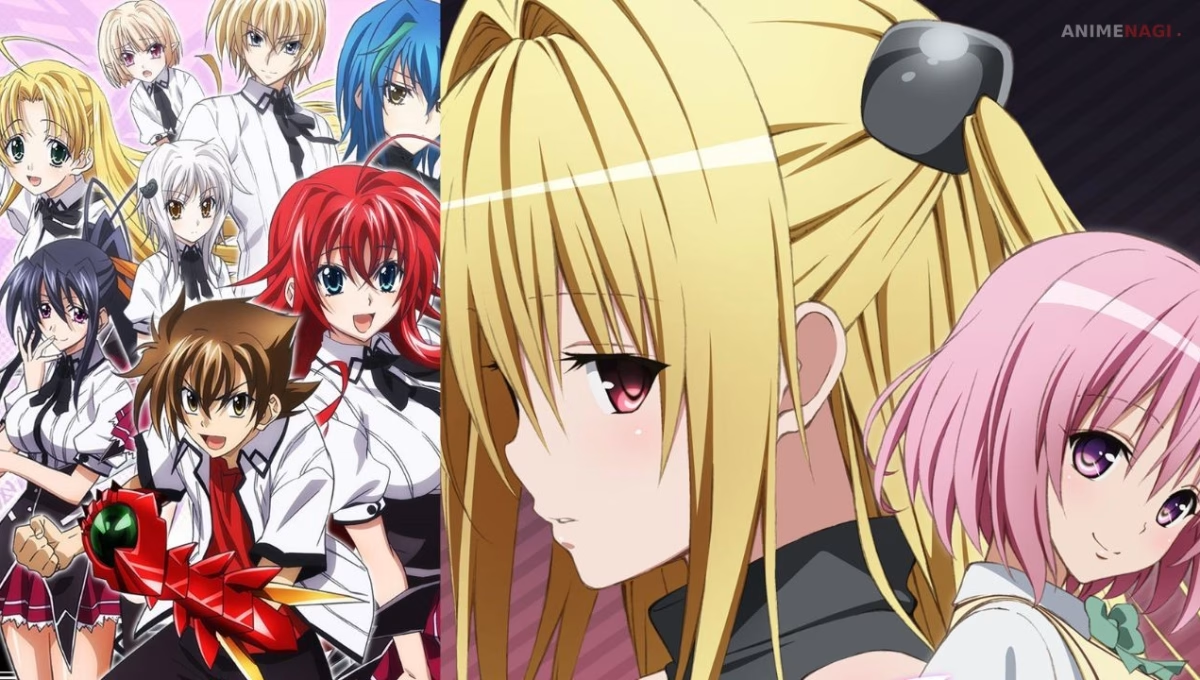
Several well-known anime series illustrate how this debate plays out in practice. High School DxD is often cited as a defining example of ecchi in mainstream anime. It combines supernatural action with heavy fan service, making its intent clear from the beginning. Supporters argue that the series succeeds because it fully embraces its identity, while critics claim that it prioritizes visual appeal over meaningful storytelling.
Prison School represents another extreme. Its humor relies heavily on exaggerated and often absurdly suggestive situations. For some viewers, this makes it one of the most memorable comedy anime ever produced. For others, it crosses a line, turning what could have been clever satire into something uncomfortable. The divide in reception highlights how subjective the interpretation of ecchi content can be.
A more traditional approach can be seen in To Love-Ru, which helped popularize many of the tropes associated with ecchi. Accidental encounters, awkward misunderstandings, and recurring fan service moments define its structure. While many fans view it as harmless and lighthearted, critics argue that it represents a repetitive formula that has been overused across the genre.
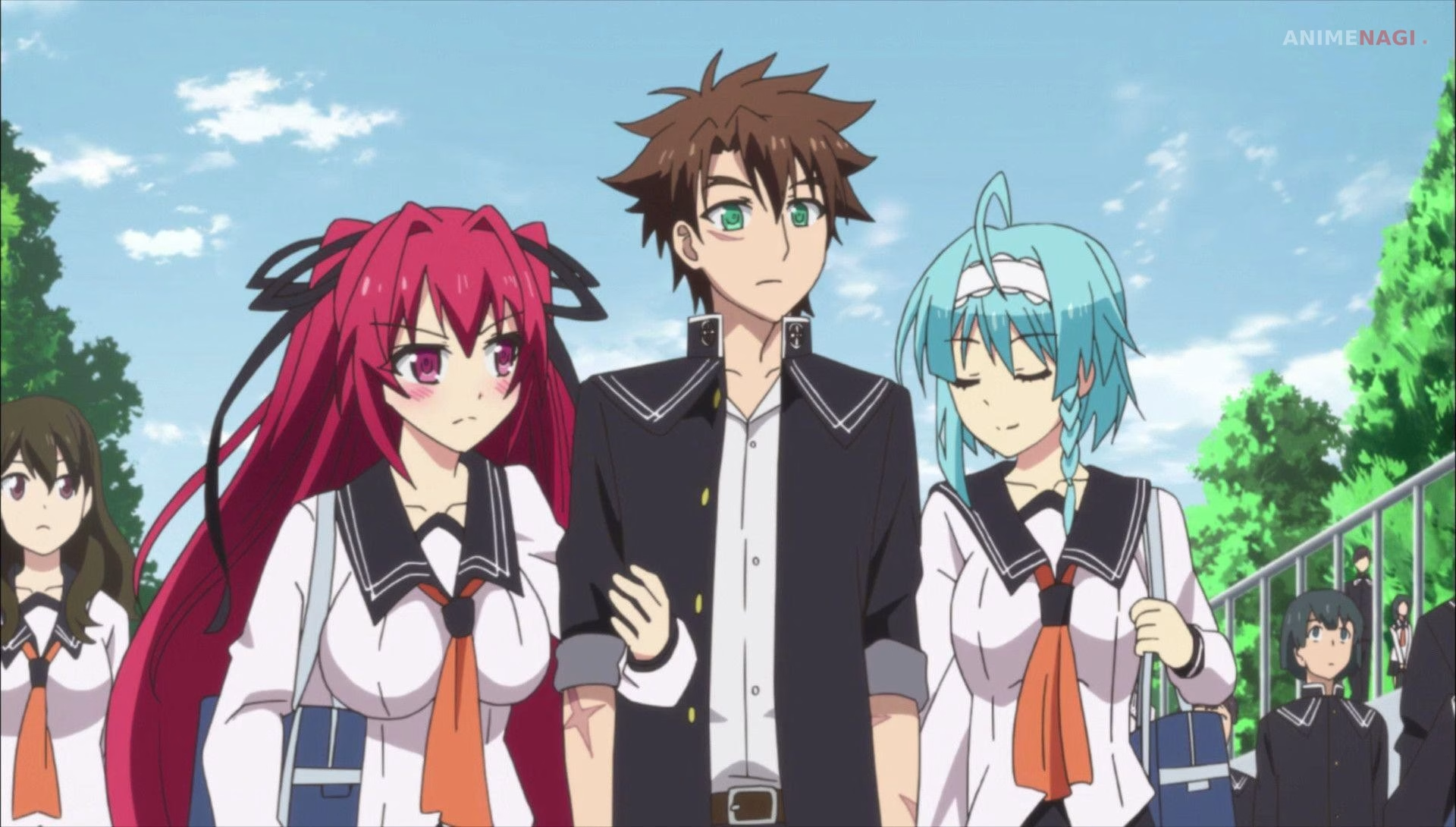
Some series push the boundaries even further. The Testament of Sister New Devil is frequently mentioned in discussions about where ecchi ends and explicit content begins. Its scenes are often described as bordering on adult material, leading to debates about classification and intent. This kind of example raises important questions about how genres are defined and whether clear distinctions still exist.
Interestingly, ecchi is not always confined to traditionally suggestive genres. Food Wars demonstrates how these elements can appear in unexpected contexts. A cooking anime on the surface, it incorporates exaggerated reaction scenes that carry strong sexual undertones.
This blend of genres brought ecchi to a wider audience, including viewers who might not normally engage with it. As a result, it sparked fresh discussions about whether such elements enhance the viewing experience or distract from it.
Another frequently discussed example is Kill la Kill, which occupies a more complex space in the debate. Its revealing character designs are directly tied to the story’s themes, leading some viewers to interpret it as a critique of sexualization itself.
Others, however, argue that regardless of intent, it still relies on the same visual techniques it appears to question. This tension between artistic purpose and audience perception makes it a key case in more analytical discussions.
Fan response to ecchi content is far from unified. Within the anime community, opinions range from strong support to clear discomfort. Some fans see ecchi as an essential part of anime’s identity, something that adds personality and distinguishes it from other forms of media. Others feel that it is often unnecessary, especially when it interrupts narrative flow or undermines character development.
Online platforms have amplified these discussions significantly. Social media and forums allow fans to share their views instantly, creating spaces where both criticism and defense can spread quickly. This has led to more visibility for the debate, but also more polarization. Constructive conversations about context and intent often compete with more reactionary responses, making it harder to find common ground.
At the same time, the anime industry itself shows signs of gradual change. While ecchi remains a consistent presence, not all modern series rely on it to the same extent. Some productions take a more restrained approach, focusing on storytelling and character depth, while others continue to embrace fan service as a core feature. These differences suggest that studios are aware of shifting audience expectations, even if they are not responding in a uniform way.
The controversy surrounding ecchi anime reflects a larger issue: how media is interpreted across different cultures. What one audience sees as playful or exaggerated, another may view as excessive or inappropriate. Neither perspective exists in isolation, and both are shaped by cultural norms and personal expectations.
Rather than disappearing, ecchi is likely to remain part of anime’s evolving space. The ongoing debate does not necessarily indicate a problem to be solved, but rather a negotiation between creative freedom and audience reception. As anime continues to reach new viewers around the world, these discussions will remain central to how the medium is understood, challenged, and appreciated.