Tomura Shigaraki’s rise as the main villain of My Hero Academia is not just a story about power or destruction. It is also a psychological battle over identity, control, and individuality. While Shigaraki initially appears to be the chosen successor of All For One, the series gradually reveals that their relationship is far more disturbing than a typical mentor-student dynamic. Instead of simply guiding Shigaraki, All For One slowly attempts to consume his body, mind, and sense of self completely.
This conflict becomes one of the most important themes in the final arcs of My Hero Academia. As Shigaraki gains greater power through the All For One Quirk, he also begins losing control over his own identity. Memories, emotions, and vestiges inside the Quirk create an internal struggle that transforms him into something unstable and dangerous. The line between Tomura Shigaraki, Tenko Shimura, and All For One starts becoming increasingly blurred.
Understanding how All For One affects Shigaraki is essential to understanding the emotional core of My Hero Academia’s ending and why Shigaraki’s story is ultimately more tragic than purely evil.
How All For One Manipulated Shigaraki From Childhood
All For One’s influence over Shigaraki began long before the League of Villains even existed. After Tenko Shimura accidentally killed his family through the awakening of his Decay Quirk, he was left emotionally shattered and abandoned by society. This vulnerable state allowed All For One to step in and reshape Tenko completely.
Rather than helping him heal, All For One carefully nurtured his hatred and trauma. He gave Tenko a new identity as Tomura Shigaraki and encouraged his destructive impulses instead of helping him process his grief. This manipulation was not random kindness toward a lost child. It was a calculated attempt to create the perfect successor and eventual vessel.
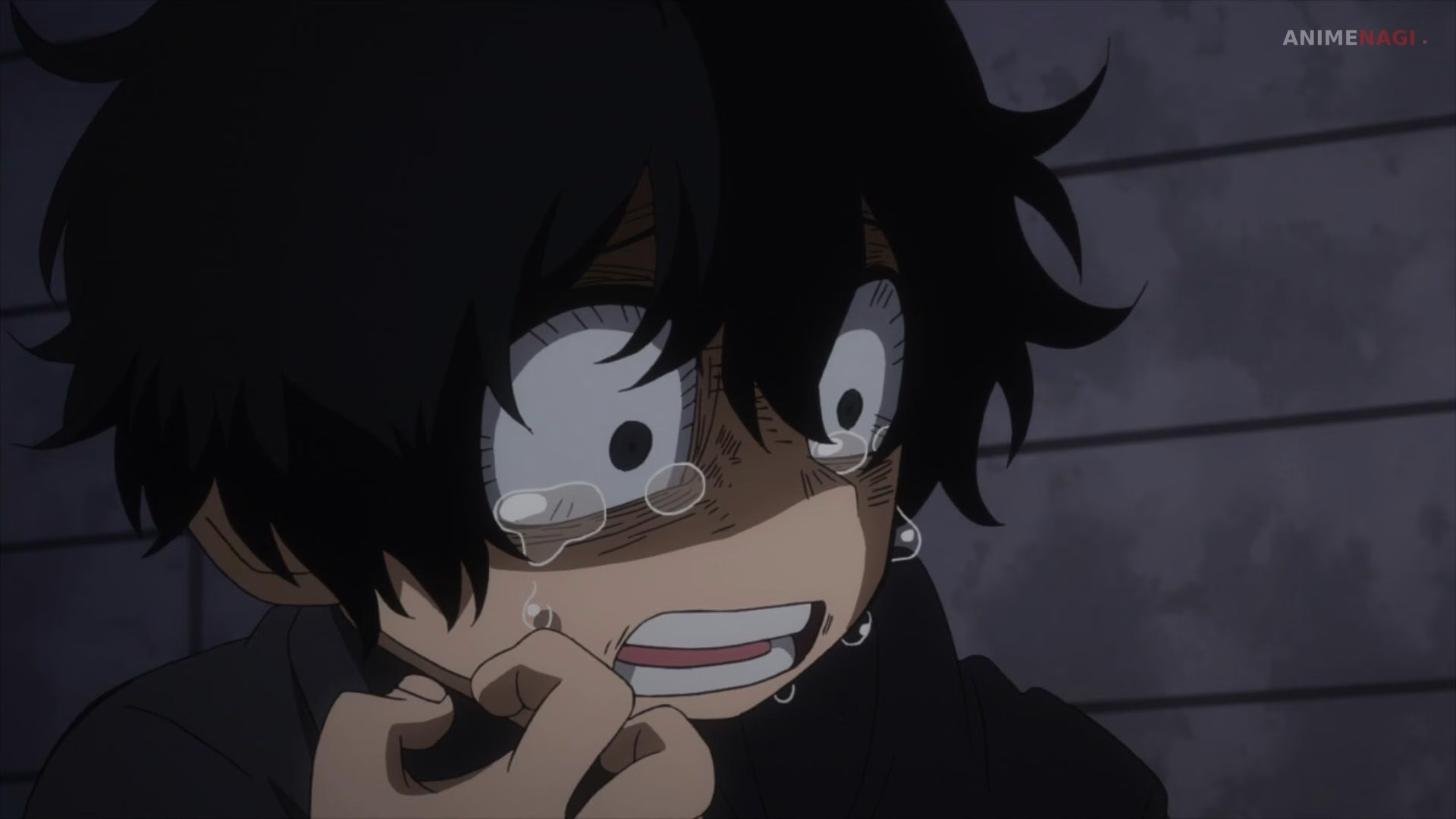
The series later reveals that All For One influenced nearly every stage of Shigaraki’s downfall. He manipulated the circumstances surrounding Tenko’s life and emotionally isolated him until destruction became the core of his identity. By the time Shigaraki became the leader of the League of Villains, much of his worldview had already been shaped by All For One’s influence.
This makes Shigaraki’s story especially tragic because many of his choices were influenced by years of psychological conditioning. Even his hatred toward Hero Society was carefully cultivated and weaponized by his mentor.
The Meaning Behind Shigaraki’s Identity Crisis
Shigaraki’s identity crisis becomes increasingly severe after inheriting the All For One Quirk. At first, the transfer appears to be a simple power upgrade designed to make him stronger. However, the Quirk contains more than abilities. It also carries vestiges and fragments of consciousness connected to All For One himself.
This changes everything about Shigaraki’s role in the story.
Instead of becoming an independent successor, Shigaraki slowly starts losing control over his own mind and body. The vestige of All For One inside the Quirk begins influencing his thoughts, actions, and emotional state. In some moments, the villain even takes direct control over Shigaraki physically, treating him almost like a puppet.
The conflict becomes especially complicated because Shigaraki’s hatred strengthens both himself and All For One simultaneously. Rage gives Shigaraki incredible power, but it also destabilizes his identity enough for All For One to exploit openings in his psyche. The more emotionally consumed he becomes, the easier it is for the vestige to interfere.
This creates one of the darkest dynamics in My Hero Academia because Shigaraki realizes he is not truly free, even after gaining immense strength.
The Vestige World and Internal Struggle Explained
Much of Shigaraki’s identity conflict happens within the vestige world connected to the All For One Quirk. Similar to how One For All contains the consciousness of past users, All For One also carries remnants of its original owner’s will.
Inside this mental space, Shigaraki constantly struggles against All For One’s presence. The vestige attempts to overwrite his consciousness and merge them into a single being. This is not symbolic manipulation alone. It is a literal battle for control over Shigaraki’s body and soul. The imagery inside these scenes is extremely important.
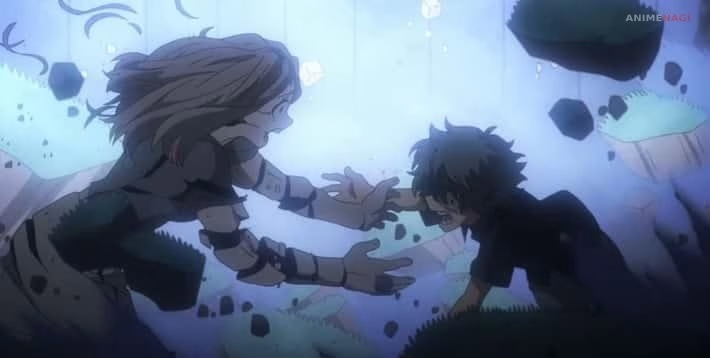
Shigaraki often appears surrounded by darkness, hands, and fragmented memories connected to Tenko Shimura. These visual elements represent his unstable emotional state and the trauma All For One continuously exploits. Even when Shigaraki grows stronger physically, his mind becomes increasingly fractured.
At several points, the series suggests that All For One wants to erase Tomura Shigaraki entirely. He does not view him as a true successor but as a container for his own continued existence. This revelation transforms their relationship from mentorship into parasitic possession.
Why All For One Wanted Shigaraki Specifically
One of the biggest questions in My Hero Academia is why All For One chose Shigaraki as his successor in the first place. While Shigaraki possessed destructive potential naturally, the deeper reason was emotional vulnerability.
All For One specifically targeted someone broken enough to be fully manipulated. Tenko Shimura’s trauma made him emotionally unstable, isolated, and desperate for direction. These qualities allowed All For One to shape him into an ideal vessel. The villain repeatedly encouraged Shigaraki’s hatred because strong negative emotions weakened his sense of self and increased his susceptibility to control.
There is also symbolic importance behind Shigaraki’s bloodline. As the grandson of Nana Shimura, he represents a twisted attack on All Might and One For All’s legacy. Corrupting the descendant of a former hero becomes part of All For One’s larger obsession with domination and psychological destruction.
This is why their relationship never functions like genuine mentorship. Although All For One occasionally acts supportive or patient, he ultimately views Shigaraki as property rather than a person. Every lesson and experience he gives Shigaraki is designed to shape him into a more suitable host.
The War Arc and Loss of Control
Shigaraki’s internal conflict becomes dramatically worse during the Paranormal Liberation War arc. After undergoing modifications from Doctor Garaki, his body becomes powerful enough to handle multiple Quirks and immense physical strain. However, the enhancements also strengthen All For One’s influence over him.
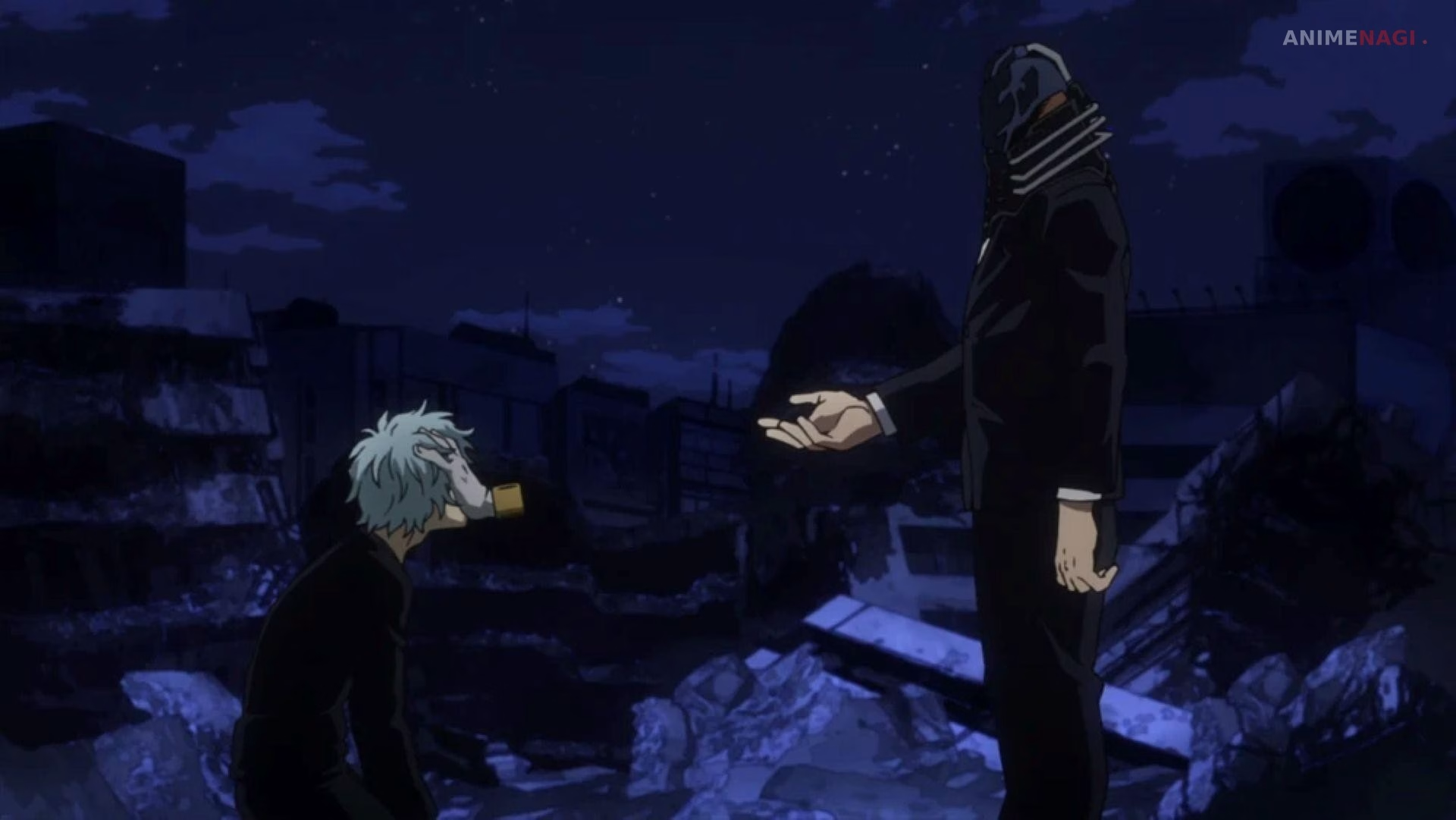
This creates a dangerous imbalance. Shigaraki gains near-unstoppable power, but his autonomy weakens significantly. During several major battles, All For One’s vestige interrupts Shigaraki’s actions or partially takes over his body entirely. Characters begin noticing strange shifts in behavior, speech patterns, and personality.
The identity conflict also affects Shigaraki’s physical form. At times, his body mutates unnaturally as the struggle between different wills intensifies. These transformations visually reinforce that he is becoming less stable emotionally and biologically. The line between Shigaraki and All For One starts collapsing.
Despite this, traces of Tenko Shimura still remain buried beneath the hatred. This becomes one of the most important emotional elements in the final stages of the story.
Why Shigaraki Fights Back Against All For One
Although All For One manipulates Shigaraki heavily, the series eventually reveals that Shigaraki never fully loses himself. Beneath the rage and destruction, he still possesses an independent will strong enough to resist. This resistance becomes one of the most surprising parts of his character arc.
Even after years of conditioning, Shigaraki gradually realizes that All For One never truly cared about him. He understands that he was groomed to become a vessel rather than a genuine successor. This realization sparks open rebellion within the vestige world. Shigaraki’s hatred ironically becomes the source of his resistance.
The same emotional intensity All For One cultivated eventually turns against him. Shigaraki refuses to surrender his identity completely, even while consumed by destruction. In later chapters, he actively fights to reclaim ownership over his body and consciousness. This struggle transforms Shigaraki from a simple villain into a tragic figure trying to recover agency over his own existence.
The Importance of Tenko Shimura
Tenko Shimura represents the remaining humanity inside Shigaraki. Throughout My Hero Academia, fragments of Tenko continue appearing during moments of emotional vulnerability. Deku specifically recognizes this during their confrontations, understanding that Shigaraki’s identity crisis is tied deeply to unresolved trauma and manipulation.
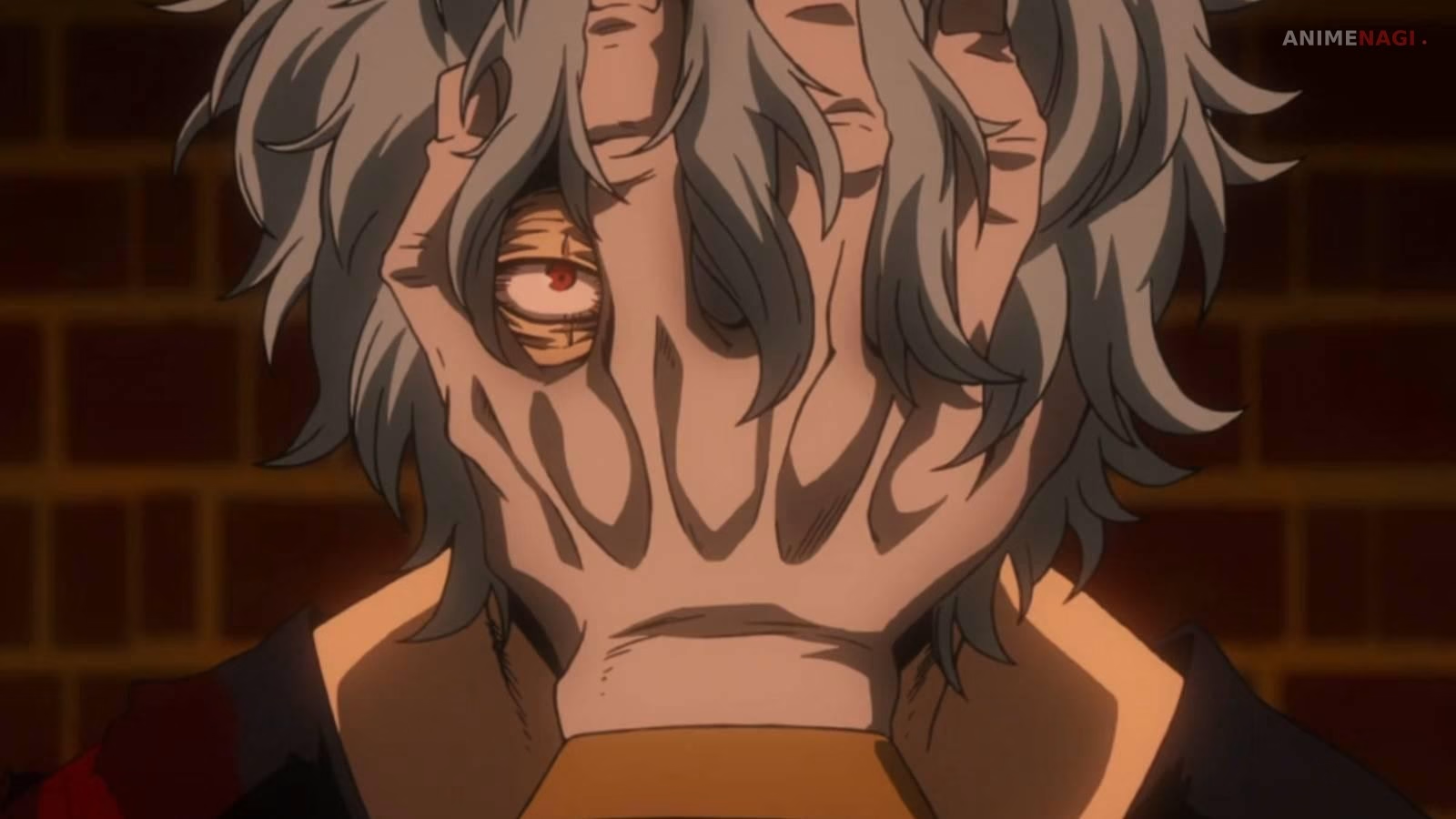
The child version of Tenko often appears trapped inside mental landscapes connected to the vestige world. These scenes symbolize how Shigaraki’s original self became buried beneath layers of hatred, fear, and external control. Deku’s attempts to “save” Shigaraki are not about excusing his crimes.
Instead, they focus on acknowledging the suffering and manipulation that created him. The story repeatedly suggests that Tenko Shimura needed help long before he became Tomura Shigaraki. This emotional approach separates My Hero Academia from simpler hero-versus-villain narratives. By emphasizing Tenko’s existence beneath the hatred, the series frames Shigaraki as someone whose identity was stolen gradually over time.
How the Identity Conflict Affects Hero Society Themes
Shigaraki’s internal struggle also reinforces My Hero Academia’s larger themes about hero society and systemic failure. All For One succeeds partly because society abandoned Tenko during his most vulnerable moment. Civilians ignored a traumatized child because they assumed heroes would eventually solve the problem. That neglect created the opening All For One needed to manipulate him completely.
This means Shigaraki’s identity crisis is not just personal. It reflects broader failures within society itself. Hero culture focused so heavily on symbols and appearances that vulnerable individuals like Tenko were overlooked emotionally. All For One weaponized those failures expertly.
The conflict inside Shigaraki, therefore, becomes symbolic. It represents the battle between individuality and manipulation, humanity and hatred, freedom and control. Even his physical body becomes a metaphor for societal corruption and exploitation. This thematic depth is one reason Shigaraki became one of the series’ most compelling characters.
Why All For One Ultimately Fails
Despite his intelligence and long-term planning, All For One ultimately misunderstands one crucial thing about Shigaraki. He believes hatred alone defines him. While Shigaraki is undeniably consumed by rage, he still possesses emotional connections, memories, and individuality that cannot be erased completely. All For One treats emotions as tools for manipulation, but Shigaraki eventually transforms those emotions into resistance instead. This is why All For One struggles to maintain permanent control.
The stronger Shigaraki’s identity becomes, the harder it is for the vestige to overwrite him. Even when mentally fractured, Shigaraki continues rejecting the idea of becoming merely an extension of another person. His final acts in the story therefore become deeply significant.
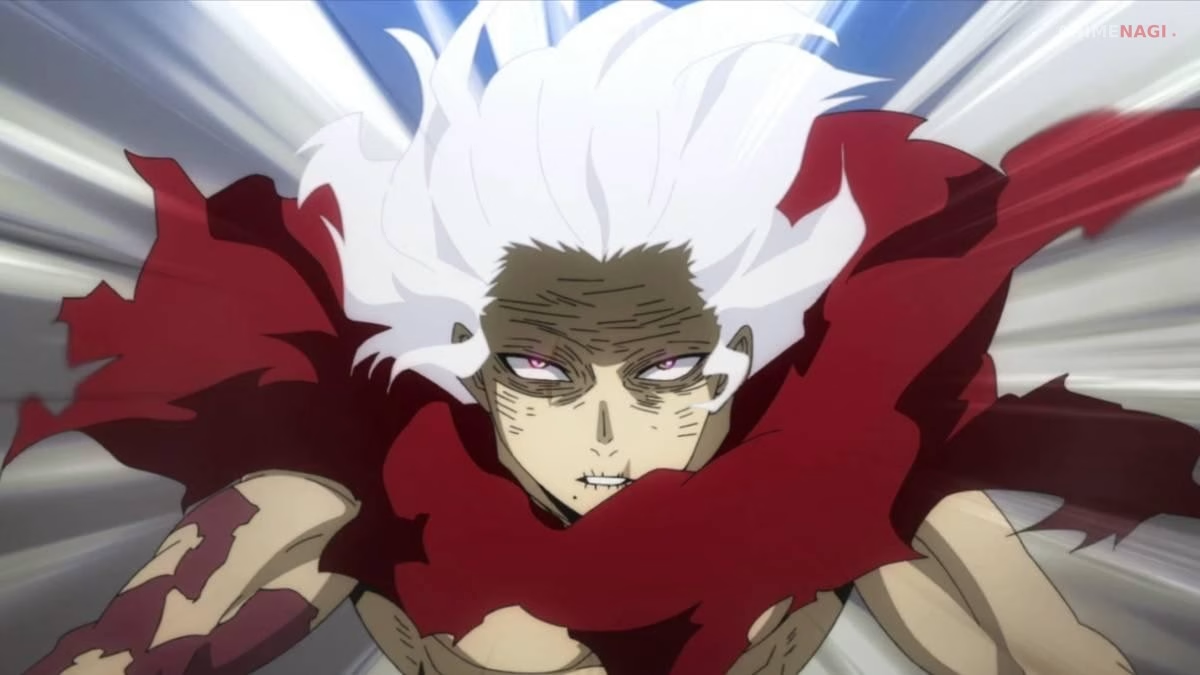
Instead of dying as All For One’s puppet, Shigaraki reclaims ownership over himself, even if only briefly. That emotional victory matters because it proves his identity survived years of manipulation and abuse.
The relationship between All For One and Shigaraki is one of the darkest and most emotionally layered aspects of My Hero Academia. What initially appears to be mentorship slowly reveals itself as psychological possession and identity theft.
All For One manipulates Shigaraki from childhood, cultivates his hatred, and eventually attempts to erase his individuality entirely through the vestige inside the Quirk. However, Shigaraki’s internal resistance proves stronger than expected. Beneath the destruction and rage, Tenko Shimura’s identity continues fighting to survive.
This conflict transforms Shigaraki into far more than a traditional villain. He becomes a tragic reflection of manipulation, societal neglect, and the struggle to reclaim autonomy after years of emotional control.
In the end, Shigaraki’s greatest battle was never against Deku or Hero Society alone. It was the battle to remain himself in a world where All For One tried to turn him into nothing more than a weapon.
Shigaraki’s identity conflict also changes how other characters perceive him, especially the heroes. Instead of seeing him purely as an unstoppable villain, characters like Deku begin recognizing the deeper struggle happening within him.
This shift in perspective becomes crucial because it reframes the battle from simple defeat to potential rescue. It adds emotional weight to every confrontation, making the conflict more personal than a typical hero-versus-villain scenario.
At the same time, this internal struggle raises questions about responsibility and control. Even if Shigaraki was manipulated, he still caused massive destruction and loss. The series does not ignore this reality, which creates a complex moral dilemma. It forces both characters and viewers to consider whether someone shaped by manipulation can truly reclaim themselves or if some damage is irreversible.