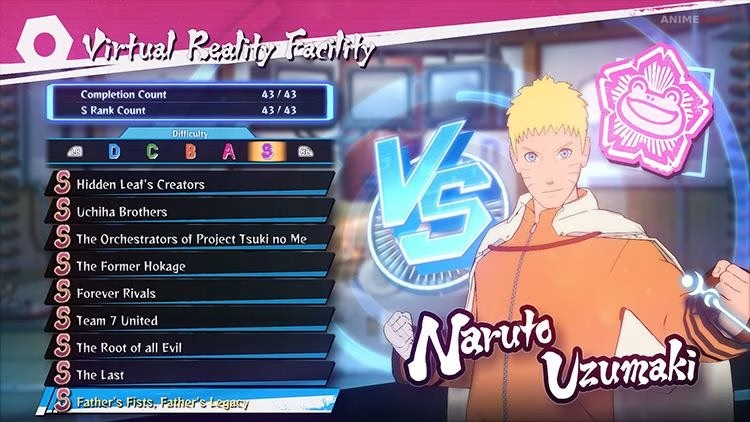
When Naruto Shippuden: Ultimate Ninja Storm 4 received its Road to Boruto expansion, most players focused immediately on the new storyline, updated roster, and Otsutsuki boss battles. However, the DLC also introduced an unexpected feature called VR Mode, which many players initially overlooked. Unlike the cinematic story-driven experience the Storm series is known for, VR Mode offers a completely different gameplay structure. This has led to mixed reactions from the community, with some praising its replay value while others dismiss it as repetitive filler.
VR Mode functions as a mission-based system where players complete battles inside a simulated training environment. It is inspired by the technological evolution seen in the Boruto era, where scientific ninja tools play a major role. While it does not impact the main story, it adds an extra layer of gameplay outside traditional modes. The key question, however, is whether this additional content is actually worth your time.
The answer depends heavily on what you expect from Ultimate Ninja Storm 4: Road to Boruto. If you are looking for more cinematic storytelling, VR Mode may feel underwhelming. However, if you enjoy combat-focused challenges and unlocking extra rewards, it can provide meaningful value. Let’s break down exactly how it works and whether it deserves your attention.
What is VR Mode in Road to Boruto?
VR Mode is an optional gameplay feature introduced as part of the Road to Boruto DLC expansion. It places players in a virtual simulation where they must complete a series of battles and missions. These missions are structured similarly to arcade challenges, with increasing difficulty as you progress. Unlike the main story, VR Mode does not include major narrative elements or cutscenes.
The mode is designed to provide repeatable combat scenarios rather than one-time story experiences. Players face different opponents, team combinations, and conditions across multiple stages. Each completed mission contributes to progression within the VR system. This creates a sense of advancement even outside the main campaign.
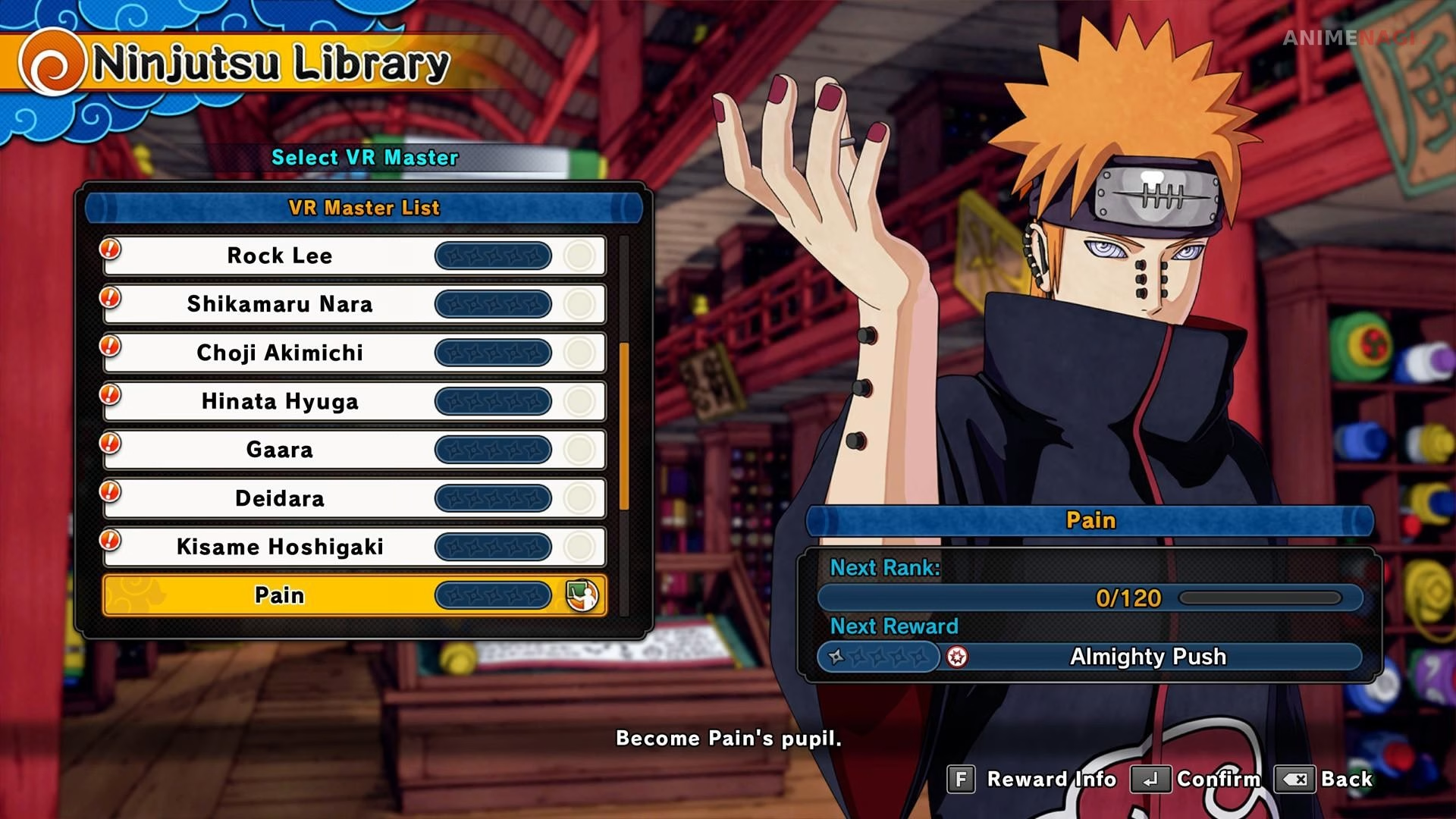
According to community guides and player discussions, VR Mode includes dozens of battles that unlock gradually. Completing these challenges rewards players with in-game currency, collectibles, and customization options. These rewards are not essential for gameplay but add incentive for continued play. As a result, VR Mode primarily targets players who want additional content beyond the story. (en.wikipedia.org)
Why VR Mode was added to the DLC
CyberConnect2 likely introduced VR Mode to address a long-standing issue with the Storm series: limited single-player replayability. Once players complete the cinematic campaigns, there are fewer structured activities available unless they switch to online battles. VR Mode helps fill that gap by offering repeatable missions with progression systems. This ensures players have something to do after finishing the Boruto storyline.
The mode also aligns with the Boruto era’s themes of technological advancement. In the Naruto timeline, training traditionally relied on physical and mental discipline. However, Boruto introduces scientific ninja tools and modernized systems, making virtual simulations feel like a natural extension. This thematic consistency helps VR Mode feel integrated rather than completely random.
Additionally, the inclusion of VR Mode adds perceived value to the DLC package. Reviews and store descriptions often highlight it as a secondary feature alongside the story expansion. While it may not be the main attraction, it contributes to the content offering. This becomes more noticeable for players who want extended playtime beyond the main campaign.
The biggest strength of VR Mode is replay value
The strongest aspect of VR Mode is its ability to extend gameplay significantly. The main Storm campaigns are highly cinematic but relatively short once completed. VR Mode introduces a structure where players can continue playing through multiple missions and challenges. This makes it especially appealing for players who enjoy grinding and improving their combat skills.
Each mission presents different enemy combinations and difficulty levels, encouraging players to experiment with various characters. You can try aggressive fighters like Kinshiki, balanced teams like Naruto and Sasuke, or technical characters with unique abilities. This flexibility adds depth to the combat system beyond what the story mode offers. It also keeps gameplay from feeling completely repetitive in the early stages.
Completionists benefit the most from this design. Finishing all VR missions contributes to full game completion and unlocks additional rewards. Some achievements and trophies are also tied to clearing these challenges. This gives dedicated players a clear reason to engage with the mode fully.
Why many players find VR Mode repetitive
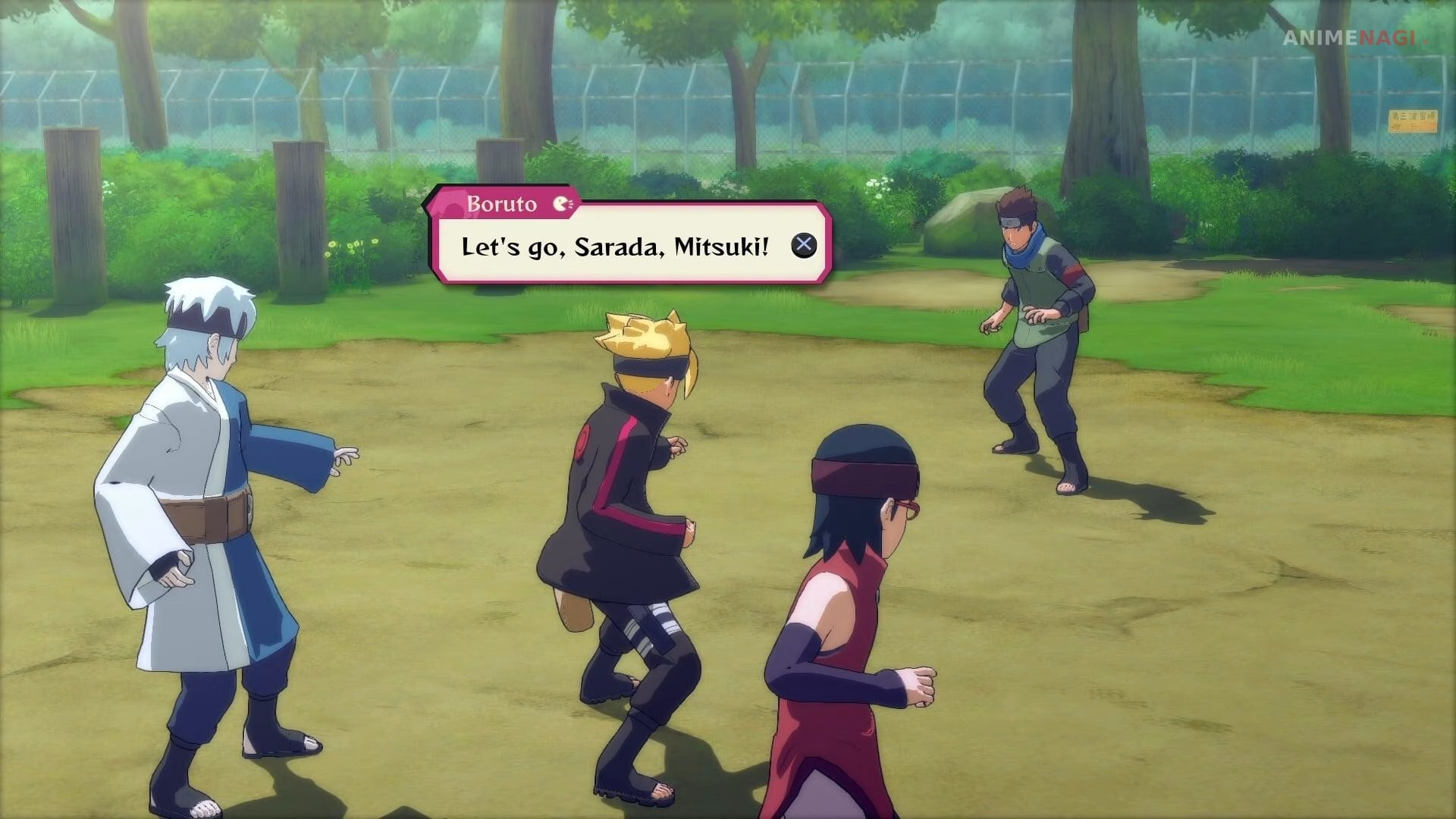
Despite its strengths, VR Mode has received criticism for its repetitive structure. Unlike the main story, which features dramatic cutscenes and emotional moments, VR Mode focuses purely on combat. This lack of narrative depth can make the experience feel less engaging over time. Players who value storytelling often lose interest quickly.
The mission design also contributes to this issue. Most objectives revolve around defeating opponents under slightly different conditions. While difficulty increases gradually, the core gameplay loop remains the same. This can lead to fatigue during longer play sessions.
Community discussions have highlighted this problem repeatedly. Some players felt the mode lacked creativity compared to the rest of the DLC. Others argued that it felt like filler content added to increase playtime rather than deliver meaningful experiences. These criticisms explain why VR Mode remains one of the most divisive features in the expansion.
VR Mode works better for combat-focused players
The value of VR Mode depends largely on your playstyle. If you primarily enjoy Naruto games for their story and cinematic presentation, this mode may not appeal to you. It lacks the emotional depth and visual storytelling that define the Storm series. For those players, it often feels like a secondary feature rather than a core experience.
However, combat-focused players tend to appreciate VR Mode more. The repeated battles allow for deeper exploration of mechanics, combos, and character abilities. It provides a space to practice and improve without replaying the same story missions. This makes it useful for players who want to master the game’s fighting system.
The inclusion of Boruto-era characters also enhances this experience. Fighters like Boruto, Sarada, and Momoshiki feel more relevant when used in multiple combat scenarios. VR Mode gives players a reason to experiment with the expanded roster. This adds practical value to the DLC characters beyond their story appearances.
The reward system adds some motivation
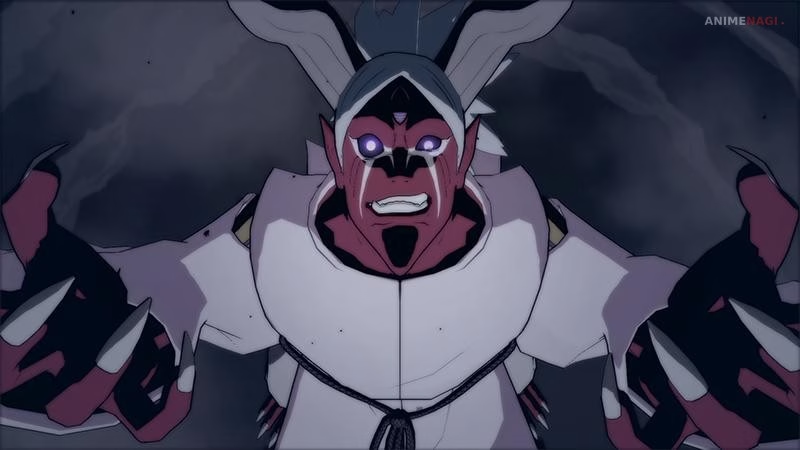
Another reason players engage with VR Mode is its reward system. Completing missions unlocks customization items, in-game currency, and progression bonuses tied to the game’s collection features. While these rewards are not essential for gameplay, they provide a sense of accomplishment. This is particularly appealing for players who enjoy collecting and completing everything the game offers.
The reward structure also supports long-term engagement. Instead of finishing the DLC quickly and moving on, players have incentives to keep playing. This extends the lifespan of the expansion significantly. It also aligns with modern game design trends that emphasize progression systems.
However, the rewards alone are not enough to carry the mode. Players who dislike the core gameplay loop will not find these incentives compelling. This reinforces the idea that VR Mode is designed for a specific type of player rather than a universal audience.
How VR Mode compares to Adventure Mode
VR Mode is often compared to Adventure Mode, another side feature in Storm 4. Adventure Mode focuses on exploration, side quests, and interacting with the Naruto world. It retains some narrative elements and offers a more immersive experience. This makes it more appealing to players who enjoy storytelling.
In contrast, VR Mode is purely combat-driven. It removes exploration and narrative in favor of structured battles. This creates a more focused but less varied gameplay experience. Players who prefer constant action may find this appealing, while others may find it lacking.
Both modes serve different purposes within the game. Adventure Mode expands the world and story, while VR Mode extends gameplay through repetition and challenge. Understanding this distinction helps set realistic expectations before playing.
Does VR Mode improve the DLC?
VR Mode does add value to the Road to Boruto DLC, even if it is not universally loved. Without it, the expansion would rely heavily on its relatively short story campaign. The additional missions provide more content for players who want extended gameplay. This makes the DLC feel more complete as a package.
However, its impact varies depending on the player. For some, it becomes a key part of their experience. For others, it remains a feature they barely touch after trying it once. This divide reflects the mode’s niche design.
From a broader perspective, VR Mode helps justify the DLC’s price by increasing playtime. It ensures there is something to do after finishing the main story. Even if it is not perfect, it contributes to the content offering.
Is VR Mode worth it?
VR Mode is worth playing if you enjoy Storm 4’s combat system and want more structured battles after finishing the story. It offers replayability, progression, and opportunities to experiment with characters. For completionists and combat-focused players, it adds meaningful value to the DLC. It can also serve as a training ground for improving gameplay skills.
However, it is not essential for everyone. Players who prioritize story, cinematic moments, and emotional depth may find it underwhelming. The repetitive structure and lack of narrative can make it feel less engaging compared to other modes. In that sense, it works best as optional content rather than a core feature.
Ultimately, VR Mode sits somewhere in the middle. It is neither a must-play feature nor a complete waste of time. If approached with the right expectations, it can enhance your experience with Ultimate Ninja Storm 4: Road to Boruto without being necessary to enjoy the game fully.