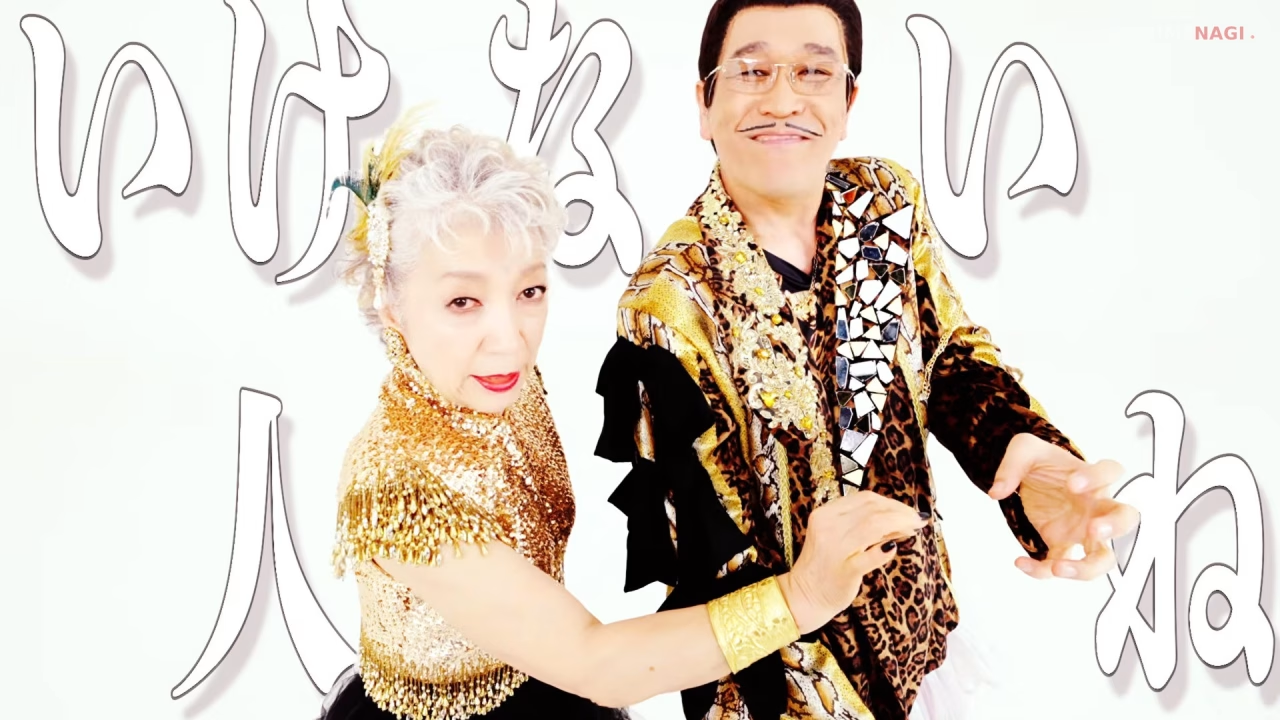
The ever-unpredictable PIKOTARO is back with another offbeat release, this time reworking a decades-old Japanese classic into something entirely his own. His new single, “Koi no Sharock PPAP feat. Mie Nakao,” dropped on May 15 at midnight local time, bringing together retro pop and his signature absurd style in a way only he can pull off.
The track is part of his ongoing Tottemo Release 80.8 series, a monthly rollout building toward the 10th anniversary of “PPAP” in 2026. Known for turning simple ideas into viral sensations, PIKOTARO once again leans into unpredictability, this time by merging two completely different eras of Japanese music.
A Classic Song Gets a Completely New Identity
“Koi no Sharock PPAP” takes inspiration from the original 1968 track “Koi no Sharock” by Mie Nakao, but it is far from a traditional remake. Instead of preserving the original structure, PIKOTARO reshapes it with repetitive hooks, exaggerated vocals, and quirky rhythms that instantly recall the spirit of “PPAP.”
The result is a track that feels both nostalgic and chaotic. Elements of classic kayōkyoku remain, but they are constantly interrupted and reshaped by PIKOTARO’s comedic timing and unconventional delivery. This contrast becomes the defining feature of the song, creating a listening experience that feels intentionally unpredictable.
Producer Daimaou Kosaka described the collaboration as something that almost feels like time travel. He joked about whether the “PPAP” dance might have existed decades ago, framing the project as a fusion of two artists connecting across generations.
Music Video Turns Nostalgia Into Comedy
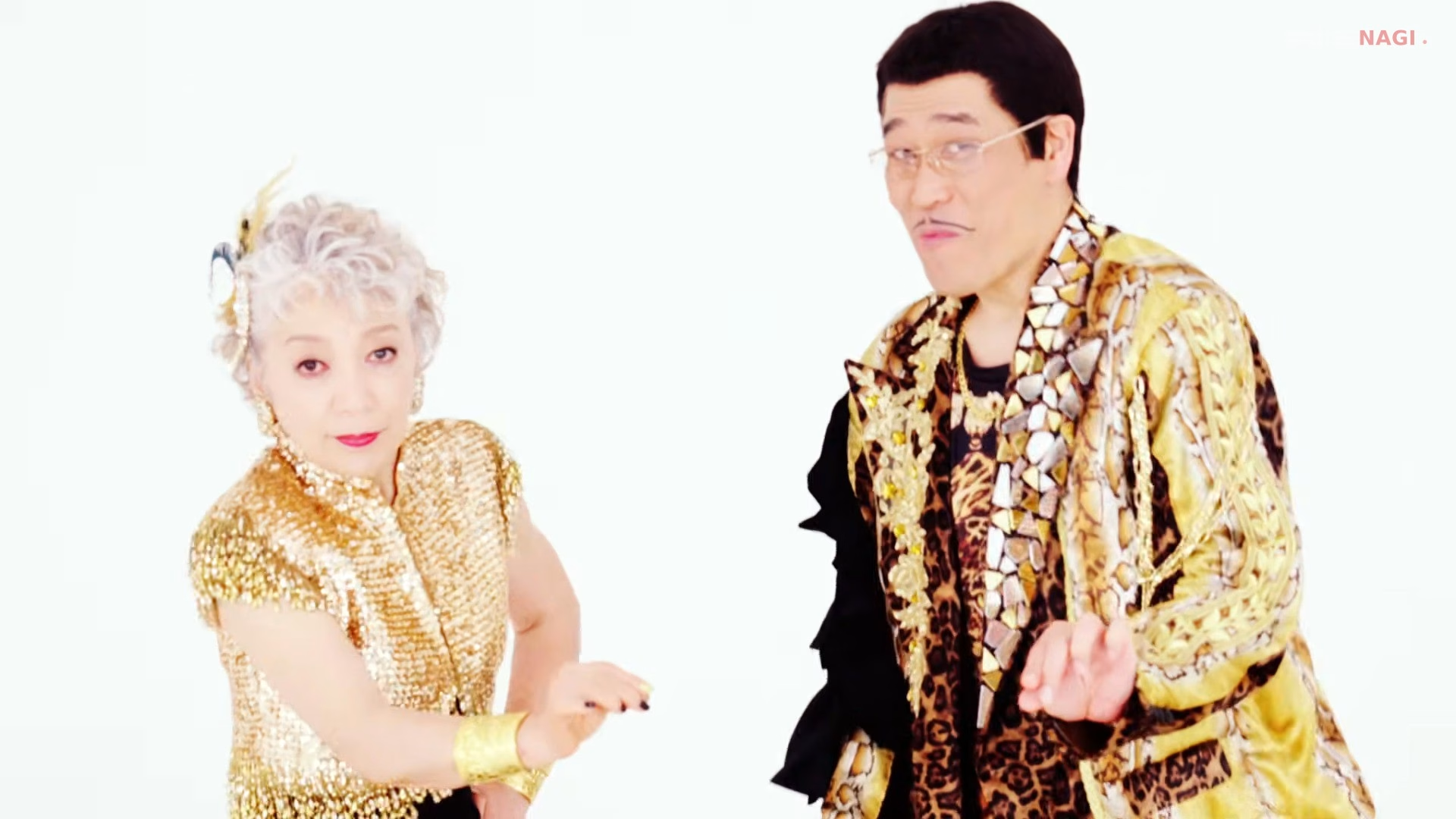
The music video pushes this concept even further, blending choreography inspired by the original song with PIKOTARO’s signature movements. The visuals playfully suggest that the DNA of “PPAP” could be traced back to the 1960s, turning the entire idea into a humorous “what if” scenario.
At its core, the video is a dance collaboration that bridges generations. The contrast between Nakao’s classic style and PIKOTARO’s exaggerated performance creates a surreal but entertaining dynamic. This combination of old and new becomes the highlight, making the video as memorable as the track itself.
Mie Nakao revealed that the idea for the collaboration first came up during a television appearance, where similarities between the two dances were noticed. When they tried combining them, she said, “it matched perfectly,” adding that she never expected the song to return after nearly 58 years.
More Than Just One Song
Beyond the lead track, the release includes “We Love 808,” a song inspired by the legendary Roland TR-808 drum machine. Known for shaping modern music, the 808 serves as a recurring theme in the Tottemo Release 80.8 series, reflecting PIKOTARO’s fascination with rhythm and repetition.
The project also continues his comedic “Prefecture Songs,” this time focusing on Japan’s Shikoku region. These tracks transform local culture into playful musical sketches, maintaining the humorous tone that has become a key part of his identity.
PIKOTARO described Shikoku as rich in nature and warm in spirit, jokingly noting that people may not fully believe his perspective. This mix of sincerity and humor remains central to his creative approach, even in these smaller side projects.
A Career Built on Viral Simplicity
PIKOTARO rose to global fame in 2016 with “PPAP (Pen-Pineapple-Apple-Pen),” a short, catchy track that quickly became a worldwide phenomenon. The song gained attention from major celebrities and media outlets, eventually earning a spot on the Billboard Hot 100 and a Guinness World Record for its length.
Since then, he has continued to experiment with unconventional ideas, often blurring the line between parody and genuine pop music. His latest release follows the same pattern, taking something familiar and transforming it into something completely unexpected.
With “Koi no Sharock PPAP feat. Mie Nakao,” PIKOTARO once again proves that his creativity thrives on unpredictability. By combining a 1960s classic with his modern viral style, he delivers a track that feels strange, nostalgic, and oddly addictive all at once.