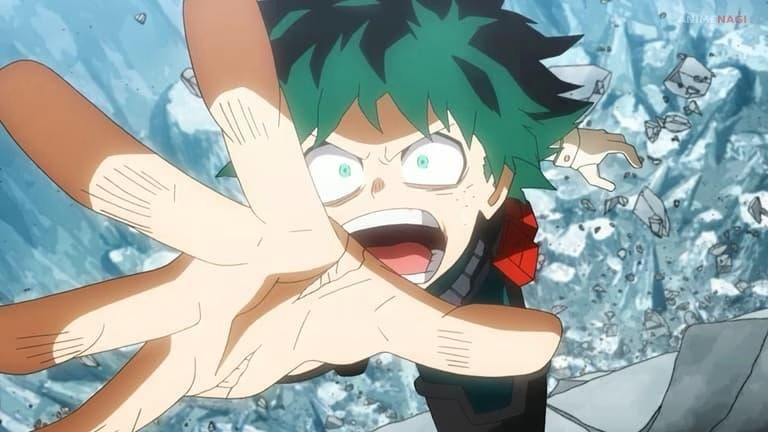
My Hero Academia Season 4 marks a major turning point in the series, shifting the tone from school-focused storytelling to darker, high-stakes hero work. The season adapts two major arcs from the manga, delivering some of the most emotional and intense moments in the franchise. It explores what it truly means to be a hero when the consequences are no longer theoretical but painfully real.
The story primarily follows Izuku Midoriya and his classmates as they begin their work-study programs with professional heroes. This change pushes them into dangerous situations where they must face real villains rather than training simulations. The introduction of new characters like Overhaul and Eri adds emotional depth while expanding the world beyond U.A. High School.
Season 4 stands out because it challenges the ideals of heroism established in earlier seasons. It forces characters to confront loss, sacrifice, and moral complexity. Understanding this season fully requires breaking down its major arcs, character developments, and how its ending sets up future conflicts.
The Work-Study Program and Shift in Tone
Season 4 begins with U.A. students entering work-study programs, allowing them to gain real-world hero experience. This marks a clear transition from classroom learning to practical application. Izuku Midoriya joins Sir Nighteye’s agency, a former sidekick of All Might known for his strict personality and strategic mindset.
This arc introduces a more grounded and serious tone compared to previous seasons. The students are no longer protected by the safety of school environments. Instead, they are exposed to the harsh realities of hero work, including crime investigations and life-threatening encounters.
Midoriya’s placement with Sir Nighteye also creates tension due to differing views on All Might’s legacy. Nighteye believes that Mirio Togata should have inherited One For All instead of Midoriya. This conflict adds emotional weight to Midoriya’s journey as he strives to prove his worth.
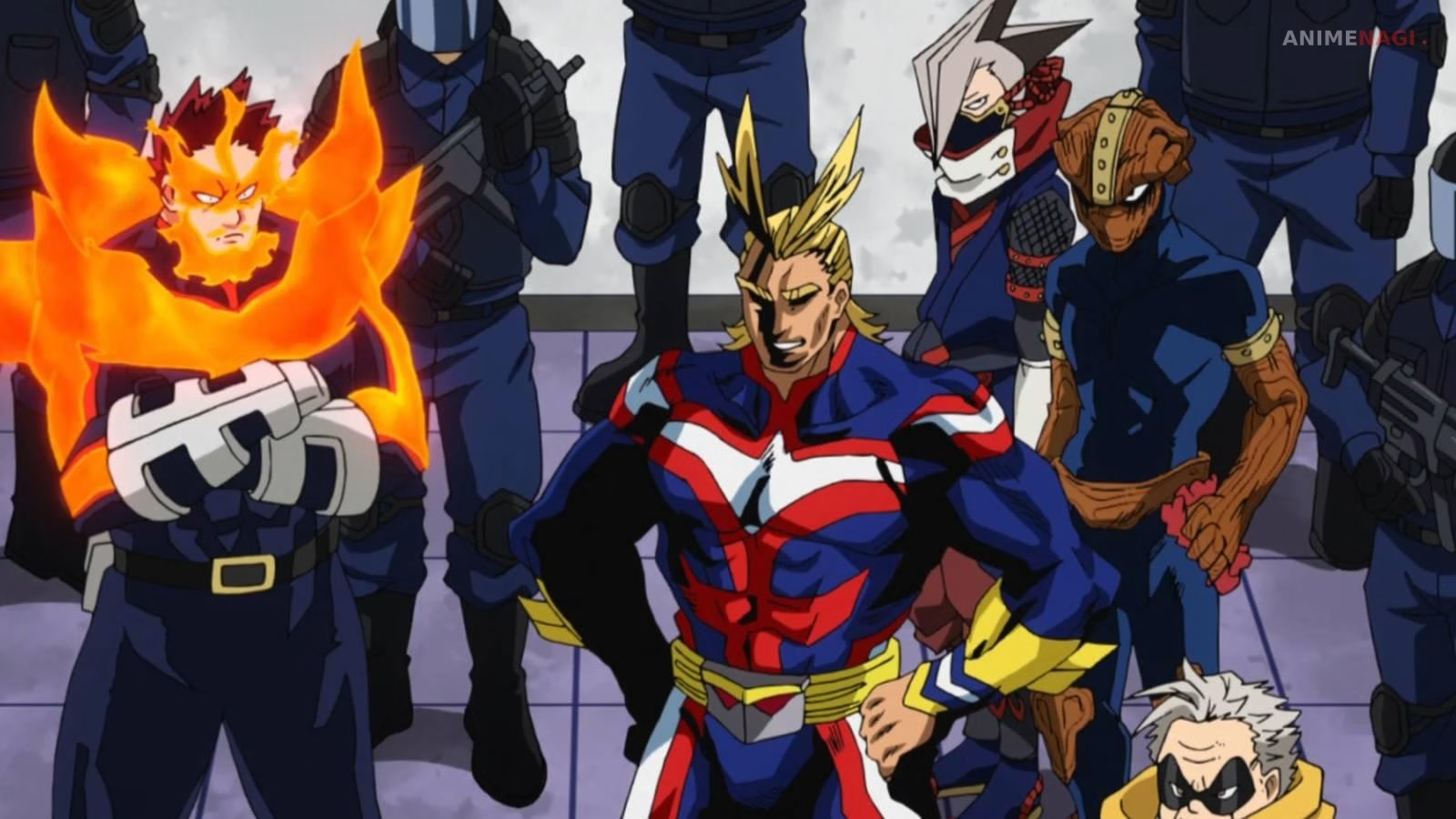
At the same time, other students like Kirishima and Uraraka also begin their internships, highlighting how each character grows in their own way. This broader focus strengthens the world-building and shows that hero society relies on teamwork rather than individual strength.
The Shie Hassaikai Arc Explained
The core of Season 4 revolves around the Shie Hassaikai arc, widely considered one of the darkest storylines in the series. The arc introduces Kai Chisaki, also known as Overhaul, a yakuza leader with a dangerous plan to reshape society.
Overhaul’s Quirk allows him to disassemble and reassemble matter, making him one of the most powerful and terrifying villains introduced so far. His ultimate goal is to eliminate Quirks entirely and restore the yakuza’s influence. To achieve this, he creates Quirk-destroying bullets using a young girl named Eri.
Eri’s existence becomes the emotional heart of the arc. She possesses a rare Quirk called Rewind, which allows her to reverse a person’s state. Overhaul exploits this ability, subjecting her to constant suffering to produce his weapons.
The heroes, including Midoriya, Mirio, and pro heroes like Eraser Head, launch a coordinated raid on the Shie Hassaikai headquarters. This operation highlights the complexity of hero work, involving strategy, teamwork, and sacrifice.
The arc stands out because it combines action with deep emotional stakes. The mission is not just about defeating a villain but also about rescuing a child from unimaginable trauma.
Mirio Togata and the Meaning of True Heroism
Mirio Togata plays a crucial role in Season 4 and serves as a foil to Midoriya. As a top U.A. student and a candidate for One For All, Mirio represents what a near-perfect hero looks like. His confidence, strength, and selflessness make him an ideal successor in many eyes.
During the raid, Mirio demonstrates extraordinary bravery by fighting Overhaul alone to protect Eri. Even after losing his Quirk, he continues to fight using pure determination. This moment becomes one of the most defining scenes of the season.
Mirio’s actions redefine heroism as something beyond powers. His willingness to sacrifice everything for someone else embodies the core values of a hero. It also challenges Midoriya to grow and live up to that standard.
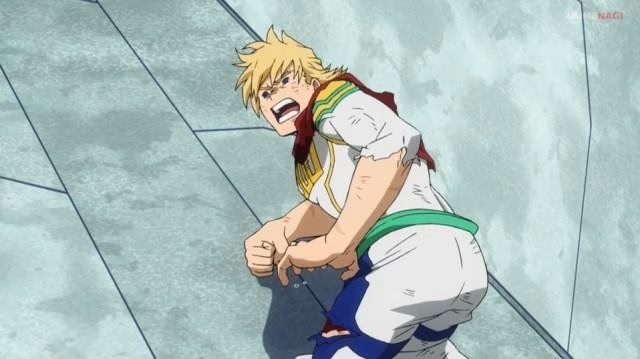
This storyline adds emotional depth to the season and highlights the cost of being a hero. Mirio’s loss is not just physical but symbolic, showing that heroism often comes with irreversible consequences.
Midoriya vs Overhaul: The Climactic Battle
The final battle between Midoriya and Overhaul is one of the most iconic moments in Season 4. After Mirio’s sacrifice and the heroes’ efforts to weaken Overhaul, Midoriya takes on the responsibility of saving Eri and defeating the villain.
Eri’s Quirk plays a crucial role in this fight. She allows Midoriya to use One For All at 100 percent without destroying his body by constantly rewinding his injuries. This creates a visually stunning and emotionally powerful sequence.
The battle represents more than just a clash of power. It symbolizes hope overcoming despair. Midoriya’s determination to save Eri contrasts sharply with Overhaul’s cruelty and obsession with control.
This fight also marks a significant milestone in Midoriya’s development. He begins to fully embrace his role as a hero capable of protecting others. The victory feels earned because it is built on the sacrifices and efforts of multiple characters.
Eri’s Rescue and Emotional Aftermath
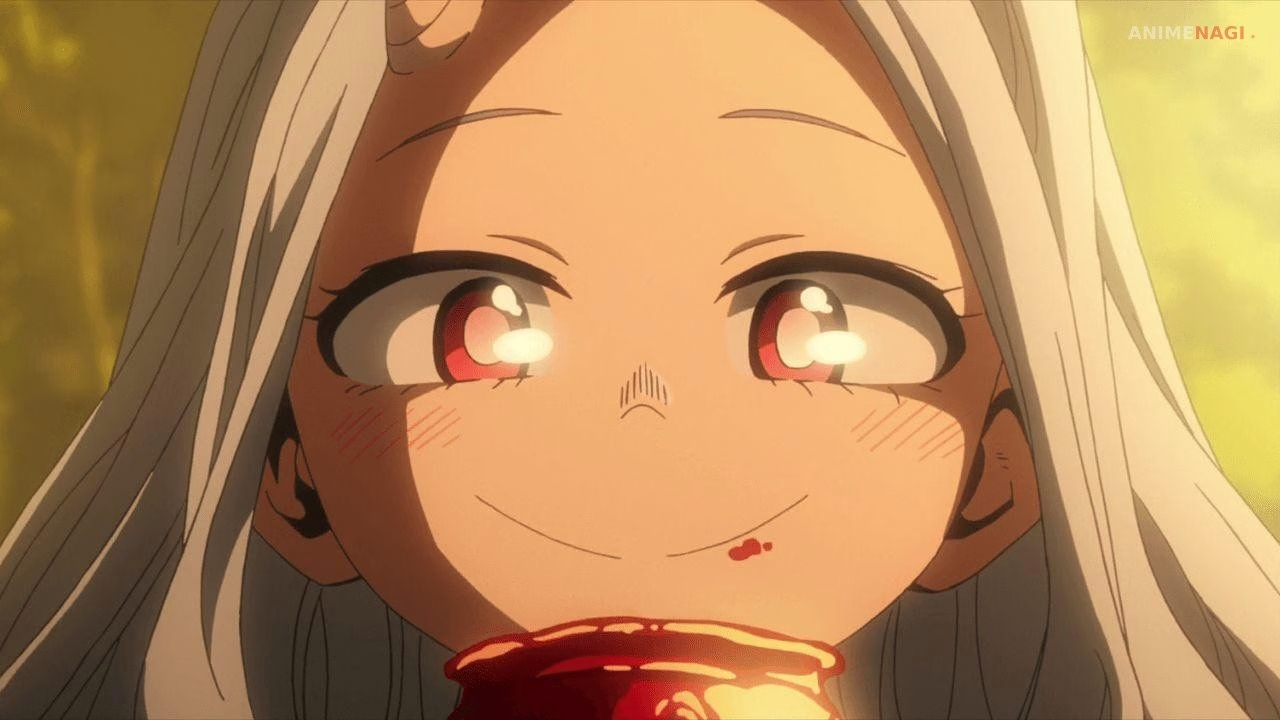
Eri’s rescue is one of the most impactful outcomes of the arc. After enduring immense suffering, she is finally freed from Overhaul’s control. However, her journey does not end with her rescue.
Eri struggles with guilt and trauma, believing that her power only brings harm to others. The heroes must help her understand that her Quirk can also be used for good. This emotional recovery becomes an important subplot.
Midoriya and Mirio play key roles in supporting Eri’s healing process. Their kindness and determination help her slowly open up and regain trust. This development reinforces the theme that being a hero is not just about fighting villains but also about saving people emotionally.
The aftermath of the arc highlights the lasting impact of trauma. It shows that even victories come with challenges that require time and care to overcome.
The School Festival Arc and Tonal Shift
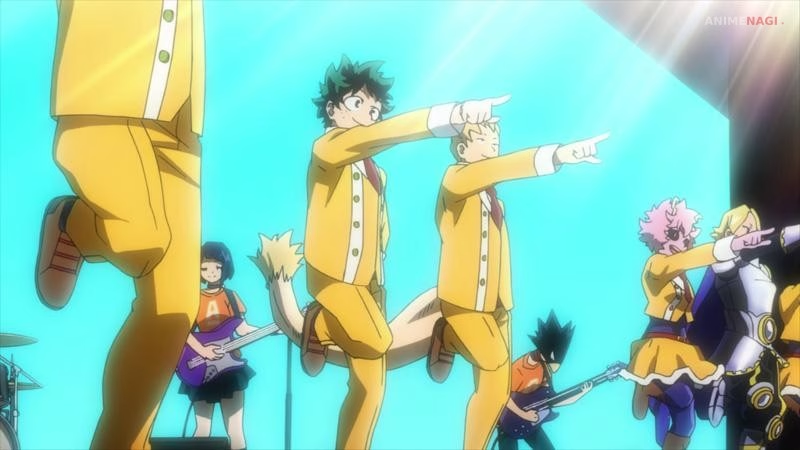
After the intense Shie Hassaikai arc, Season 4 transitions into the U.A. School Festival arc. This shift provides a lighter tone while still maintaining emotional depth. The festival is organized to lift the spirits of students and provide a positive experience for Eri.
Midoriya and his classmates prepare a performance aimed at bringing joy to others. This arc emphasizes the importance of happiness and normalcy in a world filled with danger. It also showcases the students’ creativity and teamwork.
Despite its lighter tone, the arc introduces Gentle Criminal, a unique villain with a different perspective on hero society. Unlike Overhaul, Gentle is not driven by malice but by a desire for recognition.
The conflict between Midoriya and Gentle highlights a different kind of challenge. It explores themes of failure, ambition, and redemption. This adds variety to the storytelling and keeps the narrative engaging.
Endeavor’s Rise as the New Number One Hero
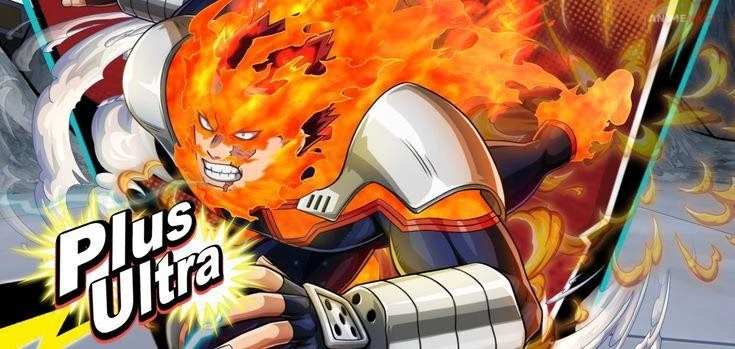
The final part of Season 4 focuses on Endeavor’s journey as the new Number One Hero following All Might’s retirement. This storyline explores his struggle to live up to the expectations of the position.
Endeavor faces both external threats and internal challenges. He must confront his past actions, particularly his treatment of his family. This adds complexity to his character and makes his journey more compelling.
His battle against the High-End Nomu serves as a major highlight. The fight pushes him to his limits and demonstrates his determination to protect society. It also earns him recognition as a worthy successor to All Might.
This arc sets up future developments for the series, particularly regarding the evolving threat of Nomu and the League of Villains. It also reinforces the idea that hero society is undergoing significant change.
Key Themes That Define Season 4
Season 4 explores several important themes that lift its storytelling. One of the most prominent themes is the cost of heroism. Characters like Mirio and Midoriya show that being a hero often requires sacrifice.
Another key theme is the idea of saving people beyond physical rescue. Eri’s story highlights the importance of emotional healing and support. This adds depth to the concept of heroism.
The season also examines the flaws within hero society. Through characters like Overhaul and Gentle, it presents different perspectives on how society functions. This creates a more nuanced narrative.
These themes make Season 4 more mature and impactful compared to earlier seasons. They also lay the groundwork for future conflicts and character development.
How Season 4 Impacts the Future of the Series
The events of Season 4 have lasting consequences for the story. The introduction of Quirk-destroying bullets changes the balance of power and creates new threats. This development raises the stakes for both heroes and villains.
Eri’s Quirk also becomes an important factor moving forward. Her ability has the potential to influence future battles and character arcs. However, it also comes with risks that need to be carefully managed.
Endeavor’s rise as the Number One Hero signals a new era for Hero Society. His journey sets the stage for future storylines involving the League of Villains and other emerging threats.
The season also strengthens the bonds between characters, particularly Midoriya and his classmates. These relationships become crucial as the challenges ahead grow more dangerous.