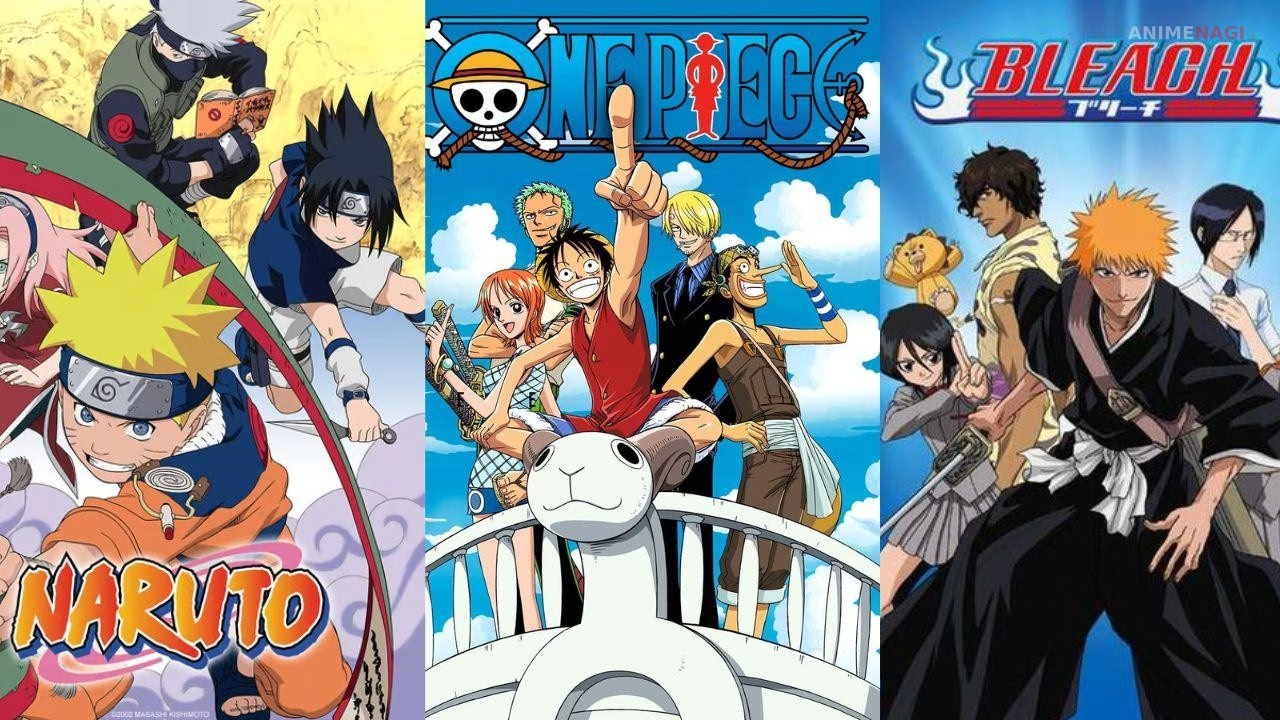
The term “Big Three Anime” is one of the most famous phrases in anime history. For many fans who grew up during the 2000s and early 2010s, the phrase immediately refers to Naruto, Bleach, and One Piece. These three series dominated anime and manga culture during the same era and became the defining faces of shonen anime worldwide. Their influence was so massive that they helped shape how an entire generation discovered anime outside Japan.
The “Big Three” label was never an official award created by Weekly Shonen Jump itself. Instead, it emerged from fan communities and anime culture during the mid-2000s when all three series were simultaneously dominating manga sales, anime popularity, and international discussion. What made the trio special was not simply individual success, but their overlap during the same historical period.
Together, Naruto, Bleach, and One Piece transformed anime into a mainstream global phenomenon. They introduced millions of viewers to long-form storytelling, emotional character arcs, intense battles, and expansive fictional worlds. Even decades later, the influence of the Big Three can still be seen in modern anime culture, streaming trends, and newer shonen series trying to capture a similar impact.
What Does “The Big Three” Anime Actually Mean?
The term “Big Three” refers specifically to Naruto, Bleach, and One Piece during their peak dominance in Weekly Shonen Jump during the 2000s. These series consistently ranked among the magazine’s most popular titles while also becoming enormous anime hits internationally.
Many fans misunderstand the term and assume it simply means “the three best anime.” In reality, the phrase describes a unique period in anime and manga history when these three franchises simultaneously dominated the industry. Their success happened at the same time, which created a level of cultural momentum that later anime generations struggled to replicate.
Weekly Shonen Jump played a massive role in this rise. The magazine had already produced legendary hits like Dragon Ball and Slam Dunk before the Big Three era began. However, Naruto, Bleach, and One Piece became the faces of Jump’s international expansion during the internet age.
The timing was also perfect. Anime piracy, fan forums, television broadcasts, and online communities were rapidly growing during the 2000s. As a result, the Big Three became many international fans’ introduction to anime itself. That cultural timing is one reason the term still carries so much weight today.
Why One Piece Became a Global Phenomenon
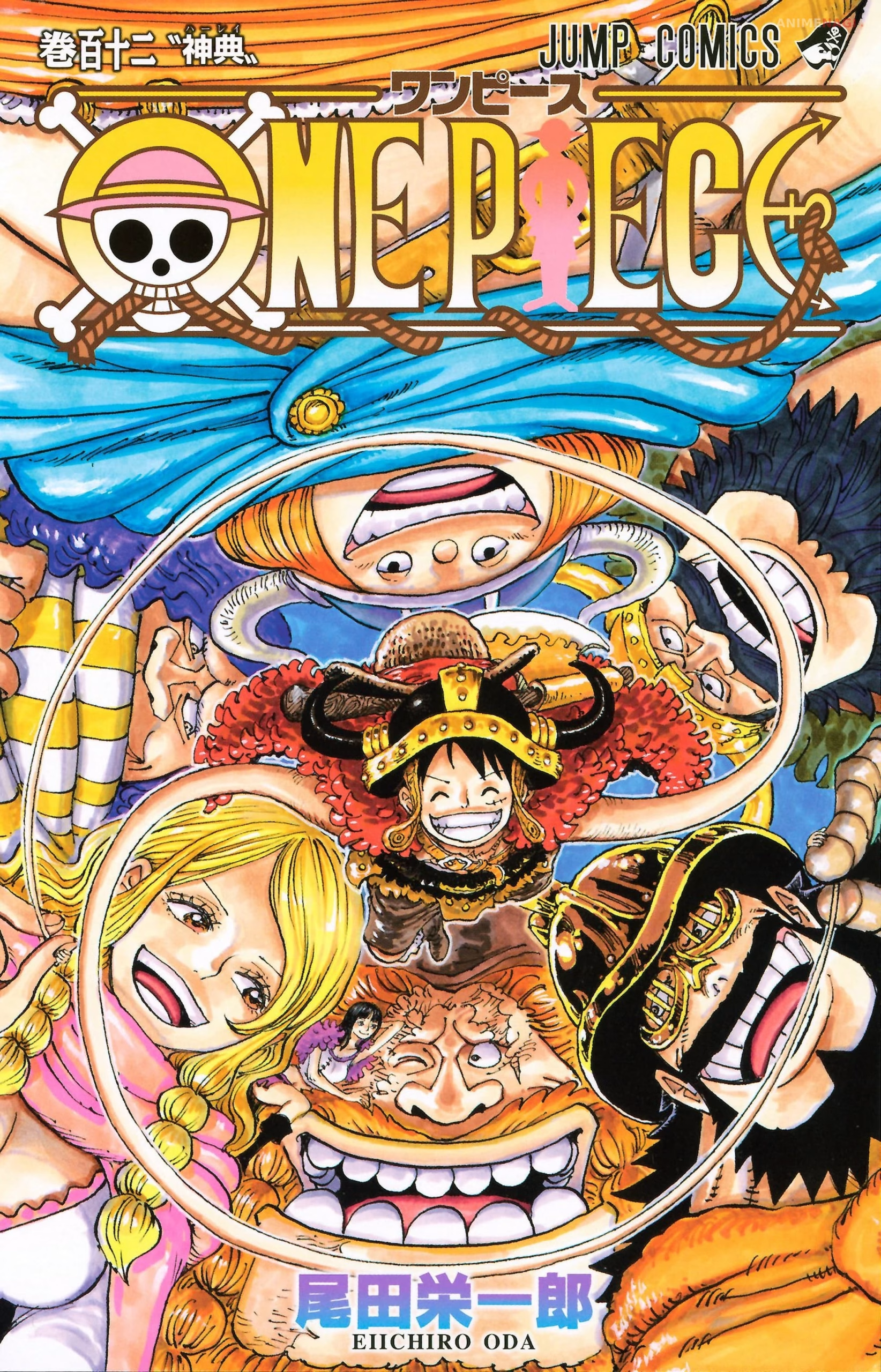
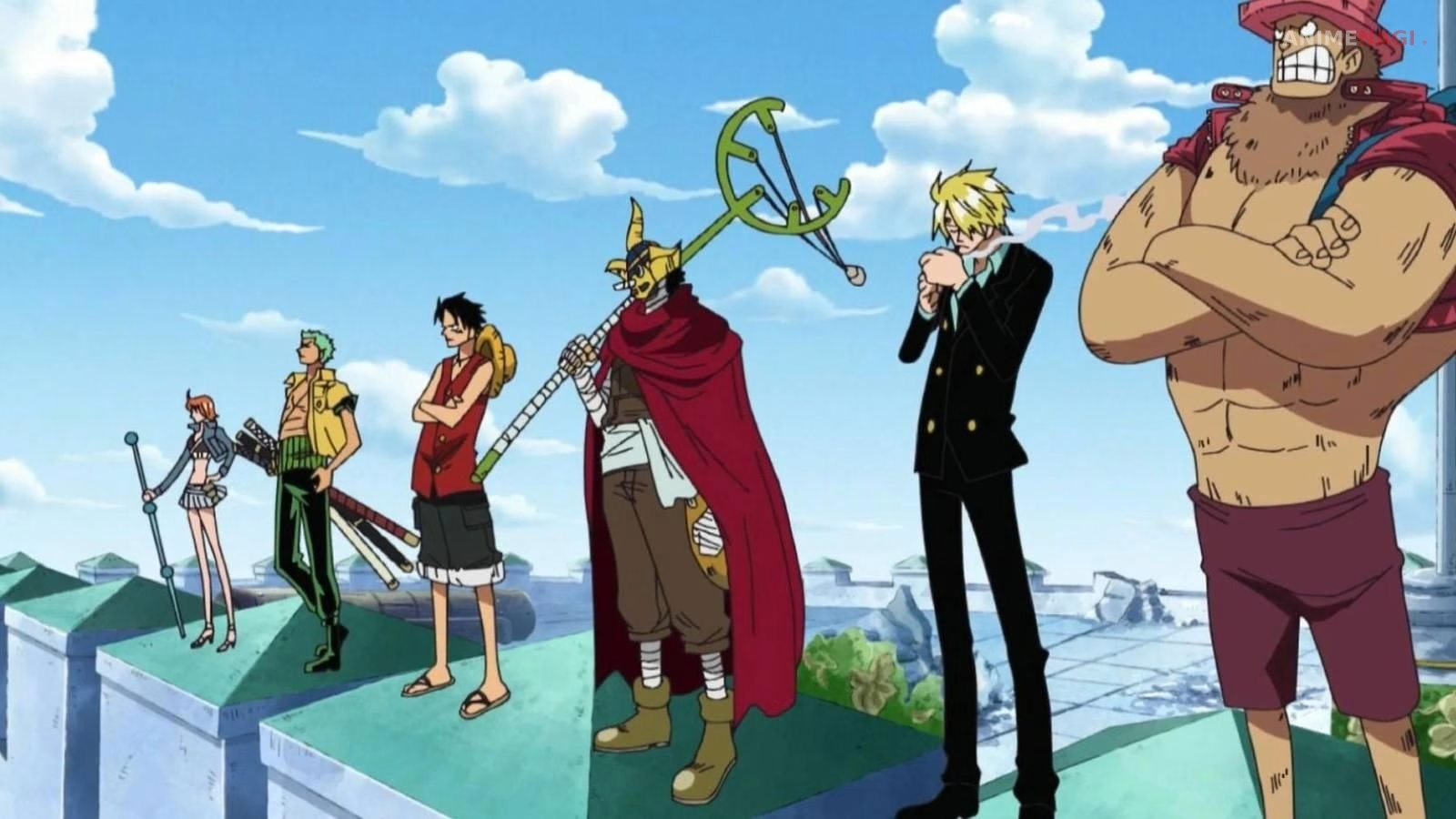
One Piece began serialization in Weekly Shonen Jump in 1997 and eventually became the longest-running member of the Big Three. Created by Eiichiro Oda, the series follows Monkey D. Luffy and the Straw Hat Pirates searching for the legendary treasure known as the One Piece.
What separated One Piece from many other shonen series was its worldbuilding. Every island felt culturally unique, and the series connected long-term mysteries across hundreds of chapters. Fans became deeply invested in the world’s politics, hidden history, and interconnected storylines.
The emotional storytelling also became one of the franchise’s defining strengths. Arcs like Enies Lobby, Marineford, and Wano combined action with powerful character-driven drama. Over time, One Piece developed a reputation for balancing comedy, adventure, tragedy, and mystery better than almost any other long-running anime.
Although One Piece initially struggled more internationally compared to Naruto, its popularity exploded globally during the streaming era. Today, it is considered one of the biggest entertainment franchises in the world and remains active decades after its debut.
Why Naruto Connected So Strongly With International Fans
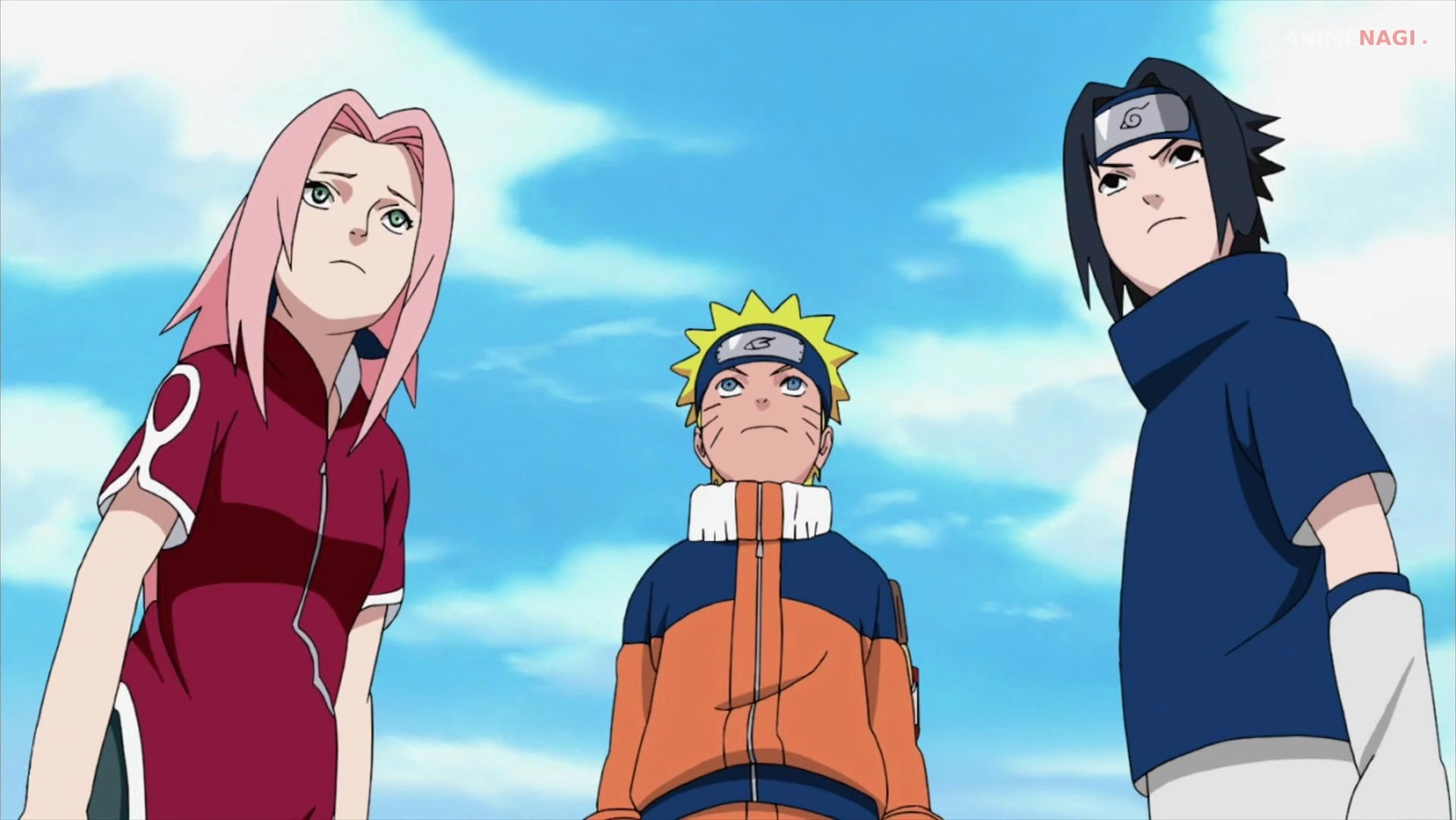
Naruto debuted in Weekly Shonen Jump in 1999 and quickly became one of the most internationally successful anime ever made. Created by Masashi Kishimoto, the story follows Naruto Uzumaki, a lonely ninja striving to become Hokage and earn his village’s respect.
Naruto resonated strongly with global audiences because of its emotional accessibility. The themes of loneliness, friendship, rivalry, rejection, and perseverance were easy for viewers worldwide to connect with emotionally. Many fans saw themselves in Naruto’s struggle to gain recognition and overcome isolation.
The rivalry between Naruto and Sasuke also became one of anime’s most iconic relationships. Their conflict blended friendship, jealousy, ideology, and emotional trauma in a way that kept viewers invested for years. This emotional core helped Naruto maintain massive popularity throughout its run.
Another reason for Naruto’s international success was its relatively easy entry point. Compared to One Piece’s massive worldbuilding and political storytelling, Naruto’s structure felt simpler and more immediately understandable for new anime viewers. This accessibility helped it dominate Western anime culture during the 2000s.
Why Bleach Stood Out From Other Shonen Anime
Bleach entered Weekly Shonen Jump in 2001 and completed the Big Three lineup. Created by Tite Kubo, the series follows Ichigo Kurosaki after he gains Soul Reaper powers and becomes involved in battles involving spirits, Hollows, and Soul Society.
Bleach distinguished itself through style and atmosphere. Tite Kubo’s artwork, character designs, and fashion-inspired aesthetics gave the series a unique visual identity compared to Naruto and One Piece. Characters like Ichigo, Rukia, Byakuya, and Aizen became instantly recognizable within anime culture.
The Soul Society arc especially elevated Bleach into global popularity. Many fans still consider it one of the greatest shonen arcs ever created because of its pacing, large cast, and escalating battles. The arc helped establish Bleach as a true equal alongside Naruto and One Piece during the mid-2000s.
Bleach also influenced later anime through its stylish combat systems and sword-based battles. Modern shonen series frequently borrow visual and thematic ideas that Bleach popularized. Even after the anime originally ended, the Thousand-Year Blood War adaptation revived global interest in the franchise again.
Why the Big Three Defined an Entire Generation
The Big Three defined a generation because they arrived during anime’s global explosion outside Japan. Before streaming became dominant, many fans discovered anime through television broadcasts, DVDs, online forums, and fan-sub communities. Naruto, Bleach, and One Piece became the center of that experience for millions of viewers.
These anime also normalized long-form storytelling for mainstream audiences. Instead of short seasonal formats, the Big Three featured sprawling narratives with hundreds of episodes and long-term character growth. Fans spent years growing alongside these characters, creating unusually deep emotional investment.
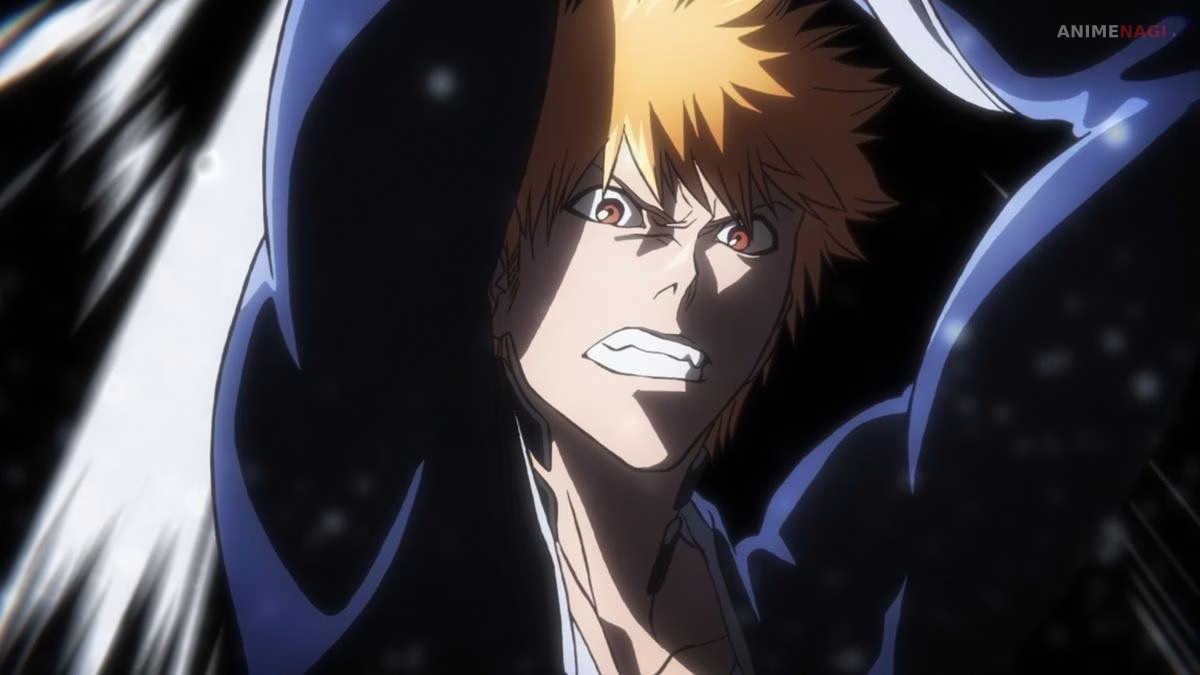
Another major factor was community culture. Online anime discussions during the 2000s were heavily centered around debates involving the Big Three. Fans constantly argued about which series had the best fights, villains, worldbuilding, or protagonists. That rivalry helped strengthen the cultural identity of anime fandom during the era.
The influence extended beyond anime itself. Video games, merchandise, cosplay, conventions, and internet culture all exploded alongside the popularity of the Big Three. These series became major gateways that introduced global audiences to broader Japanese pop culture.
Why There May Never Be Another “Big Three”
Many fans debate whether modern anime can create a “new Big Three.” Series like Jujutsu Kaisen, Demon Slayer: Kimetsu no Yaiba, and My Hero Academia are often mentioned in these discussions. However, many analysts and fans argue that the original Big Three represented a unique historical moment that cannot truly be recreated.
One major reason is the modern anime terrain itself. Today, streaming platforms release huge numbers of anime every season, which divides audience attention across many titles. During the 2000s, fewer globally dominant anime existed simultaneously, allowing Naruto, Bleach, and One Piece to dominate conversation more completely.
The viewing experience has also changed. Modern fans often binge-watch anime through streaming services rather than following weekly television broadcasts over many years. This creates a different relationship with fandom culture compared to the Big Three era.
Another important factor is longevity. Naruto, Bleach, and One Piece ran for years simultaneously while maintaining enormous popularity. Very few modern series have matched that combination of duration, timing, and worldwide influence at the same level.
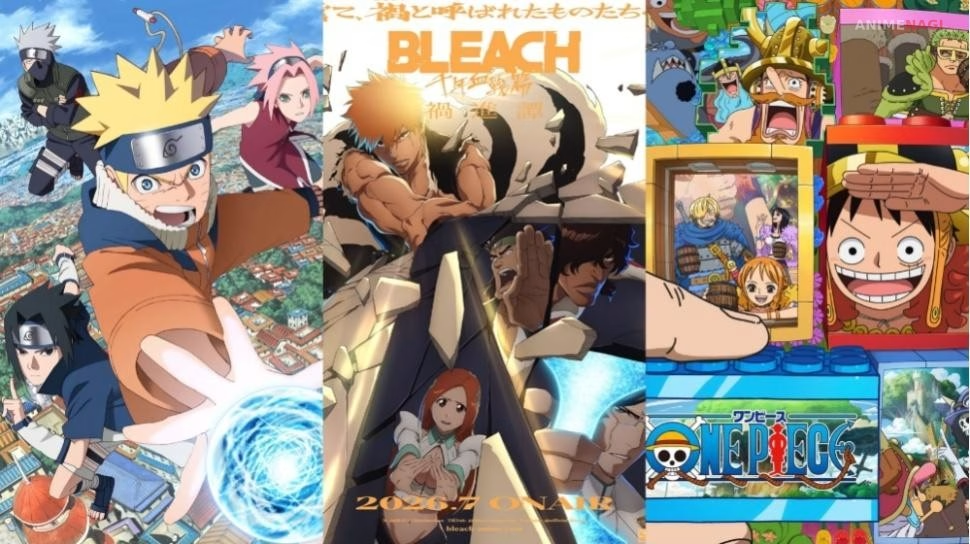
How the Big Three Changed Anime Forever
The Big Three permanently changed anime’s global reputation. Before their rise, anime was still considered niche entertainment in many countries. Naruto, Bleach, and One Piece helped transform it into mainstream global media consumed by millions worldwide.
These series also influenced nearly every modern battle shonen that followed. Themes like friendship, perseverance, escalating power systems, rivalries, and emotionally driven combat became central expectations for the genre partly because of the Big Three’s success.
Most importantly, the Big Three created a shared cultural experience for anime fans across different countries and generations. Millions of viewers watched Naruto chase his dream of becoming Hokage, followed Ichigo protecting Soul Society, and sailed alongside Luffy searching for the One Piece.
That emotional connection is why the Big Three still matter decades later. They were not simply successful anime, but cultural phenomena that shaped how an entire generation experienced anime itself.
Another key reason the Big Three remain relevant today is their lasting impact on modern storytelling standards in anime. Many current shonen series still follow structural elements that Naruto, Bleach, and One Piece helped popularize, including long-term character arcs, layered villains, and evolving power systems.
Even newer hits often get compared directly to the Big Three when measuring success or influence, showing how deeply they shaped audience expectations. Beyond storytelling, they also created lifelong fans who continue supporting anime across generations. This long-term cultural footprint is what separates the Big Three from regular hit series, making them enduring pillars of anime history.