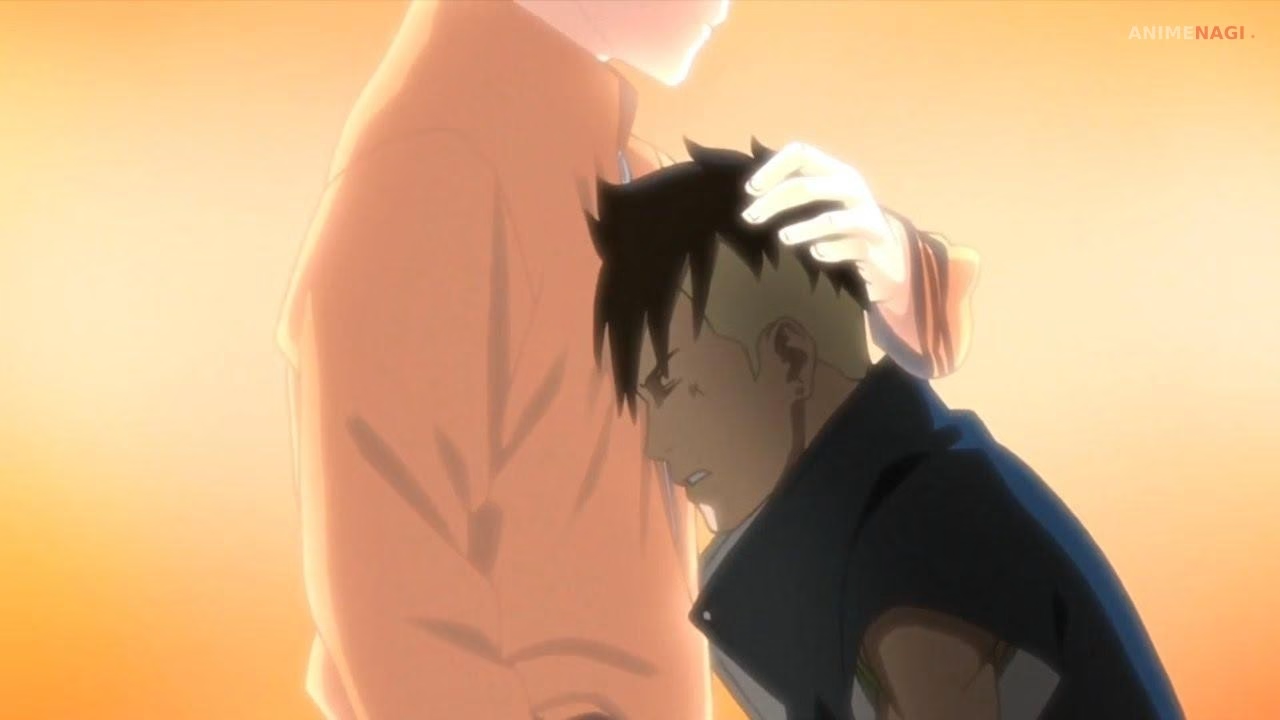
One of the most emotional and controversial relationships in Boruto: Naruto Next Generations is the bond between Naruto Uzumaki and Kawaki. From the moment Kawaki arrives in the Hidden Leaf Village, Naruto goes out of his way to protect him despite the danger surrounding the boy. This decision confuses many characters in the series because Kawaki is connected to Kara, carries the mysterious Karma seal, and becomes a target for some of the strongest enemies in the world. Yet Naruto repeatedly risks his own life to keep himself safe.
The reason behind Naruto’s actions goes far deeper than political responsibility or Hokage duty. Naruto sees himself in Kawaki and recognizes the pain, loneliness, and abuse the boy endured growing up. Over time, their relationship evolves into one of Boruto’s emotional foundations, transforming Kawaki from a traumatized outsider into someone who finally experiences the meaning of family. Understanding why Naruto protects Kawaki is essential to understanding the emotional core of Boruto itself.
Kawaki’s Childhood Explains Why Naruto Sympathizes With Him
Kawaki’s childhood was filled with abuse, neglect, and manipulation long before he ever met Naruto. His biological father treated him horribly and eventually sold him to Jigen, the leader of Kara. From that point onward, Kawaki was subjected to brutal experiments designed to turn him into Isshiki Otsutsuki’s future vessel.
Because of these experiences, Kawaki grew up without trust, affection, or emotional stability. He viewed relationships as temporary and believed people only valued him for his usefulness. Even basic kindness confused him because he had never experienced genuine care before.
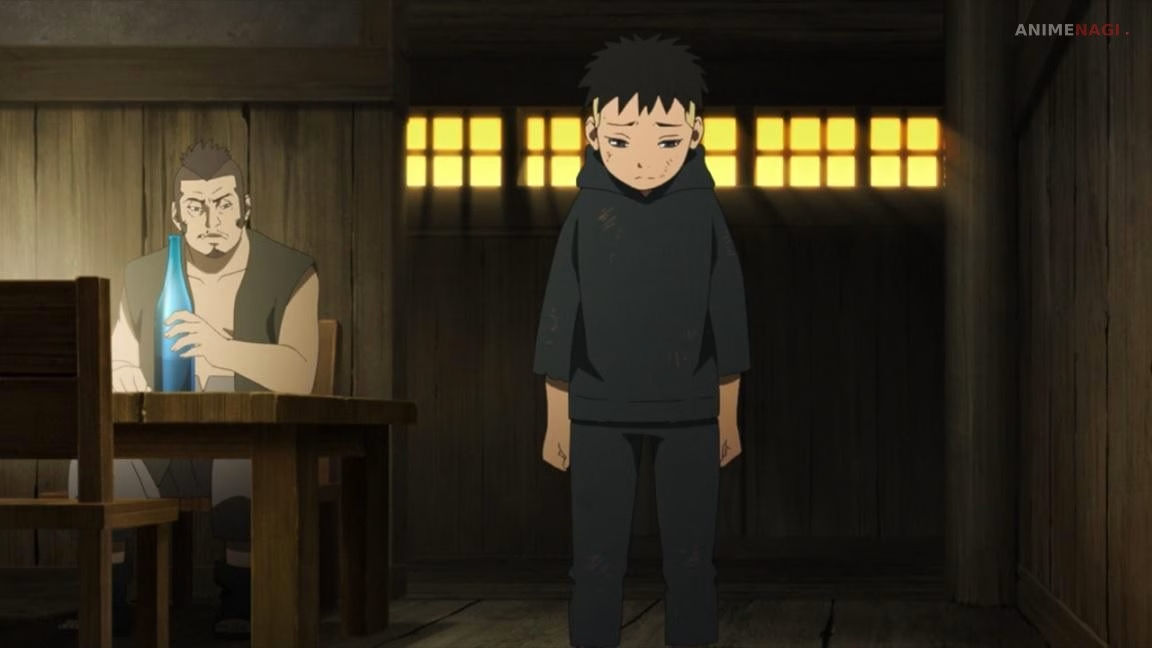
Naruto immediately notices these emotional scars after Kawaki arrives in the village. Rather than treating him like a dangerous weapon, Naruto treats him like a child who desperately needs support. This reaction is deeply connected to Naruto’s own childhood experiences as an orphan hated by the Hidden Leaf Village.
Naruto understands what isolation can do to a person better than almost anyone in the series. As a child, he was feared because of the Nine-Tails sealed inside him, just as Kawaki is feared because of Karma and Kara. That shared loneliness creates an instant emotional connection between them.
Instead of focusing only on Kawaki’s threat level, Naruto focuses on his humanity. He believes Kawaki deserves the same chance at acceptance that Iruka and others once gave him. This philosophy becomes the foundation of their relationship throughout Boruto.
Naruto Protects Kawaki Because He Believes Nobody Is Born Evil
One of Naruto’s defining traits throughout both Naruto and Boruto is his refusal to give up on people. Whether it was Gaara, Nagato, Obito, or Sasuke, Naruto consistently believed that even deeply damaged individuals could change if someone truly understood them.
Kawaki fits perfectly into this pattern. While other leaders might have imprisoned or isolated Kawaki immediately, Naruto saw a frightened child rather than an enemy. He recognized that most of Kawaki’s violent tendencies came from trauma and survival instincts rather than genuine cruelty.
This belief becomes especially important because Kara viewed Kawaki as an object rather than a person. Jigen constantly referred to him as a vessel and cared only about his usefulness for Isshiki’s resurrection. Naruto directly opposes this mindset by treating Kawaki like a member of his own family.
Naruto also understands how dangerous loneliness can become. He knows that abandoning Kawaki emotionally would only increase the chances of him turning hostile or falling back under Kara’s influence. By protecting and supporting him, Naruto hopes to give him a reason to choose a better path.
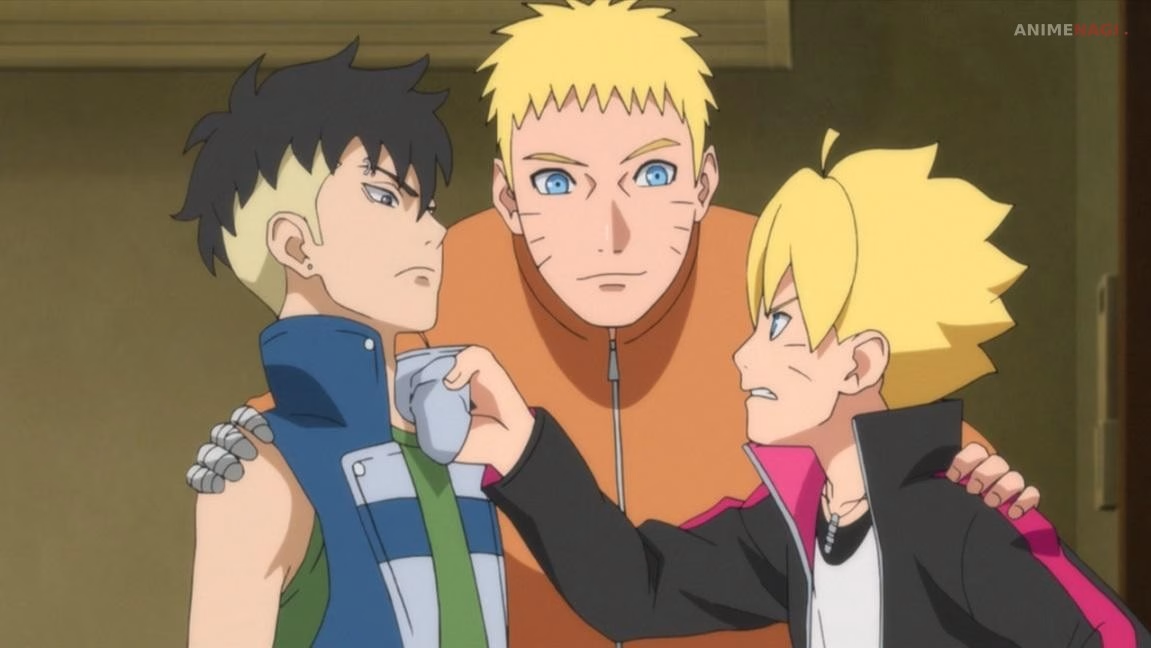
This approach reflects one of the franchise’s oldest themes: bonds can save people from darkness. Naruto believes emotional connection is stronger than fear-based control, and his relationship with Kawaki becomes another example of that philosophy.
Kawaki Slowly Begins Viewing Naruto as a Father
One of the biggest reasons Naruto continues protecting Kawaki is because their relationship evolves far beyond simple responsibility. Over time, Kawaki genuinely starts seeing Naruto as a father figure for the first time in his life.
At first, Kawaki struggles to understand the Uzumaki family dynamic. Simple acts like eating together, repairing Himawari’s vase, or being welcomed into the house feel strange to him because he never experienced a normal family environment. These smaller moments become emotionally important because they slowly break down his defensive walls.
Naruto’s parenting style also affects Kawaki deeply. Instead of controlling him through fear or punishment, Naruto gives him patience and trust. Even when Kawaki becomes angry or destructive, Naruto rarely responds with rejection.
This unconditional support changes Kawaki dramatically. He slowly becomes calmer, more caring, and more emotionally open as he spends time with the Uzumaki family. Eventually, protecting Naruto becomes Kawaki’s biggest personal motivation.
Ironically, this emotional attachment later contributes to Kawaki’s darker decisions. His fear of losing Naruto becomes so extreme that he eventually turns against Boruto and others in order to eliminate all Otsutsuki threats permanently.
Naruto Understands the Burden of Being a Vessel
Another major reason Naruto protects Kawaki is that he personally understands what it means to carry a dangerous power inside one’s body. As the jinchuriki of Kurama, Naruto spent most of his childhood being feared and isolated by society.
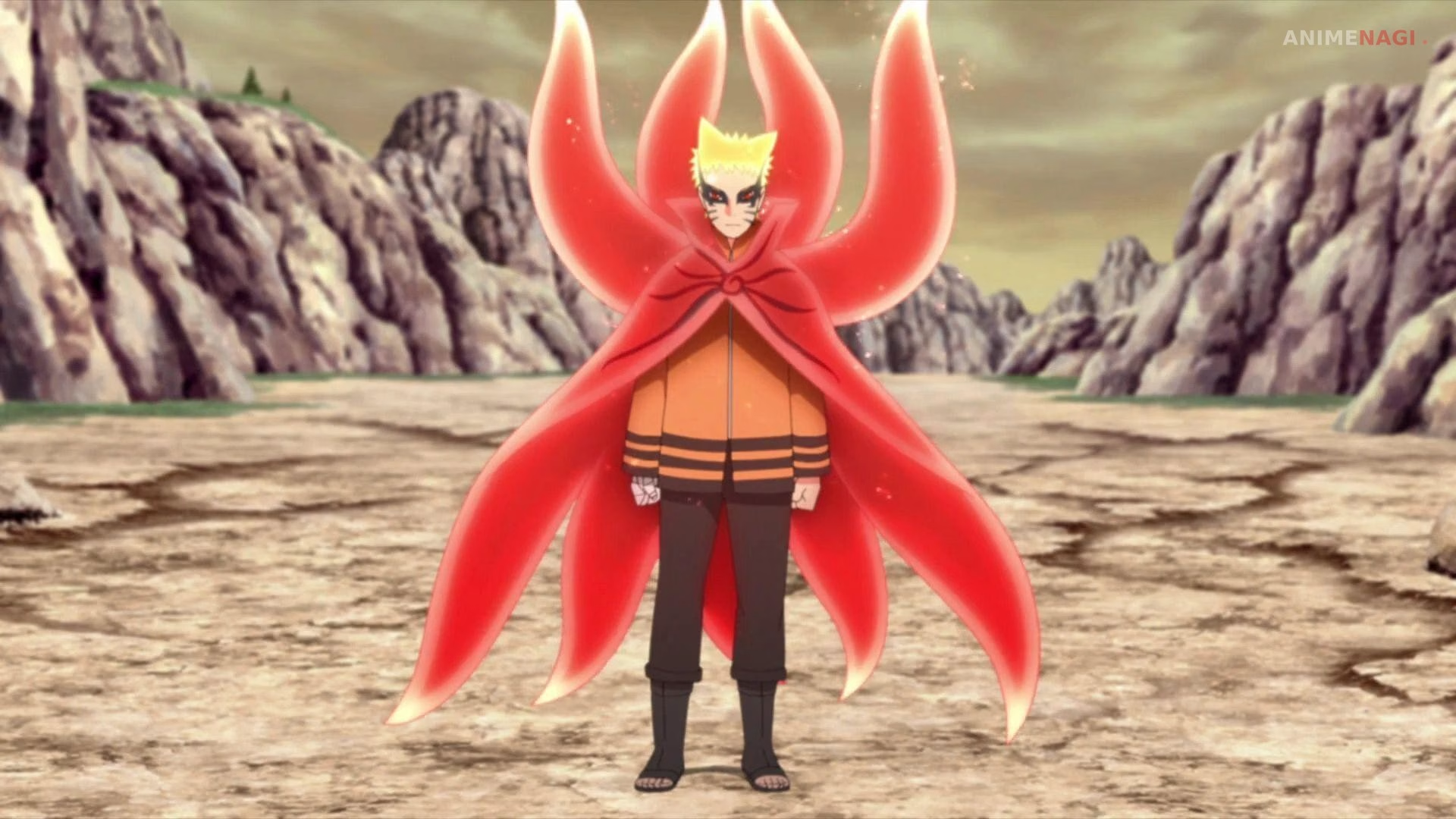
Kawaki experiences something very similar through Karma. The seal constantly threatens to overwrite his identity and transform him into Isshiki Otsutsuki completely. Like Naruto once feared losing control to the Nine-Tails, Kawaki fears losing himself entirely.
Because of this parallel, Naruto empathizes with Kawaki on a deeply personal level. He knows how terrifying it feels to have your body connected to a dangerous entity that others fear. Rather than judging Kawaki for Karma, Naruto tries to help him emotionally survive the burden.
Naruto’s experiences also taught him that people carrying dangerous powers are not automatically monsters. Kurama was once viewed as a symbol of destruction, yet Naruto eventually formed a genuine bond with him. This history shapes how Naruto approaches Kawaki’s situation.
Instead of seeing Karma as proof that Kawaki is dangerous, Naruto believes the boy still deserves compassion and support. This mindset separates him from characters who focus purely on the threat Kawaki represents.
The Hokage Also Has a Responsibility to Protect Kawaki
Although Naruto’s emotional connection to Kawaki is central to the story, his role as Hokage also influences his decision. Kawaki becomes one of Kara’s primary targets after escaping Jigen, meaning the Hidden Leaf Village is one of the few places capable of protecting him.
Naruto understands that if Kawaki falls back into Kara’s hands, Isshiki Otsutsuki could fully resurrect and threaten the entire world. Protecting Kawaki is therefore not just an emotional decision but also a strategic necessity.
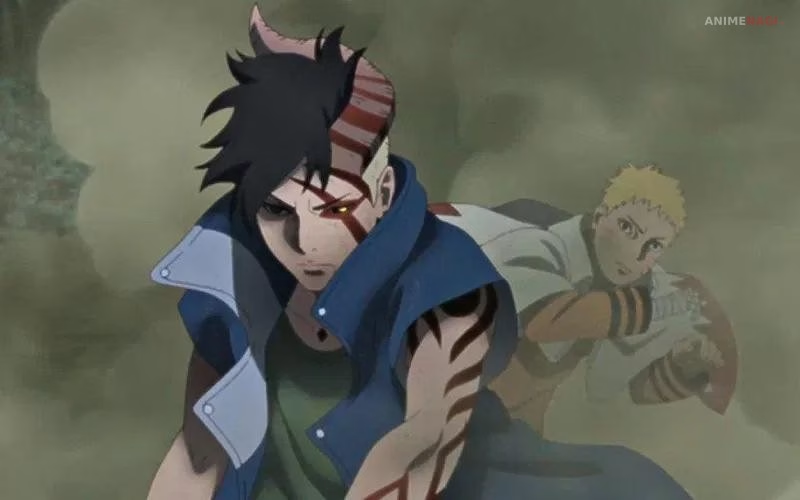
However, Naruto refuses to reduce Kawaki to a military asset. Unlike some political leaders who might prioritize containment over compassion, Naruto insists on treating Kawaki as a human being first. This balance between responsibility and empathy defines his leadership style throughout Boruto.
Naruto’s protection also creates stability for Kawaki psychologically. Since Kara spent years controlling him through fear, having someone consistently defend him helps rebuild his sense of trust and identity. This emotional recovery becomes crucial later in the story.
The series repeatedly shows that Naruto’s approach is effective. The more Kawaki experiences genuine care, the more protective and loyal he becomes toward the village and the Uzumaki family.
Kawaki’s Obsession With Naruto Changes Everything
As Boruto progresses, Kawaki’s attachment to Naruto becomes increasingly intense. While Naruto views Kawaki as family, Kawaki begins seeing Naruto as the single most important person in his life.
This obsession develops because Naruto gave Kawaki something nobody else ever did: unconditional acceptance. After years of abuse and exploitation, Kawaki becomes terrified of losing the one person who truly cared about him.
Eventually, Kawaki concludes that all Otsutsuki must die to guarantee Naruto’s safety permanently. Since Boruto becomes a full Otsutsuki vessel due to Momoshiki’s influence, Kawaki decides Boruto must also be eliminated.
This creates one of Boruto’s biggest tragedies. Naruto’s kindness successfully saved Kawaki emotionally, but that same emotional bond eventually pushes Kawaki toward extreme actions. He genuinely believes he is protecting Naruto even while destroying his own relationships.
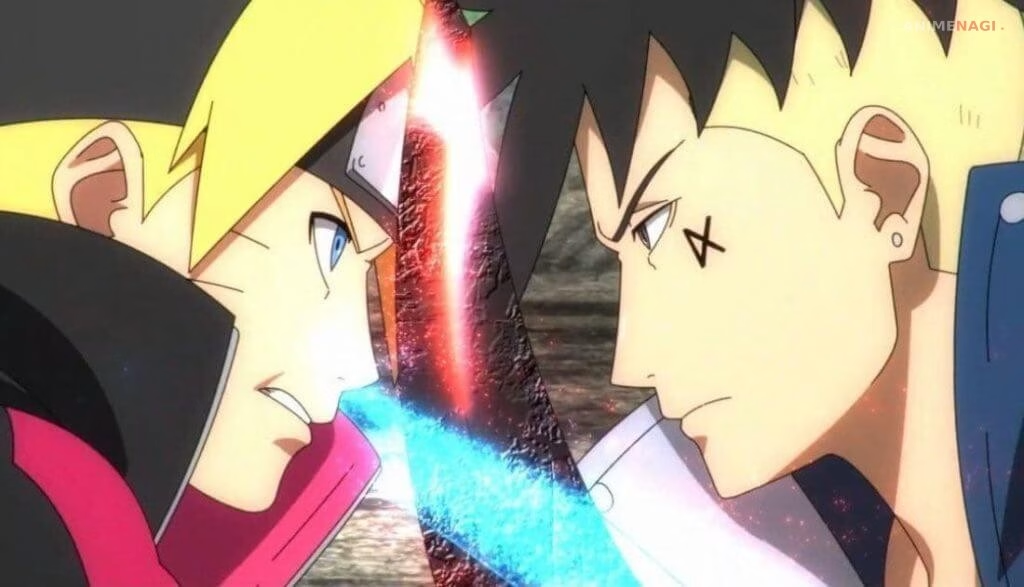
The complexity of this dynamic is part of what makes the relationship so important to the series. Naruto’s compassion changes Kawaki for the better, but it also creates emotional dependence that later spirals into obsession and fear.
Why Naruto Still Refuses to Abandon Kawaki
Even after Kawaki’s actions become increasingly dangerous, Naruto still struggles to abandon him emotionally. This reaction frustrates some characters, but it fits perfectly with Naruto’s personality across the franchise.
Naruto has always believed people can return from darkness if someone continues reaching out to them. He refused to abandon Sasuke despite years of violence and betrayal, and he applies that same mindset to Kawaki. Naruto understands that Kawaki’s actions come from fear, trauma, and desperation rather than pure malice.
There is also a parental aspect to Naruto’s feelings. Since Kawaki became part of the Uzumaki family, Naruto cannot emotionally separate himself from him easily. To Naruto, abandoning Kawaki would feel like abandoning his own son.
This emotional conflict becomes one of Boruto’s most painful themes. Naruto loves both Boruto and Kawaki deeply, yet the growing conflict between them forces impossible choices. His desire to protect both boys ultimately becomes harder and harder to maintain.
Even so, Naruto’s compassion remains central to the story. It is both his greatest strength and the source of some of the series’ biggest emotional conflicts.