Boruto Uzumaki’s journey to becoming a Genin in Boruto: Naruto Next Generations is far more meaningful than it initially appears. While the moment itself may seem straightforward, the events leading up to his graduation reveal important details about his character, abilities, and mindset. As the son of Naruto Uzumaki, expectations surrounding Boruto are naturally high, yet his attitude toward the ninja system is often rebellious and dismissive.
This contrast makes his Genin exam particularly interesting. Unlike Naruto, who struggled academically but possessed determination, Boruto is naturally talented but lacks discipline. His final exam becomes a test not just of skill but of growth and self-awareness. The way Boruto passes highlights his intelligence, his ability to think strategically, and his hidden potential as a shinobi.
Understanding how Boruto becomes a Genin requires a closer look at the academy system, the final test structure, and the key moment that proves he is ready to move forward as a ninja.
The Ninja Academy System in Boruto
The Ninja Academy in Boruto reflects a more peaceful era compared to Naruto’s generation. With fewer large-scale conflicts, the academy focuses on balanced training that includes both combat skills and academic knowledge.
Students are taught basic techniques such as the Transformation Jutsu, Clone Jutsu, and substitution techniques. They are also evaluated on teamwork, decision-making, and understanding of ninja responsibilities. This system ensures that graduates are well-rounded rather than purely battle-focused.
Boruto enters the academy with a natural advantage. As Naruto’s son, he has inherited strong chakra reserves and talent. However, his lack of seriousness often causes friction with teachers and classmates, particularly because he does not fully respect the effort required to become a ninja.
Before the final exam, Boruto is portrayed as highly skilled but unmotivated. He often skips studying, relies on shortcuts, and shows little interest in proving himself through traditional methods.
This attitude stems partly from his relationship with Naruto. Boruto resents his father’s absence due to his duties as Hokage, which influences how he views the ninja system. To him, becoming a ninja feels less like an honor and more like an obligation tied to expectations.
Despite this, Boruto’s natural talent is undeniable. He excels in practical exercises and demonstrates advanced control over techniques that other students struggle to master. This creates a situation where his ability is clear, but his mindset remains questionable.
What Is the Final Genin Exam?
The final Genin exam in Boruto is designed to test both technical skill and adaptability. One of the key components of this exam is the Clone Jutsu, a basic technique that requires students to create multiple copies of themselves.
Unlike Naruto, who struggled with the standard Clone Jutsu, Boruto has no difficulty performing it. However, the test is not just about execution. It also evaluates how effectively students can use their abilities in a practical scenario.
In some versions of the exam, students are placed in simulated combat situations or evaluated through sparring matches. These tests measure their ability to apply techniques under pressure, which is a crucial aspect of being a shinobi. For Boruto, the exam becomes an opportunity to demonstrate not just skill but also creativity.
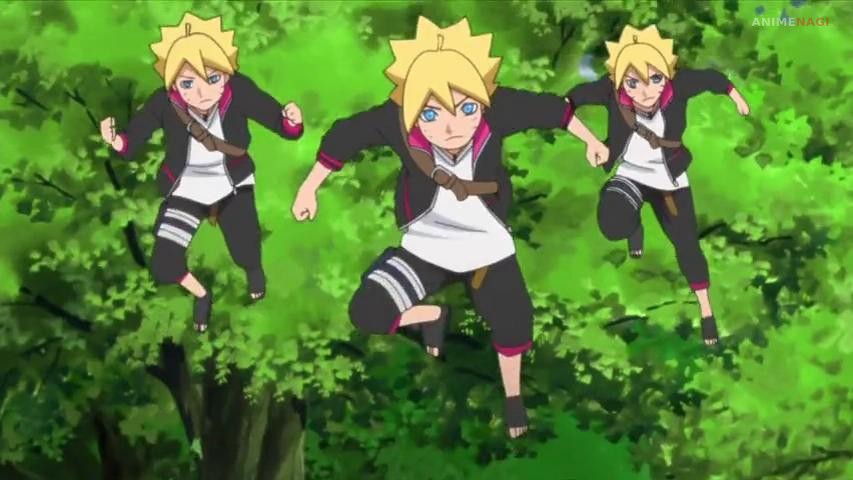
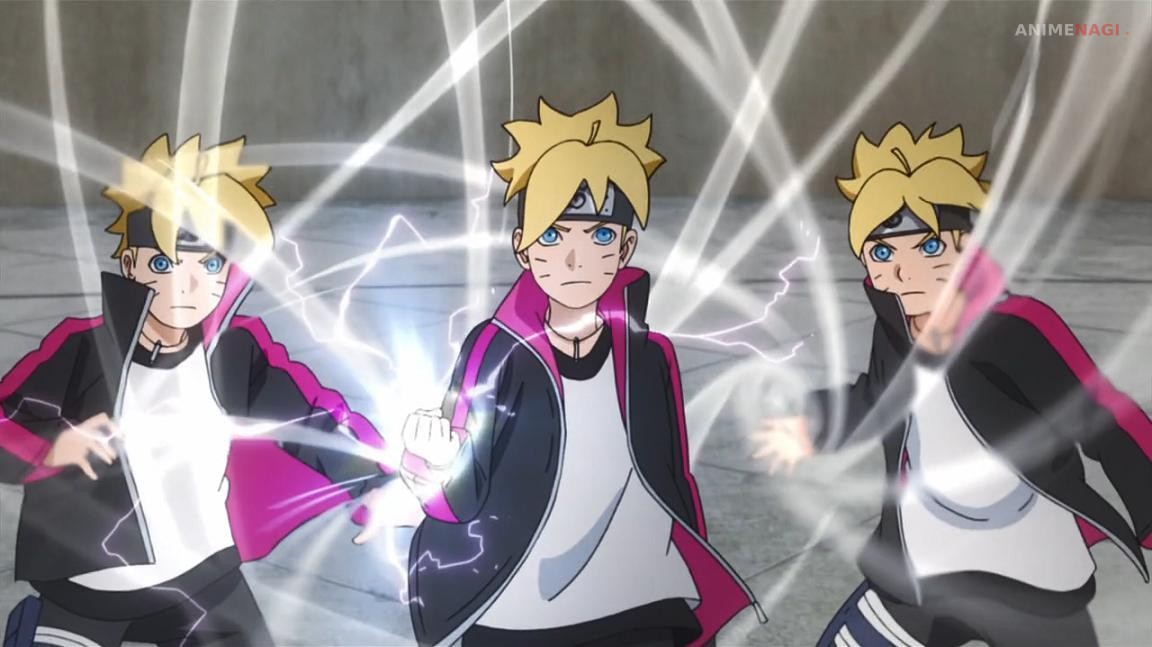
One of the most important aspects of Boruto’s success is his use of the Shadow Clone Jutsu. While the standard Clone Jutsu creates illusions, the Shadow Clone Jutsu produces physical copies that can act independently.
Boruto’s ability to use shadow clones at a young age sets him apart from his peers. This technique requires significant chakra control, which Boruto possesses naturally due to his lineage.
During the exam, Boruto uses his clones strategically rather than simply meeting the minimum requirement. He demonstrates an understanding of how clones can be used for deception, coordination, and multitasking.
This approach reflects a key difference between Boruto and Naruto. While Naruto relied on sheer determination to master shadow clones, Boruto uses them with precision and efficiency from the start.
The Role of Strategy in Boruto’s Success
Boruto’s success in the final exam is not just about his ability to perform techniques but also about how he uses them. He approaches challenges with a problem-solving mindset, often finding unconventional solutions.
This strategic thinking becomes evident during evaluations where students must react to dynamic situations. Boruto does not simply follow instructions but adapts based on what is happening around him.
His ability to think ahead and anticipate outcomes gives him an edge over other students. This is particularly important in a test designed to simulate real ninja missions, where adaptability is crucial.
By combining technical skill with strategic awareness, Boruto proves that he is capable of handling the responsibilities of a Genin.
The comparison between Boruto and Naruto during their respective Genin exams highlights the generational shift in the series. Naruto struggled with basic techniques and relied heavily on perseverance to succeed.
In contrast, Boruto begins with a high level of competence. He does not face the same technical challenges but instead must overcome his own lack of motivation and discipline.
This difference changes the nature of his test. For Naruto, the challenge was proving he could perform at all. For Boruto, the challenge is proving that he takes the role seriously.
The exam ultimately shows that while Boruto’s path is different, it is no less significant. His growth comes from learning to apply his abilities with purpose rather than simply relying on talent.
The Key Moment That Proves Boruto Is Ready
The defining moment of Boruto’s Genin exam is not a single technique but the way he approaches the test as a whole. He demonstrates control, awareness, and the ability to adapt under pressure.
This moment convinces his instructors that he is ready to move forward as a shinobi. It is not just about passing the test but about showing that he understands what it means to be a ninja.
Boruto’s performance reflects a balance between natural talent and learned discipline. While he still has room to grow, the exam proves that he has the foundation needed to succeed.
This recognition marks an important turning point in his character development.
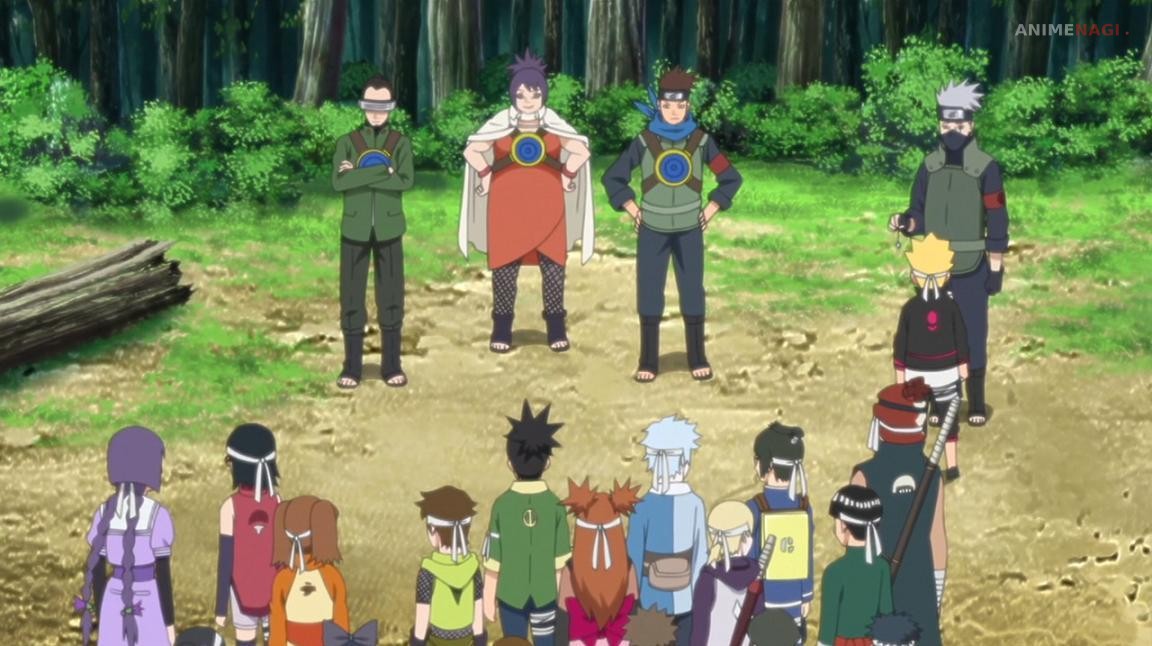
Becoming a Genin is more than just a rank. It represents the beginning of a ninja’s journey into real missions and responsibilities. For Boruto, it also marks the start of his growth as an individual.
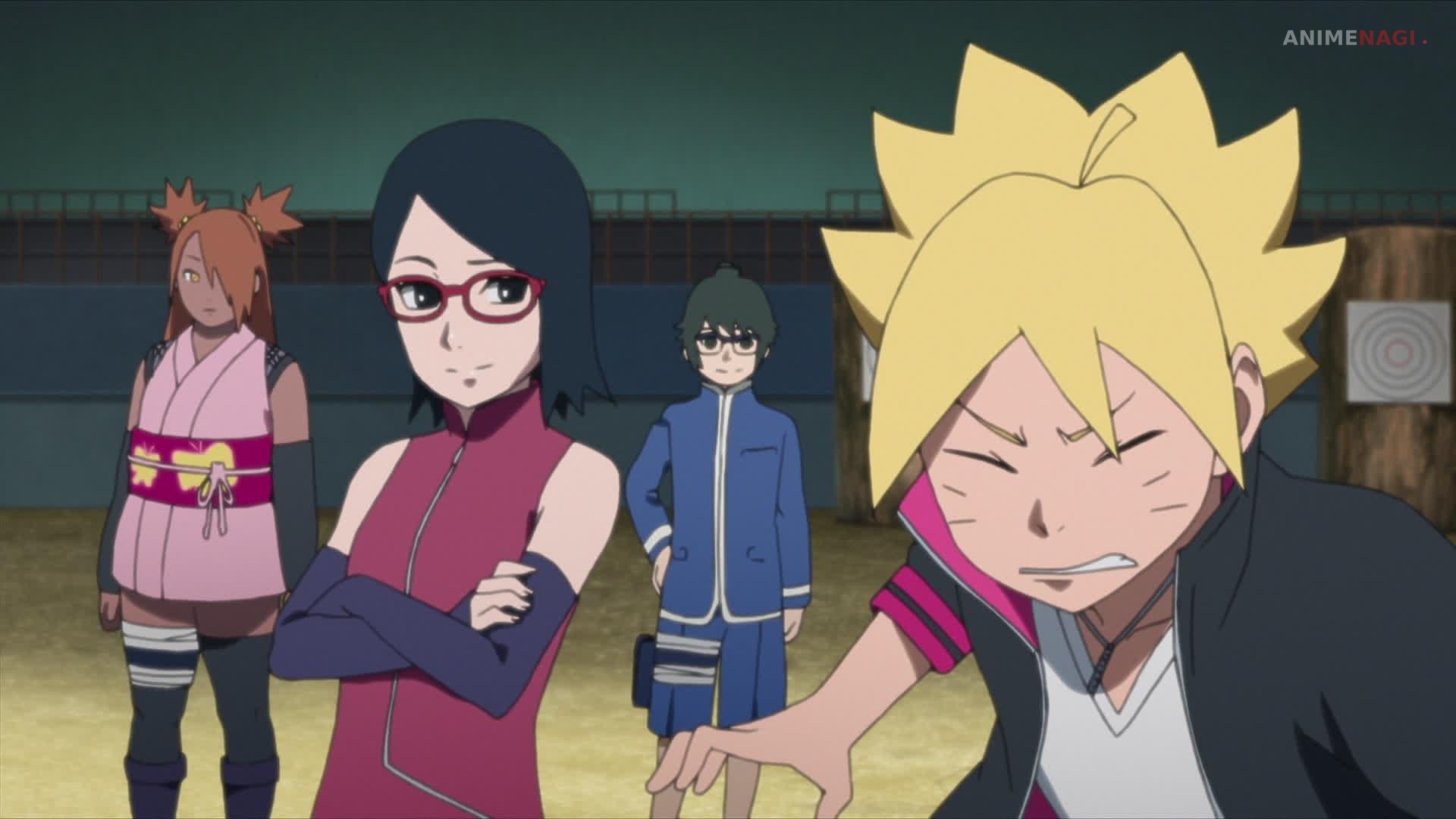
After passing the exam, Boruto is assigned to Team 7 alongside Sarada Uchiha and Mitsuki, under the leadership of Konohamaru. This team dynamic plays a crucial role in shaping his development.
The transition from academy student to Genin exposes Boruto to real challenges that cannot be solved through shortcuts. It forces him to confront his weaknesses and grow as both a fighter and a person.
This stage of his journey sets the foundation for future arcs and character evolution.
Why Boruto’s Exam Matters in the Bigger Story
Boruto’s Genin exam may seem like a small moment, but it carries significant weight in the broader narrative. It establishes his starting point and highlights the themes that define his character.
The exam emphasizes the importance of balance between talent and effort. It also sets up Boruto’s ongoing struggle with identity, expectations, and his relationship with Naruto.
By passing the exam in his own way, Boruto begins to carve out his own path rather than simply following in his father’s footsteps. This distinction is central to the series’ message.
The moment also reinforces the idea that being a ninja is not just about power but about responsibility and growth.
Boruto becomes a Genin by combining natural talent with strategic thinking and adaptability. His use of shadow clones, understanding of techniques, and ability to react under pressure allow him to pass the final exam with confidence.
Unlike Naruto, whose journey was defined by overcoming limitations, Boruto’s challenge lies in learning to use his abilities with purpose. The Genin exam serves as the first step in this process.

By the end of the test, Boruto proves that he is more than just a gifted student. He demonstrates the potential to grow into a capable and responsible shinobi.
This moment marks the true beginning of his journey, setting the stage for everything that follows in Boruto: Naruto Next Generations.
Boruto’s success in the Genin exam also reflects how the shinobi world itself has evolved since Naruto’s era. In a time of relative peace, the expectations placed on young ninjas have shifted from survival-based combat to adaptability, intelligence, and teamwork.
Boruto benefits from this system, as it allows his natural talent to shine without the same level of hardship Naruto faced. However, this also creates a different kind of challenge, where emotional maturity and responsibility become just as important as strength. His performance in the exam shows that while he may not fully understand the weight of being a ninja yet, he has the foundation to grow into that role.
Another important aspect of Boruto passing the exam is how it sets up his future reliance on teamwork. While his individual skills are impressive, the Genin stage introduces him to missions that require coordination with others.