

One of the most fascinating moments in Black Clover occurs during the Spade Kingdom arc when Asta attempts the Devil Binding Ritual under the supervision of Nacht Faust. Up until that point, Nacht had successfully formed contracts with multiple devils using a strict system of domination and submission. Naturally, he expected Asta to follow the same process with the devil residing inside his grimoire, Liebe.
However, the ritual immediately takes an unexpected turn. Instead of ending with Asta defeating and enslaving his devil, the ceremony reveals a completely different relationship between the two. This moment not only changes Asta’s future as a Devil Host but also highlights one of the series’ most important themes: cooperation over control.
For many fans, the Devil Binding Ritual raises an important question. Why does Nacht’s proven contract system fail with Asta when it worked for every other Devil Host? The answer lies in Liebe’s history, Asta’s personality, and the fundamental difference between their bond and every other devil contract seen in Black Clover. The manga and anime make it clear that Asta’s situation is unique, which is exactly why the traditional ritual could never succeed.
What Is the Devil Binding Ritual in Black Clover?
The Devil Binding Ritual is an ancient ceremony used to establish a formal contract between a human and a devil. The process is explained by Nacht during the Spade Kingdom arc after Asta begins training to control his Anti-Magic powers. According to Nacht, the ritual allows a human to force a devil into submission and gain access to its power.
The ceremony creates a battlefield-like space where the host must confront the devil directly. If the human wins, the devil becomes subordinate and is required to obey the contract’s conditions. This arrangement is based entirely on dominance. The human establishes authority, while the devil serves as a source of power.
Nacht himself is the perfect example of this system. He possesses contracts with several devils, including Gimodelo, Plumede, Slotos, and Walgner. His relationships with these devils are built on hierarchy rather than friendship. The devils cooperate because they are bound by contractual obligations.

From Nacht’s perspective, this approach is logical. Devils are generally considered dangerous and selfish beings from the underworld. Giving them freedom or equal status could create unnecessary risks. As a result, the Devil Binding Ritual was designed around control rather than mutual trust.
Who Is Liebe and Why Is He Different From Other Devils?
The biggest reason the ritual fails is that Liebe is unlike nearly every devil introduced in the series. While most devils gain strength through status, mana, or social hierarchy within the underworld, Liebe was born without magic power.
This lack of power made him an outcast among devils. He was constantly abused and mocked by stronger demons. Rather than becoming cruel because of this treatment, Liebe developed empathy after encountering Licita, Asta’s adoptive mother.
Licita discovered Liebe after he was thrown out of the underworld. Instead of fearing him, she welcomed him into her home and treated him like family. For the first time in his life, Liebe experienced kindness and acceptance.
When the high-ranking devil Lucifero indirectly caused Licita’s death, Liebe’s overwhelming grief turned into a desire for revenge. From that moment onward, his goal became defeating the devils responsible for his suffering. This motivation already separated him from typical devils who often seek power or domination.
By the time Asta encounters him during the ritual, Liebe is not interested in controlling humans. He carries anger toward devils and shares many of the same values that define Asta’s character. Their similarities make a traditional master-servant contract fundamentally incompatible.
Why Nacht Expected Asta to Defeat Liebe
Nacht approaches Asta’s training from years of personal experience. He understands devils as dangerous creatures that must be controlled. His own contracts reinforce this worldview because every partnership he has formed relies on authority and discipline.
As a result, Nacht believes Asta must defeat Liebe to unlock his true potential. From a practical standpoint, this makes sense. A defeated devil would provide power without creating uncertainty. The host would remain firmly in control of the relationship.

Nacht also does not initially understand Liebe’s history. To him, Liebe appears to be another devil that requires subjugation. He sees no reason why Asta’s ritual should differ from the established process.
This misunderstanding becomes apparent during the ceremony. Nacht assumes victory will automatically result in a standard contract. Instead, he witnesses something that challenges his entire understanding of Devil Hosts.
The ritual does not fail because Asta lacks strength. It fails because the assumptions behind the ritual do not apply to Liebe.
Why Asta Refuses to Follow the Traditional Contract System
After defeating Liebe during the ritual, Asta reaches a critical decision. Rather than forcing Liebe into servitude, he offers him an equal partnership.
This choice reflects Asta’s character throughout the series. Asta consistently refuses to judge people based on race, social status, origin, or reputation. Whether dealing with commoners, nobles, elves, or former enemies, he evaluates individuals based on their actions.
When Asta learns about Liebe’s tragic past, he recognizes someone who has suffered in much the same way he has. Both were born without the power society expected them to possess. Both faced discrimination and ridicule because of circumstances beyond their control.
Asta understands that forcing Liebe into slavery would contradict everything he believes in. Even though the ritual gives him the right to dominate the devil, he rejects that path entirely.
Instead, he tells Liebe that they should fight together as equals. This offer shocks everyone involved because it directly opposes the purpose of the Devil Binding Ritual.
The moment demonstrates one of Asta’s defining strengths. He gains loyalty through respect rather than authority. Where others seek control, Asta seeks understanding.
The Equal Contract Between Asta and Liebe
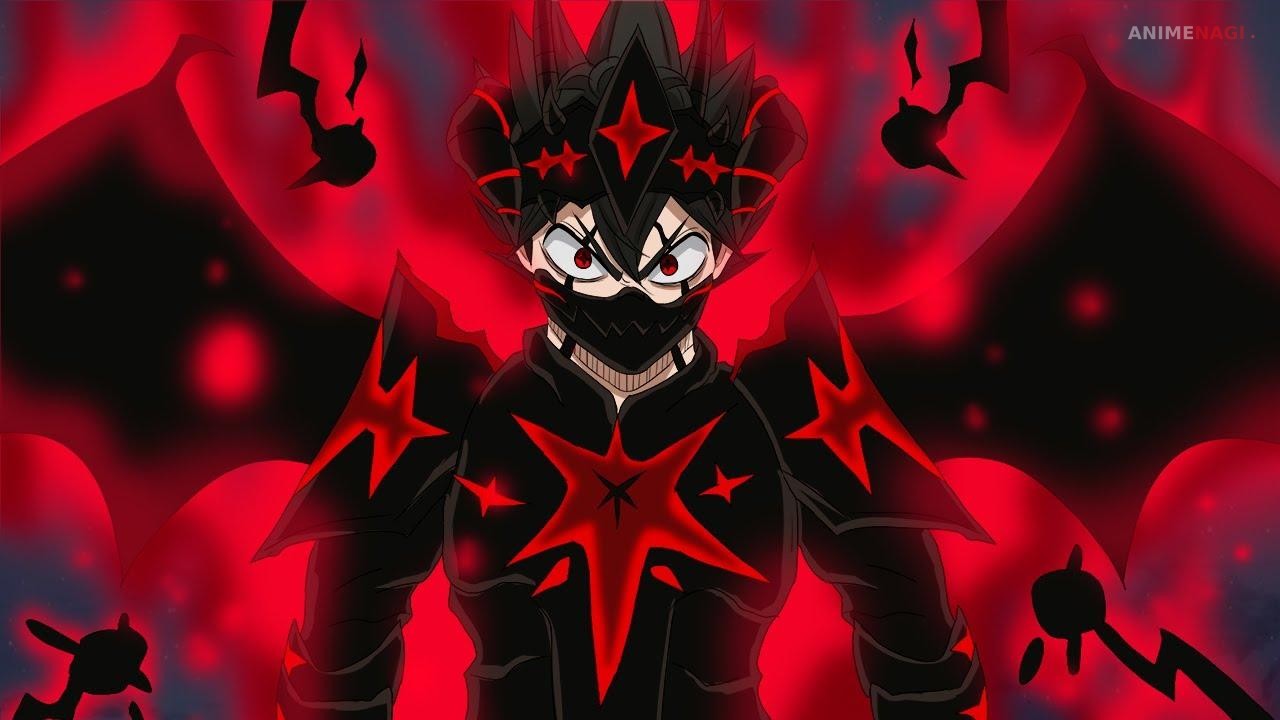
Following the ritual, Asta and Liebe establish what is essentially an equal contract. Rather than creating a hierarchy, the agreement forms a partnership based on mutual trust.
This distinction becomes extremely important during later battles. Because neither side is being forced to cooperate, their synchronization improves dramatically over time. They willingly share power and coordinate their actions.
The relationship also allows both characters to grow emotionally. Liebe gradually moves beyond his obsession with revenge, while Asta gains a deeper understanding of the burdens carried by devils and Devil Hosts.
Unlike traditional contracts, their bond is not maintained through fear or obligation. It survives because both individuals genuinely want to support each other.
This dynamic becomes the foundation of Devil Union, one of the strongest abilities introduced in Black Clover. The technique requires perfect harmony between host and devil, something that would be difficult to achieve through coercion alone.
In many ways, Asta’s success proves that cooperation can be more powerful than domination.
How Devil Union Proves Nacht Was Wrong
The strongest evidence against Nacht’s contract philosophy arrives when Asta masters Devil Union. This transformation represents complete synchronization between Asta and Liebe, allowing them to combine their abilities into a single fighting force.
Initially, Nacht doubts whether an equal partnership can produce results comparable to traditional contracts. However, Asta’s achievements quickly prove otherwise. Devil Union grants power capable of challenging supreme devils and confronting threats beyond the reach of most Magic Knights.
The effectiveness of Devil Union suggests that trust creates a stronger connection than forced obedience. Because Liebe willingly contributes his power, the flow of Anti-Magic becomes more natural and efficient.
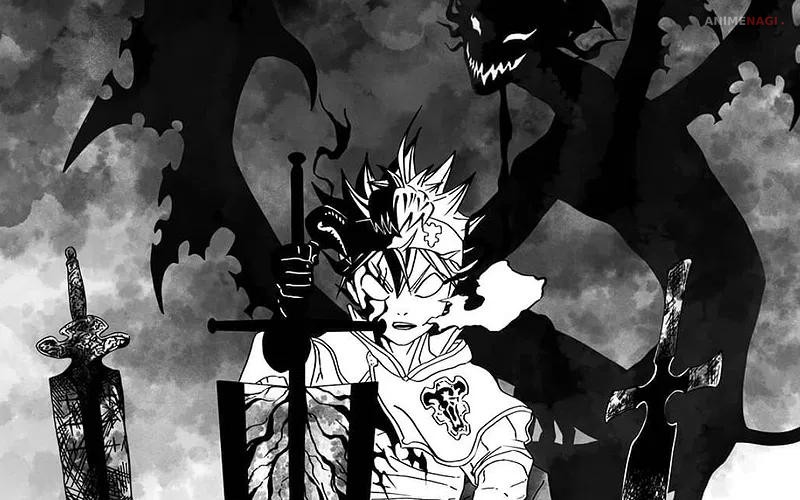
Nacht eventually acknowledges this reality. While he never abandons his own methods, he recognizes that Asta’s approach is producing extraordinary results. The success of Devil Union forces him to reconsider assumptions he had accepted for years.
This realization is important because it reflects a recurring theme within the story. Progress often comes from challenging established traditions rather than blindly following them.
The Symbolic Meaning Behind the Failed Ritual
The Devil Binding Ritual carries deeper symbolic significance beyond its practical purpose. At its core, the scene represents a clash between two philosophies.
Nacht’s worldview is shaped by tragedy, guilt, and distrust. He believes power requires control because he has witnessed the consequences of recklessness. His contracts reflect that perspective.
Asta represents the opposite approach. He believes people deserve opportunities regardless of their origins. Instead of controlling others, he tries to understand them.
The ritual’s failure symbolizes the rejection of old assumptions. It challenges the idea that devils are inherently evil and incapable of meaningful relationships. Through Liebe, the story demonstrates that individuals should be judged by their choices rather than their species.
This message aligns closely with other major storylines in Black Clover. The series repeatedly explores prejudice against commoners, foreigners, elves, and devils. In each case, understanding ultimately proves more valuable than discrimination.
The failed ritual is therefore not actually a failure. It is a deliberate rejection of a flawed system.
Why Asta and Liebe’s Bond Is Unique in Black Clover
Even among Devil Hosts, Asta and Liebe stand apart. Most contracts are transactional relationships where both parties exchange power for benefits. While cooperation exists, equality is rarely present.
Asta and Liebe share something much deeper. They are two individuals who spent their lives being rejected because they lacked what society valued most. Asta had no magic, while Liebe had no mana.
Their struggles create an immediate connection. Neither sees the other as a tool or a stepping stone. Instead, they recognize someone who understands their pain.
This mutual understanding transforms their partnership into one of the strongest relationships in the series. Their bond is not built on necessity alone. It is built on friendship, trust, and shared goals.
That emotional foundation explains why Nacht’s system could never work. The Devil Binding Ritual assumes conflict between host and devil. Asta and Liebe have already moved beyond that conflict before the contract is even completed.