
The return of the bell test in Boruto: Naruto Next Generations is one of the most nostalgic yet meaningful callbacks to Naruto. Originally used by Kakashi Hatake to evaluate Naruto, Sasuke, and Sakura, the test was never about simply grabbing bells. It was designed to measure teamwork, trust, and the ability to prioritize comrades over personal success. When Boruto’s Team 7 faces the same challenge, many fans expected them to pass easily given their modern training and advanced abilities.
Instead, they fail. This outcome surprised viewers but also reinforced a core theme of the Naruto franchise. Despite being more skilled individually, Boruto Uzumaki, Sarada Uchiha, and Mitsuki struggle to function as a cohesive unit. Kakashi’s decision to fail them is not about weakness. It is about exposing a deeper flaw in their approach to being ninja. Understanding why they fail requires a closer look at the test’s philosophy, their individual behavior, and how the meaning of teamwork has evolved in Boruto.
The Original Purpose of Kakashi’s Bell Test
When Kakashi Hatake first introduced the bell test in Naruto, it appeared deceptively simple. Three students had to take two bells from him, which meant at least one person would inevitably fail. This setup was intentional. It created competition and forced the students to choose between selfish ambition and cooperation.
Naruto’s original Team 7 initially failed because they prioritized individual success. Naruto acted impulsively, Sasuke focused on proving his strength, and Sakura stayed overly dependent on Sasuke. It was only when they chose to share food and support each other that Kakashi recognized their potential. The real test was never about the bells. It was about whether they understood that teamwork is essential for survival in the shinobi world.
This philosophy becomes the foundation of Naruto’s character development and is repeatedly reinforced throughout the series. Kakashi’s lesson is simple but powerful. Those who abandon their comrades are worse than trash, and no amount of individual strength can replace trust within a team.

Why Kakashi Repeats the Test in Boruto
In Boruto: Naruto Next Generations, Kakashi brings back the bell test to evaluate the new generation. This decision is not just for nostalgia. It serves as a way to measure whether the core values of the ninja world have been preserved.
The world of Boruto is very different from Naruto’s era. Peace has been established, technology has advanced, and young ninja grow up in a more stable environment. While this has benefits, it also creates a subtle problem. The urgency and desperation that once forced ninja to rely on each other are no longer as present.
Kakashi understands this shift and uses the bell test to see whether Boruto’s Team 7 truly understands the importance of teamwork. By recreating the same conditions, he is effectively asking whether the new generation has internalized the lessons that defined the previous one. The result reveals a gap between skill and mindset.
How Boruto’s Team 7 Approaches the Test
From the start of the test, Boruto Uzumaki, Sarada Uchiha, and Mitsuki display impressive individual abilities. Boruto uses clones and clever tactics, Sarada demonstrates sharp analytical thinking, and Mitsuki showcases his calm and calculated fighting style.
However, their coordination is inconsistent. Each member approaches the test with their own strategy rather than forming a unified plan. While they do attempt to cooperate at times, their efforts lack synchronization and trust. This creates openings that Kakashi easily exploits.
The contrast with Naruto’s Team 7 is subtle but important. While the original team struggled due to inexperience, Boruto’s team struggles despite being skilled. Their failure is not due to lack of ability but due to a lack of true cohesion. This distinction is key to understanding Kakashi’s decision.
Boruto’s Individualistic Mindset
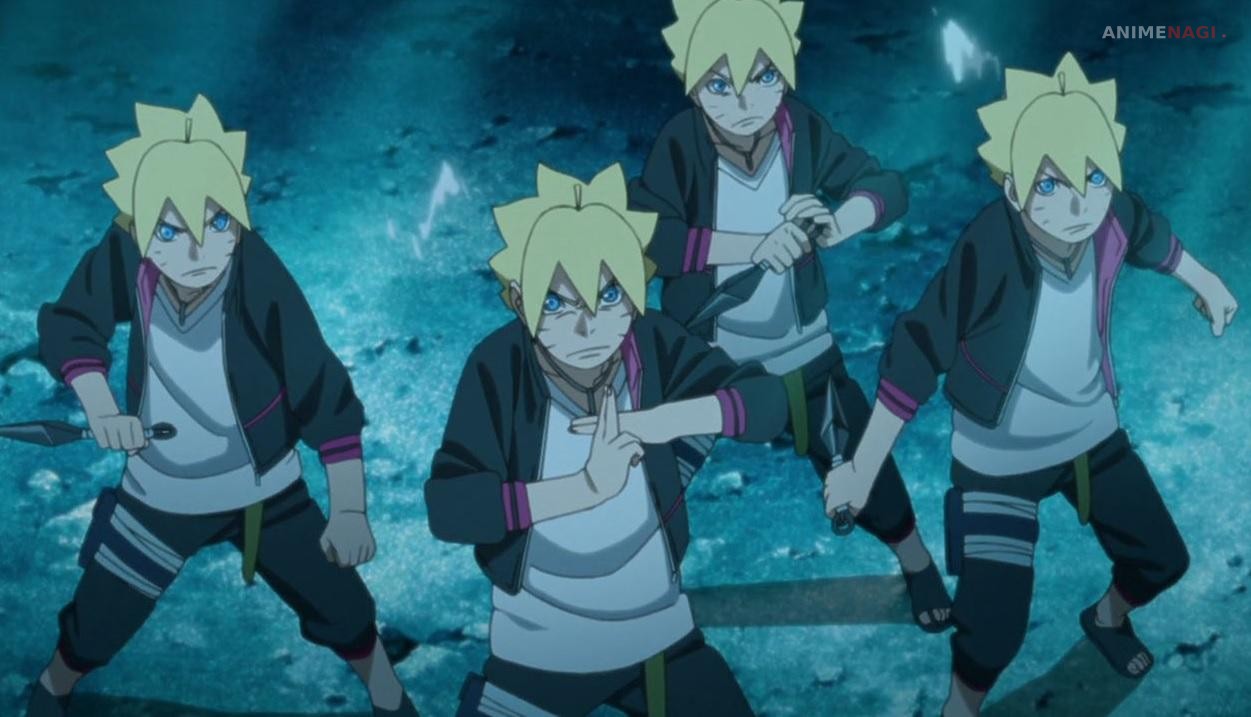
One of the main reasons for the failure lies in Boruto Uzumaki himself.
Boruto is talented, confident, and often relies on his natural abilities to solve problems. Unlike Naruto, who had to fight for recognition, Boruto grows up with privilege and recognition as the Hokage’s son. This upbringing shapes his mindset, making him more inclined to act independently rather than depend on others.
During the bell test, Boruto frequently tries to outsmart Kakashi on his own. While his strategies are clever, they are not fully integrated with his teammates’ actions. This creates a disconnect that prevents the team from functioning as a single unit.
Kakashi recognizes this flaw immediately. For him, Boruto represents the modern ninja who has strength but lacks the deeper understanding of teamwork that comes from hardship. This is why Boruto’s growth becomes central to the lesson of the test.
Sarada’s Leadership Struggles

Sarada Uchiha plays a different role in the team dynamic.
As someone who aspires to become Hokage, Sarada naturally takes on a leadership position. She is intelligent and capable of analyzing situations quickly. However, during the bell test, her leadership is not fully realized.
Sarada struggles to coordinate her teammates effectively. While she understands the importance of teamwork in theory, she has difficulty translating that understanding into action under pressure. This results in moments where the team’s efforts feel disjointed rather than unified.
Kakashi’s evaluation of Sarada is not negative. Instead, it highlights the gap between potential and execution. Leadership is not just about making decisions. It is about ensuring that every member of the team works together seamlessly, something Sarada is still learning.
Mitsuki’s Detached Approach

Mitsuki adds another layer to the team’s dynamic.
Mitsuki is highly skilled and often the most composed member of the group. However, his personality is more detached compared to Boruto and Sarada. He tends to follow rather than lead, observing situations instead of actively shaping them.
During the bell test, Mitsuki contributes effectively in combat but does not actively push the team toward better coordination. His role becomes reactive rather than proactive, which limits the team’s synergy.
This dynamic highlights an important aspect of teamwork. Even when individuals are strong, the absence of active collaboration can weaken the group. Mitsuki’s approach is not wrong, but it is incomplete in the context of Kakashi’s expectations.
Why Their Teamwork Falls Short
The failure of Boruto’s Team 7 ultimately comes down to one core issue: lack of unity.
Each member brings something valuable to the table, but their efforts do not align consistently. They operate as three strong individuals rather than a single cohesive unit. This is exactly what Kakashi designed the test to expose.
In contrast, Naruto’s Team 7 eventually succeeded because they chose to prioritize each other over the test itself. They were willing to fail together rather than succeed alone. This mindset is what Kakashi looks for, and it is what Boruto’s team has not fully developed yet.
The difference is not about skill levels but about priorities. Boruto’s team still sees the test as a challenge to overcome individually, while Kakashi sees it as an opportunity to prove their bond.
Kakashi’s Philosophy on Teamwork in the Modern Era
Kakashi’s decision to fail Boruto’s Team 7 reflects his belief that the core principles of being a ninja have not changed.
Even in a peaceful era, teamwork remains essential. Missions may be less dangerous, but the unpredictability of the world still requires trust and cooperation. Kakashi understands that without these qualities, even the most talented ninja can fail.
By failing the team, he is not punishing them. He is giving them an opportunity to grow. The lesson is meant to push them toward a deeper understanding of what it means to fight alongside others.
This approach also connects the themes of Naruto and Boruto. It shows that while the world has evolved, the values that define a true ninja remain the same.

The Narrative Importance of Their Failure
From a storytelling perspective, the failure of Boruto’s Team 7 serves an important purpose.
If they had passed easily, it would have undermined the significance of the bell test and the lessons it represents. By failing, the story creates room for character development and reinforces the idea that growth is a continuous process.
This moment also sets the stage for future arcs where teamwork becomes crucial. As the challenges they face grow more complex, their ability to work together will determine their success.
The failure is not an endpoint but a starting point. It marks the beginning of their journey toward becoming a true team.
How Boruto’s Team 7 Can Eventually Pass
While the test ends in failure, it also provides a clear path forward.
For Boruto Uzumaki, the key is learning to trust his teammates and integrate his strategies with theirs. For Sarada Uchiha, it is about developing stronger leadership and coordination. For Mitsuki, it involves becoming more actively engaged in shaping the team’s approach.
These changes do not happen instantly. They require experience, failure, and growth. However, the foundation is already there. The team has the potential to succeed once they align their strengths and priorities.
Kakashi’s test is not about immediate success. It is about setting the standard for what they must become.
Kakashi’s bell test in Boruto is a powerful reminder that teamwork remains the most important skill for any ninja. Despite their individual strengths, Boruto’s Team 7 fails because they lack the unity and trust required to function as a true team.
The test reveals deeper flaws in their mindset, from Boruto’s independence to Sarada’s developing leadership and Mitsuki’s detached approach. These weaknesses are not permanent but serve as opportunities for growth.
By repeating the bell test, Kakashi reinforces a timeless lesson from Naruto. Strength alone is not enough. True success comes from working together, trusting each other, and prioritizing the team above all else.