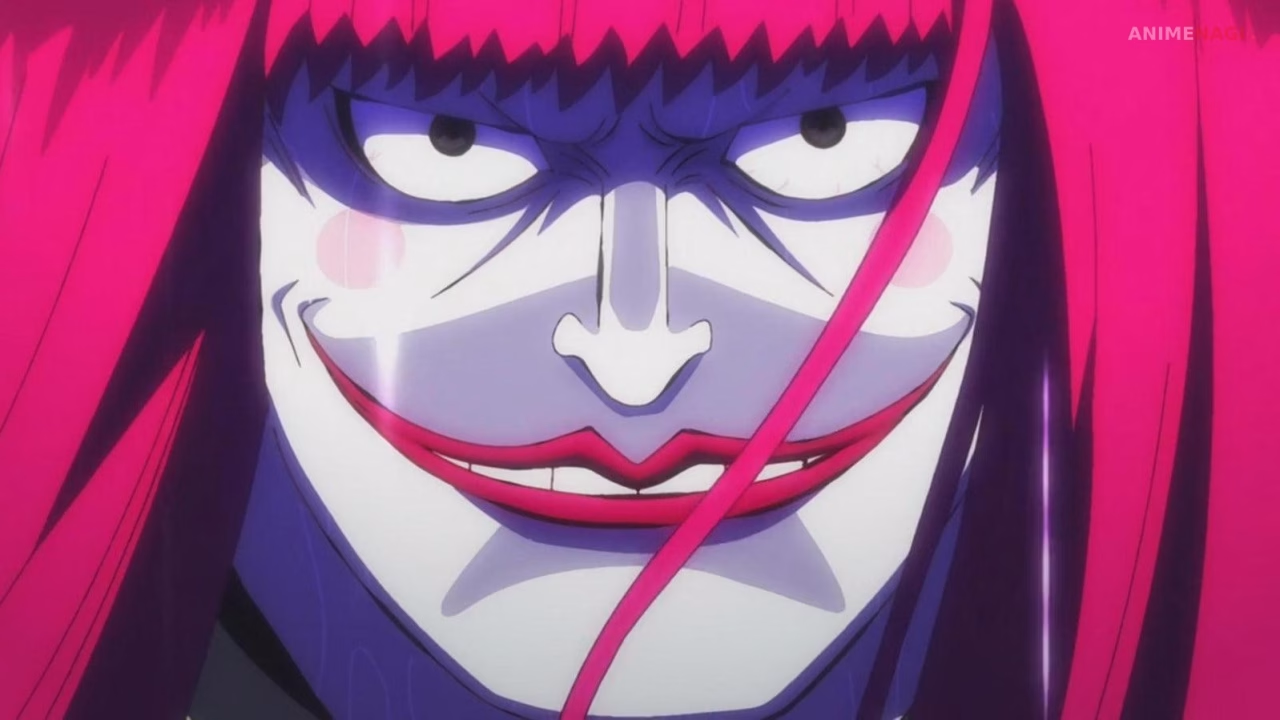
Kanjuro’s betrayal in One Piece is one of the most surprising twists in the Wano Country arc, completely redefining the narrative and the dynamics of the Kozuki rebellion. For years, Kanjuro was portrayed as one of the Nine Red Scabbards, a loyal retainer of Kozuki Oden who endured suffering alongside his comrades. His clumsy personality and seemingly weak drawing abilities made him appear harmless, even comic relief at times. However, this carefully crafted persona hides a much darker truth.
The revelation that Kanjuro is actually a spy working for Orochi reshapes everything the audience thought they knew about him. His betrayal is not impulsive or recent. It is the result of a long-term infiltration that began years before the events of the Wano arc. His kidnapping of Momonosuke becomes the ultimate act that exposes his true allegiance.
For many fans, the key question is clear. Why does Kanjuro betray the Scabbards, and how does he manage to deceive them for so long? The answer lies in his past, his motivations, and his role as a master of deception.
Who Is Kanjuro in One Piece?
Kanjuro is introduced as one of the Nine Red Scabbards, the loyal retainers of Kozuki Oden. He is known for his distinctive appearance, theatrical personality, and ability to bring drawings to life using his Devil Fruit power.
At first, his abilities seem underwhelming. His drawings are intentionally crude, often producing ineffective or humorous results. This portrayal leads both characters and viewers to underestimate him.
Despite this, Kanjuro is shown to be deeply connected to the Scabbards. He shares their mission to restore the Kozuki family and defeat Orochi and Kaido. His presence in key moments reinforces his role as a trusted ally.
However, this image is carefully constructed. Kanjuro’s true nature is hidden beneath layers of deception, making his eventual betrayal far more impactful.
His character serves as a reminder that appearances can be misleading in One Piece.
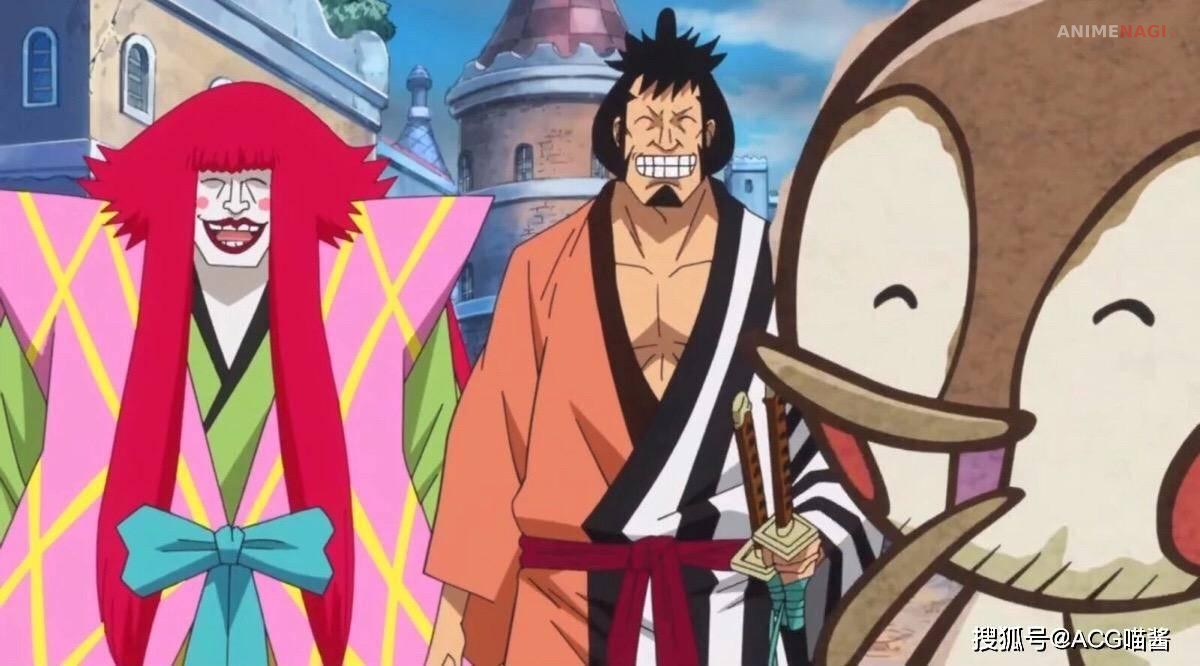
The Reveal: Kanjuro as Orochi’s Spy
The revelation of Kanjuro as a traitor is one of the most dramatic moments in the Wano arc. It is revealed that he has been acting as a spy for Kurozumi Orochi, feeding him information about the Scabbards’ plans.
This betrayal explains several events that previously seemed coincidental. Orochi’s ability to anticipate the Scabbards’ movements is no longer a mystery. It becomes clear that Kanjuro has been leaking information all along.
The reveal also recontextualizes Kanjuro’s actions throughout the series. Moments that once seemed insignificant gain new meaning when viewed through this lens.
What makes this twist effective is its consistency. Kanjuro’s behavior, while subtle, aligns with his role as a spy when examined closely.
This moment marks a turning point in the story, raising the stakes of the conflict.
Why Kanjuro Betrays the Scabbards
Kanjuro’s betrayal is rooted in his background and identity as a member of the Kurozumi clan. This clan was persecuted in the past, leading to deep resentment and a desire for revenge.
Unlike other characters who act out of ambition or power, Kanjuro’s motivation is tied to his sense of purpose. He views himself as an actor playing a role, rather than an individual with personal attachments.
This perspective allows him to betray the Scabbards without hesitation. His relationships with them are seen as part of his performance, not genuine bonds.
His loyalty to Orochi stems from this shared identity. Both characters are driven by the legacy of the Kurozumi clan and its suffering.
This motivation adds complexity to his character. He is not simply evil, but shaped by his past and beliefs.
The Actor Persona: Living a Lie
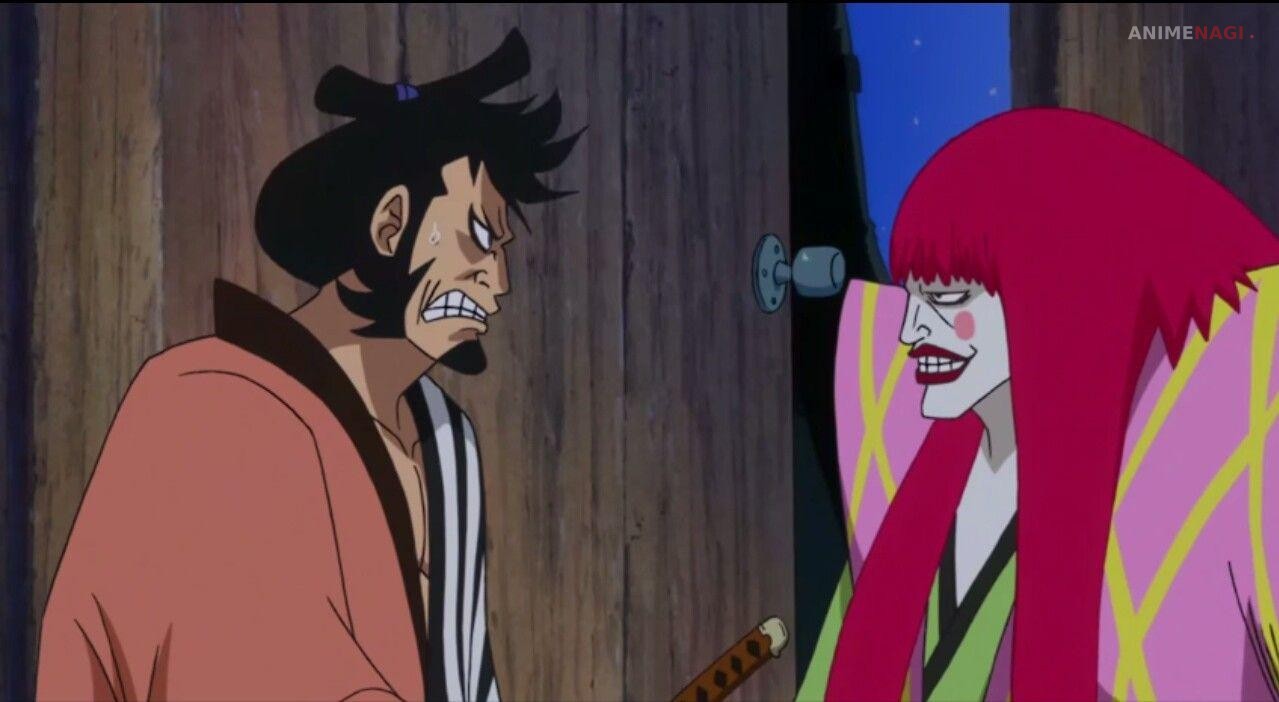
One of the most defining aspects of Kanjuro’s character is his identity as an actor. He does not see his life as real, but as a series of roles he must perform.
This mindset allows him to fully immerse himself in his deception. He plays the role of a loyal retainer so convincingly that even the Scabbards are deceived.
His poor drawing skills are part of this act. In reality, Kanjuro is a highly skilled artist capable of creating detailed and powerful constructs. He deliberately hides this ability to maintain his cover.
The actor persona also explains his emotional detachment. He does not form genuine connections, viewing everything as part of his performance.
This approach makes him a uniquely dangerous character. His ability to deceive is not just strategic, but deeply ingrained in his identity.
How Kanjuro Kidnaps Momonosuke
Kanjuro’s kidnapping of Momonosuke is the moment that fully exposes his betrayal. After revealing his true identity, he captures Momonosuke and attempts to deliver him to Orochi.
This act serves multiple purposes. It disrupts the Scabbards’ plan, removes a key figure in the Kozuki lineage, and strengthens Orochi’s position.
Kanjuro uses his Devil Fruit ability to facilitate the kidnapping. His drawings, now revealed to be far more powerful than previously shown, allow him to create tools and creatures for escape.
The speed and precision of the kidnapping highlight his competence. It becomes clear that his earlier incompetence was entirely an act.
This moment is both surprising and devastating. It represents the complete collapse of trust within the group.
The Power of Kanjuro’s Devil Fruit
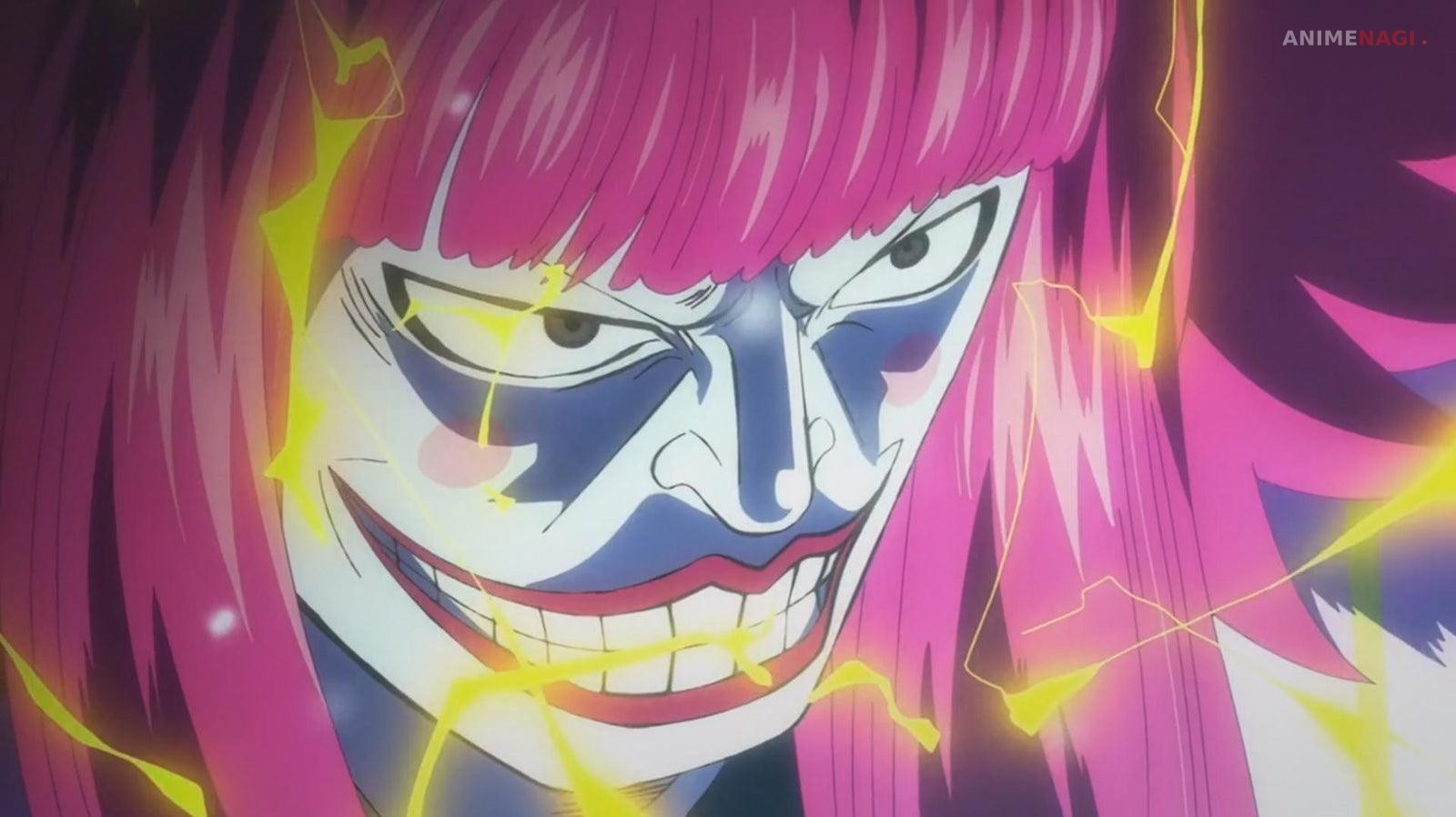
Kanjuro’s Devil Fruit, the Fude Fude no Mi, allows him to bring his drawings to life. Initially, this power appears weak due to his intentionally poor artwork.
However, once his true abilities are revealed, the full potential of the fruit becomes clear. Kanjuro can create highly detailed and functional constructs, making him a versatile fighter.
This ability is particularly useful for infiltration and deception. He can create objects, animals, and even environments that aid in his missions.
The contrast between his fake and real abilities reinforces the theme of deception. It shows how much he has been holding back.
His Devil Fruit becomes a key tool in both his betrayal and his combat effectiveness.
The Impact on the Scabbards and the Alliance
Kanjuro’s betrayal has a profound impact on the Scabbards and their allies. It shatters their trust and forces them to confront the reality of their situation.
For characters like Kin’emon, the betrayal is deeply personal. Kanjuro was not just a comrade, but a friend. This emotional impact adds weight to the conflict.
The alliance also suffers strategically. Losing Momonosuke and having their plans exposed puts them at a significant disadvantage.
This moment raises the stakes of the Wano arc. It shows that the enemy is not just powerful, but cunning and manipulative.
The fallout from this betrayal shapes the rest of the story, influencing both character development and plot progression.
Kanjuro vs the Scabbards: A Battle of Ideals
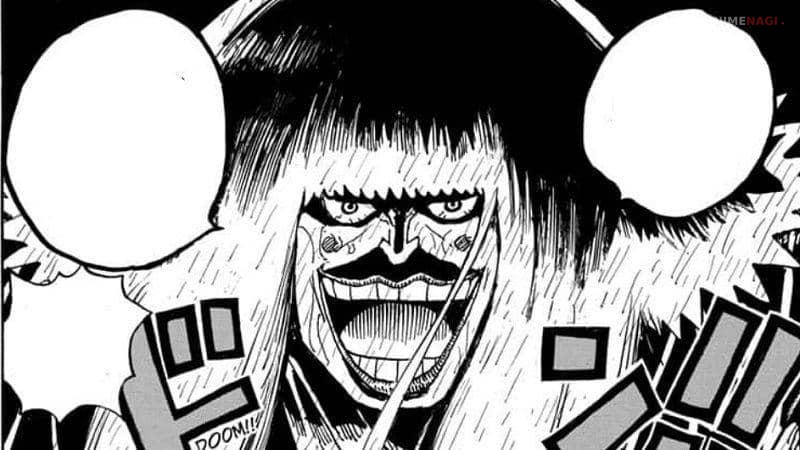
Kanjuro’s confrontation with the Scabbards is more than a physical battle. It is a clash of ideals and beliefs.
The Scabbards represent loyalty, honor, and dedication to Oden’s legacy. Kanjuro, on the other hand, represents deception and detachment.
This contrast highlights the core themes of the Wano arc. It emphasizes the importance of trust and the consequences of betrayal.
The battle also forces the Scabbards to reaffirm their commitment. They must overcome both emotional and physical challenges to continue their mission.
Kanjuro’s role in this conflict adds depth to the narrative, making it more than just a fight between good and evil.
Thematic Significance: Trust, Identity, and Deception
Kanjuro’s betrayal explores several key themes in One Piece. Trust is a central element, as his actions show how easily it can be broken.
His identity as an actor raises questions about authenticity. It challenges the idea of what it means to be genuine in relationships.
Deception is another major theme. Kanjuro’s ability to maintain his cover for so long demonstrates the power of manipulation.
These themes add complexity to the story. They lift the Wano arc beyond a simple battle, making it a deeper exploration of human behavior. Kanjuro’s character embodies these ideas, making him one of the most memorable antagonists in the series.
Kanjuro’s betrayal is one of the most impactful moments in One Piece, transforming him from a trusted ally into a key antagonist. His role as Orochi’s spy explains many of the challenges faced by the Scabbards and raises the stakes of the Wano arc.
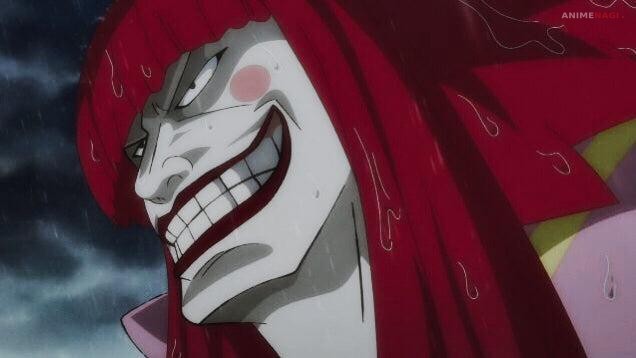
His motivations, rooted in his identity and past, add depth to his actions. He is not just a traitor, but a character shaped by his beliefs and experiences.
The kidnapping of Momonosuke serves as the climax of his deception, marking the point where his true nature is fully revealed. It disrupts the alliance and forces the characters to adapt.
In the end, Kanjuro’s story is a powerful exploration of trust, identity, and the consequences of living a lie. It reinforces the idea that in One Piece, the greatest threats are not always the strongest, but the ones hidden in plain sight.
Another crucial layer to Kanjuro’s betrayal is how it reinforces the unpredictability of alliances in One Piece. Throughout the series, loyalty is often treated as a defining trait of strong characters, especially among crews and retainers. By turning a trusted Scabbard into a long-term spy, the story challenges that expectation and raises the tension across the Wano arc.
It reminds both the characters and the audience that trust must be earned continuously, not assumed.