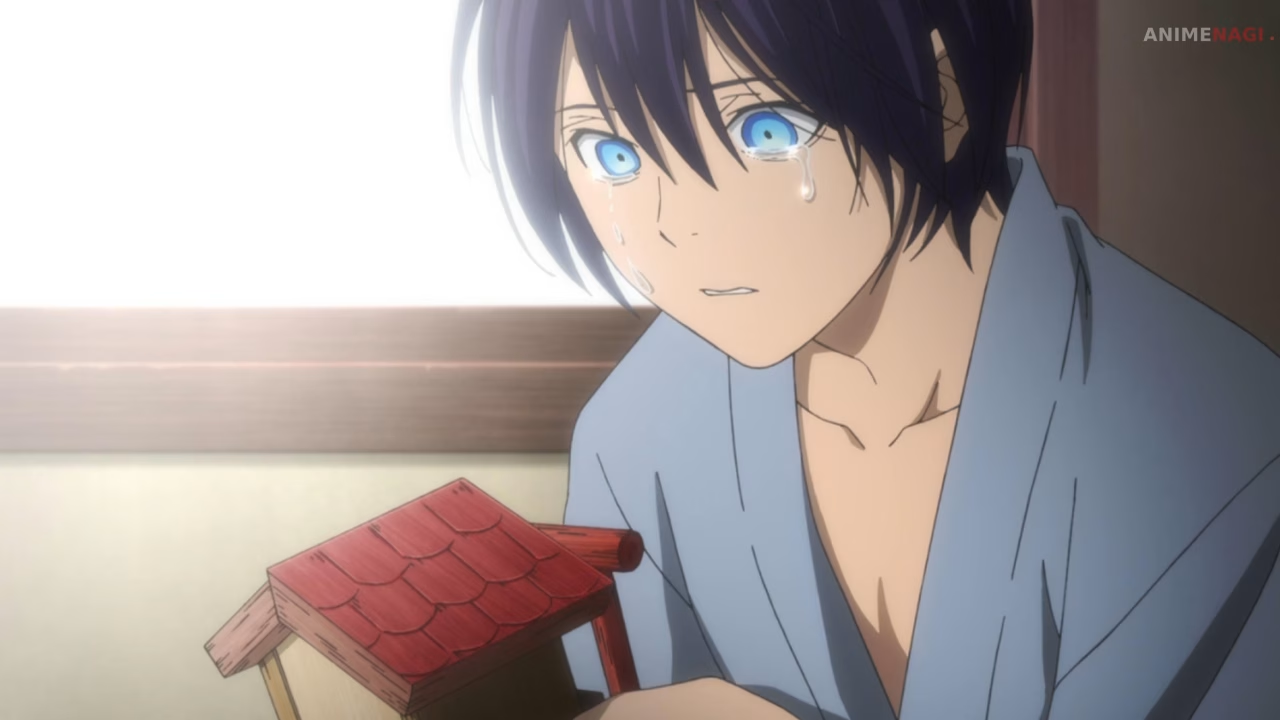
Noragami presents a unique take on gods, spirits, and the afterlife, blending action with emotional storytelling. At the center of it all is Yato, a minor god who dreams of becoming famous and building his own shrine. On the surface, the story follows his odd jobs helping humans for just five yen, but beneath that simple premise lies a complex world governed by strict rules about life, death, and memory.
The series introduces concepts like Regalias, phantoms, and the Far Shore, creating a layered mythology that evolves as the story progresses. Yato’s journey is not just about gaining recognition. It is about escaping his dark past, confronting his creator, and redefining what it means to be a god. Understanding Noragami requires looking beyond its humor and action to explore the deeper systems that shape its world and the emotional arcs that drive its characters.
What Is Noragami Really About
At its core, Noragami is a story about identity, purpose, and connection.
While it begins as a lighthearted tale of a broke god doing odd jobs, the narrative quickly shifts into something deeper. Yato’s desire for a shrine is not just about fame. It represents his need for recognition and existence. In Noragami, gods only exist as long as people believe in them.
This creates a unique form of vulnerability. Unlike traditional gods who are immortal, Yato’s survival depends on human memory and faith. If people forget him, he disappears.
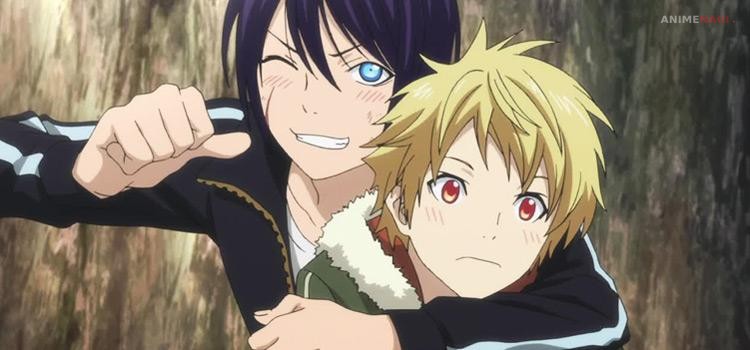
The story explores how relationships, particularly with humans like Hiyori and Regalias like Yukine, help Yato find meaning beyond his original purpose.
How Gods Work in Noragami
Gods in Noragami are not born in the traditional sense.
They are manifestations of human wishes, fears, and beliefs. Each god represents a specific concept or desire, which defines their role in the world. For example, some gods bring fortune, while others deal with calamity.
Yato is originally a god of calamity, created to carry out destruction. This origin shapes his early existence and influences how other gods perceive him.
However, gods are not bound to their original roles forever. They can evolve based on their actions and how humans perceive them. This is a key aspect of Yato’s character, as he actively tries to change his identity.
The Role of Regalias Explained
Regalias are one of the most important elements in Noragami.
They are spirits of deceased humans who are given names by gods. Once named, they transform into weapons or tools that gods can use in battle. This bond is not just functional but deeply emotional.
Yukine, Yato’s Regalia, is a central character who represents the complexity of this relationship. As a former human, Yukine carries emotional baggage that affects his behavior.
Regalias can feel pain, doubt, and resentment. If they act negatively, it directly harms their god, a phenomenon known as “blight.” This creates a system where both the god and Regalia must trust and support each other.
What Are Phantoms and the Far Shore
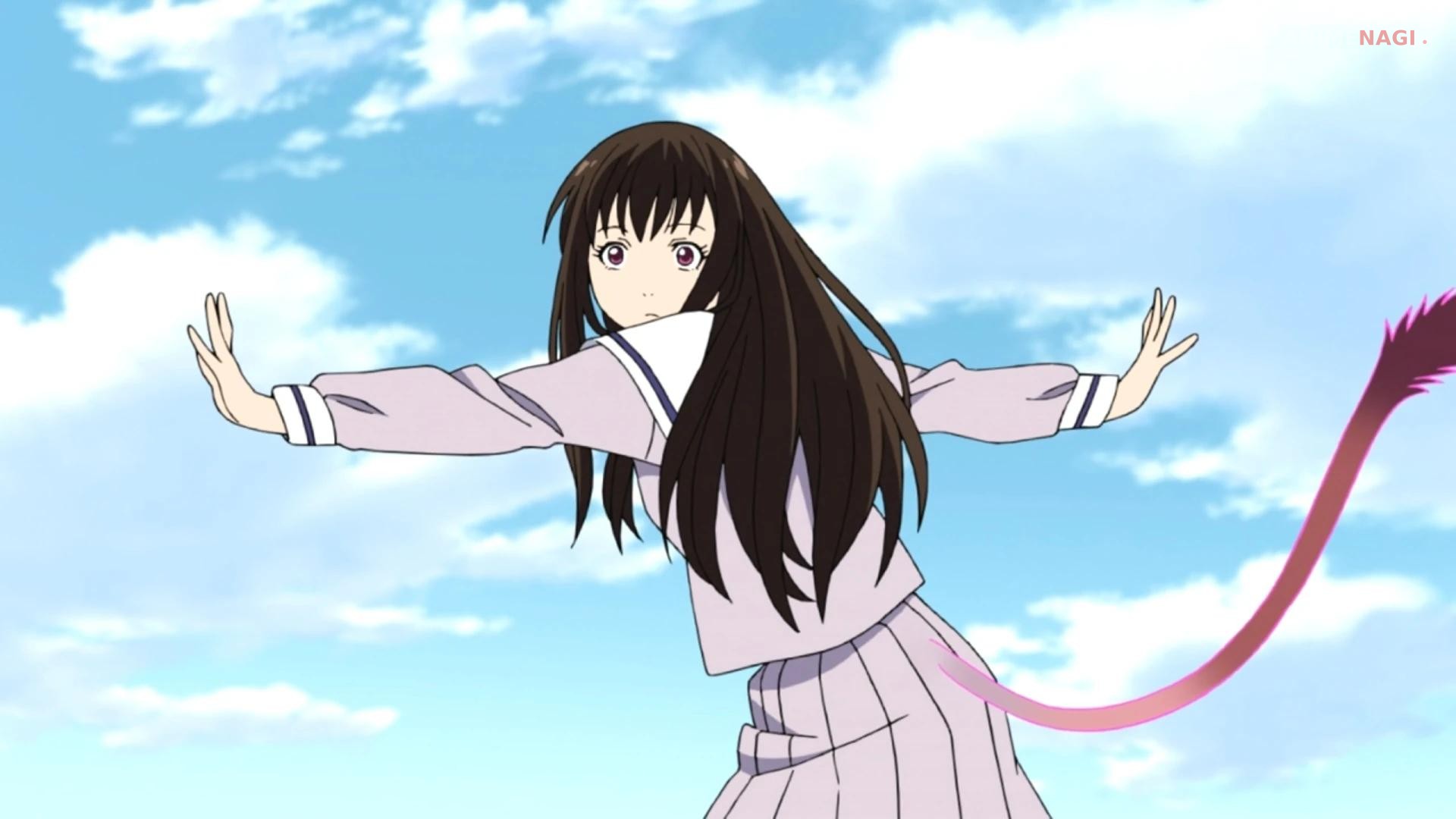
Phantoms are corrupted spirits that pose a threat to both humans and gods.
They are born from negative emotions such as fear, anger, and despair. These creatures exist in the Far Shore, a parallel world that overlaps with the human world.
Gods and Regalias are responsible for eliminating phantoms to maintain balance. This is where much of the series’ action takes place.
The Far Shore itself represents the boundary between life and death. It is a place where memories, emotions, and identities can become distorted, reflecting the internal struggles of the characters.
Yato’s Dark Past and True Nature
Yato’s past is one of the most important aspects of the story.
Before meeting Hiyori and Yukine, Yato was a god of calamity who carried out violent tasks for his creator, Father. This figure manipulated Yato and used him as a tool for destruction.
During this time, Yato had a different Regalia named Nora, who remained loyal to him despite his actions. His past is filled with bloodshed and moral ambiguity.
This history contrasts sharply with the Yato seen in the present. His desire to become a “good god” is driven by guilt and a need to escape his former identity.
Why Yato Wants a Shrine
Yato’s goal of building a shrine may seem simple, but it carries deep meaning.
A shrine symbolizes recognition and stability. For Yato, it represents proof that he exists and matters. Without followers, a god in Noragami is essentially invisible.
However, as the story progresses, it becomes clear that Yato’s true goal is not just fame. He wants to be remembered for something positive rather than his past as a god of calamity.
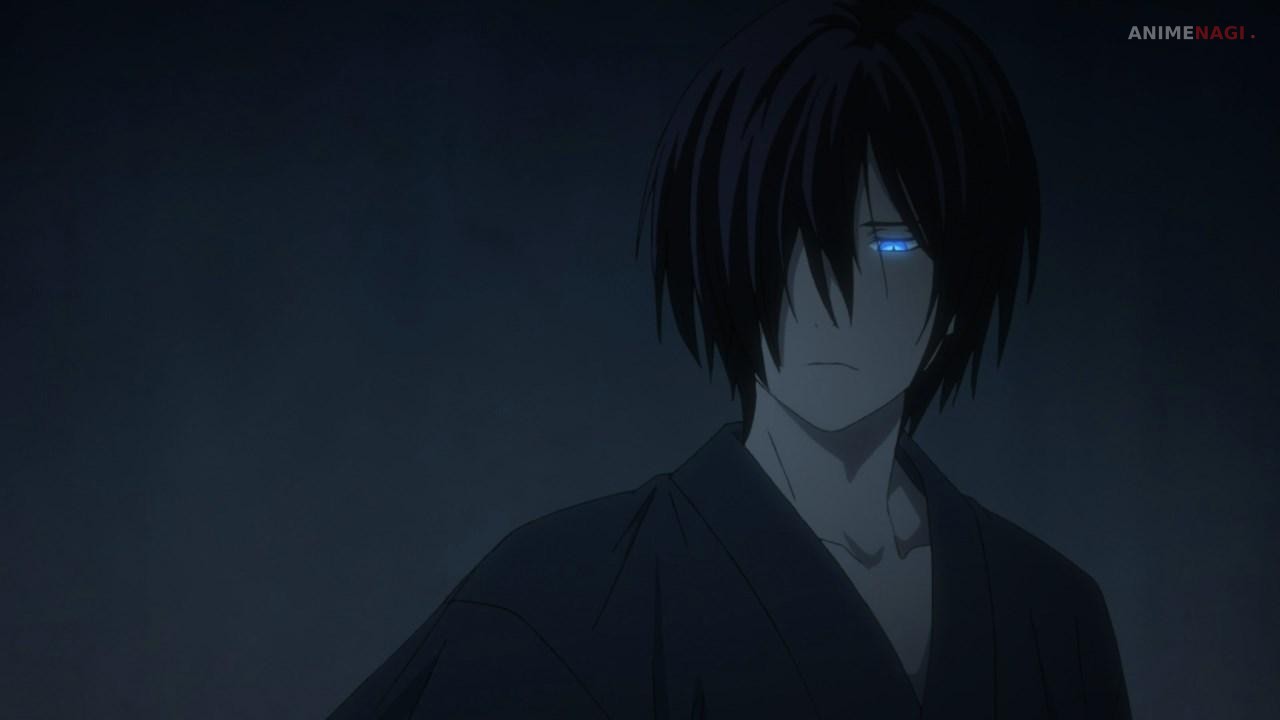
His interactions with Hiyori and Yukine gradually shift his priorities. Instead of seeking validation through numbers, he begins to value genuine connections.
The Importance of Yukine in Yato’s Growth
Yukine plays a crucial role in Yato’s development.
As a Regalia, Yukine struggles with his past life and the injustice of his death. His negative emotions initially cause blight, forcing Yato to confront the consequences of their bond.
Through their relationship, both characters grow. Yato learns to act as a responsible mentor, while Yukine learns to accept his new identity.
This dynamic highlights one of the series’ key themes. Growth comes from understanding and trust, not control or power.
Hiyori’s Role Between Two Worlds
Hiyori Iki serves as the bridge between the human world and the Far Shore.
After an accident, she gains the ability to leave her body and interact with spirits. This places her in a unique position where she can understand both sides.
Hiyori’s presence grounds the story in human emotion. She reminds Yato of what it means to care about others and provides a moral compass.
Her relationship with Yato also adds another layer to the story. It is not just about friendship but about how humans influence gods and vice versa.
The Truth About Father and Yato’s Conflict
Yato’s conflict with Father drives much of the series’ overarching narrative.
Father represents Yato’s past and the path he is trying to escape. He manipulates events to pull Yato back into his role as a god of calamity.
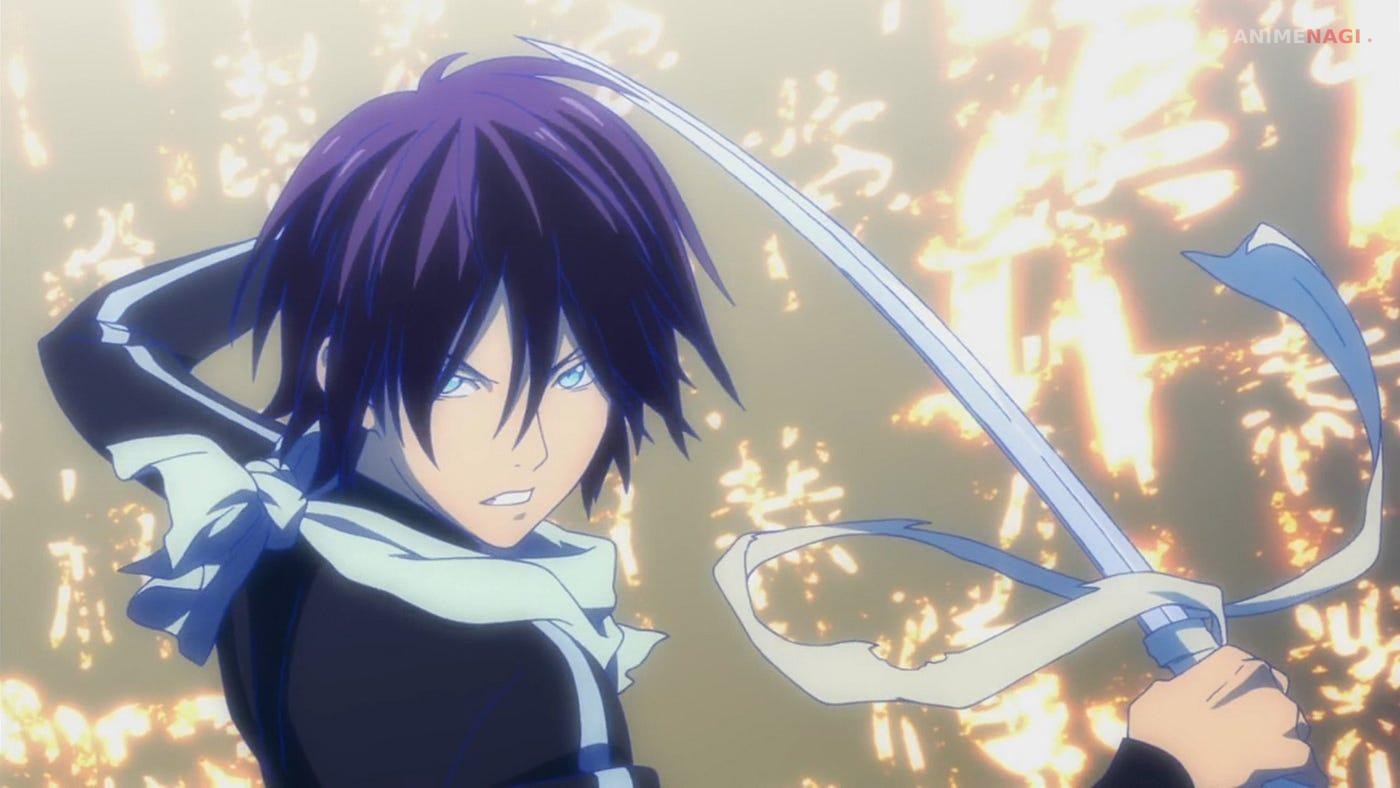
This conflict is not just physical but psychological. Yato must confront his own identity and decide whether he will continue following Father’s orders or forge his own path.
The struggle highlights the theme of free will. Even beings created for a specific purpose can choose to change.
What Makes Noragami’s World Unique
The world of Noragami stands out because of its rules and emotional depth.
Unlike many supernatural series, it emphasizes the connection between memory and existence. Gods depend on belief, Regalias depend on trust, and phantoms are born from human emotions.
This interconnected system creates a narrative where every action has consequences. A single negative emotion can lead to blight, while a positive relationship can lead to growth.
The series balances action with introspection, making its world feel both dynamic and meaningful.
Yato’s True Goal Explained
By the time the story progresses, Yato’s true goal becomes clear.
While he initially wants fame and a shrine, his deeper desire is to redefine himself. He wants to become a god who protects rather than destroys.
This shift is influenced by his relationships with Hiyori and Yukine. They show him that he is not bound by his past.
Yato’s journey is about self-acceptance and transformation. It is about choosing who he wants to be, regardless of how he was created.
The Deeper Themes Behind Noragami

Noragami explores several important themes. One of the most prominent is identity. Characters constantly struggle with who they are and who they want to become. Another theme is the impact of relationships. The bonds between gods, Regalias, and humans drive the story forward and shape the characters’ growth.
The series also examines the idea of redemption. Yato’s journey shows that even those with dark pasts can change, but it requires effort and support. Noragami is more than just a supernatural action series. It is a story about identity, connection, and the power of change.
Through its unique world-building and emotionally driven narrative, it explores what it means to exist and be remembered. Yato’s journey from a god of calamity to someone seeking redemption is at the heart of this story.
By understanding how gods, Regalias, and the Far Shore work, the deeper meaning of the series becomes clear. It is not just about fighting phantoms or gaining followers.
It is about finding purpose, building meaningful relationships, and choosing who you want to be, no matter where you come from.
Another important layer to Noragami is how memory shapes existence across both the human world and the Far Shore. Gods like Yato survive through belief, while Regalias depend on being named and acknowledged to retain their identity. This creates a fragile system where forgetting someone can erase them entirely, adding emotional weight to every relationship in the story.
It also explains why Yato values even the smallest acts of recognition, such as a single prayer or a handwritten wish. In this sense, Noragami quietly suggests that to remember someone is to give them life, making connection the most powerful force in its universe.